










Introduction: The Unseen Adversary
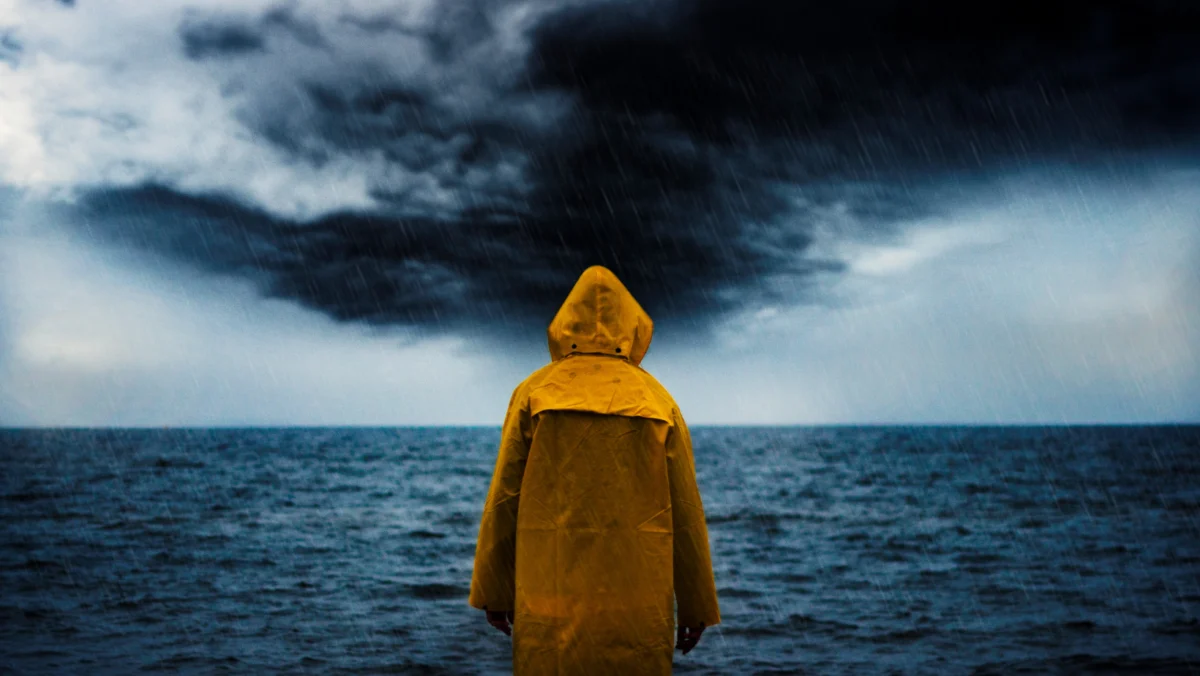
For millions of individuals navigating the complexities of progressive, painful, and invisible disabilities, the weather forecast is more than a simple guide for choosing an outfit. It is a harbinger of physical distress. While the general population views an approaching storm through the lens of travel delays or weekend plans, those living with chronic conditions—ranging from Ehlers-Danlos Syndrome and rheumatoid arthritis to fibromyalgia—perceive the shift in atmospheric pressure as a visceral, physiological threat.
In this exploration of life with chronic illness, we examine the profound, often debilitating impact of meteorological changes on the human body, the struggle to maintain autonomy in the face of environmental unpredictability, and the psychological fortitude required to persevere when the elements turn against one’s own physiology.
Main Facts: The Science of Barometric Sensitivity
The phenomenon commonly referred to as "weather-induced pain" is not a mere anecdotal occurrence; it is a medically documented physiological reaction to barometric pressure fluctuations. When a storm system approaches, the atmospheric pressure drops. In a healthy body, tissues and joints are stable. However, for those with chronic inflammation or structural vulnerabilities, this drop in pressure causes the tissues in the body—tendons, muscles, and scar tissue—to expand.
Because these tissues are often already compromised, this expansion puts added pressure on nerves and sensitive joints. For individuals with connective tissue disorders, such as Ehlers-Danlos Syndrome (EDS), this expansion can be the catalyst for subluxations (partial dislocations) or full joint dislocations. This is the "Invisible Barometer," an internal sensitivity that turns the act of simply existing into a high-stakes balancing act of inflammation, fatigue, and nerve-related agony.
Chronology of a Storm: A Personal and Clinical Timeline
Phase I: The Anticipatory Drop (24–48 Hours Pre-Storm)
The body often detects the drop in barometric pressure before the first raindrop falls. Patients report the onset of "brain fog," profound lethargy, and a subtle, throbbing inflammation. This is the period where the psychological work begins—a conscious effort to compartmentalize the impending pain to maintain a sense of normalcy.
Phase II: The Onset of Turbulence
As the storm makes landfall, the external environment becomes hazardous. For those with physical mobility challenges, the "chronology of the storm" shifts from internal pain to external risk. Snow, ice, and mud are not just minor inconveniences; they are structural barriers that threaten the stability of the skeletal system. A simple walk to the mailbox becomes a navigation of potential trauma, where a single slip could result in significant orthopedic injury.
Phase III: The Recovery Phase
Once the pressure stabilizes and the storm passes, the body must undergo a period of "post-storm recovery." This involves managing the flare-up caused by the pressure change, recalibrating medication schedules, and recovering from the fatigue induced by the body’s prolonged state of high alert.
Supporting Data: The Impact on Quality of Life
Research into the correlation between weather and chronic pain has grown significantly in the last decade. A landmark study published in Nature (the "Cloudy with a Chance of Pain" project) utilized smartphone technology to track over 2,600 participants in the UK. The findings were conclusive: higher humidity, lower pressure, and higher wind speeds were statistically linked to increased pain intensity.
- Inflammation Metrics: Clinical observations suggest that changes in pressure can increase synovial fluid viscosity, leading to stiffer, more painful joints.
- Mobility Impairment: Data indicates that patients with chronic mobility issues see a 30% to 40% reduction in physical activity levels during inclement weather, not due to lack of desire, but due to the heightened risk of injury.
- Psychological Load: Chronic pain patients report higher scores on the Hamilton Depression Scale during winter months or storm-heavy seasons, illustrating that the impact is not merely physical, but deeply emotional.
Official Responses and Medical Perspectives
Medical professionals are increasingly acknowledging the validity of weather-related pain, moving away from the skepticism that plagued these patient groups for decades.
"We are seeing a paradigm shift," notes Dr. Elena Vance, a specialist in pain management. "We used to tell patients it was a coincidence. Now, we treat barometric sensitivity as a clinical factor. We advise our patients to increase their core stability exercises during stable weather to better withstand the pressure shifts that inevitably come with seasonal changes."
However, official health guidelines often lack specific protocols for "weather-proofing" one’s life. The onus currently falls on the patient to integrate lifestyle modifications, such as:
- Metabolic Management: Adhering to anti-inflammatory diets that minimize the body’s baseline "noise."
- Adaptive Movement: Transitioning from high-impact walking to modified swimming or isometric core work during volatile weather.
- Environmental Control: Utilizing climate-controlled spaces and avoiding high-risk, un-cleared terrains.
Implications: The Psychology of the "Fighter"
The implications of living with a condition that responds to the sky are profound. It creates a life of perpetual adaptation. As Ellen Lenox Smith, a prominent advocate for those with chronic pain, suggests, the struggle is not just against the disease, but against the feeling of being "handicapped" by the elements.
The Power of Agency
The primary implication for those affected is the necessity of focusing on what is within one’s control. When the atmosphere is out of your hands, the focus must shift to:
- Purpose-Driven Activity: Filling the day with tasks that provide meaning, regardless of the pain level.
- Emotional Resilience: Reframing the "disabled" identity to include the "fighter" identity.
- Internal Strength: Recognizing that the fatigue is a biological response, not a failure of character.
Societal Shifts
Societally, we must consider how we build accessible environments. If a storm makes a sidewalk impassable, it is not a "bad weather day" for the able-bodied; it is a structural failure of our infrastructure that isolates the disabled. Urban planning must move toward "weather-resilient accessibility," ensuring that those with mobility challenges are not housebound by a snowfall that the city fails to clear in a timely manner.
Conclusion: A Call for Compassion
To live with a progressive condition is to live in a state of constant negotiation with one’s own body. When that negotiation is interrupted by the volatile shifts of the atmosphere, it can feel as though the world itself is conspiring against one’s stability.
However, as the community of those with chronic illnesses continues to grow, so does the collective voice of those demanding better care, better infrastructure, and a deeper understanding of their experiences. We must recognize that being a patient with a chronic condition is an exercise in endurance. It requires the courage to wake up, acknowledge the limitations imposed by the storm, and choose to move forward anyway.
As we look toward the future of chronic care, let us prioritize the humanity of the patient over the cold data of the diagnosis. May we find the inner strength to support one another, and may we remember that while we cannot stop the rain, we can certainly learn to build stronger shelters—both physically and mentally—until the sun finally peeks out again.
Life, in its most complex form, remains a beautiful, challenging, and worthwhile pursuit. For those navigating the invisible storms, the resilience you display is nothing short of heroic. May life be kind to you, and may you find the stillness you deserve, even when the pressure outside is rising.