








In a landmark study that promises to reshape the landscape of immuno-oncology, a team of researchers has uncovered a fundamental biological paradox: cancer cells that "hide" from the immune system’s primary hunters may inadvertently be walking into a trap set by a different branch of the body’s defenses.
The findings, published in the prestigious journal Nature Immunology, challenge a foundational dogma that has governed immunology for decades. Led by Dr. Pavan Reddy, director of the Dan L Duncan Comprehensive Cancer Center at Baylor College of Medicine (BCM), in collaboration with Dr. Arul Chinnaiyan and Dr. Marcin Cieslik of the University of Michigan Rogel Cancer Center, the research reveals that the immune system’s pathways are far more interconnected—and far more versatile—than previously understood.
The Traditional Paradigm: A Decades-Old Divide
For more than 40 years, the teaching of immunology has relied on a clear-cut division of labor. This framework centered on Major Histocompatibility Complex (MHC) proteins, which act as the body’s internal "ID cards."
The established doctrine held that MHC class I molecules exist primarily to present antigens to CD8+ T cells, often referred to as "killer" T cells, which are responsible for directly destroying infected or malignant cells. Meanwhile, MHC class II molecules were thought to be the exclusive domain of CD4+ T cells, or "helper" T cells, which act as the commanders of the immune response, coordinating other cells rather than engaging in direct combat.
This clean separation—MHC I for killers, MHC II for helpers—has been the bedrock upon which nearly all cancer immunotherapy, including checkpoint inhibitors, has been built. However, the new research suggests that this divide is not a wall, but a porous border. The study identifies a previously unrecognized mechanism where the MHC class I pathway directly influences immune responses driven by CD4+ T cells, suggesting that the immune system possesses a "Plan B" that scientists are only now beginning to map.
Chronology of a Breakthrough: From Observation to Mechanism
The journey toward this discovery was a multi-year, cross-institutional endeavor. It began not with a single epiphany, but with the meticulous observation of tumor behavior in the face of immune pressure.
The Research Timeline
- Initial Hypothesis: The research team, comprising investigators from Baylor College of Medicine and the University of Michigan, initially sought to understand why certain tumors were resistant to traditional CD8+ T cell therapies.
- Data Integration (2020–2022): Graduate students Emma Lauder, Meng-Chih Wu, and Mahnoor Gondal spearheaded the labor-intensive process of transcriptomic analysis. By comparing vast datasets from mouse models and human clinical samples, the team noticed a recurring pattern: when tumors suppressed MHC I expression to evade CD8+ T cells, they didn’t become entirely invisible. Instead, they became hypersensitive to an unexpected type of T cell attack.
- Functional Validation (2023): The researchers moved to functional studies, employing CRISPR-based gene editing to systematically remove MHC I from cancer cells. The result was consistent: the cells did not merely go dormant; they became prime targets for CD4+ T cells, which initiated a violent, iron-dependent form of cell death known as ferroptosis.
- Clinical Correlation (2024): Finally, Dr. Chinnaiyan’s team applied these findings to human clinical data, reviewing records of patients who had undergone checkpoint inhibitor therapy for solid tumors. They discovered a significant correlation between low MHC I expression and the specific activity of CD4+ T cells, confirming that the phenomenon observed in the lab was occurring in the bodies of cancer patients.
The Mechanism: Ferroptosis as the "Executioner"
The core of this discovery lies in the concept of ferroptosis. Unlike apoptosis—the "programmed" cell death that acts like a controlled demolition—ferroptosis is a necrotic, oxidative process. It occurs when iron-dependent lipid peroxidation causes the cell membrane to rupture, effectively "rusting" the cell from the inside out.
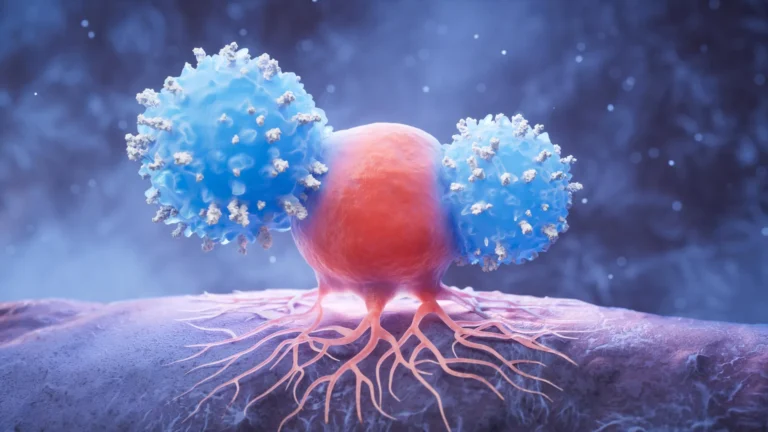
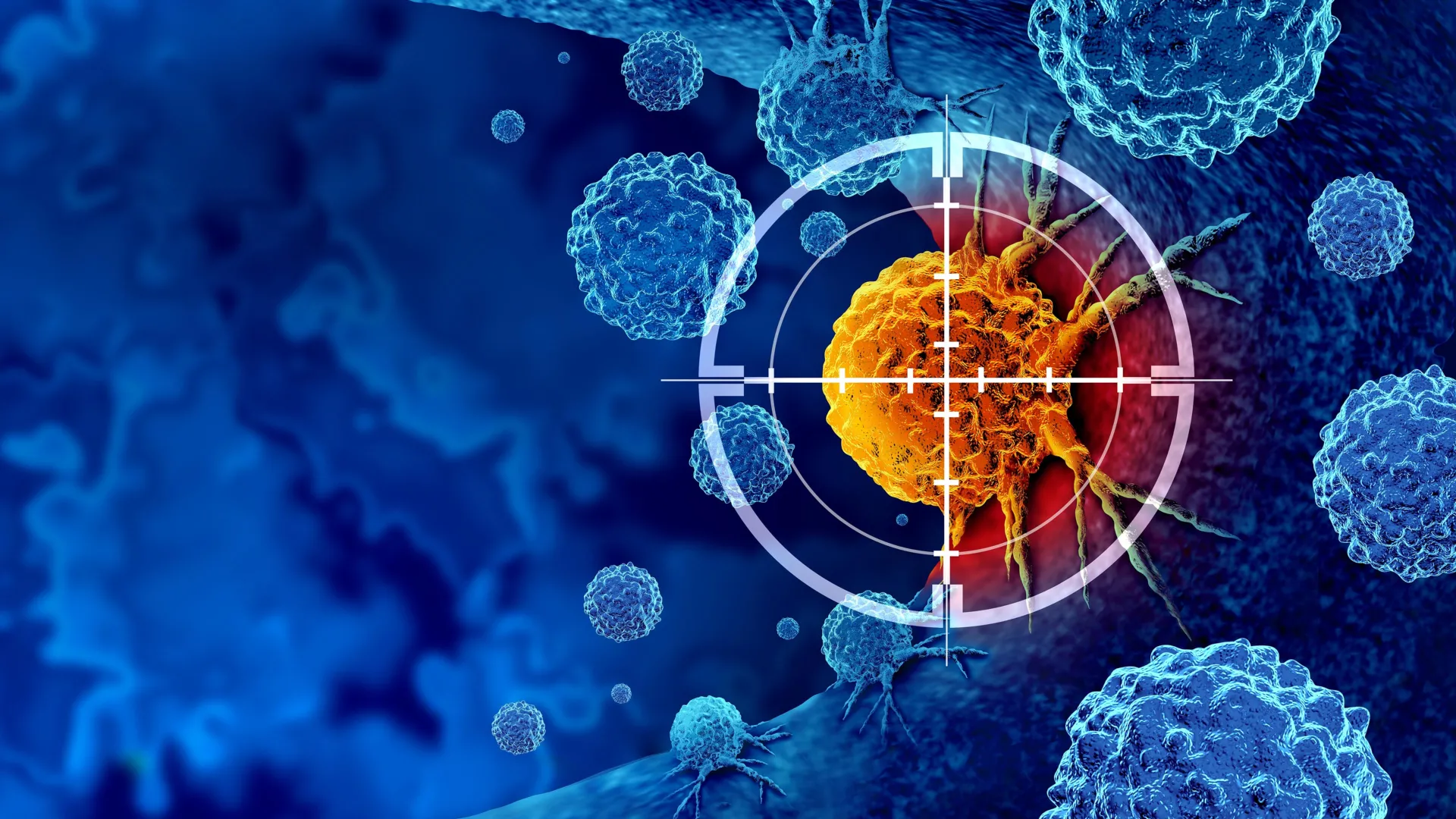
The researchers found that when cancer cells downregulate MHC I—a classic survival tactic used to dodge the cytotoxic CD8+ T cells—they experience a physiological shift. This shift renders them susceptible to a specific type of signaling from CD4+ T cells. Essentially, the "helper" T cells, usually relegated to a supportive role, transform into lethal executors. They induce ferroptosis in the MHC I-deficient cancer cells, creating a biological "trap."
This discovery provides a scientific explanation for why some patients who do not respond to traditional immunotherapies might still show signs of immune-mediated tumor regression. It suggests that the immune system is redundant; if one door is locked, it has the capacity to kick down another.
Implications for Bone Marrow Transplantation
The reach of this research extends far beyond oncology. One of the most significant complications in bone marrow transplantation is graft-versus-host disease (GVHD), where the donor’s immune cells attack the recipient’s healthy tissues.
The research team observed that the same ferroptosis pathway triggered in cancer cells was also present in models of GVHD. If CD4+ T cells are indeed the primary drivers of this iron-dependent tissue damage, it opens up a radical new path for treatment. By targeting the pathways that lead to ferroptosis, clinicians might be able to prevent the devastating side effects of transplant rejection without suppressing the patient’s entire immune system.
Official Responses and Expert Perspective
"Our work, if further validated, will have implications for T cell-mediated immune responses beyond cancer and transplant immunology," said Dr. Pavan Reddy. "This may allow for the development of novel strategies that target MHC class I and CD4+ T cells to leverage the beneficial side of immunity or mitigate unwanted immune responses."
The collaborative nature of the study, involving experts in both pathology and oncology, has been praised by the broader scientific community as a model for interdisciplinary research. By bridging the gap between molecular biology and clinical outcomes, the team has provided a blueprint for how to decode the complex "dialogue" between tumor cells and the immune system.
Future Horizons: Toward "Rational" Immunotherapy
The implications for clinical practice are profound. Currently, many immunotherapies focus on "releasing the brakes" on the immune system to help CD8+ T cells do their job. However, if a tumor has lost its MHC I molecules, it is inherently resistant to these drugs.
This study suggests a pivot: instead of trying to force a CD8+ response in tumors that are fundamentally resistant to it, doctors could instead "prime" the tumor for a CD4+ T cell attack. This could lead to:
- Combination Therapies: Drugs that induce ferroptosis in tandem with existing checkpoint inhibitors.
- Diagnostic Biomarkers: Testing patient biopsies for MHC I levels to predict whether they will respond better to CD8-targeted or CD4-targeted therapies.
- Refined Transplants: New prophylactic treatments for bone marrow transplant patients that specifically inhibit the ferroptosis pathway to reduce GVHD severity.
A New Era of Immunology
The traditional view of the immune system as a set of rigid, siloed pathways is rapidly dissolving. This research serves as a stark reminder that in the microscopic theater of the human body, the "rules" of biology are often just our current interpretations of a far more flexible system.
By proving that cancer’s primary evasion tactic—the downregulation of MHC I—is actually a vulnerability waiting to be exploited, Dr. Reddy and his colleagues have provided a new target for the next generation of cancer treatments. As clinical trials inevitably follow this discovery, the hope is that these "helper" cells, once overlooked, will become the new frontline defenders in the fight against malignant disease.
Contributors and Affiliations:
- Lead Researchers: Dr. Pavan Reddy (BCM), Dr. Arul Chinnaiyan (University of Michigan), Dr. Marcin Cieslik (University of Michigan).
- Contributing Authors: Emma Lauder, Mahnoor Gondal, Meng-Chih Wu, Akira Yamamoto, Laure Maneix, Dongchang Zhao, and Yaping Sun.
- Institutions: Baylor College of Medicine, University of Michigan Rogel Cancer Center, and the Howard Hughes Medical Institute.
- Funding: Supported by the National Institutes of Health (grants P01CA039542, P01HL149633, R01HL152605, R01CA217156, R01AI165563, CA125123, OD036336, and OD038251) and the Cancer Prevention and Research Institute of Texas (grants RR220033 and RP240432).