






As the global population ages, the challenge of maintaining robust public health has shifted toward understanding the complex biological decline of our primary defense mechanism: the immune system. A groundbreaking pilot study, recently published in the journal Aging Cell, has shed light on a promising, naturally occurring compound that may hold the key to restoring immune vigor in older adults. The compound, known as spermidine, has demonstrated the potential to counteract the biological signs of aging within immune cells, offering a glimmer of hope for enhancing the effectiveness of vaccines in a demographic often left vulnerable by the process of immunosenescence.
The Challenge of Immunosenescence
The immune system is a masterwork of biological engineering, yet it is not immune to the passage of time. As humans age, the efficiency of this system begins a gradual, often silent, decline—a phenomenon formally termed "immunosenescence." This decline manifests in several ways: the bone marrow produces fewer naive T cells, the "memory" of past infections fades, and the inflammatory response becomes dysregulated.
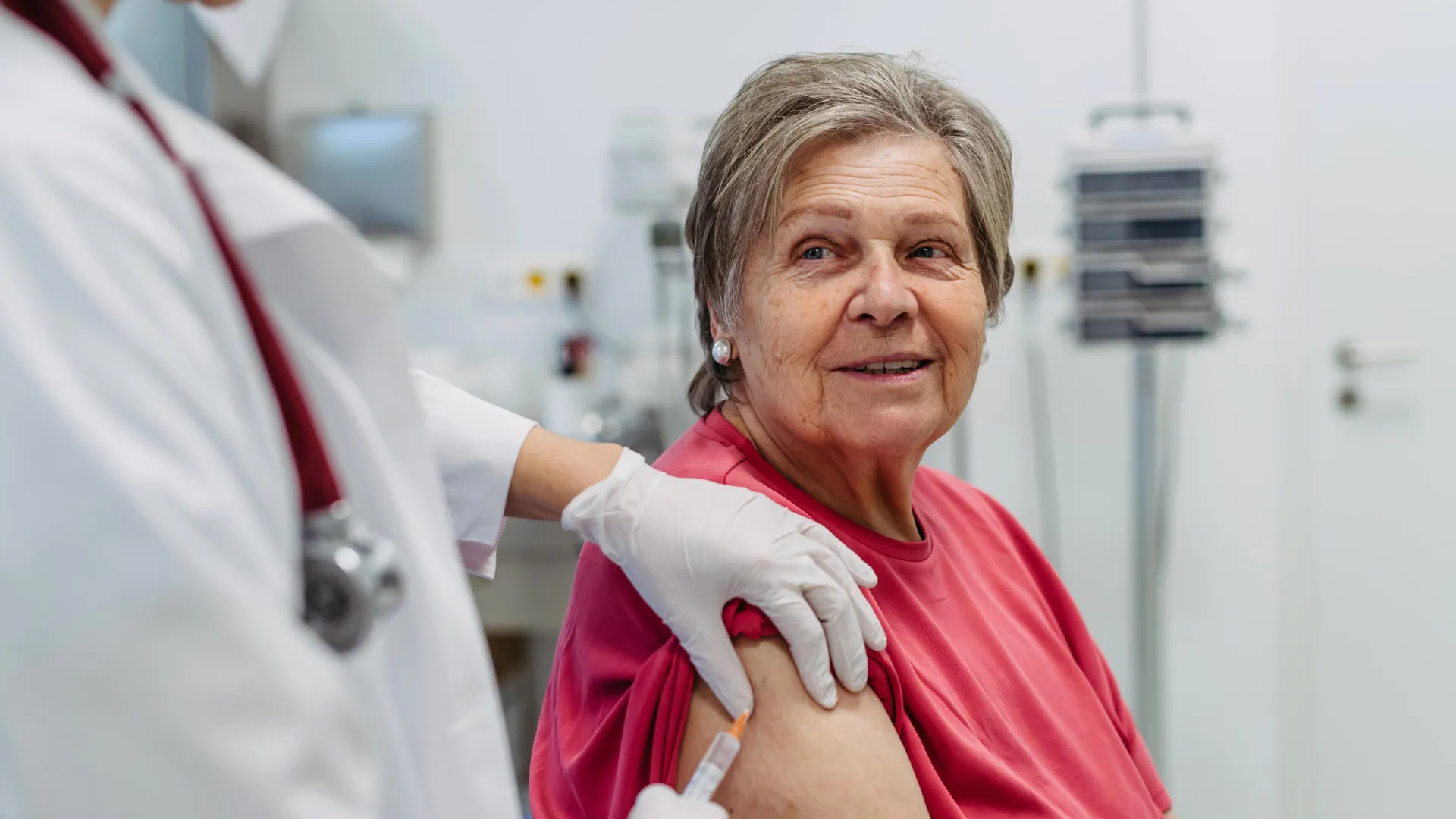
For older adults, this physiological aging presents a critical hurdle in the face of modern medicine. While vaccines are the most effective tool we have for preventing severe illness, their success relies entirely on the host’s ability to mount an immune response. When the immune system is "aged," the production of protective antibodies and T cells in response to immunization is often diminished. This was painfully evident during the COVID-19 pandemic, where, despite widespread vaccination efforts, many older individuals failed to develop the robust protection seen in younger cohorts. This vulnerability extends beyond SARS-CoV-2; similar trends are observed annually with the influenza vaccine, leaving millions of seniors at risk for preventable hospitalizations and complications.
A Breakthrough Investigation: The Spermidine Study
To address this disparity, an interdisciplinary team of researchers—led by Dr. Katja Simon of the Max Delbrück Center and Dr. Ghada Alsaleh of the University of Oxford’s Nuffield Department of Orthopaedics, Rheumatology & Musculoskeletal Sciences (NDORMS)—embarked on a rigorous pilot study to see if a simple nutritional intervention could reverse these cellular trends.
The study, which also featured collaboration from the prestigious Oxford Vaccine Group and Cardiff University, focused on the potential of spermidine. Spermidine is a polyamine—a molecule involved in various cellular processes—found naturally in human cells. It is also present in common dietary sources, including wheat germ, mushrooms, aged cheeses like parmesan and cheddar, and various legumes.
The researchers hypothesized that by supplementing the diet with this compound, they could reactivate cellular maintenance mechanisms that typically wane with age, thereby "rejuvenating" the immune cells’ ability to respond to external stimuli, such as a vaccine.
Chronology of the Research
The study was structured as a controlled, double-blind pilot trial involving 40 healthy volunteers aged 65 and older. The timeline of the research followed a precise clinical path:
- Participant Enrollment and Baseline Assessment: Researchers recruited 40 participants, all of whom were over the age of 65. The team established a baseline for each participant’s immune health, measuring markers of cellular aging and previous immune history.
- The Intervention Phase: Following their third COVID-19 vaccination, participants were divided into two groups. One group received a daily oral supplement of six milligrams of spermidine, while the control group received an identical-looking placebo. This regimen continued for 13 weeks.
- Monitoring and Data Collection: Throughout the 13-week duration, the research team monitored participants for safety and tolerability. Importantly, they tracked immune markers, specifically focusing on antibody levels and the biological signatures of T cells.
- Analysis and Evaluation: At the conclusion of the 13-week period, the researchers performed a comprehensive comparative analysis between the spermidine group and the placebo group to evaluate changes in vaccine-specific immunity and indicators of cellular senescence.
Supporting Data: Mechanisms of Action
The results of the study provided a fascinating window into how our cells manage the aging process. The data revealed that about one-quarter of the study’s participants were "vaccine nonresponders"—individuals who, despite having received three doses of a COVID-19 vaccine, showed significantly lower antibody levels than their peers.
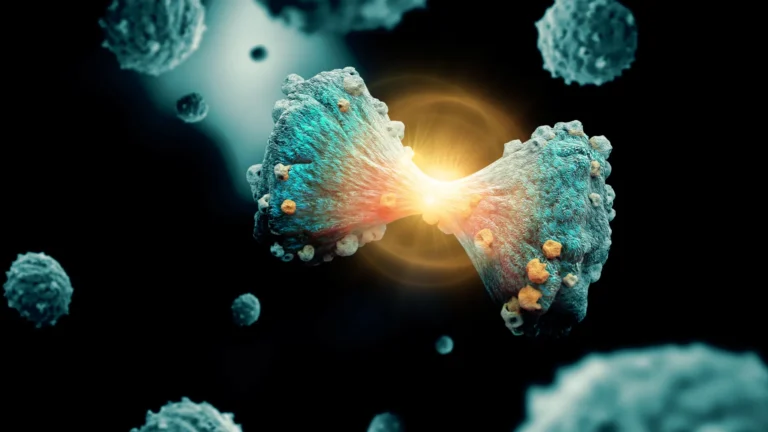
When analyzing the cells of these nonresponders, the researchers found clear molecular evidence of biological aging. These cells exhibited high levels of DNA damage and were rich in markers of "cellular senescence." In a senescent state, cells stop dividing and functioning properly but, rather than being cleared away by the body, they persist and secrete inflammatory factors that damage surrounding healthy tissue.
The data indicated that spermidine supplementation acted on two critical fronts:
- Reduced Senescence: The compound appeared to lower the markers associated with cellular senescence, effectively helping the immune cells return to a more functional, "youthful" state.
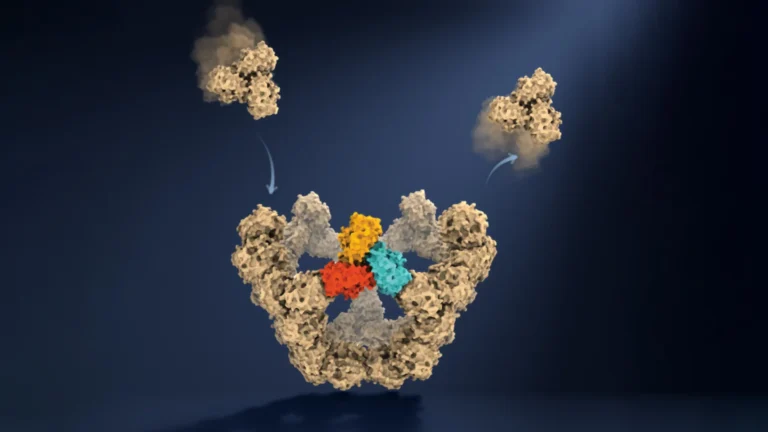
- Enhanced Autophagy: Perhaps the most significant finding was the stimulation of autophagy. Autophagy is the body’s internal "recycling program." It allows cells to digest and remove damaged proteins and organelles, preventing the accumulation of "cellular junk." By boosting autophagy, spermidine allowed immune cells to clean house, clearing out the debris that prevents them from recognizing and responding to pathogens.
Among those who received the spermidine supplement, the improvements were marked. Not only did they produce higher concentrations of anti-SARS-CoV-2 antibodies, but their immune systems also showed a greater ability to neutralize multiple viral variants.
Official Responses and Perspectives
The research team has maintained a cautious but optimistic tone regarding these results. Dr. Ghada Alsaleh highlighted the significance of the findings for the aging population: "Many older adults respond well to vaccines, but some do not develop strong protection, even after repeated vaccination. Biological aging of immune cells may be one reason why this happens. Our findings suggest that spermidine could help restore aspects of immune function in this group."
Dr. Katja Simon, echoing these sentiments, emphasized that while the data is compelling, it remains a pilot study. "This study was designed as a pilot trial and involved a relatively small number of participants," Simon noted. "Larger studies will be needed to determine whether spermidine can consistently improve vaccine responses and whether similar effects are seen with other vaccines, such as those used against seasonal influenza."
The involvement of the Oxford Vaccine Group—including experts like Drs. Paul Klenerman, Teresa Lambe, and Lucy Jones—adds a layer of clinical rigor to the project, suggesting that the medical community is treating these findings with serious, measured interest.
Implications for Public Health
The potential implications of this research are profound. If a safe, inexpensive, and readily available supplement like spermidine can be used as an "adjuvant" or a pre-vaccination primer, the public health benefits would be substantial.
- Closing the Protection Gap: If the results are replicated in larger trials, it could allow healthcare providers to identify individuals at risk of "non-response" and offer a targeted nutritional intervention to ensure they gain the same protection as younger individuals.
- Reducing Healthcare Costs: By improving the efficacy of vaccines, we may see a significant reduction in the number of older adults requiring hospitalization for vaccine-preventable diseases.
- Broadening the Scope: While the current study focused on COVID-19, the mechanisms of immunosenescence are universal. If spermidine improves response to one vaccine, it may be equally effective for shingles, pneumococcal, and influenza vaccines, which are critical for the elderly.
- Safety Profile: A major takeaway from this study was the safety of the compound. Throughout the 13-week trial, no adverse effects were reported, suggesting that, for most people, spermidine is a well-tolerated intervention.
The Path Forward: The Need for Larger Trials
Despite the promising data, the scientific community is clear: one pilot study of 40 people does not equate to a clinical mandate. The current findings serve as a proof-of-concept. To move toward public health guidelines or medical recommendations, larger, multi-center trials are required. These future studies will need to investigate:
- Dosage Optimization: Is 6mg the ideal dose for everyone, or does it vary by age, weight, or baseline health?
- Long-term Effects: Does the benefit of spermidine persist if the supplement is discontinued, or does it require ongoing intake?
- Diversity of Populations: Does the effect vary based on ethnicity, pre-existing health conditions, or other nutritional factors?
For now, the research provides a vital clue in the ongoing quest to slow the aging of the immune system. As we continue to navigate a world where vaccines are our primary line of defense, the ability to "tune up" our immune response through nutrition is a strategy that deserves rigorous attention. Spermidine may not be a fountain of youth, but it appears to be a powerful tool in ensuring that our immune systems remain as capable and resilient as possible, regardless of our age.