Introduction: A Pivotal Moment for Global Lung Health
Last week, the international community converged in Geneva, Switzerland, for the 79th World Health Assembly (WHA79). As the supreme decision-making body of the World Health Organization (WHO), the assembly serves as the primary forum where member states, health ministers, and global stakeholders determine the trajectory of international health policy.
For the millions of people living with chronic respiratory conditions—such as asthma, chronic obstructive pulmonary disease (COPD), and lung cancer—the outcomes of WHA79 are not merely administrative; they are transformative. This year’s assembly placed a renewed emphasis on the integration of lung health into primary care, the critical necessity of clean air, and the imperative of incorporating patient-centered lived experiences into the heart of policymaking. As the world navigates post-pandemic health landscapes, the discussions in Geneva signal a paradigm shift toward more resilient, inclusive, and proactive respiratory healthcare systems.
Main Facts: The Core Pillars of WHA79 Discussions
The WHA79 agenda was expansive, but three core themes emerged as central to the respiratory health community:
- Integrated Lung Health: The push to move away from siloed respiratory services toward an integrated model where lung health is embedded within broader universal health coverage (UHC).
- The Indoor Air Crisis: A growing recognition that the majority of human time is spent indoors, making the quality of air in homes, schools, and workplaces a critical determinant of respiratory outcomes.
- Sustainable Advocacy: The formalization of civil society’s role in influencing how healthcare systems are funded and managed, ensuring that the "lived experience" of patients dictates policy priorities.
Chronology: A Week of High-Level Deliberation
The week in Geneva was characterized by a rapid succession of formal plenary sessions and high-impact side events.
- Days 1–2: Setting the Global Agenda: The assembly opened with addresses from WHO leadership, emphasizing the fragility of health systems in the face of climate change and shifting global demographics.
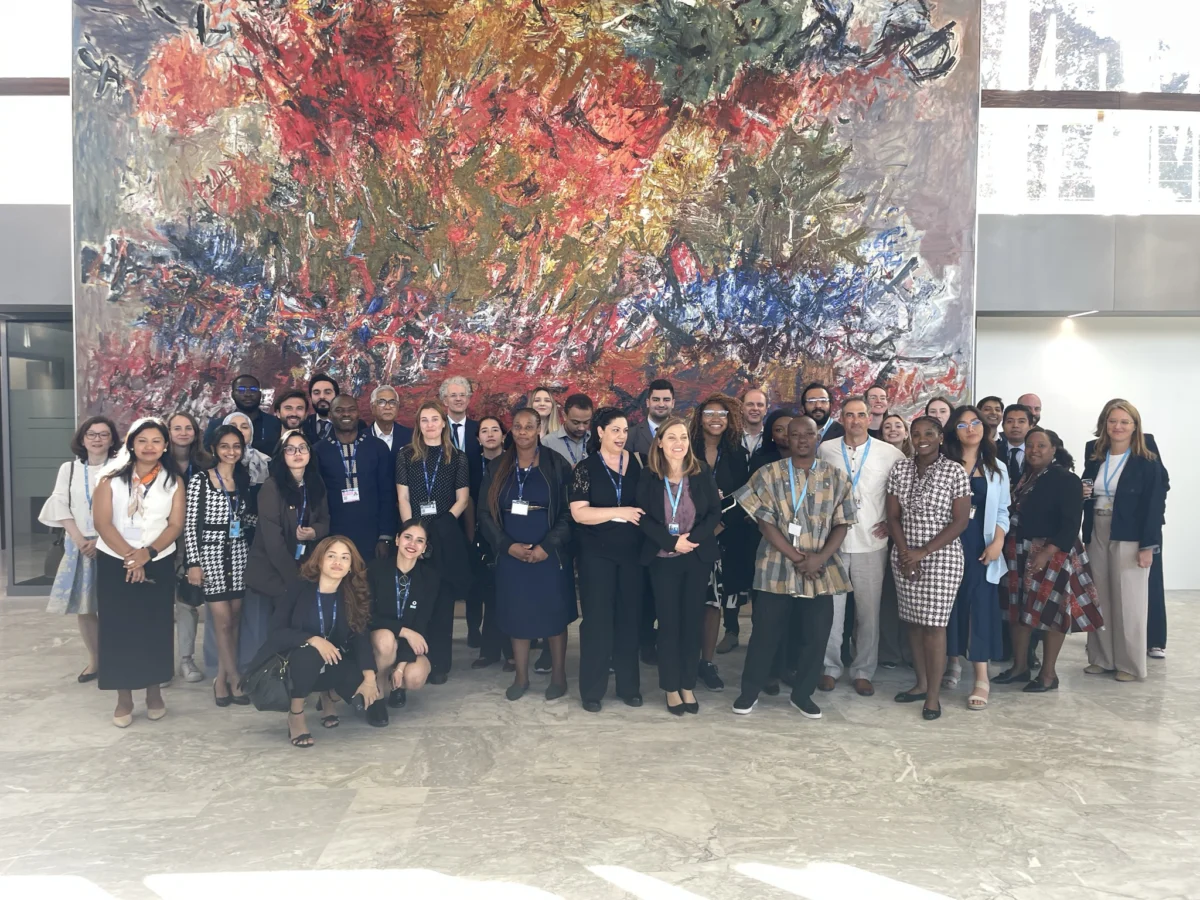
- Day 3: The Integrated Lung Health Forum: A pivotal side event, "From Global Commitments to Integrated Lung Health Action," was hosted by a coalition of international partners, including representatives from Malaysia, Kenya, the Philippines, and Brazil. This session bridged the gap between policy and practice, focusing specifically on early cancer detection and the stabilization of supply chains for essential inhaled medicines.
- Day 4: Addressing the Invisible Threat: Discussions pivoted to environmental health. With mounting data on the health toll of indoor pollution, delegates began drafting the framework for a potential future WHO Resolution on Healthy Indoor Air.
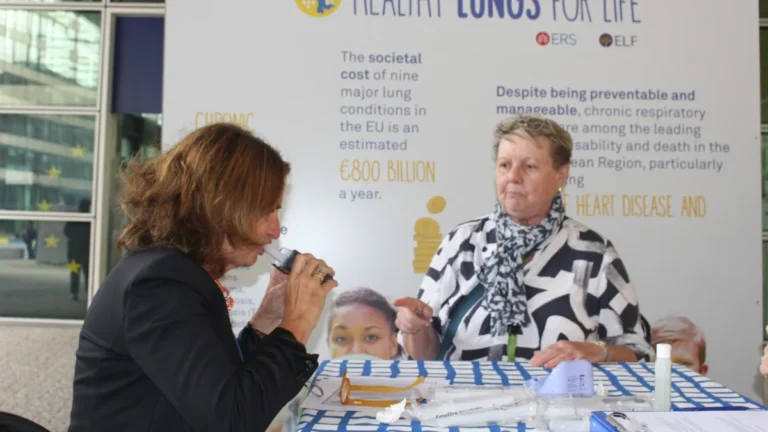
- Day 5: Civil Society Integration: The final stages of the assembly saw active engagement from the WHO Civil Society Commission. Stakeholders, including the European Lung Foundation (ELF), finalized a joint statement on sustainable healthcare funding, demanding that governments protect primary care budgets despite global economic pressures.
Supporting Data: The Urgent Case for Reform
The gravity of the discussions at WHA79 is grounded in sobering statistics that demand immediate policy intervention:
- The Global Burden of Respiratory Disease: Chronic respiratory diseases remain among the leading causes of morbidity and mortality worldwide. COPD and asthma alone affect hundreds of millions, yet a significant percentage of these individuals remain undiagnosed or lack access to basic inhaled therapy.
- The Air Quality Crisis: According to data presented during the assembly, virtually the entire global population is exposed to air quality that fails to meet WHO guidelines. Air pollution is not merely a distant environmental concern; it is a direct driver of premature deaths and a primary trigger for acute exacerbations in those with pre-existing lung conditions.
- Diagnostic Gaps: Early diagnosis remains the "missing link" in lung cancer care. Current data indicates that delayed presentation is a primary driver of poor survival rates, highlighting a critical need for low-cost, accessible diagnostic tools at the community level.
Official Responses and Perspectives
The diversity of the delegation at WHA79 provided a multi-faceted view of the crisis.
The Governmental Perspective
Representatives from Malaysia and Brazil emphasized that for low- and middle-income countries, the challenge is twofold: infrastructure and affordability. The consensus among these member states was that "lung health cannot be an afterthought." By integrating respiratory screening into existing primary care visits—such as during check-ups for diabetes or hypertension—governments can significantly increase diagnostic rates without requiring massive, parallel health infrastructures.
The Role of Civil Society
The WHO Civil Society Commission played an instrumental role in the assembly. By bringing "lived experience" to the table, advocates ensured that discussions did not remain purely academic. As representatives noted, a policy that looks perfect on paper often fails if it does not account for the realities of the patient—such as the distance to a pharmacy, the cost of an inhaler, or the lack of awareness regarding early warning symptoms.
The joint statement supported by the ELF and other civil society groups explicitly called for:
- Primary Care Prioritization: Protecting community-based services from austerity-driven budget cuts.
- Inclusive Planning: Giving patient organizations a formal seat at the table during national budget negotiations for health.
Implications: What Comes Next?
The outcomes of WHA79 will ripple through national health policies for years to come. The implications are three-fold:
1. Strengthening the Lung Health Resolution
The assembly reaffirmed the importance of the WHO Lung Health Resolution. For individual member states, this serves as a mandate to audit their current respiratory services. Countries will be expected to report on their progress in integrating lung health into their national health systems, providing a mechanism for accountability that has previously been absent.
2. The Move Toward Healthy Indoor Air
The potential for a new WHO Resolution on Healthy Indoor Air represents a major shift in public health focus. If adopted in future assemblies, this could lead to new international standards for building ventilation, the regulation of household fuels, and the mandatory monitoring of air quality in public schools and workplaces. This would represent one of the most significant environmental health interventions of the decade.
3. A New Standard for Patient Engagement
The success of the Civil Society Commission at WHA79 sets a precedent. Future WHO meetings will likely see an increase in the formal integration of patient advocates. This ensures that global health governance moves closer to a truly "patient-centered" model, where the success of a policy is measured by the quality of life of the individual rather than just aggregate institutional data.
Conclusion: Bridging the Gap Between Policy and Reality
The 79th World Health Assembly was a testament to the fact that while the challenges facing those with lung conditions are immense, the political will to address them is growing. By tackling the root causes of disease—such as poor air quality—and by streamlining the path to diagnosis and treatment, the global community is taking essential steps toward reducing the burden of respiratory disease.
As the international community moves forward, the focus must remain on implementation. Policies agreed upon in Geneva must be translated into tangible changes in clinics, hospitals, and homes. Organizations like the European Lung Foundation will continue to act as the bridge, ensuring that the voices of those living with these conditions remain at the forefront of the global conversation. The work done at WHA79 provides the framework, but the true measure of success will be found in the improved health, longevity, and quality of life for millions of people worldwide.
For more information on the outcomes of the 79th World Health Assembly, visit the official WHO Governance portal.