






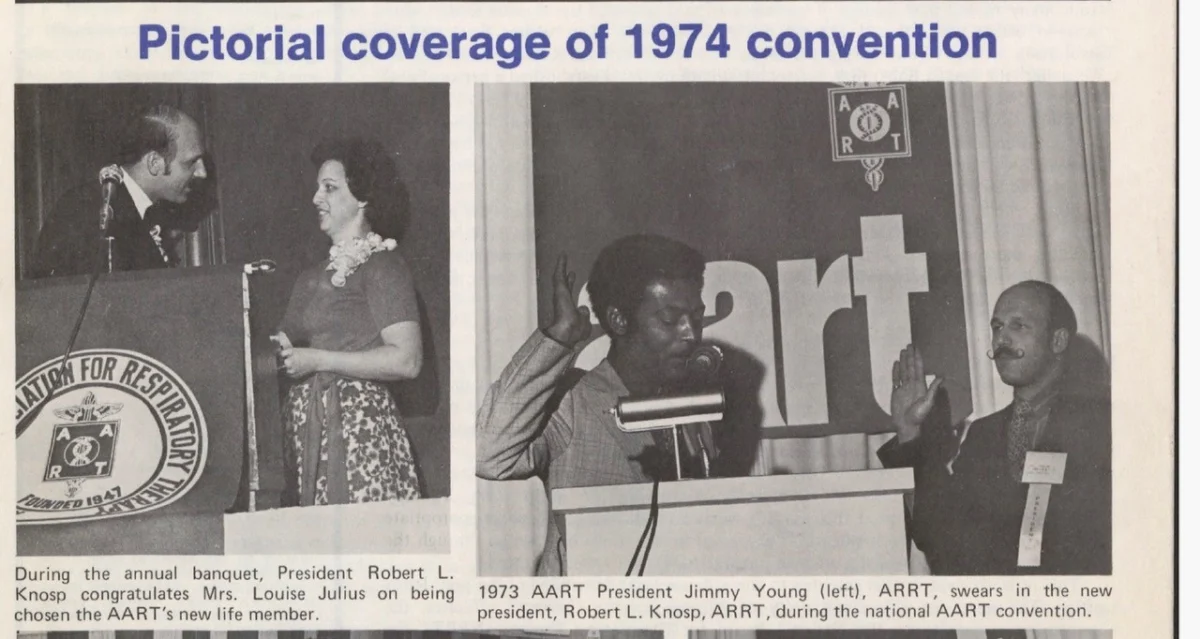
The Jimmy A. Young Award stands as the pinnacle of achievement within the American Association for Respiratory Care (AARC). Named in honor of the late AARC president—a visionary whose life was defined by his unwavering commitment to the profession—the award is not merely a recognition of clinical skill, but a tribute to individuals who have reshaped the landscape of respiratory care through sustained, life-altering contributions.
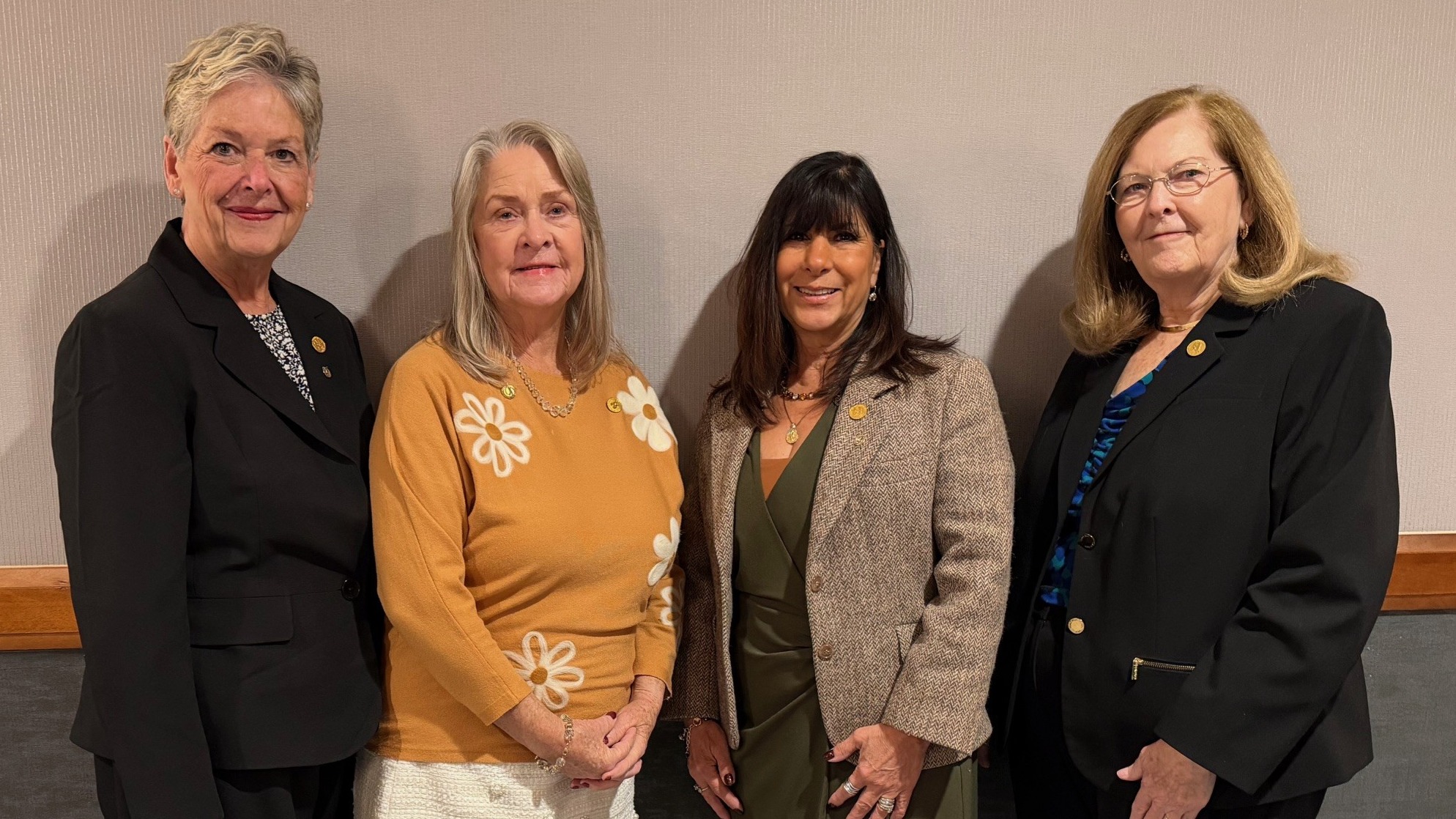
In a landmark retrospective feature, Lisa Weisenberger, AARC Director of Content and Communications, facilitated a profound dialogue with four of the five women who have been bestowed this honor: Dianne Lewis, MS, RRT, FAARC (2025); Trudy Watson, BS, RRT, FAARC (2018); Margaret Traband, MEd, RRT, FAARC (2011); and Teresa Volsko, MBA, MHHS, LSSBB, RRT, FAARC (2020). (The fifth recipient, Louise Julius, earned the award alongside her husband, John, in 1988.)
This conversation serves as both a historical record and a roadmap for the future, exploring the evolution of respiratory therapy, the dismantling of institutional barriers, and the enduring power of female leadership in high-stakes medicine.
The Genesis of Greatness: A Legacy of Service
For the recipients of the Jimmy A. Young Award, the journey toward national recognition was never motivated by the prospect of a trophy. Instead, it was fueled by a grassroots commitment to service and a desire to elevate the standard of care for patients.
Dianne Lewis: Standardizing the Science
Dianne Lewis, the most recent recipient, traces her influence back to the trenches of the House of Delegates and the seminal work of the Clinical Practice Guidelines Steering Committee. Her contribution to the profession was foundational: she led the team that authored and published the association’s first-ever clinical practice guideline. This was a watershed moment for respiratory care, transitioning the field from fragmented practices toward a unified, evidence-based standard that continues to protect and heal patients nationwide today.
Margaret Traband: The Local Catalyst
Margaret Traband, who entered the AARC in 1972, reminds the modern practitioner that global impact often begins in one’s own backyard. Her philosophy is one of quiet, persistent labor. "We began with our state societies," Traband explains. "You don’t do it looking for what else you need to check off a list to get an award. You’re just moving ahead where you think you can do the most good." Her career stands as a testament to the idea that leadership is found in the work itself, not in the accolades that follow.
Chronology of Change: Breaking the Glass Ceiling
The history of the Jimmy A. Young Award mirrors the history of the profession itself—a trajectory marked by a slow but steady transition toward gender parity in leadership. While women have long served as the backbone of the respiratory therapy workforce, their ascent to the upper echelons of professional governance was fraught with historical obstacles.
The Shift in Mentorship
Teresa Volsko provided a striking contrast between the landscape of the 1970s and the current era. Recalling the early days of her career, Volsko noted that leadership was once a zero-sum game. "In 1979, if you were invited to the table, you didn’t dare bring another woman up with you because there were only one or two seats," she reflected.
This scarcity mindset created a competitive, often exclusionary environment. However, the women of this cohort have been instrumental in rewriting that narrative. By actively creating space for others, they have successfully pivoted the culture from one of competitive survival to one of collaborative elevation. Today, the focus is on "lifting as we climb," ensuring that the next generation of female RTs finds the door held open for them.
Supporting Data: The Changing Workforce
The evolution of respiratory care is supported by significant demographic shifts. As the profession has grown, so too has the representation of women in leadership roles. While historical data once showed a stark imbalance, the current era reflects a more inclusive landscape.
However, growth brings its own set of data-driven challenges. Trudy Watson highlighted the "recruitment paradox": while the demand for respiratory therapists is projected to grow significantly over the next decade due to an aging population and increased chronic respiratory illness, the profession faces a tightening pipeline. The primary challenge, according to Watson, is not just attracting talent, but finding the students to fill the seats in classrooms, ensuring that the supply of high-quality clinicians matches the surging demand for care.
Official Perspectives: A Roadmap for the Next Generation
During the roundtable, the recipients synthesized decades of experience into three core pillars of professional advice for the next generation of Respiratory Therapists.
1. The Art of Strategic Networking
Trudy Watson emphasized that clinical excellence, while necessary, is not sufficient for those who wish to influence the trajectory of the profession. She advises RTs to become visible, not only within their home institutions but in broader health organizations like the American Lung Association. "Get involved so your name is known and you are trusted," Watson stated. Building trust across multidisciplinary teams is what allows an RT to transition from a technical role to a leadership role.
2. The Requirement of Over-Preparation
Margaret Traband recalled the rigor of the 1970s "Journal Clubs," where therapists were expected to be deeply read in the latest clinical research. This culture of constant learning remains vital. "Being over-prepared is status quo for most of us," Traband noted. In a high-stakes environment where life-and-death decisions are made in seconds, there is no room for being "half-prepared." Knowledge is the therapist’s greatest tool, and it must be maintained with relentless discipline.
3. Leading from the Bedside
Perhaps the most crucial advice came from Teresa Volsko, who cautioned against the common misconception that leadership requires a desk or a C-suite title. "Don’t let the fact that you have the title of a clinical respiratory therapist stop you from doing great things," she urged. "Lead where you are." Whether it is mentoring a student, optimizing a treatment protocol, or advocating for a patient’s comfort, leadership is an action, not a designation.
Implications for the Future: Resilience in a Post-Pandemic World
The profession today faces a dual reality: it is a time of unprecedented opportunity and profound psychological pressure. The post-pandemic landscape has brought the issue of clinician burnout to the forefront, posing a threat to the long-term sustainability of the workforce.
The panel addressed this with both empathy and practical wisdom. Margaret Traband offered a poignant reflection for those struggling with the emotional toll of the job. She noted that as therapists climb the ladder and move away from direct patient interaction, they lose the immediate, tangible reward of seeing a patient breathe easier.
"The further away you get from the bedside, the less positive reinforcement happens," Traband explained. She encouraged clinicians to "steep in the moment"—to consciously reflect at the end of every shift on the lives they have touched and the suffering they have alleviated. This practice of intentional reflection is, in her view, a vital component of professional longevity.
Conclusion: A Testament to Advocacy
The Jimmy A. Young Award is far more than a physical symbol of excellence; it is a manifestation of a lifetime of professional advocacy. As Dianne Lewis, Trudy Watson, Margaret Traband, and Teresa Volsko have demonstrated, the future of respiratory care does not rely solely on new technology or better hardware. It relies on a specific blend of clinical brilliance, the courage to mentor others, and the persistence to demand a seat at the table.
As the profession continues to evolve, these four leaders serve as a beacon. They have shown that while the landscape of medicine is constantly changing, the core tenets of respiratory care—clinical excellence, service to the patient, and the collective advancement of the profession—remain the bedrock upon which all future progress will be built. For the next generation of RTs, the challenge is clear: continue to lead from the bedside, champion the growth of your colleagues, and never underestimate the impact of a career dedicated to the art and science of breathing.