28 July, 2026
In a landmark moment for respiratory medicine, the European Respiratory Society (ERS) successfully concluded its inaugural ERS Cough Conference in London. Held both as an in-person summit and a global digital broadcast, the event marked a decisive shift in the medical community’s approach to one of the most common, yet frequently misunderstood, clinical presentations: chronic cough. With the overarching theme of "chronic cough as a disease," the conference served as a powerful declaration that the condition is no longer merely a symptom to be suppressed, but a distinct clinical entity requiring specialized management and research.
The State of the Field: Main Facts and Objectives
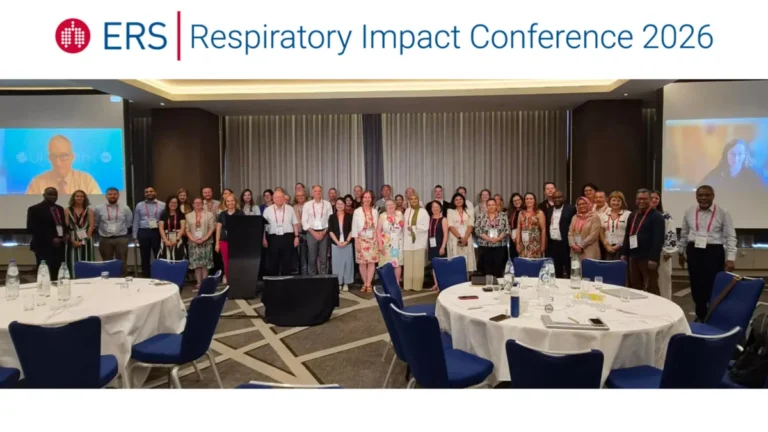
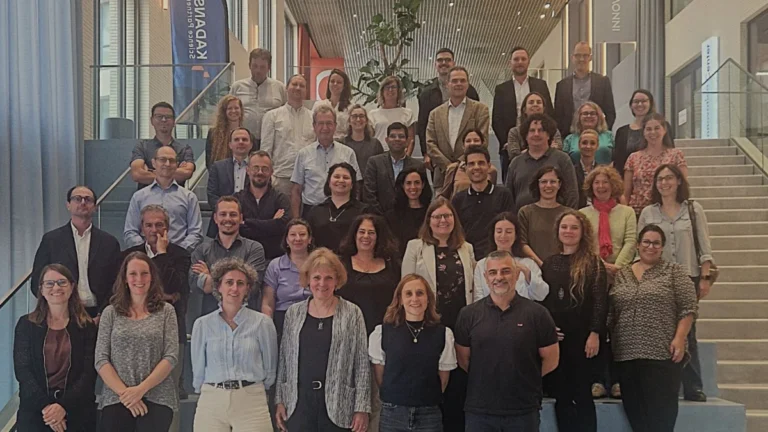
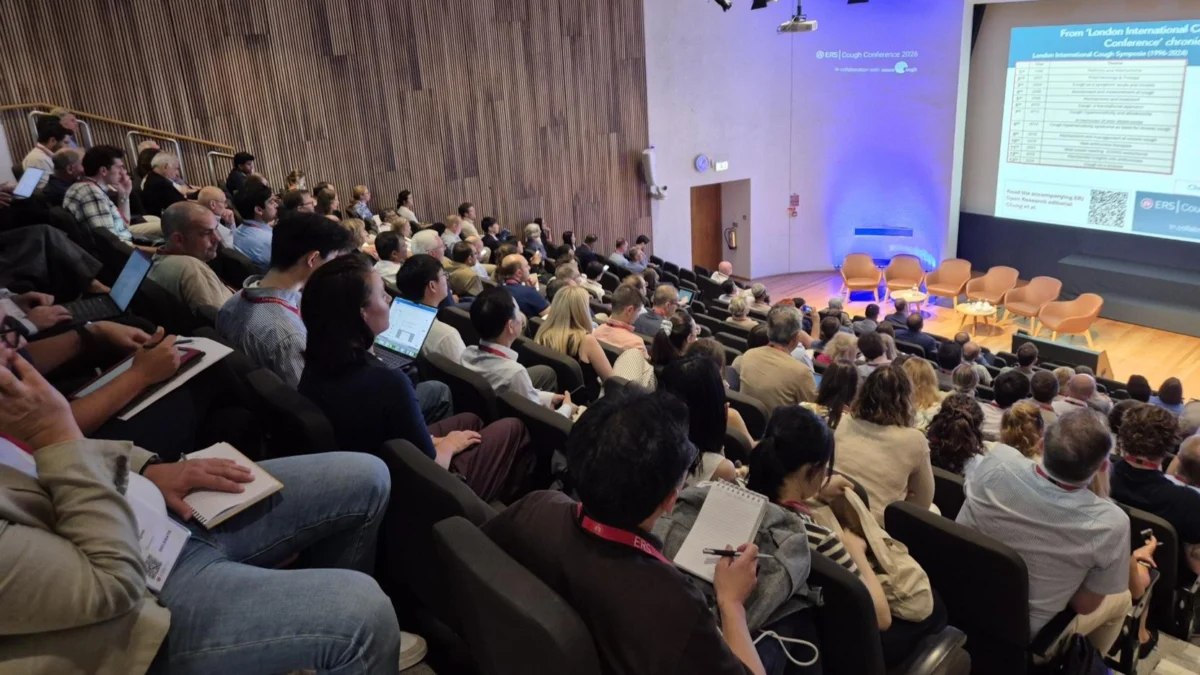
The inaugural conference achieved its primary mission: to reframe the global understanding of chronic cough. For decades, patients suffering from persistent, unexplained coughing have faced diagnostic delays and a lack of targeted therapeutic options. By bringing together over 350 delegates from 59 countries, the ERS established a unified scientific front.
The event’s success was driven by a multidisciplinary agenda that dismantled traditional silos. The delegate pool represented a diverse ecosystem of expertise, including respiratory physicians, clinical scientists, speech and language therapists, pharmacologists, and industry leaders. By facilitating dialogue between these disparate groups, the ERS sought to move beyond symptomatic relief and toward a deeper understanding of the underlying pathophysiological mechanisms of chronic hypersensitive cough.
A Legacy Reimagined: Chronology and Context
The ERS Cough Conference did not emerge in a vacuum. It was designed to carry the torch of the prestigious London International Cough Symposium (LICS), an event with a storied history dating back to 1992, when it was initiated by the late Professor John Widdicombe.
While the LICS was highly regarded for its intimate, collaborative atmosphere, the transition to an ERS-led conference was intended to scale that influence. As Professor Omar Usmani, ERS Science Council Chair and Conference Co-Chair, noted, the goal was to "expand on the event’s reach and incorporate more scientific insights from around the world, while retaining its intimate, close-knit and engaging feel."
The planning for this inaugural event began years in advance, necessitated by the growing body of evidence that chronic cough involves complex neurobiological pathways. Throughout the three-day summit, the schedule was meticulously curated to reflect this complexity:
- Day 1: Focused on the foundational shift, establishing the diagnostic criteria for "chronic cough as a disease" and exploring the latest in basic pathophysiology.
- Day 2: Shifted toward clinical applications, featuring "In partnership with industry" sessions that bridged the gap between academic research and pharmaceutical development.
- Day 3: Emphasized patient-centered outcomes, with a historic integration of patient perspectives, concluding with the inaugural award ceremonies and a roadmap for future research.
Global Participation and Supporting Data
The reach of the conference was truly international. With 200 onsite delegates in London and 150 virtual attendees, the event effectively bridged geographic barriers. The global representation was particularly striking; professionals traveled from as far as Bangladesh, India, China, Australia, and New Zealand to contribute to the discourse.
This international assembly was matched by a record-breaking volume of scientific submissions. The poster sessions—described by attendees as having a distinct "buzz"—provided a platform for researchers to present cutting-edge data on drug therapy, cough hypersensitivity, and the management of associated comorbidities.
The integration of industry partners was another pillar of the event’s success. By incorporating two dedicated "In partnership with industry" sessions, the conference organizers ensured that the translation of research into clinical practice remains a fluid, collaborative process. This fostered an environment where pharmacologists and clinical triallists could engage directly with those at the frontline of patient care, accelerating the timeline for potential therapeutic breakthroughs.
The Human Element: Elevating Patient Perspectives
Perhaps the most significant milestone of the 2026 conference was the formal integration of the patient experience. Historically, medical conferences have focused almost exclusively on data and clinical metrics. In a departure from this norm, the ERS invited patient representatives Ruth Last and Andrew Lothian to play a central role in the scientific discourse.
Their participation ensured that the "lived experience" remained at the heart of the discussion. Whether analyzing the impact of cough on quality of life or discussing the shortcomings of existing management protocols, the inclusion of patient voices provided a sobering reminder of the human cost of chronic cough. This shift ensured that the outcomes being discussed were not just statistically significant, but clinically meaningful to those living with the disease.
Official Responses: Reflections from Leadership
The leadership of the ERS expressed overwhelming satisfaction with the conference’s outcome. Professor Fan Chung, the Conference Chair, spoke with palpable enthusiasm regarding the milestone.
"The ERS Cough Conference was excellent and achieved its objectives—telling the world that chronic cough is a disease, how we got there, and the way forward," Prof. Chung remarked during the closing ceremony. "Chronic cough is ‘coming of age.’ All sessions were well-attended, and the discussion sessions were extremely interactive with great audience participation."
Prof. Chung emphasized that the success was not merely in the attendance numbers, but in the quality of the dialogue. "The contribution of two patient representatives, Ruth and Andrew, was a first for such an event and was exceptional; it meant that patient perspectives and outcomes were often the focus of discussions," he added.
Professor Omar Usmani echoed these sentiments, noting that the event surpassed expectations in every metric. "It’s safe to say that it achieved that and more," Prof. Usmani said. "We wanted to expand on the event’s reach while retaining the close-knit feel that is essential for collaboration. A big thank you to all who contributed and participated. See you in 2028!"
Future Implications: The Path Forward
The implications of this conference for the respiratory field are profound. By formally classifying chronic cough as a disease, the ERS has laid the groundwork for updated clinical guidelines, standardized diagnostic codes, and a renewed impetus for pharmaceutical research.
For the medical community, the message is clear: the era of dismissing chronic cough as a benign nuisance is over. The focus must now shift toward:
- Standardized Diagnostics: Developing universal criteria that allow clinicians to identify and categorize the disease early.
- Multidisciplinary Management: Moving away from single-symptom treatments toward a model that includes speech therapy, specialized pharmacology, and patient-focused psychological support.
- Continued Collaboration: Strengthening the link between industry, academia, and the patient community to ensure that new drugs and therapies reach the clinic more efficiently.
For those who were unable to attend the live sessions, the ERS has ensured the knowledge remains accessible. Registered delegates can access the full breadth of the conference content via the ERS Respiratory Channel for the next three months. Following this period, the material will be integrated into the wider ERS educational library for members, ensuring that the insights gained in London continue to inform practice worldwide.
As the respiratory community looks ahead to the next edition in 2028, the success of this inaugural event stands as a testament to what can be achieved when a community unites behind a common goal. Chronic cough is no longer an invisible burden; it is a recognized clinical priority, and the 2026 ERS Cough Conference has provided the roadmap for the years of innovation to come.
For more information on ERS events, research, or to join the society, visit the ERS website.