





By Editorial Staff
For millions of Americans, chronic pain is not merely a physical sensation; it is a cartographer that maps out the boundaries of daily existence. It dictates the rhythm of sleep, the structure of morning routines, and the extent of social engagement. However, a recent initiative spearheaded by the U.S. Pain Foundation suggests that these self-imposed boundaries—often built for survival—are far more malleable than previously understood.
Michele Rice, a long-time advocate for the chronic pain community, recently stepped into the role of facilitating the U.S. Pain Foundation’s daily peer support group. Her journey from a person living with the daily, rigid constraints of chronic illness to a leader of a vital morning lifeline offers a compelling case study on the intersection of communal support and personal agency.
The Geography of Pain: Defining the Boundaries
Living with chronic pain often necessitates the creation of strict, protective routines. For Rice, the morning hours were the most formidable frontier. "I’m not someone who jumps out of bed ready to start the day," she reflects. "My body is stiff, my pain is loud, and my brain feels slow to wake up."
In the medical community, this is known as "morning stiffness," a hallmark of various inflammatory conditions. Patients often develop "safety rituals"—specific stretches, medication timings, and limited environmental stimuli—to navigate these hours. For many, the prospect of social interaction during this vulnerable window is perceived as an impossibility. Rice admits that had she been asked a year ago if she would lead a morning group, her response would have been an emphatic, "No way."
Chronology of a Commitment
The transition from participant to facilitator was not a calculated career move, but a reaction to an urgent community need.
- The Catalyst: When the U.S. Pain Foundation identified a vacancy in the leadership of their flagship daily peer support group, the stability of a vital community resource was threatened.
- The Decision: Upon learning of the potential void, Rice bypassed the standard "pros and cons" analysis often required by those managing energy levels. Driven by the knowledge that many individuals relied on the group as their primary source of social validation, she committed to the role immediately.
- The Initial Phase: The first few weeks were characterized by significant physical and cognitive friction. Rice had to recalibrate her morning routine, forcing her body into a state of readiness earlier than her condition naturally permitted.
- The Turning Point: By the second month, the "cost" of the role—the fatigue and the pressure of facilitation—was eclipsed by the "return on investment": a sense of belonging and purposeful contribution.
Supporting Data: The Efficacy of Peer Support
The U.S. Pain Foundation’s initiative is backed by a growing body of psychological research suggesting that peer support groups are critical for chronic pain management. According to studies published in the Journal of Pain, individuals who engage in structured peer interaction report lower levels of perceived isolation and higher levels of self-efficacy.
While medical treatments—such as physical therapy, analgesics, and cognitive behavioral therapy (CBT)—address the physiological and cognitive aspects of pain, they often fail to address the "social atrophy" that accompanies long-term illness. The U.S. Pain Foundation’s model addresses this by:
- Normalization: Reducing the stigma associated with the unpredictable nature of pain flares.
- Information Exchange: Sharing practical, patient-centered strategies that may not be covered in standard clinical consultations.
- Emotional Regulation: Providing a safe space to process the grief associated with loss of function.
Official Perspectives: The Value of Community
The U.S. Pain Foundation has long advocated for a holistic approach to pain management. Representatives note that while clinical care is the backbone of treatment, peer support acts as the "connective tissue" that helps patients remain functional in society.
"When patients move from being ‘recipients of care’ to ‘providers of support,’ the power dynamic shifts," says a spokesperson for the Foundation. "Michele Rice’s experience illustrates a phenomenon we call ‘The Helper’s High’ in the context of chronic illness. By focusing on the needs of others, participants often find that their own pain becomes one part of their identity, rather than the entirety of it."
Medical experts emphasize that this does not imply the pain has vanished. Rather, the impact of the pain on the individual’s mental health is mitigated by the knowledge that they are not alone in their suffering.
Implications for the Future of Pain Care
The success of the U.S. Pain Foundation’s morning group has significant implications for how we structure support for those living with invisible disabilities.
Breaking the Cycle of Isolation
Chronic pain is inherently isolating. By scheduling daily meetings, the program creates a "rhythm of accountability." Participants are not required to be "fixed" to join; they are required only to be present. This radical acceptance is a transformative tool in pain management.
The Elasticity of Boundaries
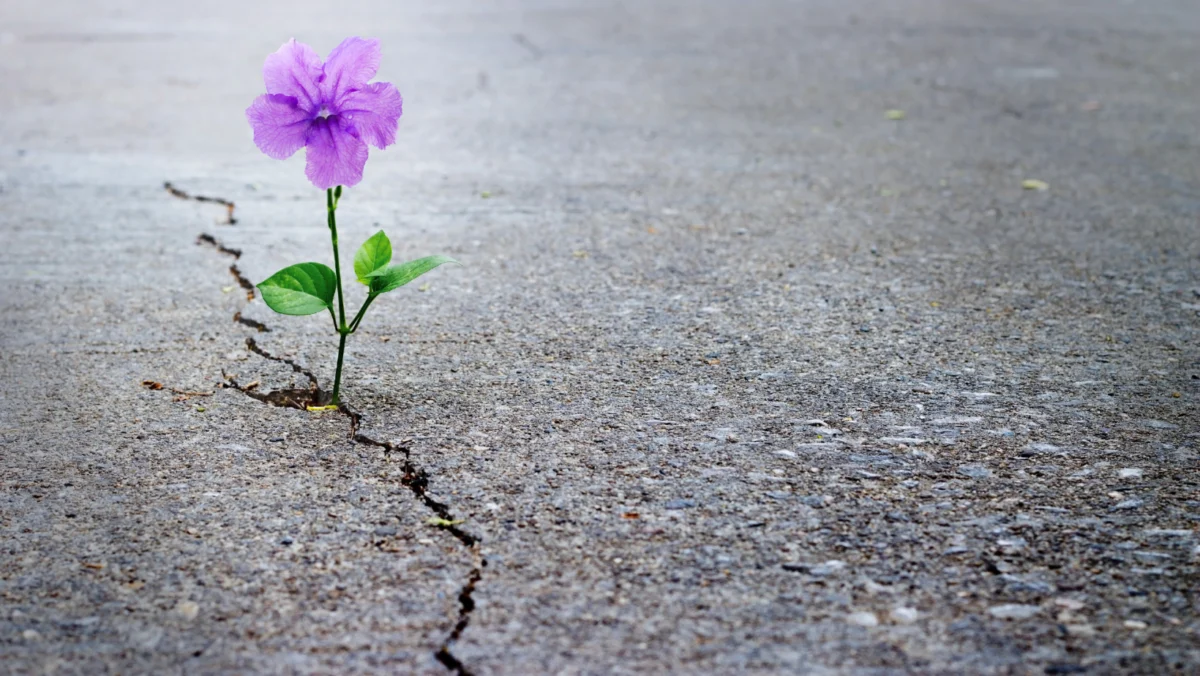
Perhaps the most profound implication of Rice’s story is the realization that many boundaries are not physical, but psychological. By pushing past the "morning barrier," Rice discovered that the human capacity for resilience is often underestimated.
"Sometimes growth doesn’t look like climbing a mountain or running a marathon," Rice notes. "Sometimes growth looks like logging on to a morning support group, turning on your camera, and saying, ‘Good morning, everyone.’"
A Model for Virtual Health
In a post-pandemic world, the infrastructure for virtual peer support has matured. This model is easily scalable and provides an accessible entry point for those who are homebound due to physical mobility issues. As digital health continues to evolve, the focus must shift from strictly clinical tele-health to these vital, human-centric connection points.
Conclusion: Beyond the Lines
The narrative of chronic pain is often written in terms of loss—loss of mobility, loss of career, loss of normalcy. However, the story of this support group offers a counter-narrative: one of reclaimed agency.
For Rice and the hundreds of individuals who cycle through these daily meetings, the goal is not to eliminate the pain, but to expand the space around it. By participating in a community that validates their experience, members are finding the courage to redefine their daily existence.
As we look toward the future of chronic pain care, the lesson is clear: while we may not always be able to control the sensations our bodies send us, we can control how we respond to them. By stepping outside the lines we draw for ourselves, we often find that the world—and our place within it—is much larger than we ever dared to imagine.
The U.S. Pain Foundation continues to accept new members for their daily sessions, proving that in the geography of chronic pain, the most important landmarks are the ones we build together.