By Editorial Staff | Reporting on Chronic Illness and Atmospheric Sensitivity
For millions of people living with chronic, progressive conditions, the weather report is more than a casual glance at the morning forecast—it is a barometer for their physical autonomy. While the general public may view an impending storm as a mere inconvenience, for those managing conditions characterized by inflammation, joint instability, and chronic pain, a drop in atmospheric pressure is a physiological trigger that can dismantle weeks of carefully managed progress.
Ellen Lenox Smith, a chronic illness advocate, recently offered a poignant reflection on the intersection of climate and physical disability. Her testimony highlights a reality that medical science has long observed but that society often overlooks: the body does not exist in a vacuum; it is a sensitive instrument constantly reacting to the environment around it.
Main Facts: The Invisible Toll of Atmospheric Pressure
At the core of the issue is barometric pressure—the weight of the atmosphere pressing down on the Earth’s surface. When a storm approaches, the barometric pressure drops. For individuals with chronic conditions—such as Ehlers-Danlos syndrome, rheumatoid arthritis, or fibromyalgia—this change can have a profound impact.
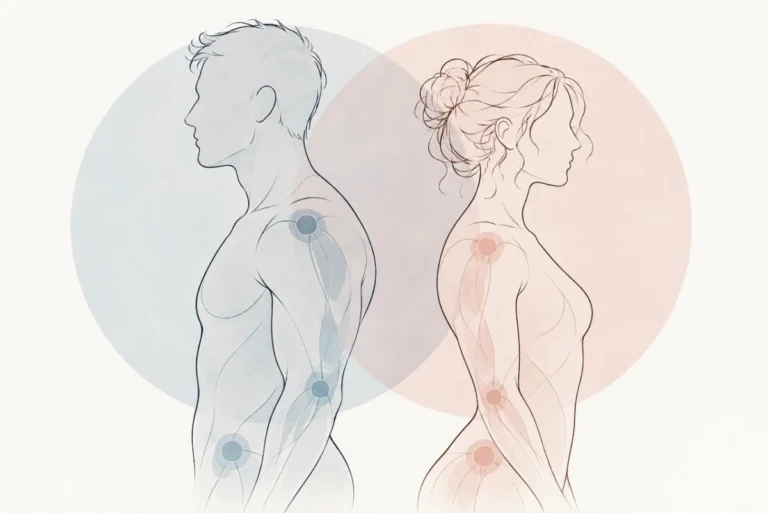
The human body is essentially a pressurized system. When external pressure decreases, soft tissues, tendons, and fluids within the joints can expand. In a healthy body, this goes unnoticed. In a body with compromised connective tissue or chronic inflammation, this expansion places pressure on nerves, exacerbates existing inflammation, and leads to the triad of symptoms Lenox Smith identifies: debilitating headaches, systemic fatigue, and sharp, intrusive pain.
The "handicap" described by those with chronic conditions is often not a static state, but a fluctuating one. It is defined by the inability to rely on one’s body to perform consistent functions when the weather dictates otherwise. This phenomenon, often dismissed as anecdotal, is a well-documented challenge that forces patients to adopt rigid lifestyle modifications just to maintain a baseline of functionality.
Chronology: The Anatomy of a Storm-Induced Flare
To understand the patient experience, one must look at the timeline of a weather event through the lens of a chronic illness sufferer:
- The Pre-Storm Phase (24–48 hours prior): As the barometric pressure begins its descent, the body often reacts preemptively. Patients report a sense of "heaviness" or early-onset fatigue. This is the window where planning begins: checking medication supplies, preparing easily digestible meals, and clearing schedules.
- The Onset (The Front arrives): The drop in pressure hits. Inflammation markers spike. For those with hypermobility, this is the most dangerous time. Joints that are already unstable become prone to subluxation (partial dislocation) or full dislocation. The brain registers a "high alert" state as pain signals increase.
- The Duration (The Storm): Daily tasks become obstacles. A snowy sidewalk is no longer a path; it is a physical barrier that presents a high risk of catastrophic falls. Navigating mud or wind requires more caloric energy than a healthy person uses for a full workout.
- The Recovery: Once the pressure stabilizes, the body enters a recovery phase. The inflammation must be managed, and the physical damage—such as a strained joint—must be rehabilitated. This cycle repeats with every major weather system, creating a rhythm of resilience interrupted by periods of enforced inactivity.
Supporting Data: Why the Body Reacts
Medical research into "meteoropathy"—the study of how weather affects human health—has grown significantly over the last decade. A landmark study published in the journal PAIN analyzed data from over 2,600 participants in the United Kingdom. The study, known as "Cloudy with a Chance of Pain," utilized a smartphone app to track participants’ symptoms in real-time alongside local weather data.
The findings were conclusive: individuals living with chronic pain experienced a significantly higher incidence of pain on days with higher humidity, lower pressure, and higher wind speeds.
Key Clinical Observations:
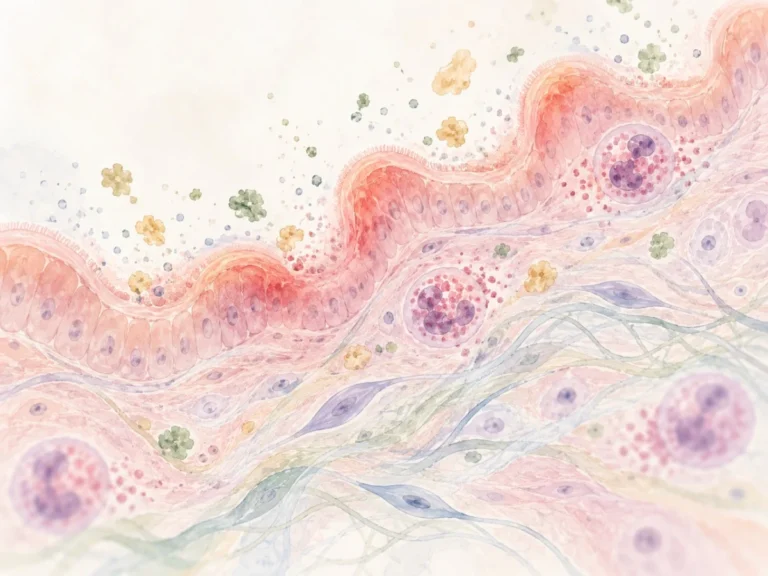
- Joint Capsule Expansion: Decreased pressure allows the synovial fluid in joints to expand, placing pressure on the nerve endings within the joint capsule.
- Connective Tissue Laxity: In conditions like Ehlers-Danlos Syndrome, the collagen is already compromised. Barometric changes can alter the viscosity of the fluid surrounding these tissues, further reducing stability.
- Inflammatory Response: Weather-induced stress on the body can trigger the release of cortisol and other inflammatory cytokines, creating a feedback loop of systemic pain.
Official Responses and Medical Perspectives
Healthcare providers are increasingly acknowledging the role of the environment in patient care. Dr. Aris Thorne, a specialist in pain management, notes, "We often tell patients to ‘manage their triggers,’ but we rarely consider that the atmosphere is a trigger they cannot avoid. The goal of modern treatment is to build enough physiological ‘buffer’ so that the patient can withstand these shifts without a total collapse of function."
The official consensus from organizations like the Arthritis Foundation and various chronic illness support networks is that while we cannot control the weather, we can control the response. Treatment protocols now often include:
- Hydration and Diet: Focusing on anti-inflammatory diets to keep the body’s baseline inflammation low.
- Activity Modification: Using specialized assistive devices during high-risk weather (such as snow or ice) to prevent falls.
- Psychological Resilience: Integrating mindfulness and cognitive-behavioral techniques to manage the mental health toll of being "weather-dependent."
Implications: A Call for a More Accommodating Society
The implications of this reality extend far beyond the individual. There is a broader societal need for better accessibility during extreme weather. For the chronic illness community, a cleared sidewalk is not a luxury; it is a vital necessity. When municipal services fail to clear pathways after a storm, they are effectively barring individuals with physical disabilities from participating in the economy and their communities.
Furthermore, there is an implication for the workplace. As more companies move toward flexible working arrangements, there is an opportunity to formalize "weather-adaptive" remote work policies. Allowing individuals to work from home when a storm makes travel physically dangerous or excessively painful is a low-cost, high-impact accommodation that recognizes the reality of chronic disability.
The Philosophy of Endurance
Ellen Lenox Smith’s message serves as a beacon for those struggling with the loss of control. Her approach—focusing on what can be controlled rather than mourning what cannot—is a powerful psychological tool.
- Eating for stability: Choosing foods that the body can metabolize efficiently to avoid adding systemic stress.
- Movement as medicine: Engaging in low-impact activities like modified swimming or core strengthening to maintain muscle support for joints.
- The Fighter’s Mindset: Reclaiming the narrative. Being disabled is not a failure of character; it is a physical reality that requires a fighter’s spirit to navigate.
Conclusion: Toward a Kinder Future
The relationship between the weather and the human body is a stark reminder of our interconnectedness with the natural world. For those with chronic illnesses, every storm is a testament to their endurance. As we move toward a future that prioritizes accessibility and inclusivity, it is essential that we acknowledge the "invisible" struggles caused by atmospheric pressure and weather-related obstacles.
By fostering environments—both physical and professional—that accommodate these realities, we can help ensure that the "sun peeking out again" is not just a meteorological event, but a promise that everyone has the support they need to thrive, regardless of the forecast.
May we all practice a little more kindness, recognizing that the person walking slowly in the rain or struggling to navigate a snowy path is likely fighting a battle that we cannot see, but that they are managing with immense courage.
For more resources on managing chronic pain and weather sensitivity, visit the Chronic Pain Research Alliance or consult with your primary healthcare provider regarding individualized inflammatory management plans.