BERLIN — In a sobering assessment of the climate’s evolving threat to human life, the World Health Organization’s (WHO) Europe office revealed on Thursday that more than 200,000 people across the continent have perished from heat-related causes over the last four years. Officials emphasized that the vast majority of these fatalities were not inevitable tragedies, but preventable outcomes of a society failing to adapt to a rapidly warming planet.
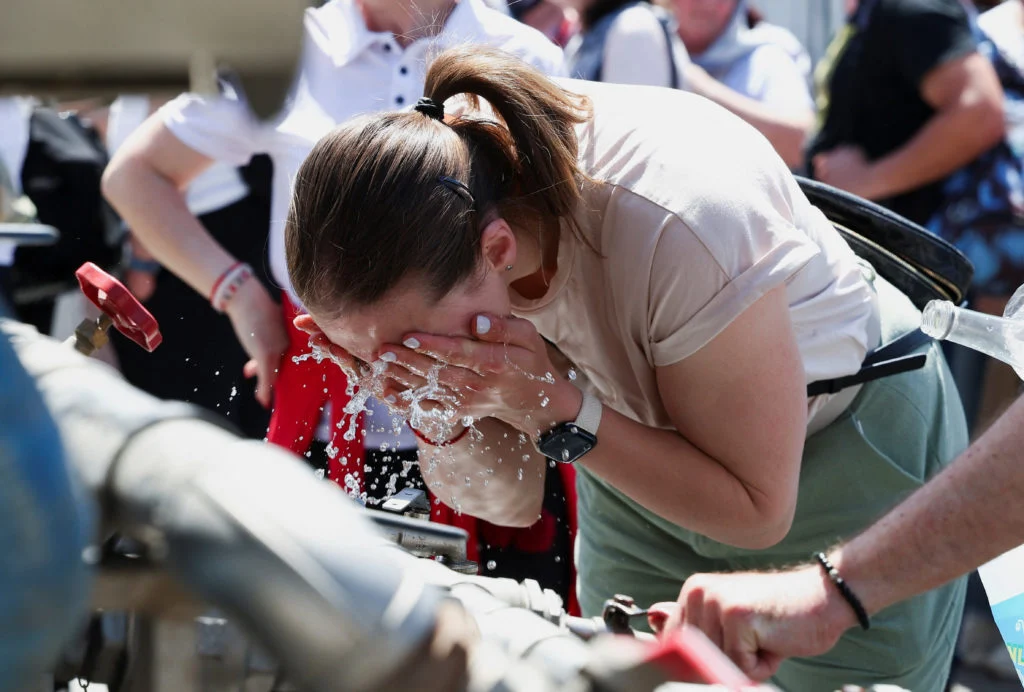
As temperatures across Europe continue to breach historical averages, the conversation around summer weather has shifted from concerns about "inconvenience" to a matter of acute public health emergency. With the dual pressures of anthropogenic climate change and the emergence of a powerful El Niño cycle, health experts are sounding the alarm: the time for incremental change has passed, and a systemic overhaul of infrastructure and labor policy is now a matter of survival.
Main Facts: A New Reality of Extreme Heat
The data released by the WHO serves as a definitive marker of the "new normal." Heatwaves, once considered rare meteorological anomalies, have transitioned into recurring, lethal crises. These events do more than simply raise the mercury; they act as a "threat multiplier" that fractures the integrity of critical health systems and essential infrastructure.
The core of the issue lies in the body’s inability to regulate its internal temperature when exposed to sustained, extreme heat. The WHO defines the primary risks as heat exhaustion—a precursor characterized by heavy sweating and a rapid pulse—and heat stroke, a life-threatening medical emergency where the body’s cooling mechanisms fail entirely, often leading to organ damage or death.
Public health officials are now emphasizing that "heat-related" death is an umbrella term encompassing respiratory failure, cardiovascular collapse, and kidney distress—conditions exacerbated by the physiological stress of prolonged exposure to high ambient temperatures.
Chronology: From Anomalies to Recurring Crisis
The progression of the heat crisis in Europe has been marked by a series of escalating records and shifts in atmospheric behavior:
- 2022-2023: Europe experienced back-to-back summers of unprecedented heat, with temperature spikes in Southern and Central Europe causing significant strain on emergency services.
- May 2026: As the continent transitioned into the early summer, localized heat events in the Balkans signaled an early start to the season, with temperatures in cities like Belgrade hitting dangerous thresholds as early as May 27.
- June 11, 2026: The WHO Europe office released its comprehensive report, formally identifying the 200,000 death toll accumulated since 2022.
- June 11, 2026 (Concurrent): Meteorological agencies confirmed that El Niño has officially formed in the Pacific. Scientists warn that this natural warming cycle will likely turbocharge global temperatures, potentially pushing the upcoming summer months into uncharted, dangerous territory.
The convergence of these events suggests that the summer of 2026 could be one of the most challenging in modern history, as the "double whammy" of climate change and El Niño creates a feedback loop of extreme weather.
Supporting Data: Why Vulnerability is Unequally Distributed
While heat is a universal risk, the data underscores a painful reality: the burden of mortality is not shared equally. Socioeconomic factors play a decisive role in who survives the summer.
The Housing Divide
Urban and rural poor populations are disproportionately affected by extreme heat. Low-quality housing, often lacking adequate insulation or cross-ventilation, acts as a heat trap. In cities, the "urban heat island" effect—caused by the concentration of asphalt and concrete that absorbs and radiates heat—can result in nighttime temperatures that are significantly higher than in surrounding rural areas, denying the body the critical "cool down" period it requires to recover.
Demographic Vulnerability
The elderly (those 65 and older) remain the most vulnerable demographic. Reduced thirst perception, pre-existing chronic conditions—such as heart, lung, or kidney disease—and social isolation often prevent timely intervention. Additionally, the WHO notes that outdoor and manual laborers face a heightened risk, particularly in industries where management does not allow for flexible scheduling to avoid the "peak sun" hours.
Official Responses: Toward a "Zero Heat-Death" Ambition
Dr. Hans Kluge, director of the WHO’s Europe office, issued a stark challenge to member states: "Our goal is clear and our ambition is bold: zero heat-related deaths."
To achieve this, the WHO is calling for the immediate implementation of national and institutional heat-health action plans. These strategies are not optional "nice-to-haves" but are categorized as essential public health infrastructure. Key recommendations include:
- Cooling Centers: Establishing accessible, air-conditioned public spaces where the most vulnerable citizens can seek refuge during the hottest hours of the day.
- Labor Reform: Mandating flexible shifts or forced breaks for outdoor workers to ensure that no one is exposed to the midday sun during peak temperature hours.
- Infrastructure Retrofitting: Investing in "cool roofs," urban greenery, and better building standards to reduce the heat absorption of modern cities.
- Early Warning Systems: Enhancing meteorological forecasting to provide communities with localized, actionable warnings before heatwaves strike.
Implications: The Long-Term Societal Shift
The implications of this data extend far beyond the immediate summer months. If Europe is to survive the coming decades, it must undergo a profound adaptation.
The Health System Strain
As extreme heat becomes a standard feature of the summer, health systems face a "double burden." They must continue to manage routine medical care while simultaneously bracing for mass-casualty events in the form of heat-stroke surges. This threatens to overwhelm emergency rooms, which are often ill-equipped to handle high volumes of dehydration and heat-exhaustion cases.
The Economic Cost
The economic impact of lost productivity, particularly in construction and agriculture, is expected to mount. However, economists argue that the cost of inaction—measured in lives lost and the loss of labor hours—will far exceed the investment required to build climate-resilient cities.
Individual Responsibility and Community Vigilance
While institutional change is the priority, the WHO also outlines a roadmap for individual survival. This includes:
- Hydration: Maintaining a baseline of one cup of water per hour.
- Thermal Management: The "nighttime ventilation" strategy, which involves keeping windows and blinds closed during the day and opening them only after the sun sets.
- Technological Assistance: Using air conditioning units set to a sustainable 27 degrees Celsius (81 degrees Fahrenheit) combined with electric fans to maintain a safe, albeit not freezing, environment.
- Social Check-ins: The most effective defense against heat-related tragedy is often a simple phone call or visit to an elderly neighbor or someone living alone.
A Call for Global Action
The formation of the current El Niño event acts as a stark reminder that climate change is a global, interconnected challenge. Fossil fuel pollution continues to drive the underlying baseline warming of the planet, making natural weather events more volatile and costly.
As Dr. Kluge noted, "Heatwaves are no longer freak weather anomalies." They are a fundamental, lethal manifestation of the environmental crisis. The path forward requires a unified approach where government policy, urban planning, and community solidarity converge to protect the most vulnerable. As the world watches the mercury rise, the message from the health community is clear: preparation is the only barrier between the current status quo and a future of avoidable, mass-scale loss of life.