In the modern fitness landscape, the warm-up is frequently treated as a secondary, perfunctory ritual—a "check-the-box" activity performed with little enthusiasm before the "real" work begins. In bustling gym environments, it is common to see clients rush through a few half-hearted lunges or jump on a treadmill for a few minutes of distracted walking. However, leading experts in exercise physiology and strength coaching are increasingly arguing that this dismissive attitude toward warm-ups is a fundamental error.
Far from being a mere transitional period, the first ten minutes of a training session serve as the architectural foundation for the entire workout. When viewed through a scientific lens, the warm-up is a critical intervention that dictates movement quality, neurological output, injury resilience, and psychological focus.
The Physiological Imperative: Beyond Body Temperature
The primary misconception regarding warm-ups is that their sole purpose is to "get the blood flowing" or "break a sweat." While increasing tissue temperature is a foundational goal, the physiological cascade triggered by a well-designed warm-up is far more nuanced.
The Science of Tissue and Fluidity
When a client transitions from a sedentary state—such as nine hours of desk work—to high-intensity physical output, the body requires a period of recalibration. Muscle and connective tissue temperature directly correlates with elastic efficiency. Warmer tissues are more pliable, allowing for greater force production and reduced viscosity.
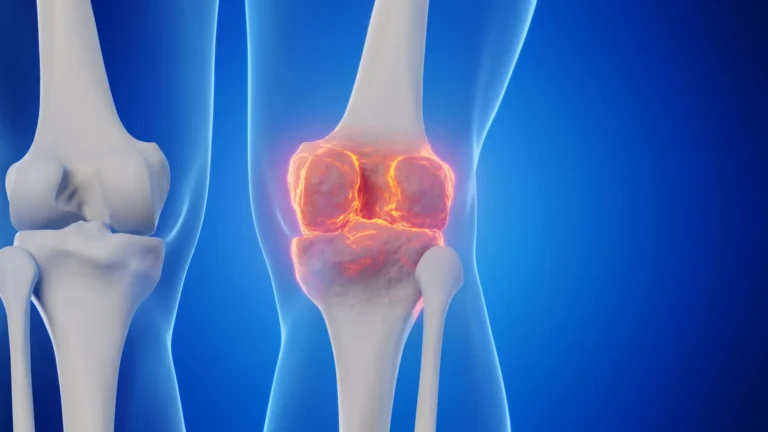
Furthermore, the role of synovial fluid cannot be overstated. Synovial joints require controlled, rhythmic movement to distribute lubricating fluid across articular surfaces. Without this "priming," joints can feel stiff and restricted, leading to compensatory movement patterns that may, over time, manifest as chronic overuse injuries.
Neuromuscular and Circulatory Synchronization
The nervous system does not "switch on" instantly. An effective warm-up acts as a bridge, allowing the brain to calibrate motor units and refine neuromuscular coordination. By gradually increasing the complexity and intensity of movement, coaches allow the nervous system to "rehearse" patterns before the demand for maximal force or speed is introduced.
Circulatory readiness is equally vital. An abrupt spike in heart rate without a gradual ramp-up can place unnecessary strain on the cardiovascular system and lead to premature fatigue. By systematically increasing cardiac output, a coach ensures that oxygen and nutrient delivery to the working muscles are optimized, effectively delaying the onset of metabolic waste accumulation.
A Chronological Approach: The Five-Stage Protocol
To maximize the benefits of the first ten minutes, high-performance coaching models suggest a structured, progressive approach. This hierarchy moves from general physiological activation to specific skill acquisition.
- General Movement Preparation (Minutes 0–3): The goal here is simple: elevate core temperature and heart rate. Low-intensity, rhythmic modalities like light cycling, rowing, or dynamic walking facilitate this transition without depleting glycogen stores.
- Mobility and Range-of-Motion (Minutes 3–5): Rather than static stretching—which can occasionally dampen power output if held for too long—dynamic mobility drills are used. These target the joints and tissues specifically required for the day’s primary movements.
- Activation (Minutes 5–7): This phase focuses on "waking up" dormant muscle groups, such as the glutes, scapular stabilizers, or the core. These are targeted, brief exercises designed to improve positional awareness.
- Movement Rehearsal (Minutes 7–9): This is the bridge to the main event. If the session involves heavy squats, the client should perform goblet squats or bodyweight patterns with perfect form. This reinforces the motor program before weight is added.
- Neural Potentiation (Minutes 9–10): For advanced athletes, this final minute may include low-volume, high-intent movements like explosive medicine ball throws or rapid hops to "prime" the nervous system for power.
Supporting Data: Why "One-Size-Fits-All" Fails
Research into sports science consistently highlights that context is king. A universal warm-up is often an ineffective warm-up. Data indicates that the needs of a 65-year-old client focusing on mobility differ vastly from those of a 25-year-old collegiate sprinter.
- The Sedentary Population: These clients often arrive with shortened hip flexors and limited thoracic mobility. For them, a warm-up must prioritize restoring the range of motion that was lost during a long workday.
- The Power Athlete: These individuals require a higher volume of nervous system activation. For them, skipping the "Neural Potentiation" phase can result in suboptimal force production during heavy lifts.
- The High-Stress Client: Modern coaching is beginning to recognize the psychological burden clients bring into the gym. For an executive dealing with high work stress, a warm-up that incorporates rhythmic breathing and controlled pacing is as much a psychological intervention as a physical one. It provides a "mental reset" that is essential for focusing on the training at hand.
Official Perspectives: Shifting the Coaching Paradigm
Leading organizations in the strength and conditioning field, such as the NSCA (National Strength and Conditioning Association), have pivoted toward the concept of "movement preparation" over traditional warm-ups. The official stance among top-tier trainers is that the coach’s role during these ten minutes is one of active observation.
"The warm-up is the best time to assess," says one lead coach in a private clinic setting. "When the intensity is low, I can see the asymmetries. I can see the limp or the lack of rotation in the thoracic spine. If I see a red flag during the warm-up, I can adjust the entire session’s programming on the fly to ensure safety and quality."
This observational capacity is a professional tool. It allows the coach to provide concise, actionable cues that fix movement errors before they are reinforced under heavy loads.
Implications for Longevity and Performance
The implications of prioritizing the warm-up are twofold: immediate performance enhancement and long-term injury mitigation.
Immediate Performance
Athletes who engage in a specific, purposeful warm-up demonstrate higher levels of confidence and technical consistency. When the nervous system has already rehearsed the pattern, the "greasing of the groove" allows for more aggressive movement execution. A client who has primed their central nervous system is statistically more likely to hit their target intensities with better form than one who jumped straight from the car to the squat rack.
Long-Term Recovery and Resilience
The most significant implication is the preservation of the client’s "training life." By systematically restoring movement variability and ensuring joint lubrication, the warm-up acts as a protective barrier against the wear-and-tear of consistent training. Furthermore, by managing the psychological state of the client, the coach fosters a habit of mindfulness that leads to better long-term adherence.
Conclusion: Reframing the "Warm-Up"
The industry must move away from viewing the warm-up as an optional buffer zone. It is, in reality, the most critical ten minutes of the hour. It is a time for the client to disconnect from the chaos of their daily life, for the coach to assess the physical state of the athlete, and for the body to transition from a state of resting stiffness to one of dynamic readiness.
By implementing a structured, goal-oriented, and time-efficient protocol, fitness professionals can ensure that every session is not just a workout, but a high-quality, safe, and effective movement experience. When the warm-up is treated with the same respect as the primary training block, the result is not just a better workout—it is a better athlete.