By Diane Westwater
In the ancient tradition of Ayurveda, the human body is not merely a biological machine, but a complex tapestry of mind, body, and consciousness. The primary objective of this 5,000-year-old healing system is the establishment and maintenance of equilibrium. When this delicate balance is disrupted, it often manifests as a psychosomatic disorder, signaling that the body’s internal ecology has shifted. To restore health, Ayurvedic practitioners must first determine the appropriate course of action: Shamanam (pacification) or Shodanam (purification).
As we navigate the transition into the depths of the winter season, understanding these foundational principles becomes essential. When an individual is physically depleted or weak, Shamanam is the indicated protocol, focusing on removing the root cause of distress while nourishing the tissues. Once the patient is strengthened, or in cases where the individual possesses sufficient vitality, Shodanam—or detoxification—is initiated to purge the system of deep-seated impurities. Among the most potent tools in the Shodanam arsenal is Panchakarma, a series of five therapeutic actions designed to reset the body’s internal rhythms.
The Science of the Senses: What is Nasya?
Within the Panchakarma framework, Nasya—the nasal administration of medicinal substances—holds a position of unique importance. Often referred to in ancient texts as "the door to the brain and consciousness," the nose serves as a direct pathway to the Majja Dhatu (nervous system).
The physiological logic behind Nasya is both profound and elegant. When herbal substances are inhaled or dropped into the nasal cavity, they do not merely interact with the respiratory lining; they influence the brain’s neurochemistry. Upon inhalation, airflow passes through the cribriform plate, a porous bone structure that acts as a bridge between the nasal cavity and the brain. This stimulation exerts a rhythmic pressure on the meninges—the protective membranes of the spinal cord and brain—which, in turn, triggers a pumping action in the diaphragm. This physiological cascade enhances the circulation of cerebral spinal fluid and promotes healthier venous and arterial blood flow, effectively “clearing the cobwebs” of the mind.
Navigating the Kapha Season: Why Winter Requires Cleansing
To practice effective Ayurveda, one must be a student of the seasons. We are currently in the Kapha season—a time defined by qualities that are cold, heavy, dense, slow, and cloudy. When these attributes accumulate in the human body, they lead to sluggish digestion, sinus congestion, lethargy, and a sense of mental fog.
To counteract the heavy, stagnant nature of winter, Ayurvedic practitioners advocate for the introduction of heating, drying, and expansive substances. By balancing the cold, damp qualities of Kapha with the fiery, pungent qualities of specific herbs, we can prevent the onset of seasonal disorders and maintain mental clarity. Nasya during this time is not merely a remedy for the ill; it is a preventative measure to ensure that the Nadis (energy channels) remain free-flowing, allowing Prana (life force) to circulate without obstruction.
Supporting Data: The Five Modalities of Panchakarma
While Nasya is the focus of this inquiry, it exists as one of the five essential pillars of Panchakarma. The full spectrum of these purification actions includes:
- Vamana (Therapeutic Vomiting): Indicated for the removal of excess Kapha from the respiratory and digestive tracts.
- Virechana (Purgation): A controlled cleansing of the small intestine to eliminate excess Pitta (heat/fire).
- Basti (Enema Therapy): Highly effective for balancing Vata (air/space) and cleansing the colon.
- Nasya (Nasal Administration): Cleansing the head, sinuses, and neck region.
- Raktamokshana (Bloodletting): A specialized practice for cleansing the blood, typically reserved for severe skin conditions or toxic accumulations.
When these actions are applied with precision, the body undergoes a systemic reset. By removing the “obstructions” in the srotas (channels), the body’s innate healing intelligence is allowed to resume its work.
Winter Nasya Recipes: Practical Applications
To achieve the desired therapeutic outcome during the winter months, one must select the right botanical allies. The objective is to utilize substances that are heating and pungent to cut through the density of Kapha.
The Power of Vacha (Calamus Root)
Vacha root powder is a cornerstone of winter Nasya. It is inherently heating, pungent, and bitter—the exact energetics required to balance Kapha. Beyond its physical utility, Vacha is considered sattvic (pure and harmonious) in nature, offering nourishment to the mind and enhancing the clarity of perception.
Application Method:
To administer, take a tiny pinch of high-quality, organic calamus root powder and inhale it into each nostril. It is common to experience a sneezing reflex; this is a positive sign, as it indicates the mobilization of Prana and Udana (the upward-moving energy) and the clearing of stagnant brain centers.
Ginger and Jaggery: The Invigorating Infusion
For those seeking a liquid-based Nasya to relieve sinus congestion and associated headache pain, the ginger-jaggery combination is highly recommended. While it may induce an immediate burning sensation and temporary eye-watering, the result is an exhilarating "after-glow" of mental and physical lightness.
Ingredients:
- 1 tsp freshly grated organic ginger
- 1 tsp organic jaggery (unrefined cane sugar)
- 1/3 cup purified water
Preparation:
- Combine the ginger, jaggery, and water in a small container.
- Allow the mixture to steep for 10–15 minutes.
- Strain the liquid through a fine-mesh cheesecloth, ensuring all solid fibers are removed to prevent irritation.
- Gently squeeze the cloth to extract the potent essence.
Administration:
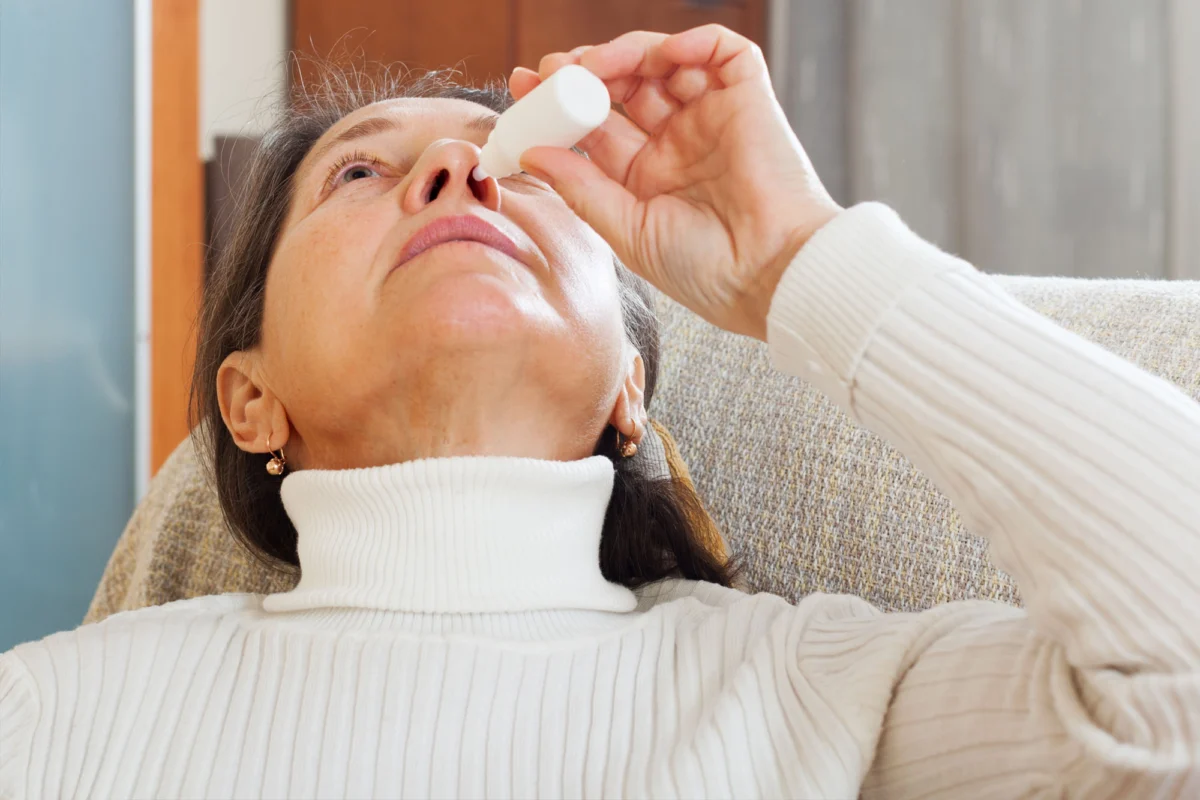
Place 2–3 drops of this solution into each nostril while lying in a comfortable, reclined position. Use only fresh mixtures for each session, as the potency of the ginger-jaggery infusion degrades rapidly.
Implications for Modern Healthcare
The integration of Nasya into a modern wellness routine represents a shift toward self-empowerment in healthcare. By understanding the rhythms of the seasons and the specific physiological responses to herbal stimuli, individuals can take proactive steps to manage their own health.
However, the implications of such practices must be viewed through a lens of professional responsibility. While these techniques are ancient and time-tested, they are also potent. The direct pathway to the brain via the nasal cavity is a sensitive one. Therefore, it is strongly advised that individuals consult with a qualified Ayurvedic practitioner or a primary care physician before beginning any intensive cleansing program.
The goal of these practices is not to replace modern medicine, but to provide a foundational layer of preventative care. By maintaining the health of our srotas and ensuring the unobstructed flow of Prana, we create a resilient internal environment. As we move through the cold, dense days of winter, the mindful application of Nasya serves as a reminder that health is not a passive state, but an active, ongoing dialogue between our consciousness and the natural world.
Conclusion
The wisdom of Ayurveda offers a roadmap for navigating the complexities of human health through the lens of seasonal alignment. By focusing on the purification of the mind and body, we can transcend the lethargy of winter and embrace a state of heightened clarity and vitality. Through the intelligent application of Nasya—whether via the subtle heat of Vacha or the invigorating ginger-jaggery infusion—we tap into the profound potential of the human nervous system. As always, the path to wellness is one of balance, discernment, and respect for the intricate systems that sustain our life force.