By Industry Editorial Staff
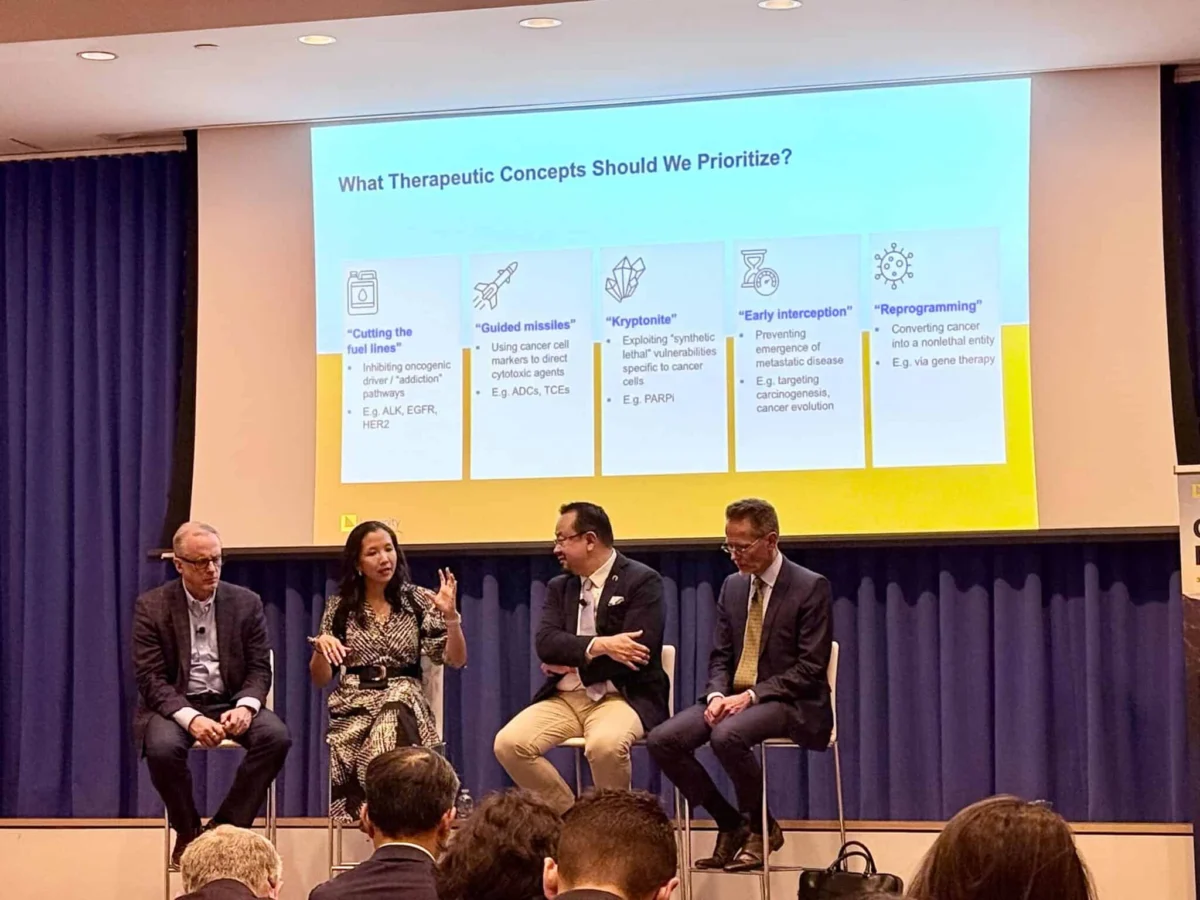
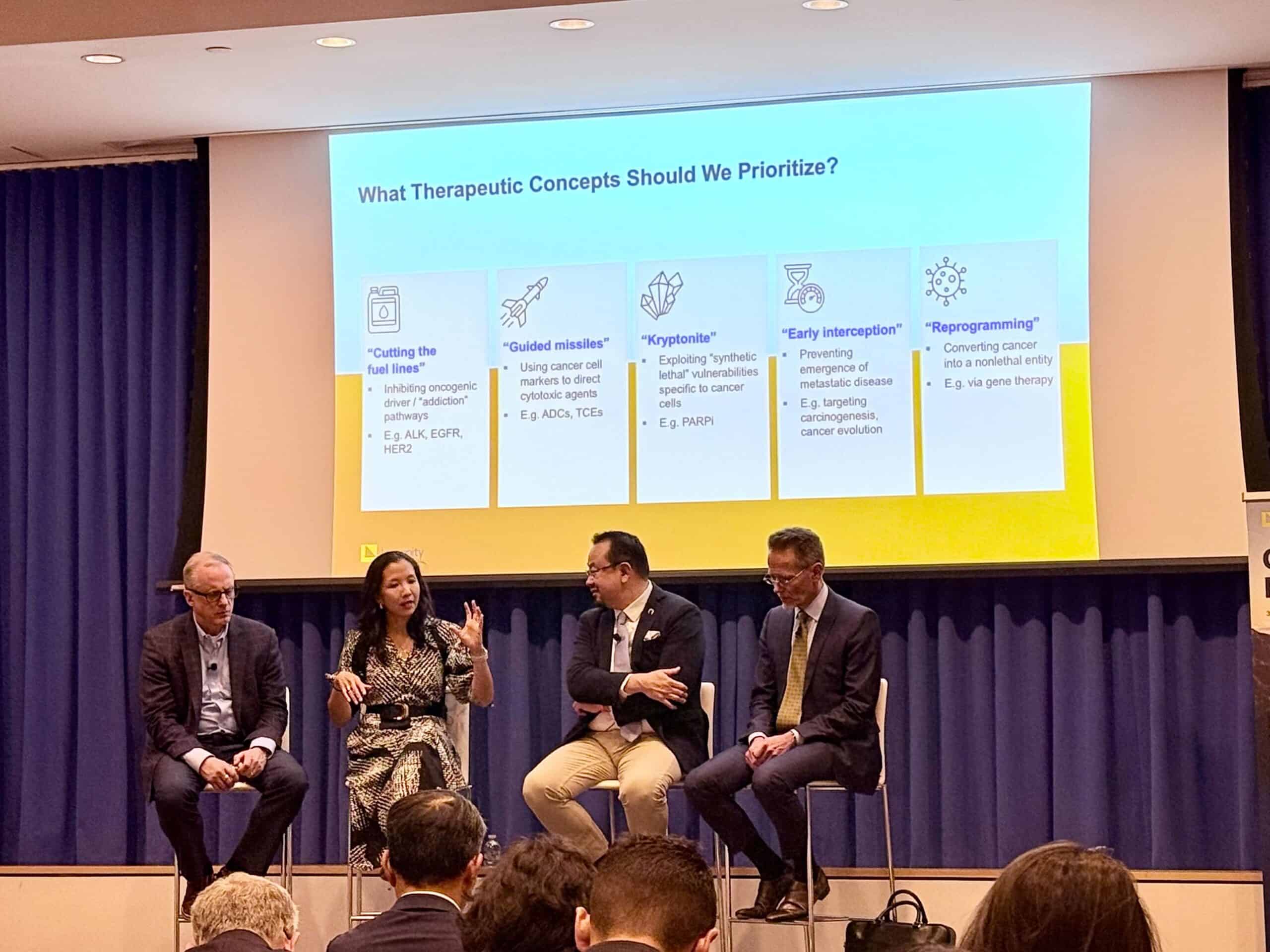
On April 9, 2026, the New York Genome Center served as the epicenter for one of the most candid dialogues in modern medicine. Lumanity’s "Cancer Progress 2026" conference, an event with a nearly 40-year legacy of clinical introspection, moved beyond the standard fanfare of pharmaceutical innovation to host a rigorous "pressure test" of the current oncology research paradigm.
As the industry faces a crossroads of ballooning development costs, complex patient stratification, and the meteoric rise of artificial intelligence, the event’s closing panel—“Beyond Next-Gen: How Should We Engineer Future Breakthroughs?”—offered a sobering assessment: the era of accidental discovery is drawing to a close.
Main Facts: The End of Productive Chaos
For decades, the standard operating procedure in immuno-oncology has been characterized by what panelists colloquially termed “throwing spaghetti at the wall.” This approach—prioritizing aggressive, often broad-spectrum experimentation over granular biological understanding—has undoubtedly yielded the major breakthroughs of the early 21st century.
However, the consensus at Cancer Progress 2026 was that this model is no longer sustainable. As Dr. Alicia Zhou, Chief Executive Officer of the Cancer Research Institute (CRI), noted, the industry has become adept at identifying successful combinations, but it has largely failed to master the predictive science required to move beyond trial-and-error.
The central tension identified by the experts is the misalignment between the multifaceted, heterogeneous nature of cancer and the industry’s tendency to apply monolithic, "one-size-fits-all" testing protocols. The industry is currently trapped in a cycle of generating more trials than insights, often layering combination therapy upon combination therapy without fully understanding the underlying mechanisms of immune-cell communication.
Chronology of the Discussion
The one-day summit was structured to build toward this final, critical panel. The flow of the day reflected a clear evolution in thought:
- Morning Sessions: Focused on the current landscape of immuno-oncology and the successes of current checkpoint inhibitors.
- Early Afternoon: Debates surrounding the regulatory environment and the economic bottlenecks hindering the translation of bench-top success to bedside reality.
- The Final Panel: A critical evaluation of how the industry must pivot its engineering and R&D strategies to avoid a "plateau of innovation."
The panelists, representing a cross-section of biotech, pharma, and research leadership, opened the final session with a stark admission: the current "spaghetti" approach—while historically productive—has created a fragmented ecosystem where signal is increasingly buried under the noise of redundant clinical variables.
Supporting Data and Biological Complexity
The crux of the problem, according to Dr. Zhou, lies in how the industry defines "failure." In current clinical practice, a trial often ends in a binary "pass or fail" result. However, this simplicity ignores the reality of clonal evolution, biomarker heterogeneity, and the complex cross-talk between the immune system and the tumor microenvironment.
The "Pantry" Analogy
Dr. Zhou offered a compelling metaphor for the current state of drug development. Researchers are no longer just testing a single, refined recipe; they are "dumping the whole pantry into the pot." By combining multiple therapies that show modest individual benefit, researchers are inadvertently creating a system where it is impossible to determine which variable—or which interaction—is driving the therapeutic effect.
This leads to:
- Over-indexing of experimentation: A reflexive habit of expanding successful combinations across every tumor type, regardless of biological rationale.
- Diminishing returns: Increased trial volume without a corresponding increase in foundational biological knowledge.
- Structural bottlenecks: High development costs for therapies that lack a clear, mechanism-based path to approval.
AI: The Tool, Not the Savior
Perhaps the most anticipated segment of the discussion concerned the role of Artificial Intelligence. While AI is frequently marketed as a panacea for drug discovery, the panel’s perspective was decidedly pragmatic.
Dr. Zhou provided a nuanced warning: "I believe generative AI is going to hit a wall. It cannot predict things that we cannot actually validate biologically in the physical world."
Validating the "Hallucinations"
The panelists argued that AI’s utility in oncology is currently limited by the lack of "ground truth" data. If a model predicts a novel drug interaction, there is currently no efficient way to verify if that prediction is a breakthrough or a "hallucination" of the model.
However, the outlook wasn’t entirely pessimistic. Dr. Zhou highlighted the CRI Discovery Engine as a shift in focus. The goal is not to let AI "run amok" with data, but to use it to map the contours of the immune system. By feeding models high-quality, mechanistic data, researchers can identify where the immune system "holds," where it "breaks," and where intervention is actually possible. In this framework, AI serves as an architectural tool to see through the biological complexity, rather than a magic wand that bypasses it.
Implications: The Structural Mismatch
The final hour of the conference shifted from biological challenges to the "broken economics" of the current oncology model.
The Economic Paradox
The industry is currently facing a systemic mismatch:
- The Science: Increasingly targeted, personalized, and complex.
- The Economics: High-cost development pathways, massive trial designs, and blockbuster-focused patent strategies.
As the industry pivots toward smaller, more refined patient populations, the traditional "blockbuster" economic model becomes increasingly difficult to justify. The panelists argued that the industry must advocate for systemic changes, including:
- Synthetic controls: Reducing the burden of patient enrollment by utilizing historical data.
- Adaptive Trial Designs: Moving away from rigid, phase-to-phase transitions.
- Regulatory Evolution: Rethinking the criteria for approval to prioritize mechanistic efficacy over mere volume of clinical data.
Official Perspectives and The Path Forward
The overarching sentiment of Cancer Progress 2026 was one of inevitable disruption. Dr. Zhou framed the coming years not as a time for incremental improvement, but as a period of fundamental transformation.
With global competition intensifying and blockbuster drugs approaching patent cliffs, the industry no longer has the luxury of inefficient, "spaghetti-style" experimentation. The "take-home" message was clear: the industry has generated a vast wealth of ideas and data over the last four decades. The challenge of the next decade will not be the generation of new ideas, but the rigorous, intentional synthesis of the ones we already possess.
Summary of Strategic Recommendations:
- Stop, Look, and Listen: Prioritize mechanistic validation before scaling clinical trials.
- Define the Problem Sets: Recognize that different tumor types require fundamentally different "playbooks" rather than a uniform therapeutic approach.
- Human-AI Collaboration: Utilize AI for mapping complex systems, while maintaining a strict human-led framework for biological validation.
- Economic Reform: Align trial design and regulatory strategies with the reality of smaller, stratified patient populations.
As the attendees departed the New York Genome Center, the mood was one of tempered urgency. The "spaghetti" era has left a legacy of immense progress, but the future of oncology demands a level of precision, intent, and structural integrity that the current model is only just beginning to grasp. The "pressure test" was successful: the industry knows what isn’t working—now the work begins to build what will.