The clinical data is unequivocal, the statistical trends are deeply unsettling, and according to the nation’s leading mental health experts, the long-term outlook remains shrouded in uncertainty. While the world has spent the better part of three years focused on the physical toll of the COVID-19 virus, a "shadow pandemic" of psychological distress has taken root, fundamentally altering the mental landscape of the American public.
Since the initial lockdowns of early 2020, researchers across the United States have been sounding an increasingly urgent alarm. The crisis is defined by a staggering rise in rates of clinical depression, generalized anxiety, and a precipitous decline in overall mental well-being. What was once considered a temporary reaction to a global emergency has, for many, calcified into a chronic condition.
Main Facts: The Statistical Reality of a Nation in Distress
The scale of the current mental health crisis is perhaps best captured by the COVID States Project, a massive, multi-university initiative involving researchers from Northeastern, Harvard, Northwestern, and Rutgers. Their ongoing longitudinal survey reveals that more Americans are experiencing depression, anxiety, and suicidal ideation than at any other point in modern recorded history.
Key findings from the most recent data include:
- Persistent Depression: Approximately 28% of Americans report symptoms of depression severe enough to trigger a clinical referral for evaluation and treatment. While this is a slight decrease from the pandemic peak of 30% in December 2020, it remains nearly three times higher than pre-pandemic benchmarks.
- Elevated Anxiety: Anxiety levels remain stuck at 25%, a significant portion of the population that reflects a state of constant "high alert" and economic or social unease.
- Suicidal Ideation: Perhaps most alarming is that 23% of respondents—nearly one in four—report having thought of suicide at least occasionally. This rate has shown little improvement since the darkest months of the 2020 winter surge.
- The Demographic Divide: The crisis is not distributed equally. Young adults (ages 18–24) are the most severely impacted, with 42% meeting the criteria for moderate to severe depression. Conversely, adults over 65 have shown the greatest resilience, with only 10% reporting similar symptoms.
Chronology: From Acute Shock to Chronic Strain
To understand the current state of American mental health, one must look at the timeline of the pandemic not just as a series of viral waves, but as a series of psychological shocks.

The Initial Onset (Spring 2020)
In the early months of the pandemic, the prevailing sentiment was one of acute stress. As schools closed and the economy shuttered, mental health indicators began to slip. By June 2020, depression rates had reached a then-concerning low of 25%. At this stage, experts hoped the distress was a transient reaction to unprecedented "physical distancing" measures.
The Winter Peak (December 2020)
As the pandemic dragged into its first winter, the "honeymoon phase" of community resilience evaporated. The combination of holiday isolation, rising death tolls, and "disaster fatigue" led to the highest recorded rates of mental illness. Depression peaked at 30%, and anxiety reached 28%. This period marked the transition from acute stress to what psychologists call "chronic traumatic stress."
The "Uncertain Recovery" (2021–Present)
As vaccines became available and society began to reopen, the expected "snap back" to pre-pandemic mental health levels failed to materialize. The data from 2021 and early 2022 shows a plateauing of symptoms. While the physical threat of the virus diminished for many, the psychological scars remained. The 28% depression rate observed earlier this year suggests that for nearly a third of the country, the "normal" they returned to was one defined by lingering trauma.
Supporting Data: Vulnerable Populations and Pediatric Emergencies
The data becomes even more distressing when narrowed down to specific demographics, particularly the youth and minority communities.
The Crisis of the Young Adult
David Lazer, a professor of political science and computer sciences at Northeastern University and a lead researcher on the COVID States Project, notes that the pandemic struck young adults at the most "dynamic" point of their lives.
"Younger adults are finishing school, getting a job, starting a family—all things that are more likely to be disrupted by the pandemic," Lazer stated. For an 18-year-old, two years of isolation represents a massive percentage of their conscious social life, disrupting critical developmental milestones that older adults had already secured.
The Pediatric Emergency Room Surge
The crisis has extended deep into the pediatric population. A study published in the journal Pediatrics by researchers at the Children’s Hospital of Philadelphia (CHOP) highlighted a disturbing trend: while overall emergency department (ED) visits actually decreased during the pandemic, the proportion of those visits related to mental health emergencies surged.
Dr. Polina Krass, a pediatrician at CHOP and lead author of the study, noted that a higher percentage of children entering the ED required immediate hospitalization for mental health services than in pre-pandemic times. This indicates not just an increase in the number of cases, but an increase in the severity of the illness.
"Prior to the COVID-19 pandemic, youth mental health conditions were increasing in prevalence and severity, and there were extreme shortages in access to mental healthcare," Dr. Krass explained. "COVID-19 has further exacerbated these trends."
Inequity and Social Determinants
Dr. Krass also pointed to "stark inequities" in care. Minority communities, which bore a disproportionate share of the pandemic’s physical and economic burden, also face the highest barriers to mental health support. The intersection of structural racism, community violence, and the pandemic has created a "perfect storm" for youth of color, who remain at the highest risk for untreated mental health challenges.
Official Responses: The Path to Recovery and Policy Shifts
In response to these harrowing figures, federal health officials and policy experts are beginning to pivot toward a more systemic approach to mental health.
The NIMH Perspective: Natural Recovery vs. Intervention
Susan Borja, chief of the National Institute of Mental Health’s (NIMH) Dimensional Traumatic Stress Research Program, offers a nuanced view of the path forward. She notes that while the numbers are high, human beings possess an innate capacity for "natural recovery."
"Most people who are exposed to a mass disaster or widespread traumatic event will experience some symptoms initially, but those symptoms typically diminish in the following weeks and months," Borja said. However, she cautioned that a "significant minority" will not recover without professional intervention. The challenge for the public health system is identifying who will bounce back and who requires intensive support.
Individual Agency and Coping
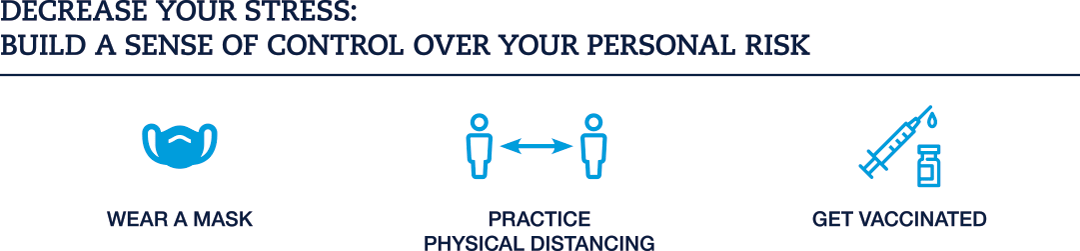
Borja emphasizes that recovery can be aided by individual actions that restore a sense of agency. Engaging in healthy coping mechanisms—maintaining routines, prioritizing sleep, and physical exercise—are foundational. Furthermore, taking proactive steps like vaccination or masking can provide a psychological benefit by giving individuals a sense of control over their personal risk environments.
Legislative Action: S. 1902
On the policy front, the Behavioral Health Crisis Services Expansion Act (S. 1902) represents a major legislative attempt to address the crisis. The bill aims to:
- Establish national standards for behavioral health crisis services.
- Ensure that stabilization services are available to all individuals regardless of their ability to pay.
- Integrate mental health crisis response into the broader emergency medical system.
Implications: A New Public Health Paradigm
The ultimate implication of this data is that mental health can no longer be treated as a secondary concern to physical health. The pandemic has forced a long-overdue reckoning with the fragility of the American psychological infrastructure.
The Silver Lining: Destigmatization
Susan Borja suggests that if there is a "silver lining" to the pandemic, it is the universal recognition of mental health as a core component of public health. The fact that nearly a third of the population is struggling has, in some ways, normalized the conversation, reducing the stigma that previously prevented many from seeking help.
The Care Continuum
For Dr. Krass and her colleagues at CHOP, the focus must now shift to the "care continuum." This means:
- Funding: Drastic increases in research and clinical funding.
- Addressing Social Determinants: Tackling the root causes of distress, such as housing instability and structural racism.
- Broadening Access: Moving beyond the emergency room to provide preventative, community-based care.
"There is a lot of work to be done," Dr. Krass added. "I hope we can leverage this moment to start to make constructive changes."
As the United States moves into a post-pandemic era, the data serves as a reminder that the "end" of a pandemic is not marked solely by the absence of a virus, but by the healing of the society it left behind. The 28% of Americans still struggling with depression represent a call to action for a healthcare system that must evolve to meet a more complex, and more psychological, set of needs.