











In the modern era, the traditional definition of "aging" is undergoing a radical transformation. More individuals than ever are refusing to let the calendar dictate their physical capabilities, choosing instead to embrace the golden years as a chapter of continued strength, adventure, and independence. As we move past the age of 60, the focus shifts from aesthetic fitness to "functional longevity"—the ability to navigate daily life with ease, vigor, and confidence.
Central to this transition is the proactive management of muscle mass. Sarcopenia, or the natural age-related loss of muscle tissue, is an inevitable biological process. However, it is not a death sentence for one’s physical autonomy. Through targeted movement and consistent dedication to self-care, older adults can effectively counteract these changes, fostering a body that remains resilient well into their eighth and ninth decades.
To provide a comprehensive roadmap for this journey, we consulted with Karen Ann Canham, a Board-Certified Wellness Coach, Nervous System Specialist, and the founder of Karen Ann Wellness. With nearly two decades of experience in the wellness industry, Canham has synthesized a program of five daily movements designed to optimize physical health for those over 60.
The Philosophy of Functional Aging
It is vital to manage expectations: no exercise program acts as a "fountain of youth" that can literally reverse the biological clock. However, science suggests that we can mitigate the effects of aging by prioritizing specific physical qualities: balance, core stability, cardiovascular endurance, and joint mobility.
"I chose these specific exercises because they mimic real-life movements that adults need every single day," Canham explains. "They train multiple muscle groups simultaneously and support the physical abilities most strongly associated with maintaining independence as we age."
By focusing on compound movements—exercises that require the coordination of several joints and muscle groups—individuals can build a "physical savings account." Just as we save for retirement, these movements build the strength reserves necessary to perform tasks like carrying groceries, navigating stairs, or rising from a chair without assistance.
1. Sit-to-Stand: The Foundation of Independence
The "sit-to-stand," often referred to in clinical settings as a chair squat, is perhaps the most important functional movement for maintaining long-term independence. Every time an individual sits down to eat, rests on a park bench, or uses the restroom, they are performing a sit-to-stand.
The Mechanics
This movement specifically targets the quadriceps and the gluteal muscles. By mastering this motion, you are essentially training your body to navigate the world safely. As Canham notes, the loss of this ability is a leading indicator that an individual may require assistance in their daily life.
How to Execute
To perform this move correctly, start by sitting on a sturdy chair. Keep your feet hip-width apart and your chest lifted. Engaging your core, lean slightly forward and drive through your heels to stand fully upright. Pause at the top, then slowly lower yourself back down with control, ensuring that your knees remain aligned with your toes. For those just starting, using a chair provides a safety net that prevents falls and ensures proper form.
2. Brisk Walking: The Cardiovascular Cornerstone
While high-intensity interval training has its place in the fitness world, there is no replacement for the fundamental, low-impact benefits of brisk walking. It remains the gold standard for aerobic health, requiring no equipment beyond a supportive pair of sneakers.
Supporting Data
Research consistently links regular, moderate-intensity aerobic exercise with improved metabolic function and reduced risk of cardiovascular disease. For the aging population, brisk walking is particularly effective because it improves circulation and endurance without putting excessive strain on the joints.
Implementation
Canham recommends aiming for 20 to 30 minutes of brisk walking daily. The goal is to reach a pace where your breathing is elevated, yet you are still able to carry on a conversation. Whether you choose the tranquility of a local park or the controlled environment of a treadmill, the consistency of this practice is what yields long-term health benefits, including better blood pressure management and improved blood sugar regulation.
3. Step-Ups: Building Lower-Body Power
Stair climbing is a daily necessity for many, yet it is often the first movement to become difficult as joint stiffness and muscle weakness set in. Step-ups serve as a targeted intervention to maintain the coordination and power required to ascend and descend stairs safely.
Why It Matters
Unlike flat-ground walking, step-ups require the body to handle vertical displacement, which challenges the balance centers of the brain and builds unilateral (one-sided) strength. This is crucial for preventing falls, as many accidental trips occur when one leg is forced to support the full body weight during a transition.
Training Strategy
By incorporating step-ups into your routine, you are reinforcing the muscles in the hips and legs that stabilize the pelvis. Start with a low, stable step or a bottom stair in your home. Ensure your entire foot is on the surface before pushing through your heel to lift your body up. Focus on a controlled descent to maximize the eccentric (lengthening) strength of your muscles, which is vital for joint health.
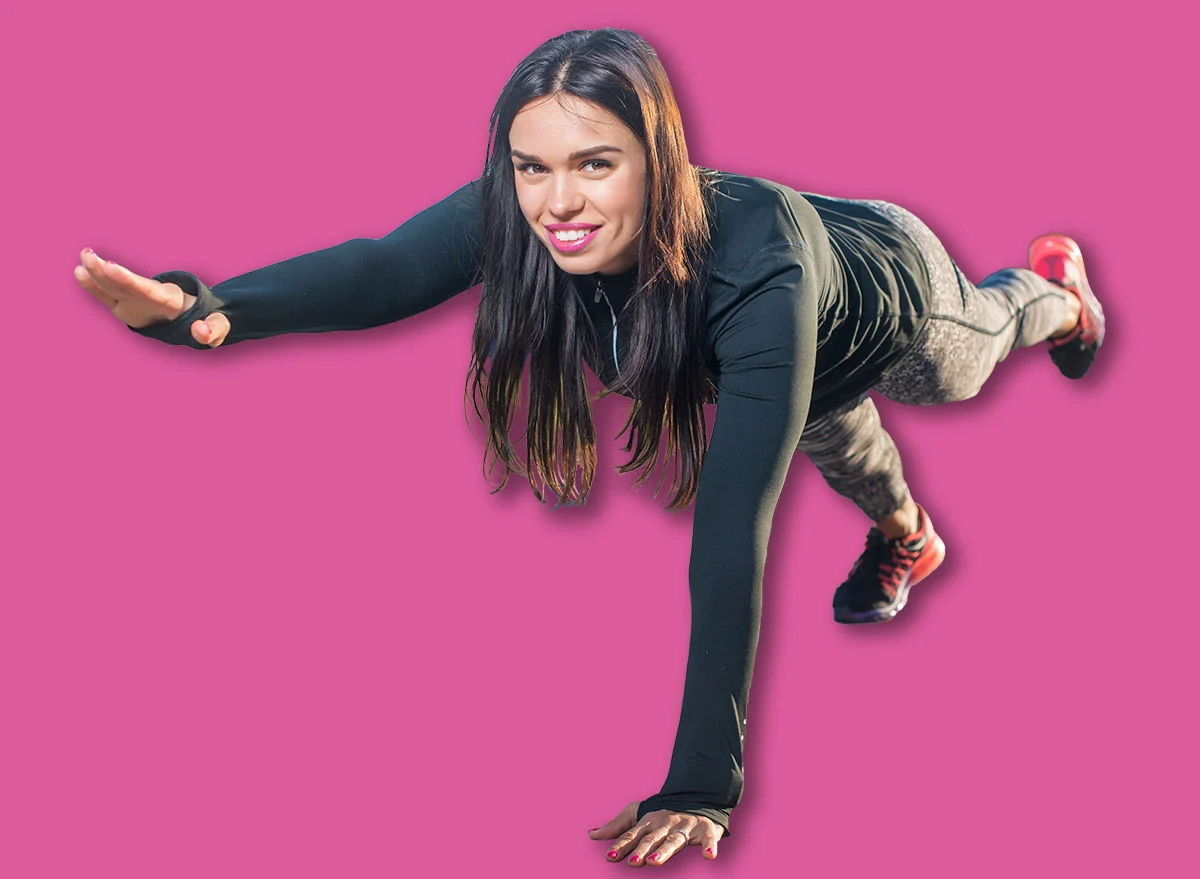
4. The Bird-Dog: Core Stability and Spinal Health
Back pain is a common complaint among older adults, often stemming from weak core muscles and poor postural habits. The "Bird-Dog" exercise is a low-impact, highly effective movement designed to protect the spine while building a stable foundation.
The Mechanism
The Bird-Dog requires the simultaneous movement of opposite limbs while keeping the torso perfectly still. This teaches the core musculature to resist rotation and support the lumbar spine. It is an exercise in "anti-movement," forcing the deep stabilizing muscles of the abdomen and back to work in harmony.
The Result
By integrating this move daily, you will notice improvements in balance and posture. A stronger core acts as a corset for the spine, reducing the risk of injuries and ensuring that your body stays upright and aligned, even when you are fatigued.
5. The Farmer’s Carry: Total-Body Resilience
Perhaps the most "real-world" exercise on this list, the Farmer’s Carry is exactly what it sounds like: walking while carrying weighted objects. This movement is a test of grip strength, shoulder stability, and total-body endurance.
Daily Utility
We carry groceries, laundry baskets, luggage, and even our grandchildren. The Farmer’s Carry prepares the body for these tasks by forcing the shoulders to stay retracted, the core to remain engaged, and the grip to stay firm.
Execution
To perform this, hold a weight in each hand—such as two grocery bags or kettlebells—with your arms hanging straight at your sides. Keep your shoulders pulled back, your spine neutral, and walk with a steady, deliberate gait for a set distance or time. This simple movement creates a resilient, "bulletproof" body, strengthening the connective tissues in the hands and forearms while reinforcing the posture needed for long-term spinal health.
Implications for Long-Term Health
The exercises outlined by Karen Ann Canham represent a shift in perspective. Instead of viewing exercise as a chore to burn calories, we should view these five movements as the "daily maintenance" required to keep the human machine functioning at its peak.
The implications of this approach are profound. By maintaining strength, mobility, and balance, you are effectively extending your "healthspan"—the period of your life spent in good health, free from the chronic diseases and disabilities that often accompany aging.
Consistency Over Intensity
The most important takeaway is that these movements do not require a gym membership or hours of training. They are designed to be woven into the fabric of your daily life. Whether you do your sit-to-stands while waiting for the coffee to brew or practice your balance while waiting for the bus, the cumulative effect of these small, intentional acts is what builds lasting strength.
As you integrate these moves into your routine, remember that progress is personal. Listen to your body, respect your limits, and celebrate the fact that you are taking control of your physical future. Aging is a natural progression, but decline is a choice—one that you can defy, one movement at a time.