






Introduction: The Changing Landscape of American Nutrition
In the evolving narrative of public health, the intersection of nutrition, food policy, and systemic sustainability has never been more critical. As we look back on the pivotal events of 2022, it is clear that the conversation surrounding what we eat—and how that food is produced—has shifted from a matter of personal choice to a central pillar of national security and economic stability.
The year 2022 served as a watershed moment for American dietary policy, anchored by the high-profile White House Conference on Hunger, Nutrition, and Health. This landmark event, the first of its kind in over half a century, signaled an urgent intent to address the twin crises of food insecurity and diet-related disease. As experts from the Harvard T.H. Chan School of Public Health suggest, while the government’s new national strategy offers a foundation for progress, the path to a truly healthy, sustainable future requires more than policy—it requires a fundamental shift in how we conceive of our food systems.
Main Facts: The 2022 White House Conference
The White House Conference on Hunger, Nutrition, and Health was convened with a singular, ambitious objective: to end hunger and increase healthy eating and physical activity by the year 2030. To reach this goal, the Biden-Harris administration unveiled a comprehensive national strategy aimed at bridging the gap between nutritional science and public access.
Core Pillars of the National Strategy
The strategy rests upon five pillars designed to transform the food landscape:
- Improving Food Access and Affordability: Expanding nutrition assistance programs to ensure no American goes hungry.
- Integrating Nutrition and Health: Leveraging medical interventions, such as the inclusion of medically tailored meals under Medicare, to treat diet-related conditions.
- Empowering Consumers: Enhancing access to clear, accurate nutritional information.
- Supporting Physical Activity: Promoting environments that encourage active lifestyles.
- Enhancing Research: Prioritizing data-driven insights to inform future policy.
The significance of this event cannot be overstated. Since the original 1969 conference, the American diet has undergone drastic changes, leading to an epidemic of obesity, Type 2 diabetes, and cardiovascular disease. The 2022 initiative represents the most concerted effort in modern history to reconcile these systemic failures.
Chronology: A Half-Century of Policy Evolution
The timeline of American nutrition policy is a story of gradual realization.
- 1969: The original White House Conference on Food, Nutrition, and Health occurred, which led to significant changes in food assistance programs, such as the expansion of the Supplemental Nutrition Assistance Program (SNAP) and the creation of the Special Supplemental Nutrition Program for Women, Infants, and Children (WIC).
- 1970s–1990s: A period marked by the development of dietary guidelines and the introduction of food labeling requirements, though systemic issues like the prevalence of ultra-processed foods began to accelerate.
- 2010s: Rising concerns regarding the environmental impact of industrial agriculture and the rising costs of healthcare related to poor nutrition.
- September 2022: The Biden-Harris administration hosts the long-awaited follow-up conference, establishing the 2030 goal-posts.
- 2023 and Beyond: The focus transitions from policy drafting to the complex implementation of these strategies, requiring coordination between the public sector, academia, and the private food industry.
Supporting Data: The Cost of Inaction
The urgency behind these initiatives is supported by sobering data. According to the Centers for Disease Control and Prevention (CDC), nearly half of all American adults suffer from at least one diet-related chronic disease. The economic burden of these conditions is estimated in the hundreds of billions of dollars annually, encompassing direct healthcare costs and lost productivity.
Furthermore, the "food desert" phenomenon remains a persistent issue, with millions of Americans lacking access to affordable, nutrient-dense fresh produce. The 2022 strategy attempts to address these gaps by proposing the expansion of the "Produce Prescription" model, which allows healthcare providers to issue vouchers for fruits and vegetables.
Official Responses and Expert Critique
While the White House strategy has been welcomed by many, it has also invited rigorous scrutiny from the academic community. Experts such as Drs. Frank Hu, Walter Willett, and Lilian Cheung of the Harvard T.H. Chan School of Public Health have provided a balanced perspective, acknowledging the strengths of the plan while highlighting critical omissions.
The Omissions
According to the experts, the current strategy fails to adequately address two major areas:
- Marketing to Children: There is a lack of robust policy to restrict the marketing of high-sugar, high-fat, and ultra-processed foods to minors, a sector where corporate influence remains largely unchecked.
- Climate Change and the Food System: The plan lacks a cohesive approach to transforming the food system to be climate-resilient. Public health and planetary health are inextricably linked; the production of food is a primary driver of greenhouse gas emissions and biodiversity loss.
"To have a significant impact," note Drs. Hu, Willett, and Cheung, "the administration must bring together the public and private sectors, along with philanthropists, academia, and individuals to develop truly sustainable food systems that support both public and planetary health."
Implications for Public and Planetary Health
The implications of the 2022 strategy go far beyond the kitchen table.
The Sustainability Mandate
For a food system to be truly "healthy," it must be sustainable. This means moving away from resource-intensive monocultures and toward regenerative agricultural practices. It also implies a shift in consumer demand toward plant-forward diets, which are both more nutrient-dense and less carbon-intensive. The government’s role in this transition involves not only subsidies for nutritious crops but also the potential phase-out of support for commodity crops that primarily feed the ultra-processed food industry.
The Role of Individual Agency
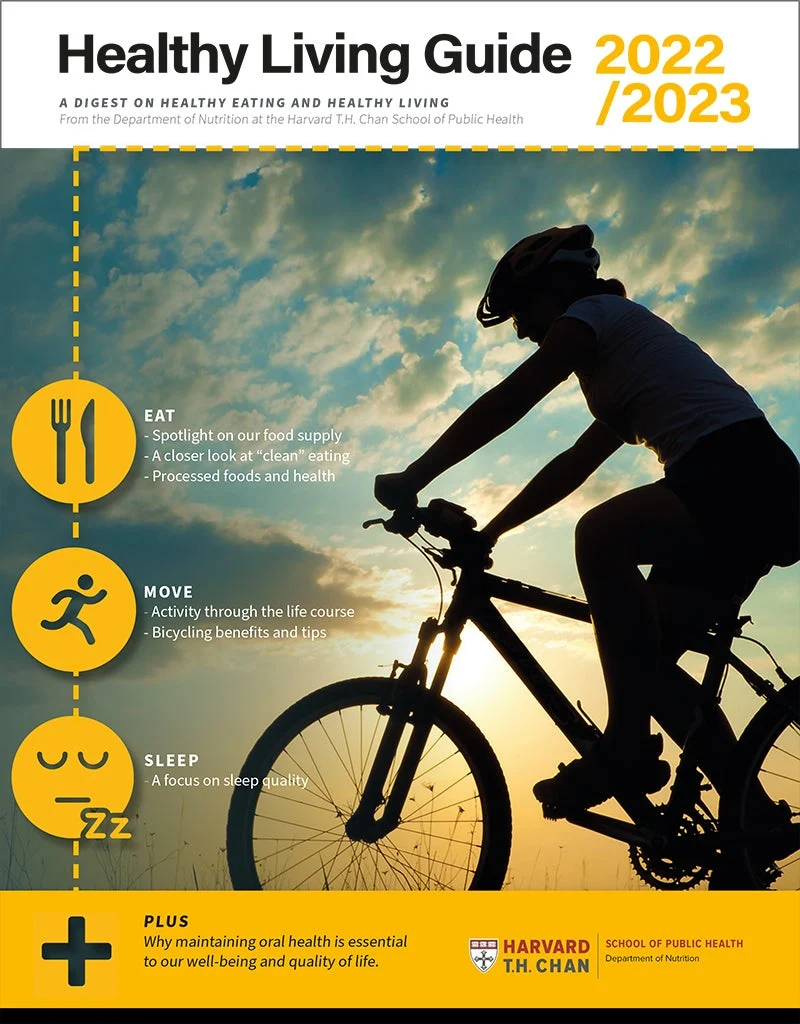
While systemic change is the primary goal, individual actions remain vital. The "Healthy Living Guide," a resource provided by the Harvard T.H. Chan School of Public Health, serves as a bridge between top-down policy and bottom-up individual behavior. It emphasizes that no change is too small. From increasing fiber intake to choosing water over sugar-sweetened beverages, individual choices act as a feedback loop that signals market demand to food producers.
Conclusion: A Roadmap for the Future
The journey toward a healthier, more equitable food landscape is a long-term endeavor. The 2022 White House Conference was merely the opening chapter of a much larger story. As we move through the decade, the effectiveness of the national strategy will depend on the government’s willingness to tackle the "third rails" of nutrition policy—such as food industry regulation and environmental reform.
For the average citizen, the path forward is clear: stay informed, demand greater transparency from food producers, and advocate for local policies that support food security. The integration of public health into the broader national agenda is not just an opportunity for better health outcomes; it is a necessity for a stable, thriving society.
By leveraging the latest research and committing to the long-term work of systemic reform, we can ensure that future generations inherit a food system that nourishes both the people and the planet. As we look toward 2030, the goal is not just to survive, but to flourish through the power of informed, sustainable, and equitable nutrition.
How to Stay Engaged
For those looking to deepen their understanding of healthy living, the Healthy Living Guide remains an essential tool. It offers printable tip sheets, summaries of the latest nutritional science, and actionable advice for individuals at every stage of their wellness journey. By engaging with these resources and participating in the ongoing public discourse, we can all contribute to the necessary shift toward a healthier America.
For further reading and to access the full 2023 Healthy Living Guide, visit the Harvard T.H. Chan School of Public Health’s Nutrition Source website.