










At the 2026 annual meeting of the Associated Professional Sleep Societies (APSS)—commonly referred to as SLEEP 2026—the landscape of respiratory care shifted significantly. Wesper, a pioneer in the development of home sleep apnea testing (HSAT) technology, officially unveiled its multi-tier diagnostic ecosystem. This platform is designed to bridge the gap between high-volume screening and clinical-grade diagnostic precision, offering a unified pathway that promises to fundamentally alter how physicians approach sleep apnea management.
By integrating two distinct diagnostic tiers—Wesper Lab and Wesper Lite—into a single, cohesive patient record, the company aims to move the industry away from the traditional "one-size-fits-all" approach to sleep diagnostics.
Main Facts: The Anatomy of a New Diagnostic Ecosystem
The core innovation of the Wesper ecosystem lies in its flexibility. As demand for sleep testing surges due to growing awareness of sleep-disordered breathing and its systemic health implications, clinicians have often been forced to choose between convenience and clinical depth. The Wesper platform eliminates this trade-off.
Wesper Lab: The High-Fidelity Standard
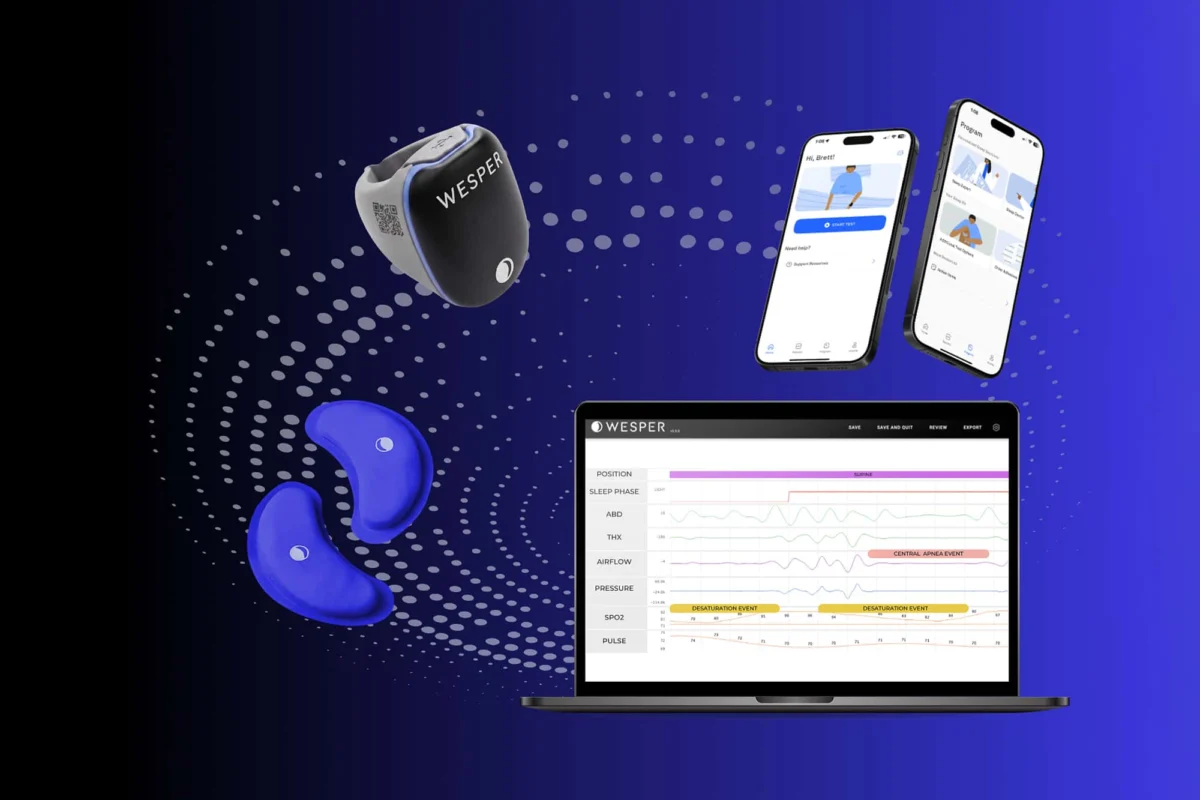
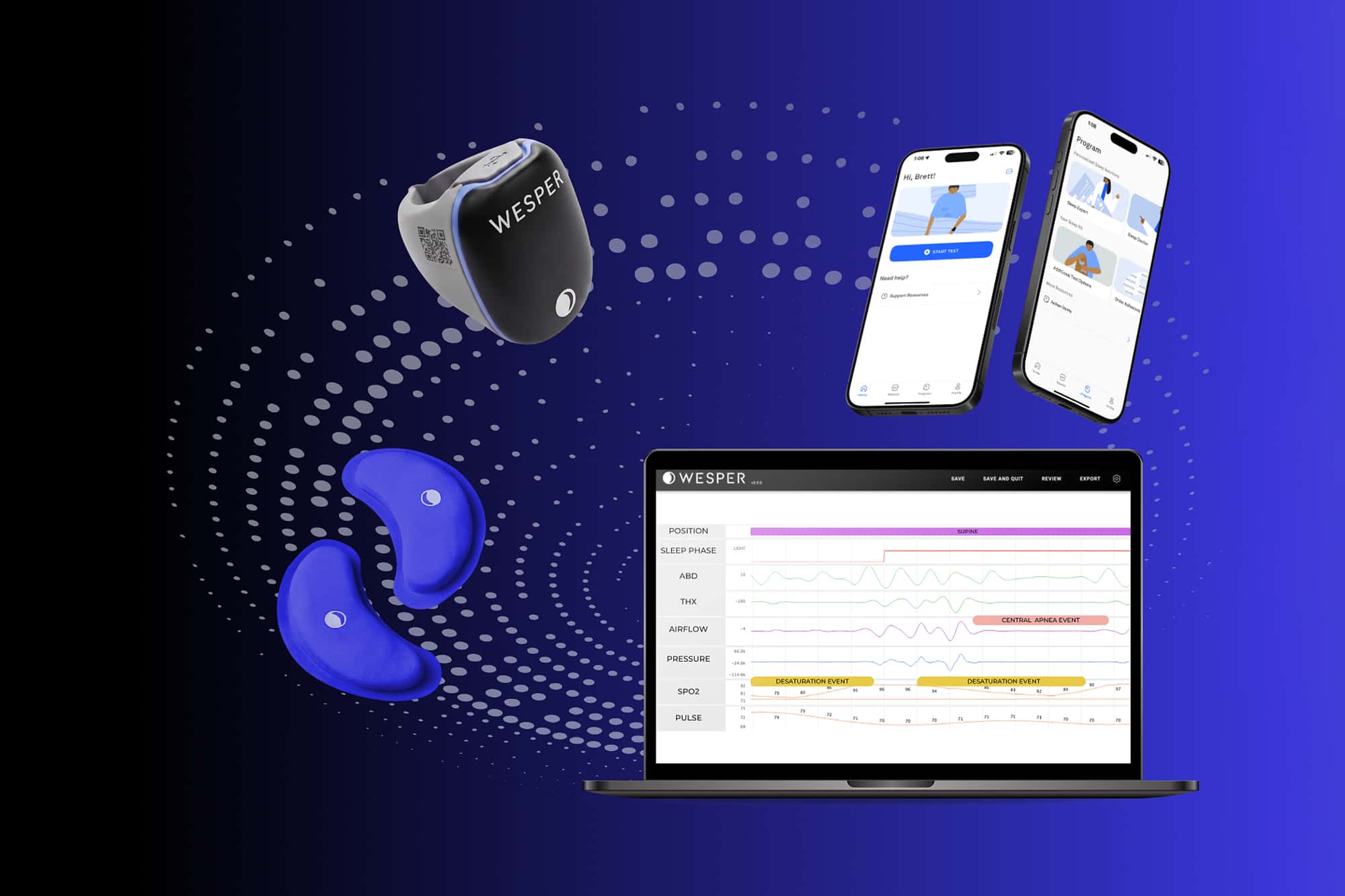
Wesper Lab serves as the flagship, high-fidelity, respiratory-based diagnostic tool. It is engineered for comprehensive analysis, follow-up, and complex case management. Key features include:
- Cannula-free airflow sensing: A significant advancement in patient comfort that reduces the "lab-like" experience for the patient.
- Positional analysis: Providing critical data on how body orientation affects obstructive events.
- Central apnea detection: An essential requirement for distinguishing between obstructive and central sleep apnea, a nuance often missed by lower-tier screening tools.
Wesper Lite: The Scalable Screening Solution
Wesper Lite utilizes optical sensor-based photoplethysmography (PPG). It is designed for high-volume screening, general diagnostics, and longitudinal remote patient monitoring. Its primary strength lies in its ability to provide immediate, actionable data for large patient populations, facilitating faster entry into the care pipeline.
The Unified Patient Record
Perhaps the most significant logistical breakthrough is the consolidation of both tiers into a single patient record. In traditional workflows, upgrading a patient from a screening test to a more rigorous diagnostic test often involves disjointed data systems, repeated onboarding, and lost time. With the Wesper ecosystem, clinicians can escalate a Wesper Lite study to a Wesper Lab study seamlessly, maintaining the continuity of the patient’s clinical journey without redundant administrative burdens.
Chronology: A Trajectory of Innovation
The introduction of this ecosystem at SLEEP 2026 is the culmination of years of iterative development aimed at solving the inherent inefficiencies of the modern sleep clinic.
- Early Development Phase: Wesper initially established its footprint in the market by focusing on user-friendly, wearable sensors that could compete with the accuracy of traditional polysomnography (PSG).
- Validation Milestones: Over the past three years, the company focused on rigorous clinical validation, eventually achieving a 96% correlation to the Apnea-Hypopnea Index (AHI) measured via PSG for its Lite platform.
- Data Integration Strategy: Recognizing the bottleneck in clinical workflows, the engineering team spent the last 24 months developing the cloud-based infrastructure required to merge disparate diagnostic data into a single, unified, and actionable patient chart.
- The Reveal (SLEEP 2026): At this year’s conference, the company moved beyond just hardware, presenting a comprehensive ecosystem that emphasizes longitudinal care, from initial screening to therapy efficacy monitoring.
Supporting Data: Scientific Validation and Research
Wesper’s presence at SLEEP 2026 was bolstered by the presentation of three distinct research posters, which provided the clinical foundation for the new ecosystem. These studies highlight the company’s commitment to evidence-based medicine:
1. Provider-Tuned Autoscoring
The platform employs advanced AI-driven autoscoring that allows for "provider tuning." This means the system can be calibrated to a clinician’s specific preferences, reducing the manual review burden while maintaining high clinical confidence.
2. AI-Driven Central Sleep Apnea Detection
Validation studies presented at the conference demonstrated that the Wesper AI engine is capable of accurately identifying central sleep apnea events. This is a critical development, as central apnea is frequently misidentified as obstructive apnea in home testing environments, leading to suboptimal treatment paths.
3. The Positional OSA Phenotype
One of the most compelling research presentations involved the identification of a specific "positional obstructive sleep apnea" (OSA) phenotype in obese patients. The data suggests that standard AHI—which averages events across all sleep positions—often obscures the reality of positional apnea. By detecting this specific phenotype, clinicians can offer targeted positional therapy rather than defaulting immediately to CPAP, showcasing the power of personalized diagnostics.
Official Responses: The Philosophy of Personalization
In an official statement during the conference, Amir Reuveny, chief executive officer and founder of Wesper, underscored the need for a shift in philosophy within the sleep medicine community.
"Sleep apnea is a complicated condition that presents uniquely in every patient, but existing sleep testing has often been approached as one-size-fits-all," Reuveny stated. He argued that the current diagnostic landscape often forces physicians to settle for suboptimal data simply because of the logistical hurdles of high-end testing.
Reuveny emphasized that the goal of the ecosystem is to empower the physician: "With Wesper Lab and Wesper Lite on one ecosystem, physicians can choose the right test for each patient and follow that patient through diagnosis, treatment, and ongoing monitoring on a single record. That is what personalized sleep testing—and ultimately personalized care—looks like."
The industry reception has been notably positive, with many sleep specialists noting that the ability to escalate a test without re-onboarding is a "game-changer" for patient compliance. Patients are often deterred by the repetitive nature of medical testing; a smoother transition from screening to diagnosis increases the likelihood that a patient will follow through with treatment.
Implications: The Future of Sleep Medicine
The launch of the Wesper ecosystem has several long-term implications for both healthcare providers and the broader medical device market.
Improved Patient Adherence
The "path of least resistance" is a vital concept in chronic care management. By streamlining the diagnostic process, Wesper reduces the "friction" that causes patients to drop out of the diagnostic pipeline. If a screening test can immediately be upgraded to a lab-grade test without the patient having to navigate a new scheduling system or device, the overall rate of successful diagnosis and subsequent treatment will likely increase.
Data-Driven Longitudinal Care
By keeping the patient on one record, the platform shifts the focus from a single "snapshot" of a patient’s health to a longitudinal view. This is crucial for chronic disease management. Clinicians can monitor how a patient’s AHI changes over time, how they respond to lifestyle modifications, and whether their therapy needs adjustment—all within the same digital environment.
The Rise of the "Diagnostic Continuum"
The Wesper ecosystem represents a shift toward a "diagnostic continuum" rather than a set of discrete events. This aligns with broader trends in digital health, where wearable data, clinical diagnostics, and electronic health records (EHR) are converging. As AI continues to play a larger role in sleep medicine, platforms like Wesper’s will likely become the standard, allowing for more precise phenotypes of sleep apnea to be identified and treated.
Economic Efficiencies
For healthcare systems, the economic burden of sleep apnea is massive, largely due to untreated comorbidities like hypertension, heart disease, and diabetes. By providing a scalable, high-volume screening tool (Wesper Lite) that can be targeted only toward those who truly need higher-fidelity diagnostics (Wesper Lab), the ecosystem allows clinics to optimize their resources. This ensures that the most expensive, time-consuming diagnostic resources are used only when necessary, maximizing the return on investment for both the clinic and the payer.
Conclusion
The unveiling of the Wesper multi-tier diagnostic ecosystem at SLEEP 2026 marks a turning point in the field of sleep medicine. By synthesizing advanced AI, comfortable sensor technology, and a unified data architecture, Wesper is addressing the fundamental need for more personalized, efficient, and longitudinal care.
As the medical community continues to grapple with the rising prevalence of sleep disorders, the ability to tailor the diagnostic process to the individual patient—without sacrificing accuracy or clinical depth—will become an indispensable tool. The future of sleep medicine, as demonstrated by the developments at this year’s APSS meeting, is clearly moving toward a more integrated, data-rich, and patient-centric model. For physicians and patients alike, the Wesper ecosystem offers a glimpse into a future where the complexity of sleep apnea is met with a level of clinical precision that was, until now, largely confined to the walls of the traditional sleep lab.