In the fast-paced world of modern dining, the "made-from-scratch" label has become a gold standard for quality. While consumers have grown increasingly savvy about the provenance of their proteins and the sourcing of their vegetables, dessert often remains a blind spot. A surprising number of casual and fine-dining chains outsource their final course, relying on commercial food distributors like Sysco or US Foods to deliver frozen, pre-portioned cakes and tarts. These items are simply thawed and plated, stripping the meal of that elusive, artisanal finish.
However, a select group of major restaurant chains continues to buck this trend. Whether through dedicated central bakeries, on-site pastry chefs, or consistent kitchen-level assembly, these seven establishments have built their reputations on the promise of fresh, in-house desserts.
The Economics of the Dessert Industry
To understand why "in-house" is such a differentiator, one must first look at the logistics of the restaurant industry. Labor is the highest variable cost for any eatery. Employing a skilled pastry chef—a role requiring specialized training and early-morning hours—is an expensive investment. Furthermore, fresh-baked goods have a short shelf life, leading to higher food waste compared to frozen, industrially preserved items that can sit in a freezer for months.

When a restaurant claims to make its desserts in-house, they are making a statement about their brand identity. It suggests that the final impression of the dining experience—the "last bite"—is just as critical as the entree.
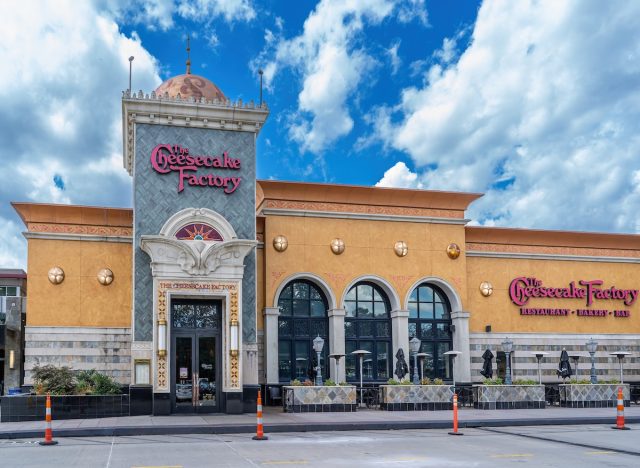
1. The Cheesecake Factory: The Industrial Powerhouse
The name itself creates a paradox. While "The Cheesecake Factory" implies a local bakery atmosphere, the reality is a marvel of industrial-scale craftsmanship. The company does not bake its signature cheesecakes at every individual storefront; instead, they operate massive, dedicated bakery production facilities.
This model allows for stringent quality control. By centralizing the production of their complex recipes, the chain ensures that a slice of Original or Oreo Dream Extreme Cheesecake tastes identical in Miami as it does in Seattle. These cakes are made from scratch using high-quality ingredients and then shipped fresh, not frozen, to their locations. It is a hybrid model: the "in-house" aspect is elevated to a corporate level, ensuring that while the kitchen staff isn’t whipping the batter on-site, the product remains a proprietary, authentic creation of the brand.
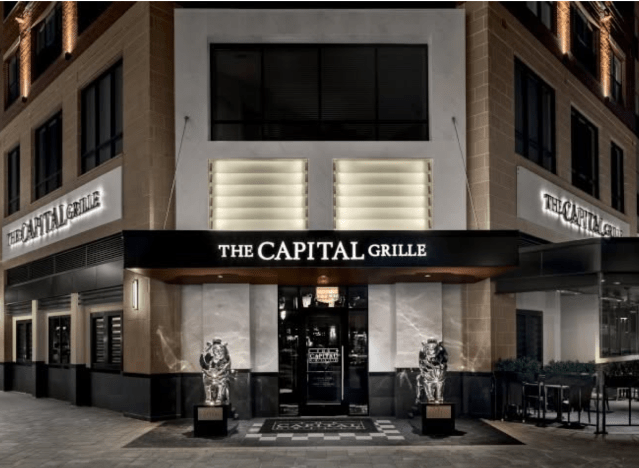
2. The Capital Grille: The Pastry Chef’s Domain
At the other end of the spectrum is The Capital Grille. Operating in the high-stakes world of fine dining, the chain maintains an old-school, labor-intensive approach to its pastry program.
According to the company’s internal operations guidelines, every location employs a dedicated pastry chef. These professionals often arrive before dawn to begin the process of weighing, mixing, and baking. By keeping this talent on staff, The Capital Grille ensures that items like their signature coconut cream pie or flourless chocolate espresso cake are not merely assembled, but truly crafted. This investment in human capital is what allows them to command a premium price point, as patrons are paying not just for the ingredients, but for the artisanal labor required to produce them from scratch every single day.
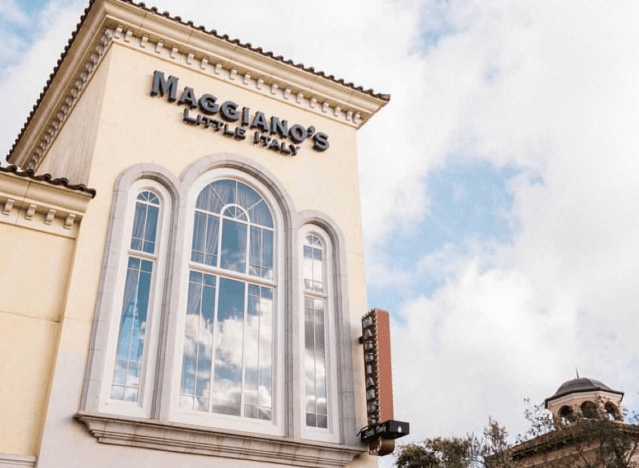
3. Maggiano’s Little Italy: The Power of Freshness
Maggiano’s Little Italy has long been a staple for family-style dining, and their dessert menu—featuring classics like Tiramisu and their famous Gigi’s Butter Cake—is a central draw. The company maintains a philosophy of preparing and baking these items daily.
Evidence from current and former employees suggests that this is not merely marketing fluff. Anecdotes from kitchen staff indicate that the majority of these desserts are assembled and baked in-house, often in response to order volume. This "fresh-to-order" approach ensures that the warm apple crostada, for example, retains the structural integrity of the crust and the vibrancy of the fruit, qualities that are often lost in mass-produced, pre-baked alternatives.
4. Ruth’s Chris Steak House: A Scratch-Kitchen Philosophy
Ruth’s Chris Steak House has carved out a niche by focusing on the "homemade" aesthetic. Their approach to desserts is designed to complement the heavy, savory nature of a high-end steak dinner.
The crown jewel of their dessert menu is their cheesecake, which is prepared with a classic, dense crumb and a traditional baking method. By maintaining a scratch-kitchen approach, the restaurant ensures that the dessert menu feels like an extension of the culinary team’s expertise rather than a catalog-ordered afterthought. This focus on "homemade-style" results in a product that feels familiar, comforting, and elevated, reinforcing the brand’s position as a premium dining destination.
5. Perkins Restaurant & Bakery: The Hybrid Model
Perkins occupies a unique space in the industry, as the word "Bakery" is literally part of their name. Their approach is perhaps the most honest representation of the modern "in-house" chain experience.
At Perkins, the staff handles the daily baking and finishing of items. While some components, such as pre-made fruit pies or cookie dough "pucks," may arrive at the location pre-manufactured, the final product is baked on-site. This means that when a guest orders a slice of pie or a cookie, it is pulled fresh from a restaurant oven. As noted by employees, the distinction here is between "from scratch" (mixing flour and sugar) and "freshly baked." For the consumer, the end result—a warm, fragrant dessert—is often indistinguishable from one made entirely from scratch, proving that operational efficiency and quality can coexist.
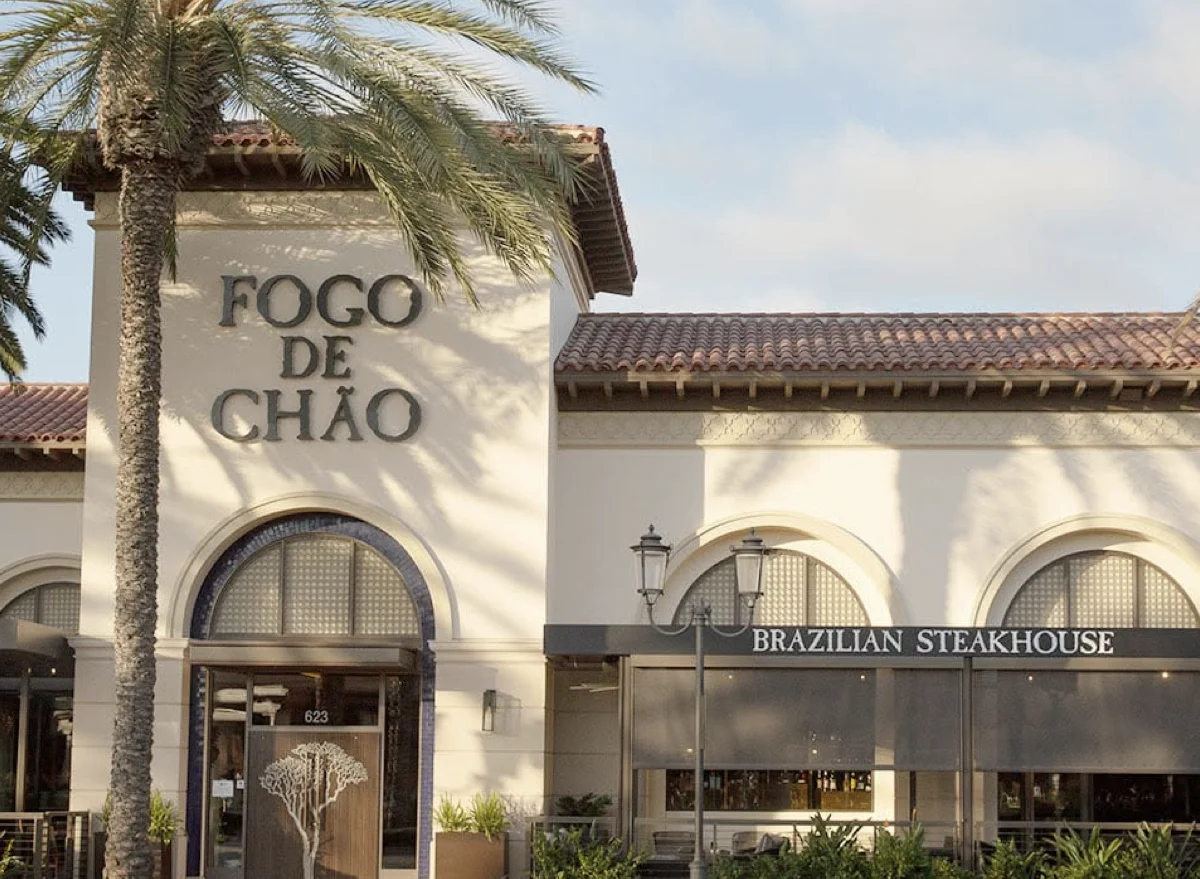
6. Fogo de Chão: The Gaucho Standard
Brazilian steakhouse Fogo de Chão approaches its dessert menu with the same rigor it applies to its rotisserie meats. The traditional sweets, such as their signature flan and papaya cream, are prepared in-house.
The chain emphasizes that their "gaucho chefs" manage the dessert menu, ensuring that the attention to detail remains consistent throughout the entire dining experience. By keeping these recipes in-house, Fogo de Chão maintains the cultural authenticity of its offerings. The papaya cream, for instance, requires a specific consistency that would be impossible to achieve through a third-party distributor, justifying the labor costs associated with their scratch-prep model.
7. Cheddar’s Scratch Kitchen: The Definition Dilemma
Cheddar’s Scratch Kitchen offers a fascinating case study in the subjective nature of the term "scratch." Their menu features items like the Legendary Monster Cookie and a multi-layered Carrot Cake.
The company confirms that these items are baked and assembled in-house. However, as some employees have pointed out on industry forums, the "scratch" label is nuanced. While the baking occurs on-site, the ingredients might include commercial pre-mixes. This raises a valid question for the consumer: Does "scratch" mean starting with raw flour, eggs, and butter, or does it mean the act of baking occurs within the four walls of the restaurant? For most diners, the latter is enough to satisfy the craving for freshness, even if the definition of "scratch" remains open to interpretation.
Implications for the Future of Dining
The decision to bake in-house is a significant strategic move. It forces a restaurant to balance the high costs of labor and the risks of food waste against the demand for quality. As diners become more educated, we are likely to see a bifurcation in the industry:
- The Artisan Chain: Restaurants that lean into the "scratch" model as a core value proposition, marketing their pastry chefs and daily bake schedules as a key reason to visit.
- The Efficiency-First Chain: Restaurants that outsource dessert to maintain low price points, relying on branding and service to distract from the lack of on-site baking.
For the consumer, the takeaway is clear: the term "homemade" is a spectrum. Whether a dessert is crafted from raw ingredients by a pastry chef at The Capital Grille or finished in a local oven at a Perkins, the effort to bake on-site is a hallmark of a brand that values the guest experience. When you see a "freshly baked" claim on a menu, it is worth asking: is it a local bake, or a corporate-level bake? In either case, the warmth and aroma of a fresh-from-the-oven dessert remain one of the most reliable markers of a restaurant that cares about the final note of your meal.