









In the modern fitness landscape, the definition of being "in shape" has undergone a radical transformation. For decades, the metric of success was defined by bench press personal bests or body fat percentages. However, as we enter the era of "longevity fitness," experts are shifting the focus toward functional movement—the ability to navigate the physical demands of daily life with autonomy, stability, and confidence.
For individuals over 60, maintaining physical independence is not just a health goal; it is a fundamental pillar of quality of life. According to fitness and hormone health expert Corry Matthews, true physical fitness at this stage of life is measured by how well one moves, balances, and stabilizes, rather than how much weight one can move in a gym setting.
The Science of Functional Aging
Strength drills—ranging from bodyweight exercises to resistance training with bands and free weights—are the gold standard for healthy aging. As we age, our bodies undergo natural physiological changes, including sarcopenia (muscle loss) and a decrease in bone density. Incorporating consistent strength training is the most effective antidote to these processes.
Beyond simply building muscle, these drills serve a broader purpose: they strengthen joints, enhance metabolism, and significantly lower the risk of injury—specifically falls, which remain a leading cause of health complications in older adults. By mastering fundamental movement patterns, individuals can safeguard their independence, ensuring they remain capable of performing essential tasks without assistance.
Expert Insight: Redefining Fitness for the Golden Years
Corry Matthews, co-founder of Strength & Grace Fitness and a former professional bodybuilder, emphasizes that training after 60 should be viewed through the lens of longevity.
"When we think about being ‘in good shape’ after 60, it’s less about how much weight someone can lift and more about how well they move through everyday life," Matthews explains. "The best strength drills for healthy aging assess the ability to move with strength, balance, coordination, mobility, and control. These are the skills that help maintain independence, confidence, and long-term quality of life."
Matthews specializes in coaching women through perimenopause and menopause, helping them navigate the metabolic and structural shifts that occur during these life stages. Her philosophy centers on sustainable movement that prioritizes long-term health over short-term aesthetics.
The Six Essential Drills: A Self-Assessment for Longevity
To help you gauge your current physical health, we have compiled six core strength drills. These movements are not merely exercises; they are diagnostic tools for functional health. If you can perform these with proper form, you are well-positioned for an active, independent future.
1. The Sit-to-Stand
Often taken for granted, the ability to rise from a seated position is a critical indicator of lower-body power.
- The Rationale: This drill measures leg strength, balance, and core engagement. It mirrors the mechanics of getting out of a chair, a car, or a bed.
- Why It Matters: As muscle mass declines in the quadriceps and glutes, the difficulty of rising from a low seat increases. Maintaining this skill prevents the "deconditioning cycle," where individuals become increasingly sedentary due to the perceived effort of basic standing movements.
2. Single-Leg Balance Hold
Stability is perhaps the most underrated component of fitness. The ability to maintain balance on one leg is a prerequisite for a normal, safe gait.
- The Rationale: Balance naturally fluctuates with age due to changes in the vestibular system and proprioception. A single-leg hold tests your ability to stabilize the hip and ankle joints.
- Why It Matters: Every step you take is essentially a series of single-leg stands. By practicing this hold, you are training your body to prevent instability during walking and climbing stairs, which is your primary defense against tripping and falling.
3. The Farmer’s Carry
This simple but punishing drill is the ultimate test of functional, real-world strength. It involves walking while holding a weighted object in each hand.
- The Rationale: It simultaneously challenges grip strength, core stability, and posture. It requires the body to maintain an upright, rigid spine while in motion.
- Why It Matters: From carrying heavy grocery bags to navigating travel with luggage, the Farmer’s Carry builds the "load-bearing" capacity required to handle the physical demands of daily errands without straining the lower back or shoulders.
4. Wall Pushups
While the floor pushup is the standard for general fitness, the wall pushup is an accessible, high-reward modification that builds essential upper-body strength.
- The Rationale: This movement targets the chest, shoulders, and triceps while promoting healthy scapular movement.
- Why It Matters: Upper-body strength is vital for pushing doors, helping oneself up from the floor in an emergency, or simply reaching into high cupboards. It also keeps the shoulder girdle healthy, which is often a site of chronic pain and stiffness in older adults.
5. Step-Ups
The step-up is a unilateral exercise, meaning it works each leg independently, which is vital for correcting muscular imbalances.
- The Rationale: This drill assesses lower-body power, coordination, and cardiovascular endurance.
- Why It Matters: Climbing stairs or navigating a curb are movements that require significant knee stability and hip strength. By mastering the step-up, you ensure that your body can handle elevation changes comfortably, reducing the risk of fatigue-related trips.
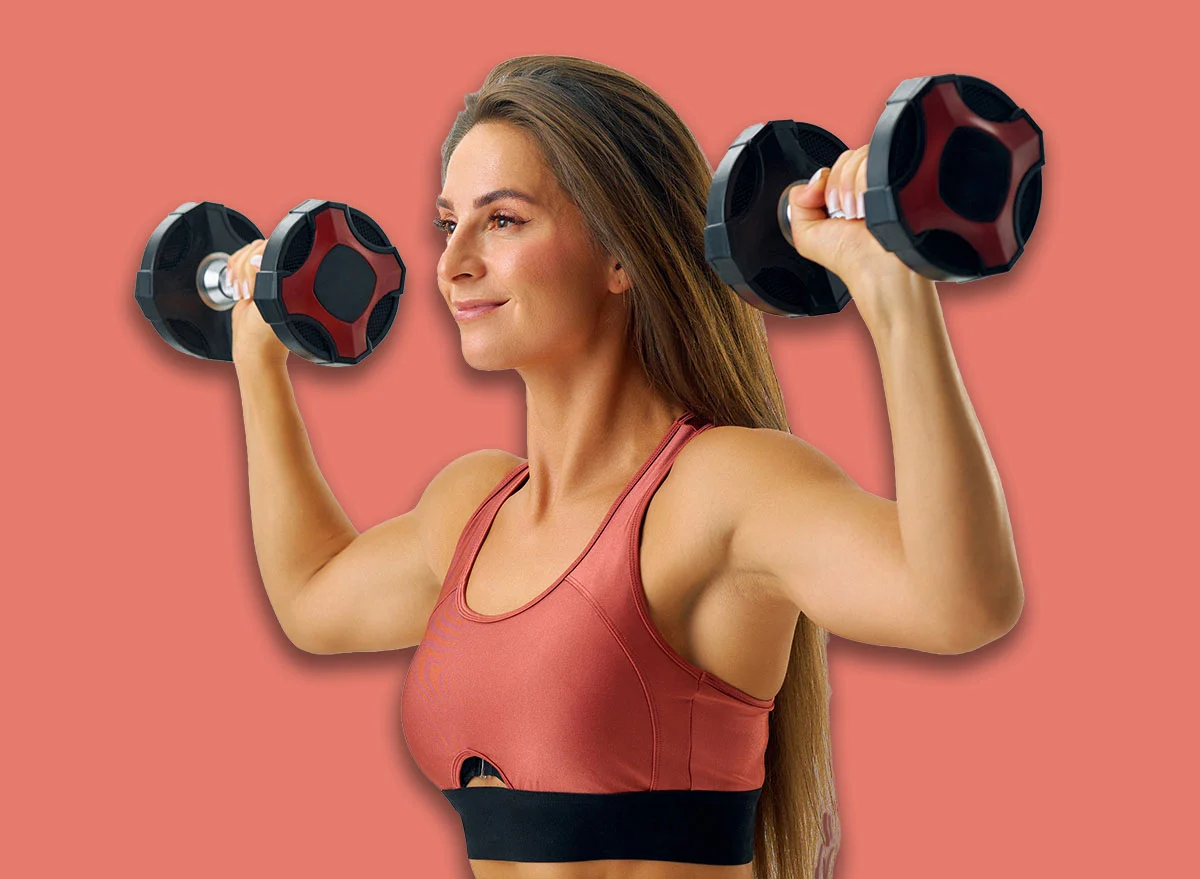
6. Standing Overhead Press
Lifting an object above the head is one of the first movement patterns lost when mobility begins to decline.
- The Rationale: This exercise tests shoulder mobility, core rigidity, and thoracic spine health.
- Why It Matters: Beyond the gym, overhead strength is needed to place dishes in high cabinets or reach for items on shelves. Maintaining this range of motion prevents "frozen" or restricted shoulders and keeps the upper body functional for daily domestic tasks.
Implications for Long-Term Health
The decision to incorporate these drills into your weekly routine has profound implications for your future. When we move well, we feel better, and when we feel better, we are more likely to stay active. This creates a "virtuous cycle" of health.
Preventing the Cycle of Deconditioning
The most dangerous trap for individuals over 60 is the "use it or lose it" phenomenon. When movement becomes difficult, the natural tendency is to reduce activity levels. However, this reduction in movement leads to further atrophy, which in turn makes movement even harder. By testing your baseline with these six drills, you can identify areas of weakness before they lead to functional limitations.
Improving Bone Density
Strength drills involve resistance, which places stress on the skeletal system. According to the principle of Wolff’s Law, bone tissue adapts to the loads placed upon it. By performing movements like step-ups and carries, you are sending a signal to your body to increase bone mineral density, a critical factor in preventing osteoporosis and fracture-related complications.
Boosting Metabolic Health
Muscle tissue is metabolically active. Even at rest, muscle burns more calories than fat. By building or maintaining lean muscle mass through these drills, you are effectively "future-proofing" your metabolism, which helps in weight management and blood sugar regulation—both of which become more challenging as hormone levels shift with age.
Conclusion: The Path Forward
The goal of fitness after 60 is not to win competitions or achieve a specific physique; it is to remain the author of your own life. By focusing on the strength, balance, and mobility drills outlined by Corry Matthews, you are investing in the most valuable asset you possess: your ability to function independently.
If you find that some of these drills are challenging, do not be discouraged. Use them as a roadmap for your training. Start with modifications, focus on your form, and be consistent. The human body is remarkably resilient; with the right stimulus, you can improve your functional capacity at any age.
For more information on fitness strategies for healthy aging, consult with a certified personal trainer or a specialist in geriatric exercise science to ensure that your program is tailored to your specific health history and physical capabilities.