










A landmark study published on February 4, 2026, in Neurology Open Access, the official journal of the American Academy of Neurology, has provided compelling evidence regarding the protective potential of dietary choices against cerebrovascular disease. The research, which tracked over 100,000 women for an average of 21 years, suggests that adhering to a Mediterranean-style eating pattern is associated with a markedly lower risk of suffering a stroke.
While the study stops short of claiming a direct causal link, it identifies a robust statistical association between the consumption of nutrient-dense, plant-based foods and long-term neurological health. As stroke remains one of the leading global causes of death and permanent disability, these findings offer a tangible, lifestyle-based strategy for risk mitigation.
The Anatomy of the Study: Methodology and Scope
To understand the long-term impacts of diet on brain health, researchers at the City of Hope Comprehensive Cancer Center in Duarte, California, spearheaded a massive longitudinal analysis. The study encompassed 105,614 women, all of whom were stroke-free at the inception of the research. With an average starting age of 53, the cohort provided a comprehensive look at the transition into later life, a period when stroke risk typically escalates.
Scoring the Mediterranean Lifestyle
At the outset of the study, each participant completed an extensive dietary questionnaire. Researchers utilized a scoring system ranging from zero to nine to quantify adherence to Mediterranean diet principles.
Points were awarded based on the following metrics:
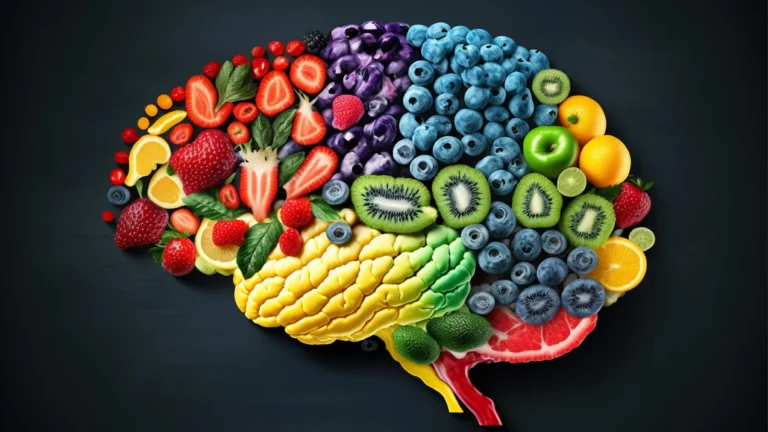
- High Consumption: Whole grain cereals, fruits, vegetables, legumes, olive oil, and fish.
- Moderate Consumption: Alcohol (within controlled limits).
- Low Consumption: Red meat and high-fat dairy products.
Participants were then categorized by their scores. Approximately 30% of the participants fell into the "highest adherence" group (scoring between six and nine), while 13% were classified in the "lowest adherence" group (scoring between zero and two). This stratification allowed for a stark comparison between those who embraced the Mediterranean lifestyle and those whose diets remained more conventional or westernized.
Chronology of Findings: Two Decades of Health Data
The researchers monitored the health outcomes of the 105,614 women over an average span of 21 years. During this observation period, 4,083 total strokes were recorded among the cohort. To ensure clinical accuracy, the study distinguished between the two primary classifications of the condition:
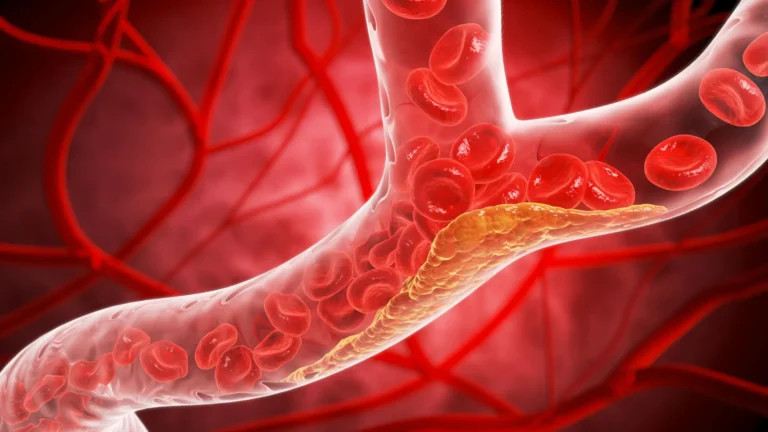
- Ischemic Stroke: Occurring when blood flow to a section of the brain is obstructed by a clot or narrowing of the vessels. This is the most common form of stroke.
- Hemorrhagic Stroke: Occurring when a blood vessel ruptures, resulting in internal bleeding within the brain.
Statistical Breakthroughs
The data revealed a consistent protective trend for those with higher diet scores.
- Ischemic Strokes: There were 3,358 recorded cases. Even after adjusting for confounding variables such as smoking status, physical activity levels, and pre-existing high blood pressure, women in the highest diet category showed a 16% lower risk of ischemic stroke.
- Hemorrhagic Strokes: There were 725 recorded cases. Perhaps most significantly, the data showed a 25% lower risk of hemorrhagic stroke among the top-tier diet scorers compared to those in the lowest category.
Overall, the aggregate data indicated that women who adhered most closely to the Mediterranean diet were 18% less likely to experience any form of stroke compared to their peers in the lowest scoring group.
Defining the Mediterranean Diet: Beyond the Buzzword
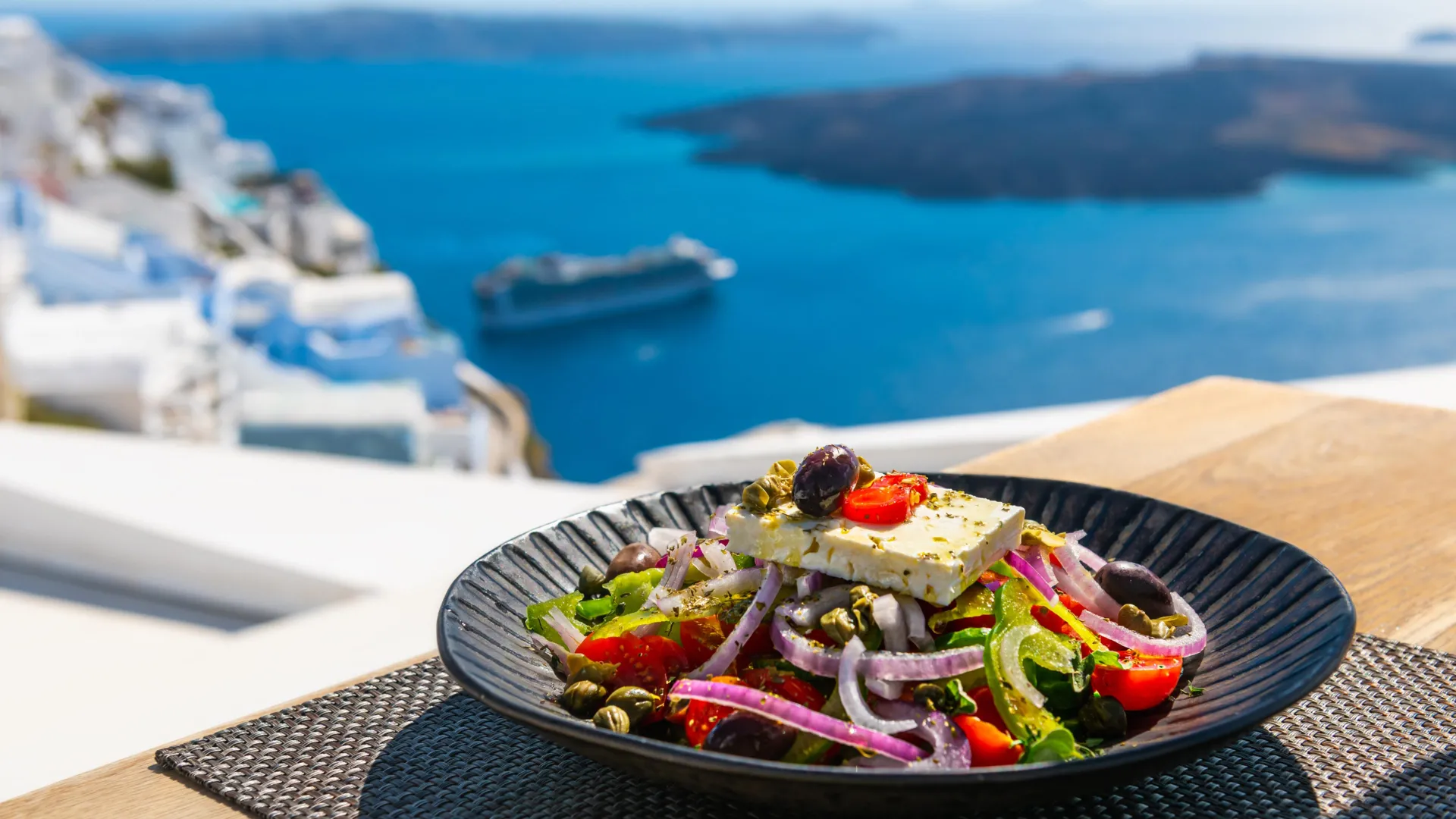
The Mediterranean diet is more than a weight-loss trend; it is a dietary pattern deeply rooted in the cultural traditions of countries bordering the Mediterranean Sea. It is characterized by the prioritization of whole, unprocessed foods and the replacement of saturated fats with healthier, monounsaturated alternatives.
Key Pillars of the Pattern
- Plant-Forward: A heavy emphasis on vegetables, fruits, and legumes ensures a high intake of fiber, antioxidants, and essential micronutrients.
- Healthy Fats: Olive oil serves as the primary source of added fat, providing anti-inflammatory properties that are believed to support cardiovascular and cerebrovascular integrity.
- Protein Sources: The diet favors fish and legumes over red and processed meats, reducing the intake of harmful saturated fatty acids that contribute to plaque buildup in the arteries.
- Limitation of Dairy: While not strictly dairy-free, the diet encourages a reduction in high-fat dairy, favoring moderate intake or alternatives.
Official Responses and Clinical Perspectives
Dr. Sophia S. Wang, the lead author of the study and a researcher at the City of Hope Comprehensive Cancer Center, emphasized the significance of the findings during the press release following the publication.
"Our findings support the mounting evidence that a healthy diet is critical to stroke prevention," Dr. Wang stated. She noted that while previous studies have largely focused on the impact of diet on heart disease, the specific correlation between the Mediterranean diet and hemorrhagic stroke was a notable highlight of this research. "We were especially interested to see that this finding applies to hemorrhagic stroke, as few large studies have looked at this type of stroke," she explained.
Dr. Wang acknowledged the broader implications for public health. Because stroke remains a devastating disease that often leaves survivors with long-term disabilities, finding non-pharmacological, preventative measures is a top priority for the medical community. "It’s exciting to think that improving our diets could lessen our risk for this devastating disease," she added.
Implications for Public Health and Future Research
The publication of this study comes at a time when the global burden of stroke is rising. As populations age, the incidence of cerebrovascular events is expected to increase, placing a heavier strain on healthcare systems worldwide.
Understanding the Mechanisms
While the study establishes a strong correlation, Dr. Wang and her team noted that further research is required to pinpoint the exact biological mechanisms at play. Questions remain regarding how specific nutrients within the Mediterranean diet—such as the polyphenols in olive oil or the omega-3 fatty acids in fish—interact with the vascular system to prevent both clot formation and vessel rupture.
Addressing Limitations
The researchers were transparent about the study’s limitations, primarily the reliance on self-reported dietary information. Self-reporting is subject to recall bias, as participants may inadvertently misremember or misrepresent their typical eating habits over long periods. Future studies may look to incorporate biomarker testing or real-time dietary tracking apps to provide more granular data.
Call to Action
The study was funded by the National Institute of Neurological Diseases and Stroke, reflecting the importance of this research in the eyes of federal health authorities. The implications are clear: moving toward a diet rich in plants, fish, and healthy fats is a safe, sustainable, and highly effective way for women to take proactive control of their neurological health.
As the scientific community continues to peel back the layers of how nutrition impacts brain health, this 21-year study stands as a pillar of evidence for the Mediterranean approach. It provides not just a set of dietary rules, but a roadmap for long-term survival and vitality, reinforcing the adage that what we put on our plates today serves as the foundation for our health tomorrow.
With cardiovascular and neurological health so inextricably linked, the adoption of this diet could potentially revolutionize stroke prevention strategies, shifting the focus from reactive medical treatment to proactive lifestyle management. Further studies will undoubtedly continue to build upon this data, helping clinicians refine nutritional recommendations for patients of all ages.