










By Gwendolyn Wu
Published June 16, 2026
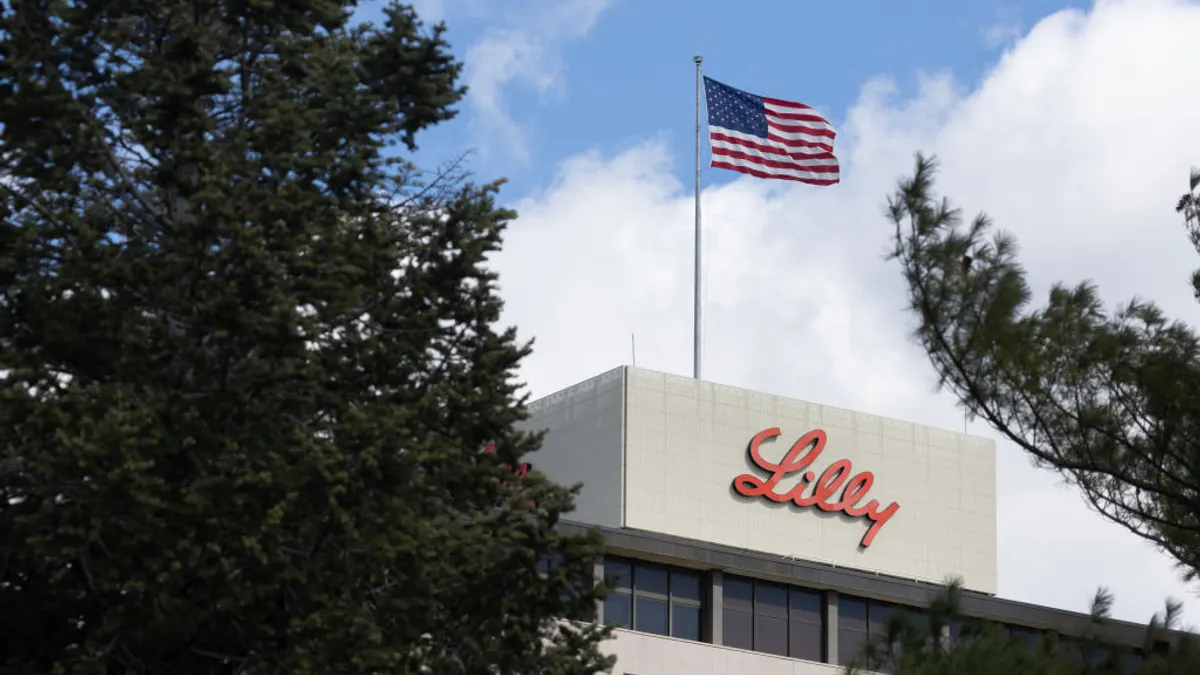
In a strategic maneuver that reinforces its aggressive expansion into the pain management sector, pharmaceutical giant Eli Lilly and Company announced on Tuesday that it has entered into a definitive agreement to acquire 4E Therapeutics. The acquisition, the latest in a multi-billion-dollar shopping spree by the Indianapolis-based powerhouse, aims to bolster Lilly’s pipeline of non-opioid, non-addictive pain treatments—a therapeutic area that has long been plagued by high failure rates but carries immense commercial promise.
The deal for the Austin, Texas-based startup marks the second time in two years that Lilly has sought to consolidate its footprint in non-opioid pain research, signaling a concerted effort to move beyond traditional analgesic models that rely on highly addictive substances.
Main Facts: The Strategic Rationale
Lilly’s decision to absorb 4E Therapeutics is rooted in the startup’s proprietary research into MNK inhibitors. These compounds target specific enzymes within a cellular signaling pathway that dictates how external stimuli are translated into pain signals. By modulating these pathways, 4E Therapeutics has developed a lead candidate, 4ET1103, which is designed to treat neuropathic pain—a debilitating condition often resistant to conventional therapies.
According to preliminary data, 4ET1103 has successfully completed early-stage human clinical trials, demonstrating a favorable safety profile. Unlike opioids, which interact with central nervous system receptors to mask pain, the MNK inhibition approach focuses on the peripheral biological mechanisms of pain transmission, theoretically eliminating the risk of addiction or respiratory depression associated with traditional narcotics.
While the financial terms of the acquisition remain undisclosed, the deal represents a significant exit for 4E Therapeutics, which until now had been fueled by approximately $10 million in private funding and targeted grants from the National Institutes of Health (NIH).
A Chronology of Lilly’s Acquisition Strategy
The acquisition of 4E Therapeutics is the latest chapter in a broader, multi-year transformation for Eli Lilly. Since 2024, the company has deployed more than $18 billion in capital to diversify its portfolio, leveraging the massive revenue streams generated by its dominant position in the obesity and metabolic disease markets.
- Early 2024: Lilly begins a systematic review of its pain pipeline, identifying a critical need for non-opioid alternatives to compete in a shifting regulatory and clinical landscape.
- May 2025: Lilly acquires SiteOne Therapeutics for up to $1 billion. SiteOne’s focus on sodium ion channel modulation provided a foundation for addressing chronic pain at the source.
- Late 2025 – Early 2026: Recognizing the volatility of pain drug development, Lilly faces setbacks, including the termination of two experimental pain programs involving P2X7 antagonists.
- June 2026: Lilly officially announces the acquisition of 4E Therapeutics, integrating the startup’s MNK inhibitor platform into its R&D engine.
- Ongoing (2026): Throughout the current year, Lilly has aggressively targeted companies in the genetic medicine, sleep disorder, and vaccine sectors, including a $6.3 billion takeover of Centessa Pharmaceuticals.
Supporting Data: The High-Stakes World of Pain Research
The pain management market is notoriously difficult to navigate. For decades, the industry relied on opioids, but the ongoing public health crisis regarding addiction has created an urgent, multi-billion-dollar demand for safer alternatives. However, translating biological breakthroughs into FDA-approved drugs is a hurdle that has claimed dozens of promising candidates.
Lilly’s recent history illustrates this volatility. While the company has invested heavily in acquisitions, it has simultaneously pruned its own internal pipeline. The decision to axe two experimental pain drugs in the last 12 months serves as a stark reminder of the "fail fast" mentality required in modern drug discovery. The acquisition of 4E Therapeutics is effectively a hedge; by buying a company that has already demonstrated safety in early-stage humans, Lilly reduces its initial R&D risk.
Furthermore, the scale of Lilly’s recent acquisitions is unprecedented. From the $6.3 billion Centessa deal—focused on sleep disorders—to investments in vaccine manufacturers like Limmatech and Curevo, Lilly is using its obesity-drug windfall to build an "all-weather" pharmaceutical portfolio.

Official Responses and Industry Outlook
The leadership at 4E Therapeutics has expressed optimism regarding the integration into the larger Lilly ecosystem. Ted Price, a co-founder of 4E, emphasized that the startup’s research required the kind of infrastructure that only a global player could provide.
"Lilly’s clinical development, translational and global commercial capacity—and its deep commitment to tackling the challenges of chronic pain for patients—make it the right home for realizing the full potential of this work for patients," Price said in a prepared statement.
For the pharmaceutical industry, the deal serves as a bellwether. Many mid-sized biotech firms are struggling to secure the late-stage funding necessary to reach Phase 3 trials. As capital markets remain selective, firms like Lilly are positioned to act as "acquirer of choice," providing the capital and regulatory expertise to push experimental science across the finish line.
Implications: The Future of Pain Management
The implications of the 4E Therapeutics acquisition extend far beyond the balance sheets of two companies.
1. The Death of the "One-Size-Fits-All" Painkiller
The current standard of care—opioids—is increasingly viewed as an outdated, high-risk solution. By investing in diverse mechanisms like sodium channel blockers (via SiteOne) and MNK inhibitors (via 4E), Lilly is betting on a future where pain management is specialized. Future prescriptions may be tailored to the specific biological root of a patient’s pain, rather than relying on a blunt-force chemical intervention.

2. The "Obesity-to-Innovation" Pipeline
Lilly’s ability to spend billions on acquisitions is directly tied to the commercial success of its metabolic franchise. The cycle is clear: massive success in one therapeutic category is being used to fund the high-risk, high-reward exploration of another. This "reinvestment model" is currently setting the pace for the entire Big Pharma sector.
3. Regulatory and Public Health Pressure
The FDA and other global regulators are under constant pressure to approve non-addictive pain alternatives. Lilly’s acquisition strategy is not just commercially savvy; it aligns with the public health mandate to solve the opioid epidemic. If 4E’s lead candidate, 4ET1103, or similar assets in the pipeline eventually reach the market, they could fundamentally alter the standard of care for millions of Americans suffering from chronic neuropathic conditions.
4. Competitive Landscape
Lilly is not the only player in this space. Vertex Pharmaceuticals and other biotech innovators are also racing to develop non-opioid pain solutions. With the acquisition of 4E, Lilly is ensuring that it remains at the forefront of this arms race, preventing rivals from securing key intellectual property in the MNK inhibition space.
As the industry moves into the second half of 2026, all eyes will be on the clinical trial updates from Lilly’s pain portfolio. The success of these acquisitions will ultimately be judged not by the dollar amount of the deals, but by the ability of these molecules to safely and effectively alleviate the suffering of patients without the systemic risks of the past.