





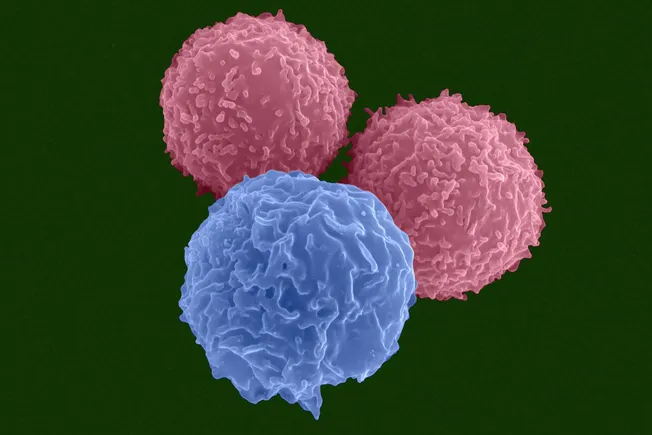
In a strategic maneuver that underscores the shifting landscape of precision medicine, Jazz Pharmaceuticals has announced a multi-target discovery partnership with the Vancouver-based biotech powerhouse AbCellera. This collaboration aims to leverage AbCellera’s proprietary artificial intelligence-driven platform to develop "multispecific" T-cell engagers—a sophisticated class of antibodies designed to bridge the gap between immune cells and stubborn solid tumors.
For Jazz, a company historically anchored in the neuroscience sector, this move marks a decisive acceleration into the oncology space. By tapping into AbCellera’s renowned antibody discovery engine, Jazz intends to confront the most daunting challenges in modern cancer treatment: overcoming the limitations of current T-cell engagers and successfully targeting gastrointestinal and other solid malignancies.
Main Facts: A Strategic Pivot Toward Next-Generation Immunotherapy
The partnership focuses on the development of novel bispecific and multispecific antibodies. Unlike traditional monoclonal antibodies, which bind to a single antigen, these "engagers" act as a biological bridge. One arm of the molecule attaches to a T-cell, while the other arm targets a specific marker on the surface of a cancer cell. This physical proximity forces the immune system to recognize and eliminate the tumor.
While "bispecific" T-cell engagers (TCEs) have seen notable success in hematological malignancies—such as leukemia and lymphoma—they have largely struggled to gain traction in solid tumors. The partnership aims to rectify this by utilizing AbCellera’s technology to identify targets that are highly specific to cancer cells, thereby minimizing the "off-target" effects that often lead to toxic side effects.
Chronology: From Neuroscience Roots to Oncology Ambitions
The Evolution of Jazz Pharmaceuticals
Jazz Pharmaceuticals was long synonymous with the treatment of sleep disorders and epilepsy, most notably through its blockbuster drug Xyrem. However, the company began a deliberate transformation over the last five years to diversify its portfolio.
- 2020-2021: Jazz completed a major strategic acquisition of GW Pharmaceuticals, signaling an interest in complex cannabinoid science, while simultaneously building out its oncology pipeline.
- 2023-2024: The company accelerated its oncology focus through the acquisition of assets like dordaviprone (formerly from Chimerix).
- Current Status: The AbCellera partnership represents the latest step in a multi-year effort to pivot from a CNS-specialty firm to a diversified oncology leader with a robust, internal R&D engine.
The Rise of AbCellera
AbCellera’s ascent in the biotech sector has been meteoric, punctuated by its pivotal role in the COVID-19 pandemic.
- 2020: The company successfully launched one of the largest biotech IPOs in recent history, driven by its collaboration with Eli Lilly to develop bamlanivimab, a groundbreaking neutralizing antibody for COVID-19.
- 2021-Present: AbCellera has transitioned from a pandemic-response hero to a platform-as-a-service giant, partnering with major global pharmaceutical players to solve the "needle in a haystack" problem of drug discovery.
Supporting Data: The Technical Hurdle of Solid Tumors
The urgency behind this partnership stems from the inherent difficulties of applying T-cell engagers to solid tumors. According to data from the Mayo Clinic and various oncology research journals, current TCEs face three primary obstacles:
- Limited Penetration: Solid tumors often create a dense, fibrotic microenvironment that acts as a physical barrier to large antibody molecules.
- Cytokine Release Syndrome (CRS): This is a systemic, overactive immune response. Because current TCEs can activate T-cells indiscriminately, they often trigger a "cytokine storm," which can be fatal for patients.
- Target Specificity: Finding a protein on a solid tumor that is not also present on healthy, vital organs is significantly more difficult than in blood cancers, where the targets are often restricted to immune cell lineages.
To circumvent these issues, the industry is moving toward "masked" or "conditionally active" T-cell engagers. These molecules remain inert in the bloodstream and only "activate" once they encounter the unique chemical environment of a tumor. AbCellera’s platform, which uses deep learning to scan millions of immune cells, is particularly suited to discovering these refined, high-affinity candidates.
Official Responses and Strategic Rationale
While specific financial terms of the deal were not disclosed, both parties have signaled that the partnership is a long-term commitment to high-risk, high-reward R&D.
"We are entering an era where precision is the only way forward," a representative from the research team noted. By combining Jazz’s deep clinical development expertise with AbCellera’s AI-powered discovery engine, the companies hope to shorten the time it takes to move a lead candidate from the lab bench to the clinic.
For Jazz, the goal is to create a "best-in-class" pipeline. "Our focus is no longer just on incremental improvements, but on solving the biological roadblocks that have held back immunotherapies in the solid tumor space," said a company spokesperson during the announcement.
Implications: The Future of the Antibody Market
The collaboration between Jazz and AbCellera is a bellwether for the broader biopharmaceutical industry. It highlights several critical trends:
1. The "Platformization" of Discovery
The traditional "lone-wolf" approach to drug discovery—where a company spends billions in an internal lab hoping for a breakthrough—is fading. Instead, "platform" companies like AbCellera, Janux Therapeutics, and Vir Biotechnology are becoming the backbone of the industry. These companies provide the tools (AI, phage display, and protein engineering) that allow traditional pharma companies to de-risk their pipelines.
2. The Shift Toward "Multispecifics"
If bispecifics were the "version 1.0" of immunotherapy, multispecifics are "version 2.0." By targeting three or more proteins simultaneously, researchers hope to achieve a level of specificity that essentially eliminates healthy-cell collateral damage. If successful, this could transform solid tumor treatments from toxic, high-dose chemotherapy regimens to targeted, lower-toxicity immunotherapy sessions.
3. Oncology as the Primary Battleground
Despite the growth in gene therapy and mRNA technology, monoclonal antibodies and their derivatives remain the primary vehicle for treating cancer. The massive investment from companies like Jazz into this space proves that the industry still views protein engineering as the most reliable path to patient outcomes.
4. Navigating the Regulatory Landscape
As these complex therapies move toward clinical trials, the FDA and other global regulators are developing new frameworks for evaluating them. Because "masked" or "conditional" therapies behave differently than standard drugs, the industry expects a period of rigorous clinical oversight. The success of this partnership will likely depend not just on the science, but on how effectively Jazz and AbCellera can demonstrate the safety profile of their new candidates in the early stages of human testing.
Conclusion
The partnership between Jazz Pharmaceuticals and AbCellera is more than a simple business agreement; it is a calculated gamble on the future of immunotherapy. As the industry moves beyond the "low-hanging fruit" of blood cancers, the focus has shifted to the structural and immunological complexities of solid tumors.
By marrying the computational might of AbCellera with the clinical and commercial infrastructure of Jazz, the two companies are positioning themselves at the cutting edge of a new medical revolution. Whether this partnership can successfully deliver the next generation of cancer-killing antibodies remains to be seen, but the intent is clear: the era of broad-spectrum oncology is ending, and the era of precise, multispecific, AI-driven medicine is just beginning. As these companies progress toward the first phase of discovery, the global oncology community will be watching closely to see if they can finally unlock the full potential of T-cell engagement in the fight against solid tumors.