










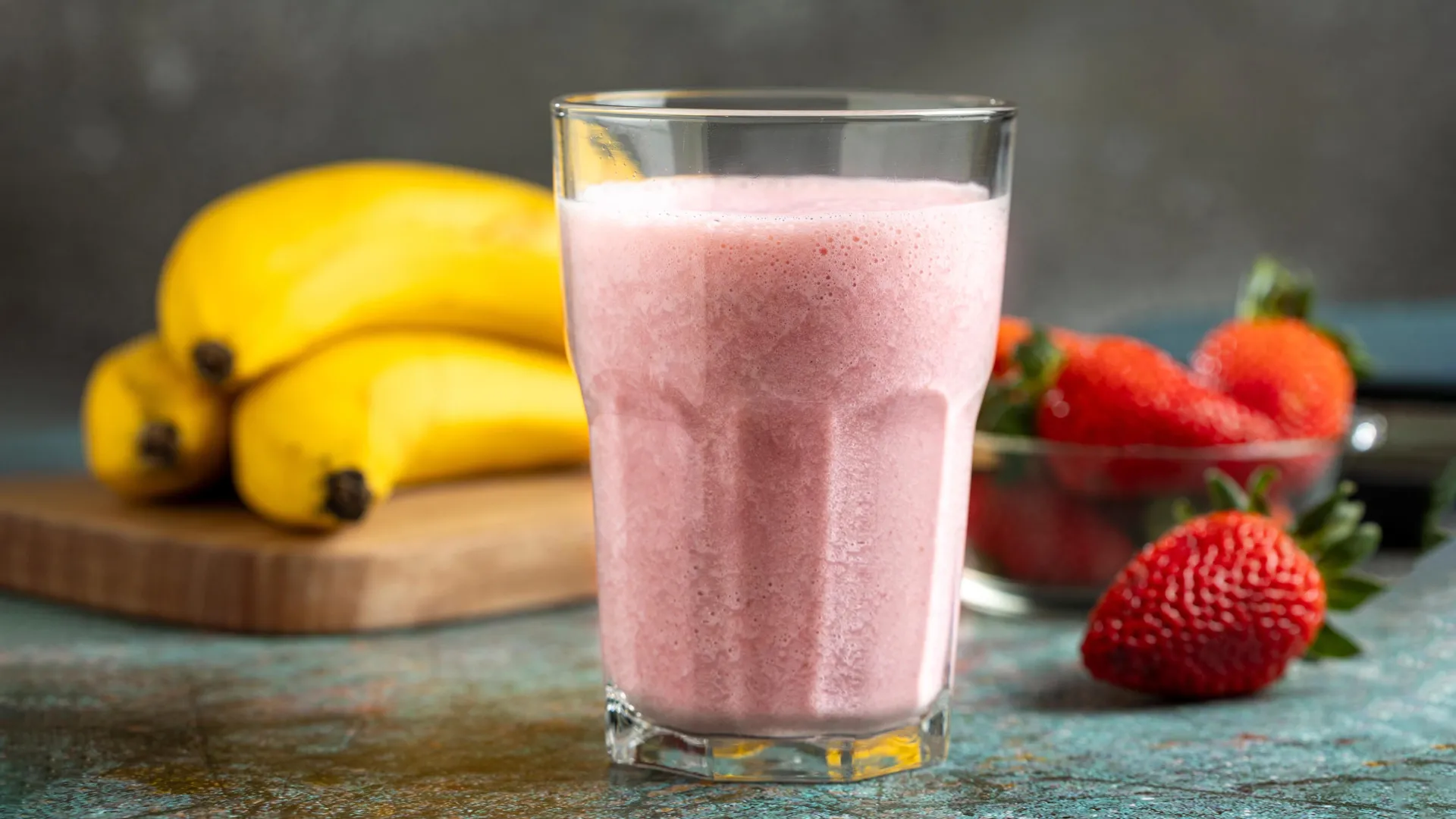
For millions of health-conscious individuals, the morning routine is anchored by a simple, vibrant ritual: the fruit smoothie. It is a convenient, portable, and seemingly foolproof way to flood the body with vitamins, fiber, and antioxidants. A handful of blueberries, a splash of almond milk, and a banana for that signature creamy texture—it feels like the gold standard of wellness. However, groundbreaking research from the University of California, Davis, suggests that this common culinary marriage may be creating a nutritional "bottleneck," effectively neutralizing the very compounds that make your smoothie healthy in the first place.
The Chemistry of Compromise: Understanding Polyphenol Oxidase
At the heart of this nutritional puzzle is a naturally occurring enzyme known as polyphenol oxidase (PPO). While the name may sound industrial, PPO is a biological staple in the plant kingdom. It is the same enzyme responsible for the unappealing brown film that develops on the surface of a sliced apple or the dark spots on a bruised banana.
In a study recently published in the Royal Society of Chemistry journal Food & Function, researchers explored how this enzyme interacts with flavanols—a group of potent bioactive plant compounds celebrated for their protective effects on heart and cognitive health. Flavanols, found in abundance in berries, grapes, apples, pears, and raw cocoa, are highly sensitive to their environment. The UC Davis team discovered that when high-PPO ingredients like bananas are blended with flavanol-rich foods, the enzyme triggers a rapid degradation of these compounds before they can be absorbed by the body.
"We sought to understand, on a very practical level, how a common food and food preparation like a banana-based smoothie could affect the availability of flavanols to be absorbed after intake," says lead author Javier Ottaviani, director of the Core Laboratory of Mars Edge and an adjunct researcher at the UC Davis Department of Nutrition.
A Chronology of the Discovery
The research process was methodical, designed to isolate the impact of ingredient combinations on nutrient bioavailability.
Phase 1: Identifying the Variables
The researchers began by categorizing common smoothie ingredients based on their PPO activity. They identified bananas as "high-PPO" candidates, while mixed berries—specifically blueberries and blackberries—were classified as "low-PPO." By establishing these two distinct profiles, the team could create a controlled environment to measure how different blending strategies altered the nutritional payoff.
Phase 2: Clinical Trials and Blood Analysis
In the initial arm of the study, a small cohort of healthy men consumed three distinct types of beverages: a smoothie made with high-PPO bananas, a smoothie made with low-PPO mixed berries, and a flavanol-rich capsule as a control.
The results were stark. Participants who consumed the banana-based smoothie showed an 84% reduction in systemic flavanol levels compared to the control group. Conversely, those who drank the berry-based, low-PPO smoothie exhibited flavanol absorption levels nearly identical to the capsule control.
Phase 3: The "Post-Consumption" Test
To further investigate whether this interaction was limited to the blender or extended into the digestive tract, the researchers conducted a secondary test. Participants were given a high-PPO banana drink but were instructed to consume it in a way that kept the banana and the flavanols separate until they reached the stomach. Even in this scenario, flavanol levels were significantly diminished, suggesting that PPO activity remains potent enough to interfere with nutrient absorption even after ingestion.
The Role of Flavanols in Human Health
To understand why this reduction is significant, one must understand the stakes. The Academy of Nutrition and Dietetics currently recommends a daily intake of 400 to 600 milligrams of flavanols to support cardiometabolic health. These compounds are essentially "vascular caretakers"; they improve blood flow, assist in regulating blood pressure, and contribute to the maintenance of healthy cholesterol levels.
Emerging research, such as the COSMOS (COcoa Supplement and Multivitamin Outcomes Study) program, has also investigated the link between flavanols and cognitive function. While broad-spectrum cognitive benefits remain a subject of ongoing debate, specific data suggests that individuals with lower diet quality may see marked improvements in memory and brain health when their intake of these plant-based compounds is optimized. When your smoothie, which is intended to be a concentrated source of these nutrients, is stripped of its efficacy by a single added ingredient, the opportunity cost to your long-term health becomes clear.
Implications for the Modern Kitchen
The findings do not imply that bananas are "bad" or should be banished from a healthy diet. Quite the contrary—bananas remain an excellent source of potassium, dietary fiber, and natural energy. The takeaway is one of strategic pairing.
The "Flavanol-Friendly" Smoothie Strategy
If your primary goal for a specific meal is to maximize the intake of heart-healthy compounds found in berries, cocoa, or grapes, nutritionists suggest swapping out the banana.
- Optimal Low-PPO Pairings: To maintain the desired creamy texture and sweetness of a smoothie without triggering the PPO reaction, consider using ingredients such as mango, pineapple, oranges, or Greek yogurt. These ingredients offer the necessary body and flavor profile while allowing the berries or cocoa to deliver their full nutritional punch.
- The "Separate and Enjoy" Rule: There is no reason to abandon the banana entirely. It remains an excellent, convenient snack. By enjoying your banana at a different time of day, you can capture its benefits without sacrificing the flavanols in your berry-based morning beverage.
Expert Perspectives: A Balanced View
While the findings are compelling, the research community is quick to temper potential alarmism. The study was, by design, a controlled and small-scale investigation. With the initial test involving eight participants and the follow-up involving eleven, experts emphasize that this is a starting point, not the definitive end of nutritional science.
"It is important to remember that human nutrition is a complex system," notes one independent dietitian. "One smoothie combination does not dictate your total health outcomes. The most important factor remains the overall variety and consistency of your diet throughout the week."
Furthermore, nutrition is highly individualized. Factors such as gut microbiome diversity, individual metabolic rates, and the presence of other food components in the stomach can influence how nutrients are absorbed. The UC Davis study provides a "practical message" rather than a rigid rule: we must stop thinking of smoothies as a random pile of ingredients and start viewing them as a complex biochemical reaction.
The Future of Bioactive Research
The implications of this study may reach far beyond the blender. Javier Ottaviani notes that the research opens a new door into how we prepare other nutrient-dense foods. For instance, tea—a primary source of flavanols—is frequently paired with other foods or additives that may contain enzymes capable of altering their bioavailability.
"This is certainly an area that deserves more attention in the field of polyphenols and bioactive compounds in general," Ottaviani stated. The study acts as a call to action for the scientific community to move beyond simply asking "what is in this food?" and start asking "how does this food behave when combined with others?"
Conclusion: A Shift in Culinary Consciousness
The UC Davis research serves as a reminder that the "health halo" surrounding certain food preparations can sometimes mask subtle, unintended consequences. The lesson is not one of restriction, but of optimization. By becoming more aware of how ingredients interact, we can ensure that the effort we put into healthy eating actually translates into the physiological benefits we seek.
As you look toward your next smoothie, consider the chemistry. If you are reaching for the frozen berries or the cocoa powder, perhaps set the banana aside and reach for the mango or yogurt instead. It is a small adjustment that exemplifies the modern approach to nutrition: evidence-based, practical, and highly effective. Ultimately, your health is defined not just by what you eat, but by how your body is able to utilize the nutrients you provide it. By making simple, informed choices, you can turn your daily beverage into a more powerful tool for long-term vitality.