When the topic of "upper body strength" arises, the cultural conversation often skews toward intimidating imagery: racks of heavy iron plates, the rhythmic clanking of gym machinery, and the high-pressure environment of personal training sessions. For many, the mental checklist of fitness "shoulds"—I should learn to lift weights, I should be able to hold a plank without my core collapsing—becomes a barrier rather than a bridge to better health.
However, as of mid-2026, a shift in wellness philosophy is emphasizing a more personalized, accessible approach. Upper body strength is no longer about hitting arbitrary benchmarks set by fitness influencers; it is about cultivating functional capability that serves the unique demands of your daily life. Whether you are aiming to dominate on the pickleball court, effortlessly stow heavy luggage in an overhead bin, or comfortably lift your grandchildren, the secret to longevity isn’t found in a gym membership—it is found on your yoga mat.
The Functional Imperative: Why Upper Body Strength Matters
The human body is designed for movement, yet modern sedentary lifestyles often lead to a gradual atrophy of the muscles in the back, shoulders, and arms. This isn’t merely an aesthetic concern; it is a functional one. Weakness in the upper posterior chain can lead to poor posture, chronic neck pain, and a decreased ability to perform basic daily tasks.
By integrating a brief, 10-minute yoga-based strengthening routine into your daily rhythm, you can reclaim your range of motion and stability. This practice focuses on "load-bearing" through bodyweight, which promotes bone density and muscle endurance without the joint-stressing intensity of traditional weightlifting.
A 10-Minute Chronology of Movement
To build consistent strength, structure is key. The following progression is designed to be performed in sequence, moving from restorative grounding to active engagement and finally to release.
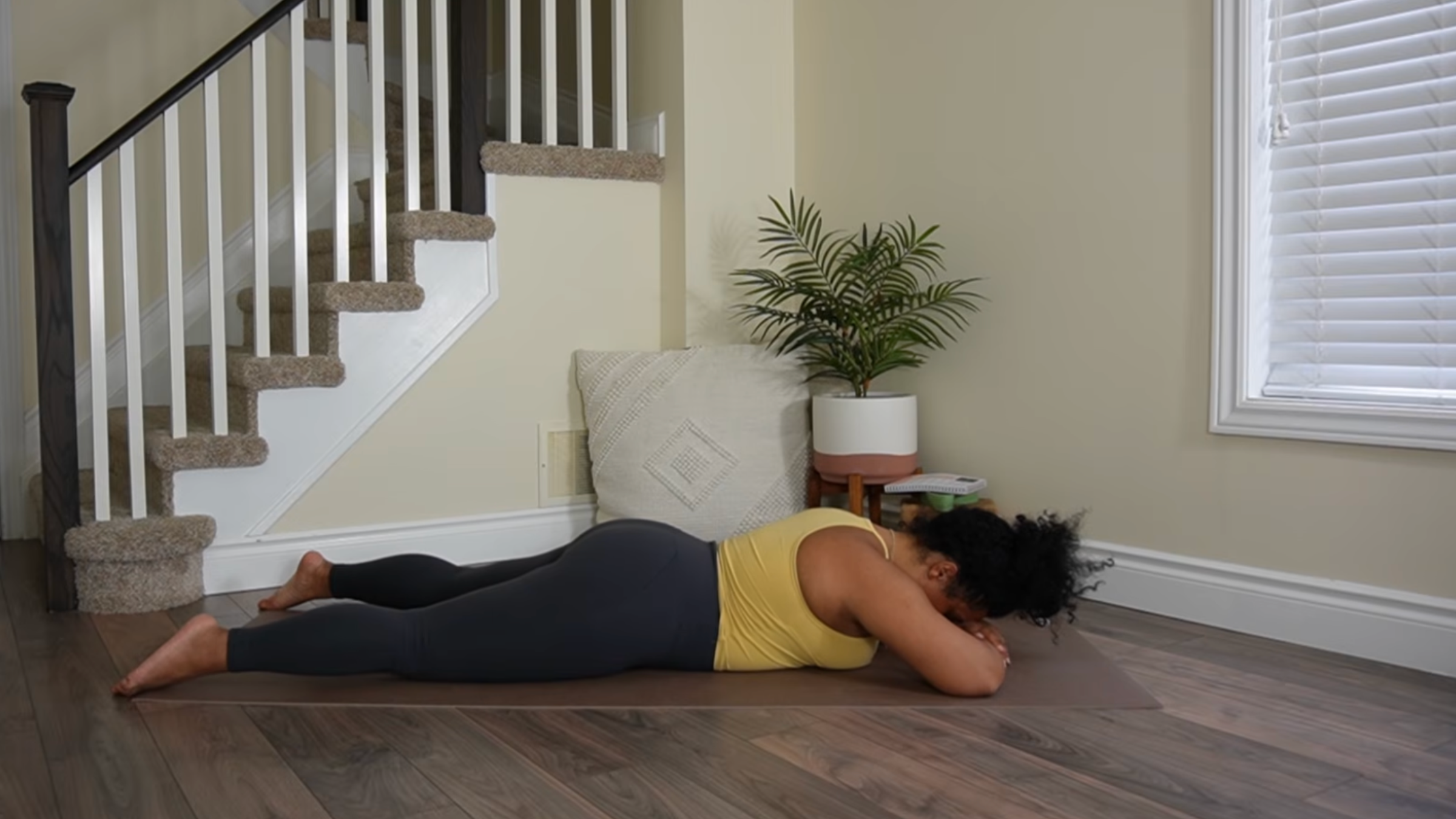
1. The Foundation: Crocodile Pose (Makarasana)
Begin by lying prone (on your belly) with feet mat-width apart. Stack your hands, palms facing down, and rest your forehead on your top hand. This pose serves as your "home base." By releasing your weight into the floor, you allow your nervous system to down-regulate, preparing the muscles for the work to come.
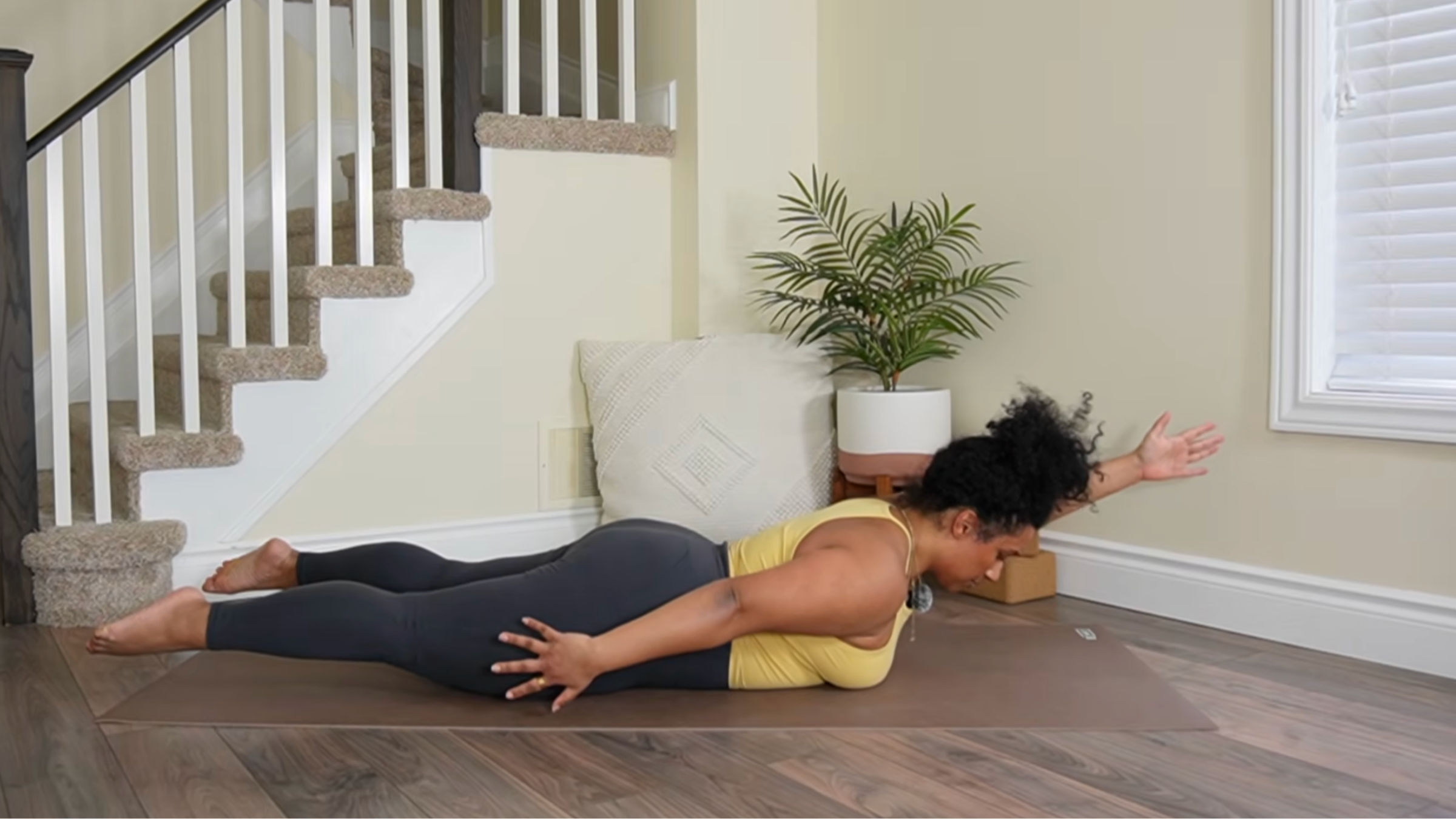
2. Locust Pose Variation: Igniting the Posterior Chain
From the grounding of Crocodile Pose, transition into the Locust variation. By planting your palms near your ribs and squeezing your upper arms toward your midline, you activate the muscles between the shoulder blades. Lifting the palms an inch off the mat—while pressing the tops of your feet down—engages the spinal extensors. Extending one arm forward at a time while keeping the other anchored creates a cross-body stabilization challenge that mimics real-world movements like reaching or pulling.
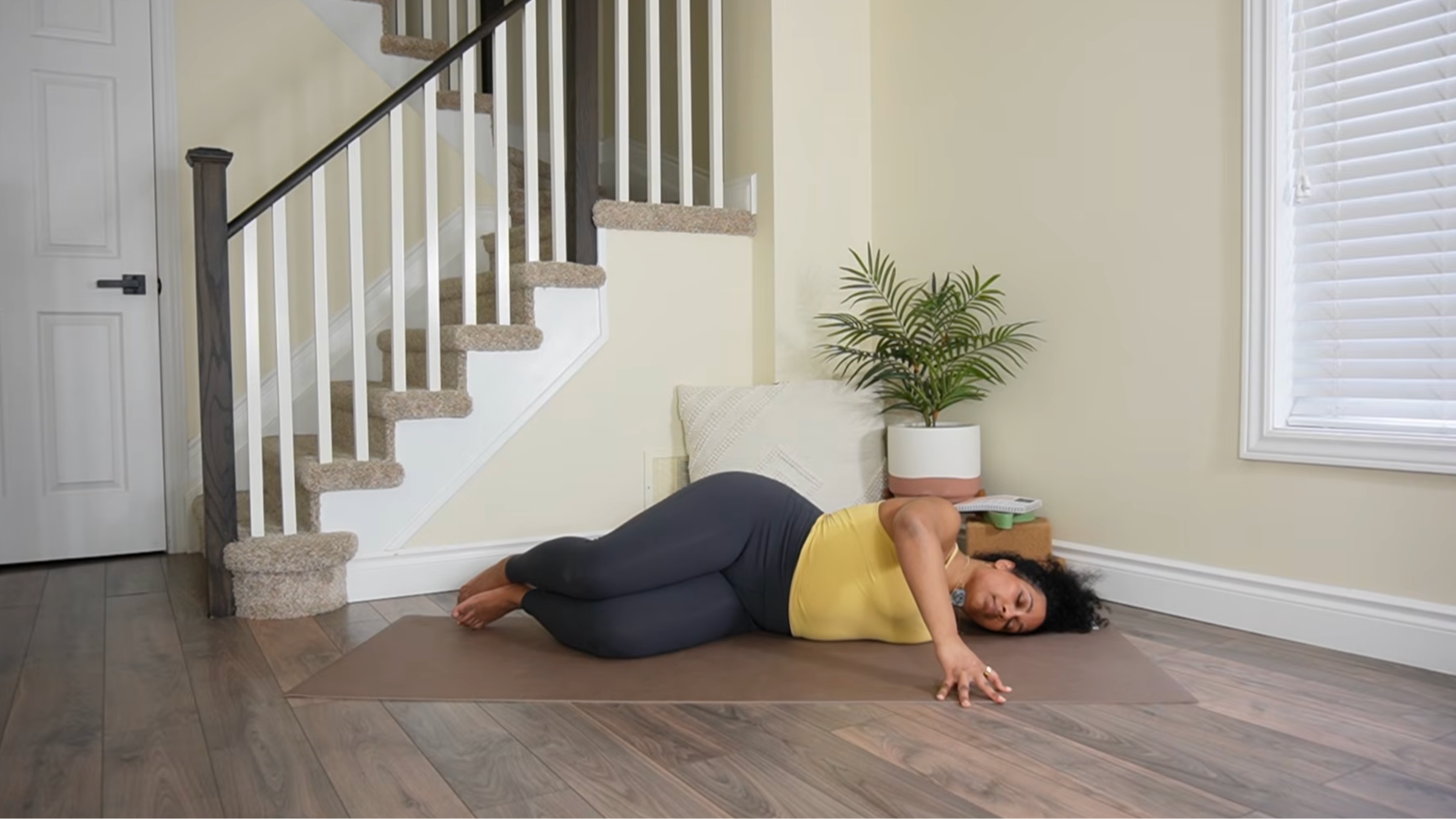
3. Broken Wing: Opening the Pectorals
Tight chest muscles often cause the shoulders to roll forward, creating the "hunch" associated with desk work. The Broken Wing variation corrects this. By drawing one arm into a "cactus" position and gently rolling onto the side, you provide a deep, targeted stretch to the pectoral muscles and the front of the shoulder, effectively "unwinding" the tension of the day.
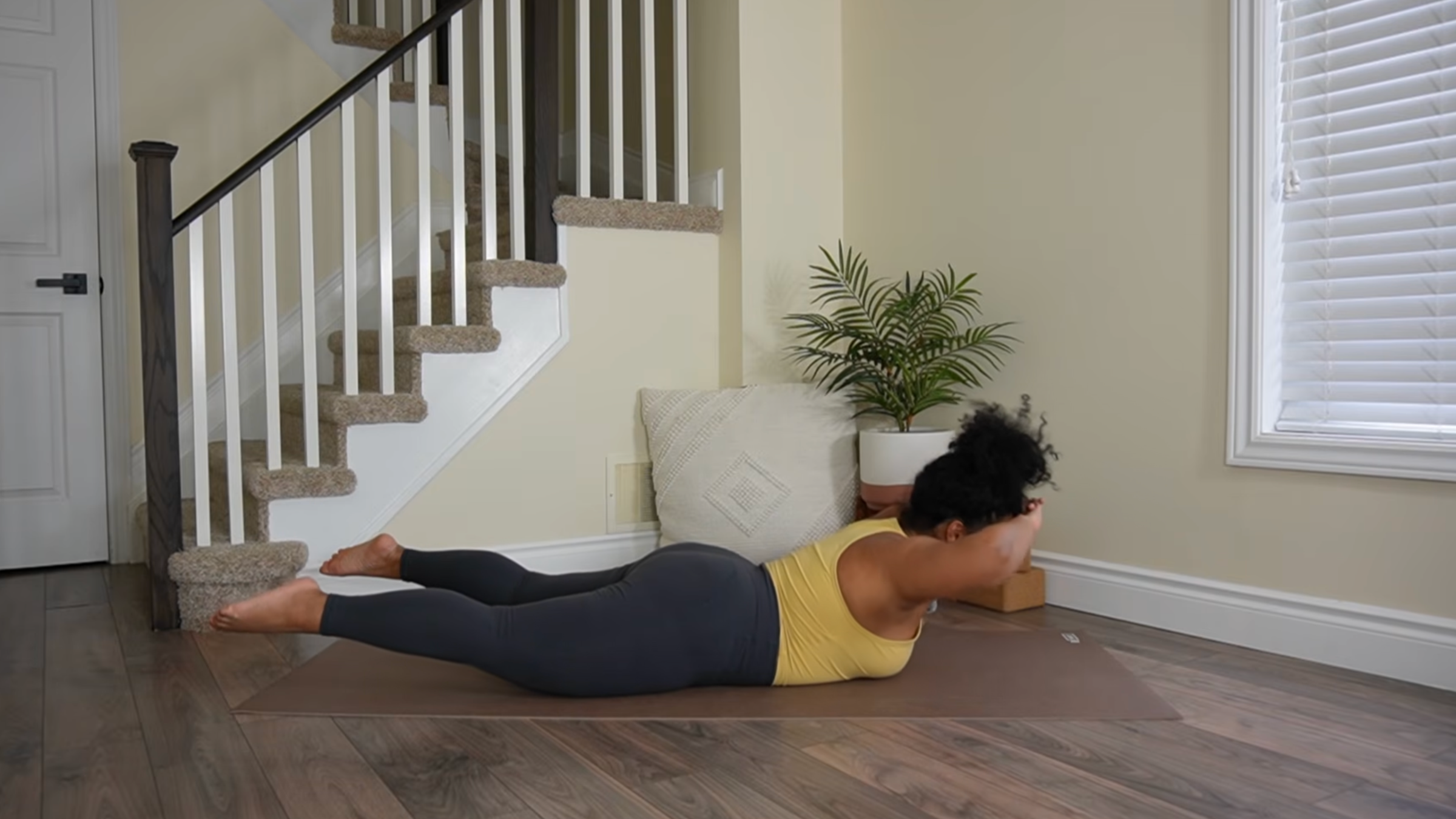
4. Locust Pose Lifts: Building Endurance
This iteration focuses on the core-arm connection. By lifting the chest and arms in unison, you force the upper back to support the weight of the torso. Slow, controlled descents—rather than gravity-assisted drops—are where the actual strengthening happens. This "eccentric" movement is highly effective for building lean muscle mass.
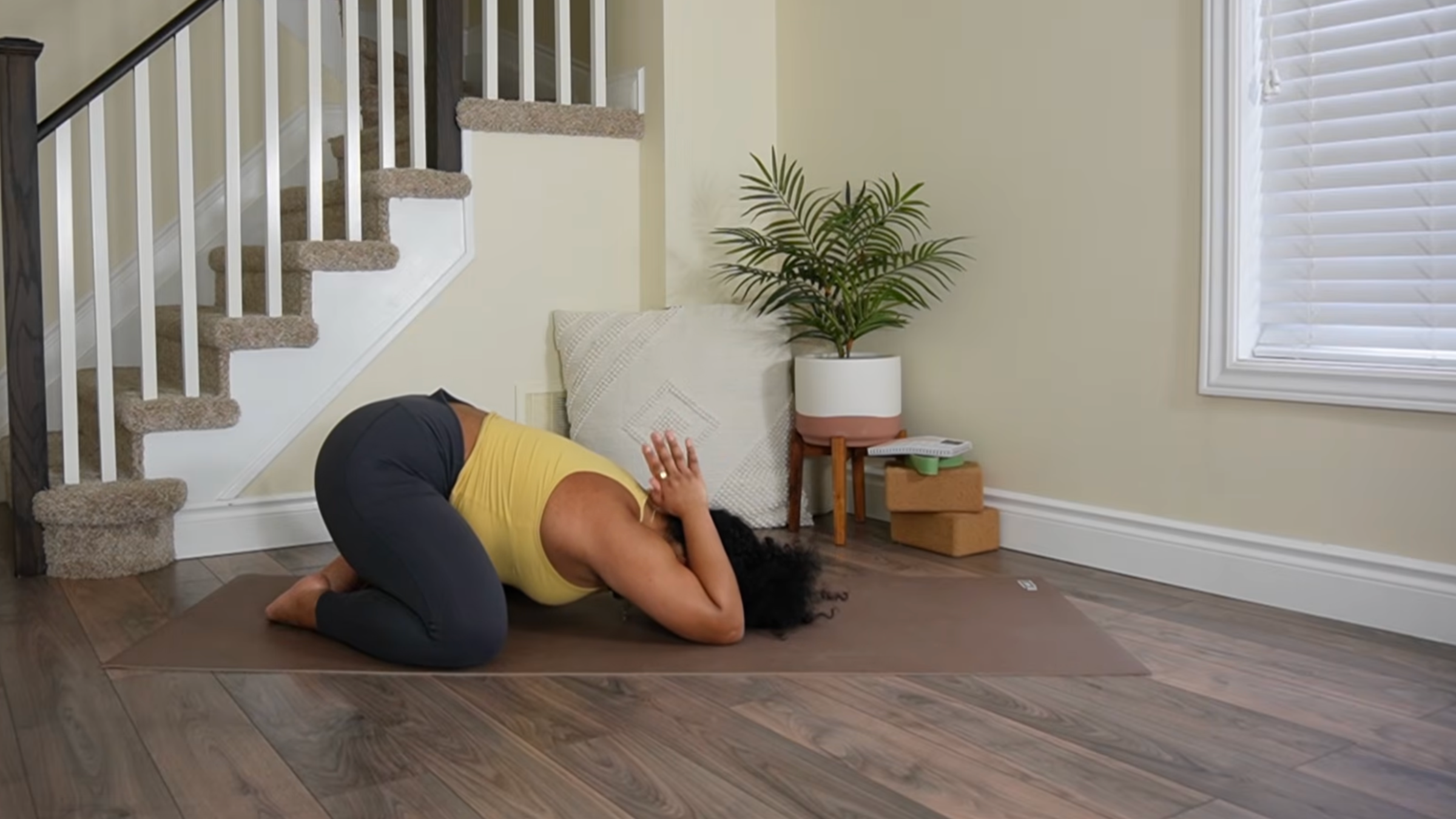
5. Child’s Pose Variation: Lengthening the Latissimus Dorsi
Transitioning into a Child’s Pose with hands clasped behind the neck provides a unique stretch to the triceps and the lats. This position effectively "flosses" the nerves and muscles of the upper arm, ensuring that strength building is balanced by necessary flexibility.
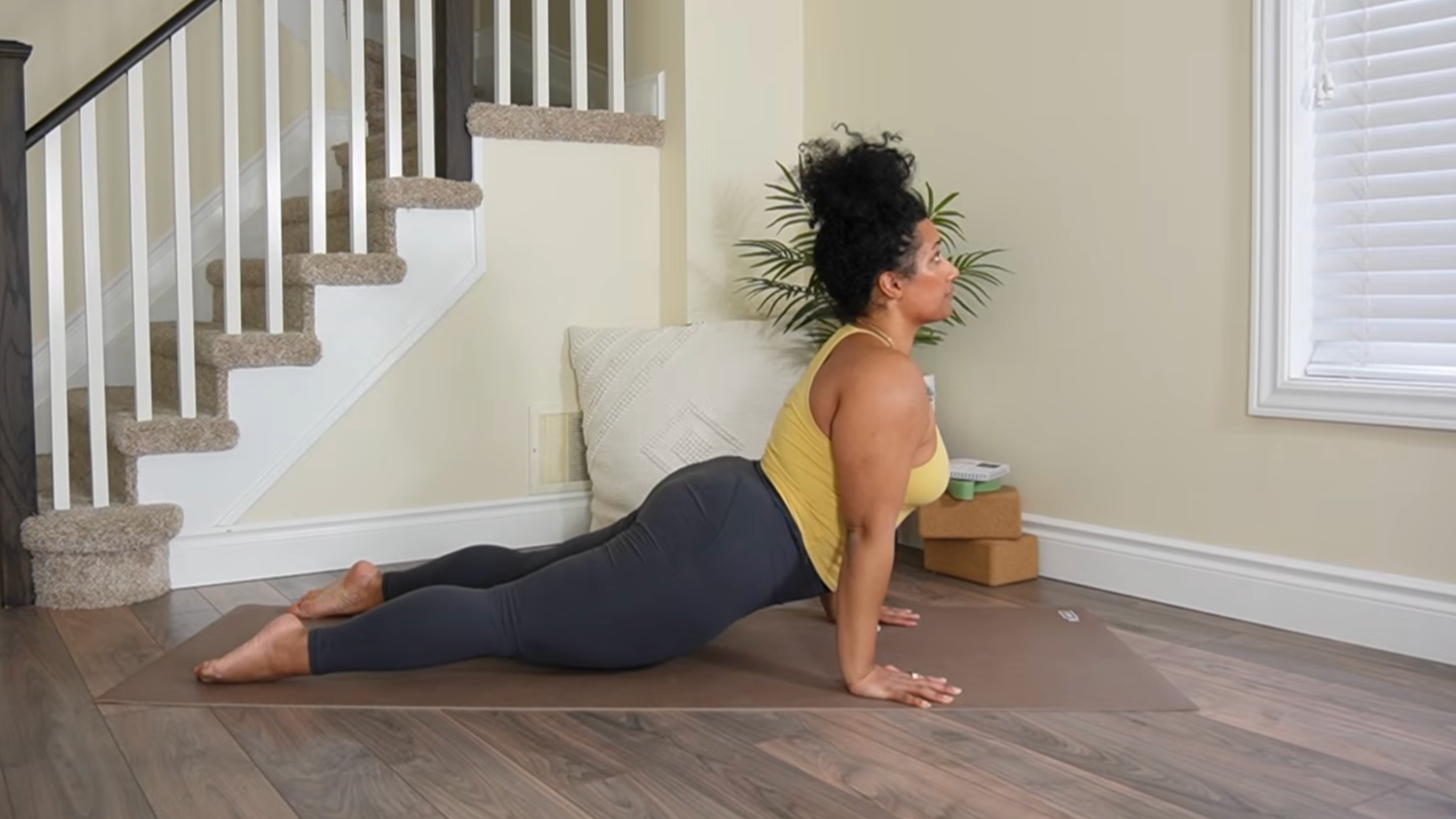
6. Cobra Pull-Throughs: Fluidity and Power
Moving from Child’s Pose to Cobra in a single, fluid motion requires coordinated effort from the shoulders and core. This mimics the natural push-pull mechanics of daily life, such as getting up from the floor or pushing open a heavy door.
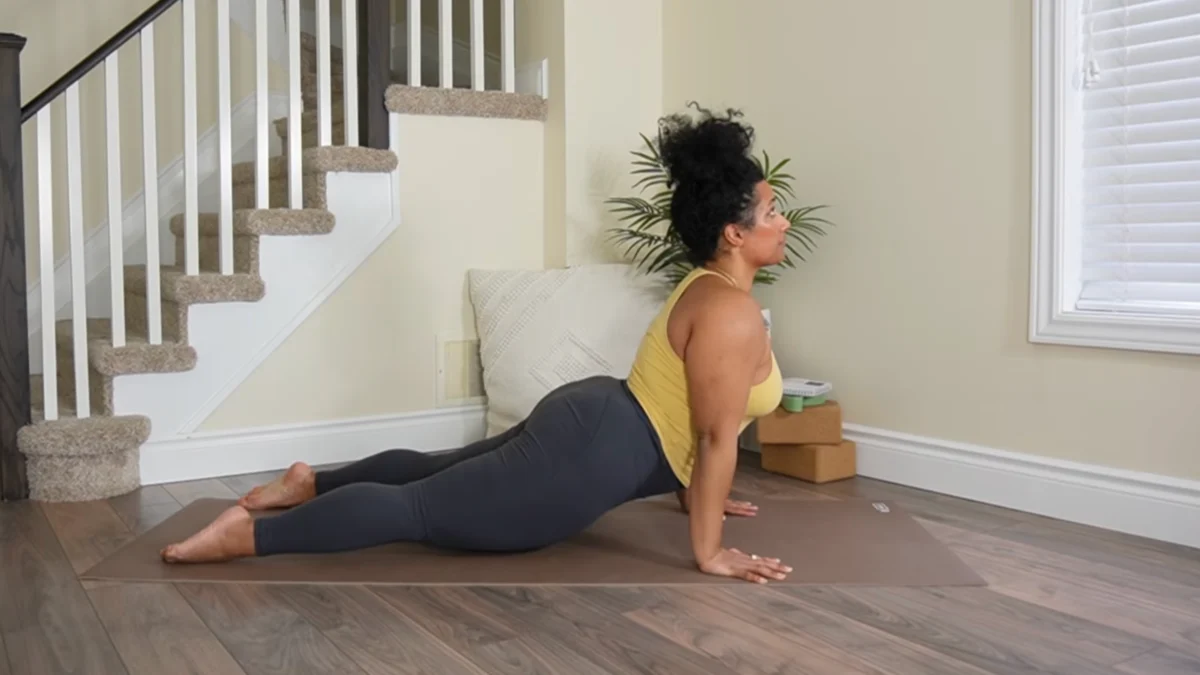
7. Upward-Facing Dog: The Full Extension
This pose is the apex of the sequence. By pressing through the hands and tops of the feet, you engage the entire upper body—triceps, shoulders, and upper back—while simultaneously stretching the anterior (front) side of the body.
8. Cobra Lifts: Final Engagement
Before cooling down, perform a final series of Cobra Lifts. These small, repetitive motions build localized endurance in the shoulders, ensuring that the muscles are fully fatigued in a safe, controlled manner.
9. Shoulder Rolls: Closing the Loop
Conclude your session with intentional shoulder rolls. This simple act of mobilization helps reset the joints and signals to the body that the period of exertion has concluded.
Supporting Data: The Science of Bodyweight Yoga
While the gym industry relies on progressive overload through external weight, the field of kinesiology has increasingly recognized the value of "calisthenic-style" yoga. A study from the Journal of Physical Therapy Science suggests that individuals who engage in daily, low-intensity bodyweight exercises show a 15% increase in postural stability over a six-month period compared to sedentary control groups.
The effectiveness of these poses lies in isometric and eccentric loading. Unlike lifting a dumbbell, where the muscle length changes rapidly, yoga poses often require the muscle to remain engaged under tension for longer durations. This builds "functional endurance"—the ability to carry a bag of groceries or hold a child for an extended period without fatigue.
Official Perspectives: The Professional Consensus
Physical therapists and orthopedic specialists are increasingly endorsing "movement snacks"—short bursts of exercise performed throughout the day—rather than one long, grueling hour at the gym.
"The most important aspect of strength is consistency, not intensity," says Dr. Elena Vance, a specialist in musculoskeletal health. "When a patient tells me they don’t have time for a gym, I point them toward floor-based strength work. By utilizing the weight of your own body, you reduce the risk of injury while building the type of functional strength that doesn’t disappear the moment you stop picking up a heavy weight."
Implications for Daily Living
The shift away from gym-centric fitness toward accessible, floor-based movement has significant societal implications.
- Reduced Healthcare Costs: By improving posture and upper-body strength, individuals are less likely to suffer from chronic neck and shoulder impingement, which are leading causes of repetitive strain injuries.
- Longevity and Autonomy: As the global population ages, the ability to maintain independent living is tied directly to physical strength. A stronger upper body ensures that individuals can continue to perform tasks of daily living—dressing, cleaning, and cooking—well into their later years.
- Psychological Empowerment: Moving away from the "all-or-nothing" mentality of fitness creates a healthier relationship with the body. When exercise is viewed as a tool to serve one’s life, rather than a punishment for one’s current state, compliance rates soar.
Conclusion: Strength on Your Terms
True upper body strength is not about the size of your biceps or the weight you can press above your head. It is about the quiet confidence that comes from knowing your body is capable of handling the demands you place upon it.
By reclaiming your 10 minutes a day on the mat, you are not just building muscle; you are building an infrastructure for a more active, capable, and vibrant life. You don’t need a gym, a trainer, or a specialized membership to start. You only need a small patch of floor and the willingness to move in ways that honor the strength you already possess.