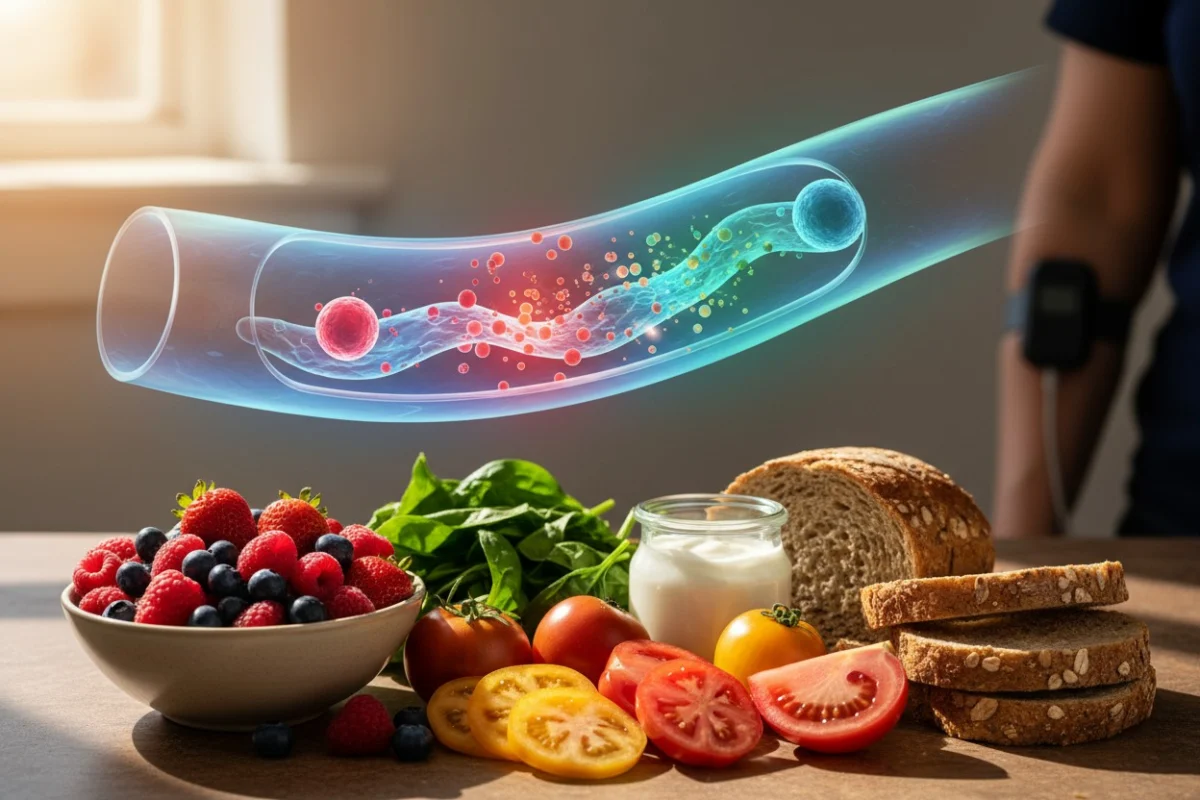
For individuals living with Type 1 diabetes, the management of blood glucose is only half the battle. Cardiovascular disease remains a formidable adversary, with patients facing a two-to-fourfold increase in risk compared to the general population. A landmark longitudinal analysis derived from the Coronary Artery Calcification in Type 1 Diabetes (CACTI) study now offers a promising new intervention: the Dietary Approaches to Stop Hypertension (DASH) diet.
The study reveals that adherence to the DASH eating pattern is significantly associated with lower levels of homocysteine and plasminogen activator inhibitor-1 (PAI-1)—two critical biomarkers for vascular damage and clotting risk. These findings provide a concrete, evidence-based dietary strategy that could transform the standard of care for those navigating the complex landscape of Type 1 diabetes.
Main Facts: Decoding the Cardiovascular Link
The research, which tracked 563 adults with Type 1 diabetes and 692 control subjects over a three-year period, highlights a critical intersection between nutrition and vascular health. Homocysteine, an amino acid, is known to induce oxidative stress on the inner linings of blood vessels, effectively acting as a precursor to arterial plaque formation. PAI-1, conversely, is a protein that serves as the primary inhibitor of fibrinolysis—the body’s essential process for breaking down blood clots.
When levels of these markers are elevated, the cardiovascular system is placed under significant strain. The CACTI-based study found that for every one-point increase in a participant’s DASH diet score, homocysteine levels dropped by approximately 0.5%, while PAI-1 levels decreased by roughly 1%. Crucially, these associations remained robust even after researchers adjusted for confounding variables such as age, sex, body mass index (BMI), blood pressure, smoking status, and physical activity levels.
Chronology: From Hypertension Management to Metabolic Protection
The trajectory of the DASH diet has been one of consistent clinical validation. Originally conceptualized in the 1990s as a dietary tool to combat essential hypertension, the DASH diet emphasizes whole grains, fruits, vegetables, low-fat dairy, and lean proteins, while strictly limiting sodium and added sugars.
- 1990s: The National Institutes of Health (NIH) sponsors the initial DASH trials, confirming that a diet rich in potassium, calcium, magnesium, and fiber effectively lowers systolic and diastolic blood pressure.
- Early 2000s: Research shifts toward the broader "anti-inflammatory" potential of the DASH pattern. Nutritionists begin observing that the high concentration of antioxidants and phytochemicals in DASH-compliant foods may mitigate systemic inflammation.
- 2010–2020: The scientific community increasingly recognizes the potential for dietary intervention in diabetic populations. While Type 2 diabetes research flourished, Type 1 diabetes remained a more complex clinical puzzle due to the autoimmune nature of the condition and the primary focus on glycemic control.
- Present Day: The CACTI-derived longitudinal study bridges the gap, confirming that the DASH diet’s benefits are not limited to blood pressure regulation. By applying rigorous longitudinal analysis, researchers have now established a clear, quantifiable link between this dietary pattern and improved inflammatory/clotting markers specifically in Type 1 diabetes cohorts.
Supporting Data: Comparative Analysis of Dietary Patterns
To ensure the validity of their findings, the researchers compared the DASH diet against two other gold-standard eating patterns: the Alternate Healthy Eating Index 2010 (AHEI-2010) and the Mediterranean-Style Dietary Pattern Score (MSDPS).
The Efficacy Gap
While all three diets are considered "healthy," the study revealed a nuanced hierarchy in their physiological impacts.
- DASH Diet: The only pattern consistently associated with significant reductions in both homocysteine and PAI-1 across both diabetes and non-diabetes groups.
- AHEI-2010 and MSDPS: While these patterns showed partial, sporadic associations with homocysteine levels, they failed to demonstrate the consistent, cross-group impact on PAI-1 observed with the DASH diet.
Nutritional Mechanisms
The superior performance of the DASH diet is likely attributed to its specific nutrient density. According to Alexander Phenix in The Anti-Inflammatory Diet and the Dash Diet, the specific synergy of potassium, magnesium, and B-vitamins found in the DASH framework is vital for vascular elasticity. Furthermore, as noted in Textbook of Natural Medicine, the emphasis on minimizing processed, high-glycemic-index foods while maximizing leafy greens directly addresses the nutritional deficiencies—such as low B-vitamin status—that often lead to hyperhomocysteinemia.
Official Responses and Clinical Perspectives
The medical community has received these findings with cautious optimism. Leading endocrinologists and dietitians emphasize that while the study does not establish definitive causation, the correlation is too significant to ignore.
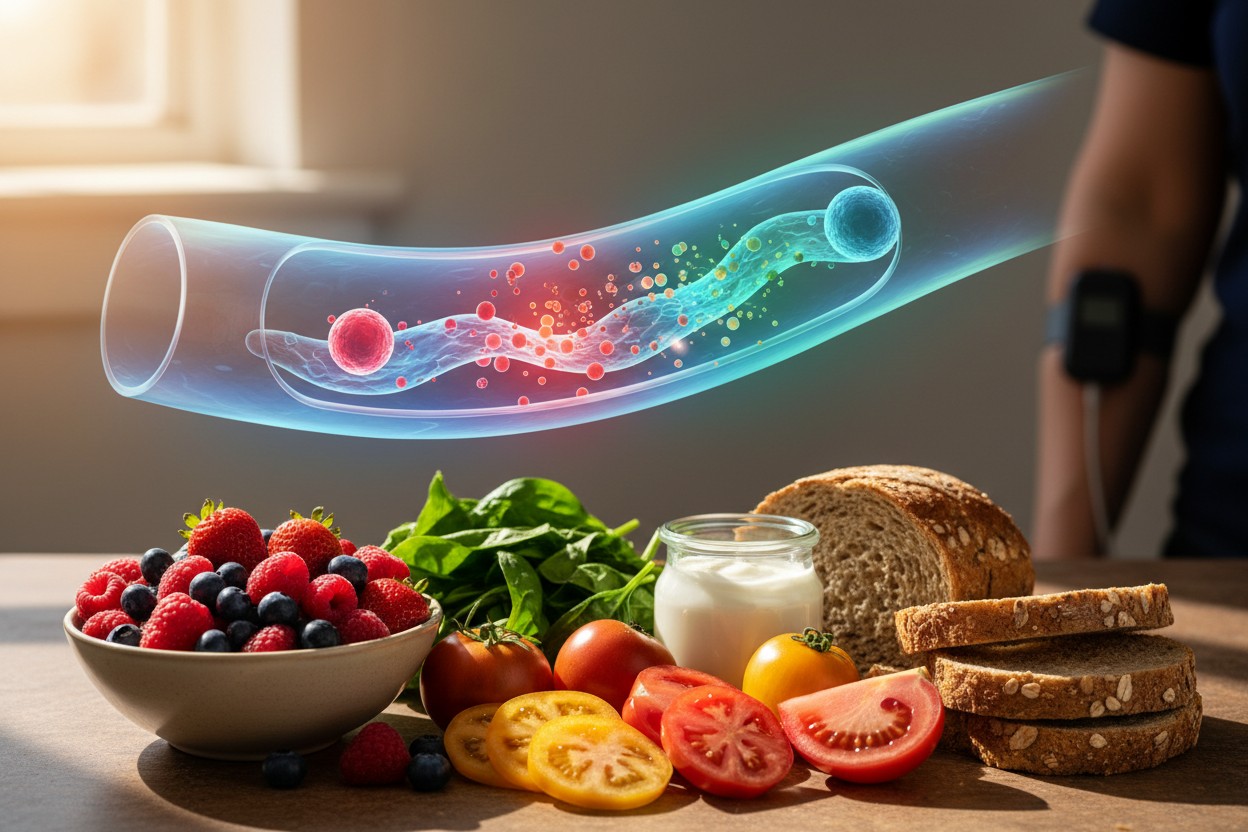
"For years, our focus for Type 1 patients has been almost exclusively on insulin dosing and glucose monitoring," says a lead investigator involved in the study. "These findings suggest that we have a ‘second pillar’ of treatment available. By utilizing the DASH diet, we may be able to influence the cardiovascular environment of the blood vessels, potentially slowing the progression of complications before they reach a critical threshold."
However, clinicians caution that dietary changes must be integrated under professional supervision. "The DASH diet is not a replacement for medical therapy," states a consulting cardiologist. "Instead, it is a powerful adjunct. Our next step is to initiate randomized controlled trials to isolate whether it is the reduction of sodium, the increase in specific fiber types, or the specific dairy-protein profile that is doing the heavy lifting."
Implications for Cardiovascular Risk Monitoring
For the patient, the implications of this study are both empowering and practical. Traditionally, the elevated cardiovascular risk in Type 1 diabetes has been viewed as an inevitable byproduct of chronic hyperglycemia. This research challenges that fatalistic view by positioning diet as a proactive tool for physiological protection.
Clinical Monitoring
Physicians may now consider incorporating homocysteine and PAI-1 screenings into the regular check-ups of high-risk Type 1 patients. If these markers are elevated, the DASH diet could be prescribed as a primary lifestyle intervention.
Reducing the "Clotting Burden"
Because high PAI-1 levels prevent the body from breaking down clots, patients with Type 1 diabetes are at a heightened risk for localized vascular blockages. By lowering these markers, the DASH diet may theoretically reduce the incidence of atherosclerosis and arterial plaque buildup.
Moving Beyond Pharmacological Reliance
While statins and antihypertensives are vital for many patients, they come with potential side effects and costs. A dietary intervention offers a sustainable, low-risk approach that empowers the patient to take agency over their heart health. As the study authors conclude, the findings underscore the necessity of moving toward a more holistic, whole-food-centered model of care that views nutrition as foundational medicine.
Conclusion: A New Standard for Future Research
The CACTI study represents a pivotal moment in the intersection of metabolic health and cardiovascular science. By demonstrating that the DASH diet’s benefits extend to the specific inflammatory markers of Type 1 diabetes, researchers have opened a new frontier in chronic disease management.
While future studies are necessary to clarify the exact biological pathways at play, the current data provides a clear mandate for healthcare providers: nutrition counseling should no longer be a secondary consideration in the treatment of Type 1 diabetes. Instead, it must be elevated to a first-line therapeutic strategy.
As we look toward the future, the focus will shift to identifying which specific components of the DASH diet—be it the lean proteins, the fiber-rich whole grains, or the mineral-dense produce—yield the most significant clinical results. Until then, the DASH diet stands as the most evidence-backed, accessible, and comprehensive dietary tool currently available for protecting the heart health of those living with Type 1 diabetes. By shifting the focus from simply managing sugar to actively nourishing the vascular system, we may be looking at a future where cardiovascular complications are no longer the expected outcome of a diabetes diagnosis, but a preventable hurdle.