





In the modern era, the chair has become the default setting for human existence. From the morning commute to the office desk, and from the train ride home to the evening ritual of streaming television, the average young adult now spends approximately six hours a day in a seated position. While this shift toward a sedentary lifestyle is often criticized for its impact on metabolic health and weight management, new research from the University of Birmingham highlights a more insidious consequence: the rapid, measurable degradation of vascular function.
However, a groundbreaking study published in the Journal of Physiology offers a potential nutritional lifeline. Researchers have discovered that the regular consumption of foods rich in flavanols—compounds found abundantly in cocoa, berries, apples, and tea—may act as a physiological shield, protecting the body’s blood vessels from the detrimental effects of prolonged, uninterrupted sitting.
The Vascular Toll of Inactivity
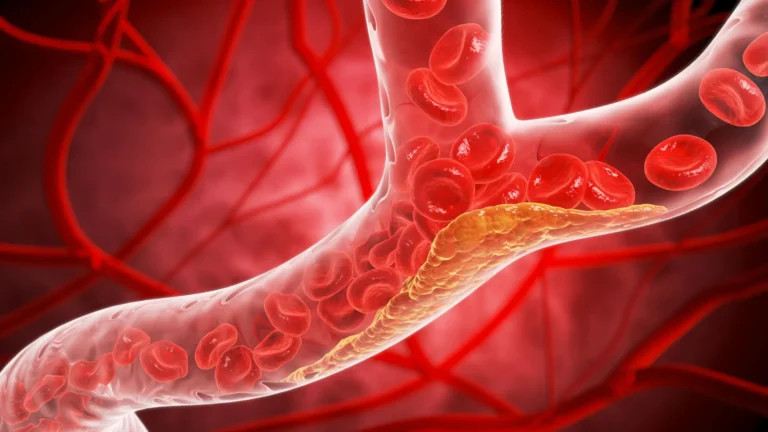
The human circulatory system is designed for movement. When we remain sedentary for extended periods, the endothelial lining of our blood vessels—the delicate inner layer that regulates blood flow and pressure—begins to struggle. This impairment is measured clinically through "Flow-mediated dilatation" (FMD), a standard metric for assessing how effectively arteries can expand to accommodate increased blood flow.
The stakes are significantly higher than previously assumed. Scientific literature has established that even a marginal 1% reduction in FMD is correlated with a 13% increase in the risk of cardiovascular events, including heart disease, strokes, and heart attacks. As sedentary habits become the global norm, understanding how to mitigate this "sitting-induced" vascular dysfunction has shifted from a niche physiological question to a critical public health priority.
Chronology of a Clinical Investigation
To determine whether dietary intervention could counteract the physical stress of sitting, a team of researchers at the University of Birmingham designed a controlled study involving 40 healthy young men. The cohort was strategically split into two groups based on baseline cardiorespiratory fitness: twenty individuals with high fitness levels and twenty with lower fitness levels.
The experimental protocol was straightforward yet rigorous. Each participant engaged in a two-hour period of uninterrupted sitting. Before beginning the session, participants were administered either a high-flavanol cocoa drink (containing 695 mg of total flavanols) or a low-flavanol "control" beverage (containing only 5.6 mg).
Throughout the trial, the researchers monitored a battery of indicators, including arm and leg artery FMD, diastolic blood pressure, shear rate, blood flow, and leg muscle oxygenation. The researchers opted to focus on men for this initial study to avoid the complexities introduced by fluctuating estrogen levels during the menstrual cycle, which could potentially mask the direct impact of flavanols on vascular function. They noted that future research is essential to determine how these findings translate to women.
Supporting Data: When Fitness Isn’t Enough
The results of the study provided a sobering reality check for those who rely solely on exercise to negate the risks of a desk job. Participants in both the high-fitness and low-fitness groups who consumed the low-flavanol beverage showed marked declines in FMD in both their arm and leg arteries. Furthermore, these participants experienced increases in diastolic blood pressure, reductions in overall blood flow, and a decrease in oxygenation within their leg muscles.
Perhaps most surprisingly, the data revealed that being physically fit provides no inherent immunity against the vascular stress caused by sitting. A marathon runner who sits for two hours without adequate nutritional support faces the same acute vascular impairment as a sedentary individual.
However, the intervention group told a different story. Those who consumed the high-flavanol cocoa drink exhibited no decline in FMD in either the arm or leg arteries. For the first time, researchers demonstrated that the inclusion of specific, bioactive dietary compounds could completely neutralize the sitting-induced dysfunction that otherwise plagues the cardiovascular system.
Official Responses and Expert Insight
The findings carry significant weight, particularly given the rising tide of cardiovascular disease in the United Kingdom and beyond. According to the British Heart Foundation, mortality rates among working-aged adults in the UK spiked by 18% in 2023 compared to 2019 levels. With the annual cost of cardiovascular disease management in the UK estimated at £29 billion, the implications of a simple, dietary-based preventative measure are profound.
Dr. Catarina Rendeiro, Assistant Professor in Nutritional Sciences at the University of Birmingham and lead author of the study, emphasized the universality of the problem. "Whether we are sitting at desks, behind the wheel of a car, on a train, or on the sofa reading a book or watching TV, we all spend a lot of time seated," Dr. Rendeiro stated. "Even though we are not moving our bodies, we are still putting them under stress. Finding ways to mitigate the impact that sitting for uninterrupted periods has on our vascular system could help us cut the risk of developing cardiovascular diseases."
Dr. Sam Lucas, Professor of Cerebrovascular, Exercise & Environmental Physiology at the University of Birmingham and co-author, highlighted the surprising lack of correlation between fitness and sitting-induced decline. "Our experiment indicates that higher fitness levels do not prevent the temporary impairment of vascular function induced by sitting when only drinking low-flavanol cocoa," Dr. Lucas explained. "Importantly, after the high-flavanol drink, both fitter and less-fit participants kept their FMD the same as it was before sitting for two hours."
Practical Implications: Integrating Flavanols into Daily Life
For the average individual, the transition from this clinical study to a daily health routine is remarkably accessible. Alessio Daniele, a PhD student at the University of Birmingham who assisted in the research, noted that the dietary changes required to achieve these protective effects do not necessitate expensive supplements or radical lifestyle overhauls.
"It is actually quite easy to add high-flavanol foods to your diet," Daniele noted. "There are cocoa products available in supermarkets and health stores which are processed through methods that preserve flavanol levels. If cocoa isn’t your thing, fruits like apples, plums and berries, nuts, and black and green tea are all common kitchen staples and are readily available."
The research suggests a two-pronged approach to cardiovascular longevity. While the consumption of flavanol-rich foods serves as a potent internal defense, it is not a "get out of jail free" card for complete inactivity. Dr. Rendeiro suggests a synergistic strategy: "Our research shows that consuming high-flavanol foods and drinks during periods spent sitting down is a good way to reduce some of the impact of inactivity on the vascular system. Given how common sedentary lifestyles have become… using flavanol-rich food and drink, especially in combination with breaking up periods of inactivity by going for a short walk or standing up, could be a good way to enhance long-term health, no matter the individual’s fitness level."
Looking Ahead: The Future of Preventive Nutrition
The study marks a milestone in nutritional science, shifting the focus from general "heart-healthy" advice to targeted, acute protection against environmental stressors. By identifying that baseline cardiorespiratory fitness does not alter the body’s response to flavanol intake, the researchers have opened a new door for personalized nutrition.
Future investigations will need to expand upon these findings by including diverse demographics, examining the long-term effects of chronic flavanol intake, and determining the optimal frequency and dosage for individuals across various age groups. However, the current evidence is clear: the modern sedentary lifestyle is a significant stressor on the cardiovascular system, but it is one that we are increasingly equipped to manage through the deliberate and informed selection of our daily diet.
As we continue to navigate a world that demands more time at our desks, the humble apple, the afternoon cup of green tea, and the moderate inclusion of high-quality cocoa may prove to be essential tools in the fight against cardiovascular disease. It is a reminder that the most effective medicine is often found in the kitchen, and that even in the stillness of a seated life, we have the power to keep our systems flowing.