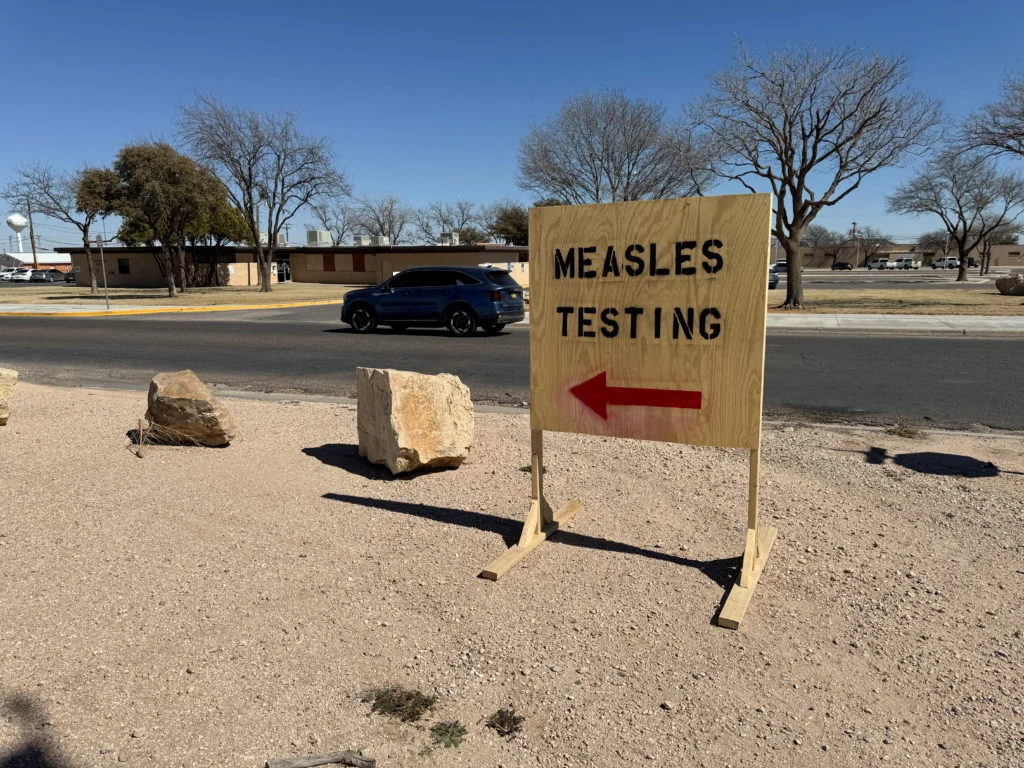
For more than a year, the state of Utah has been locked in a grueling, multi-front battle against one of the most infectious pathogens known to modern medicine: the measles virus. Since the initial outbreak began on June 20, 2025, the state has recorded more than 680 cases, a grim milestone that serves as a stark reminder of the consequences of declining childhood immunization rates. As the virus has traversed nearly every county in the state, health officials are now bracing for a potential re-evaluation of the United States’ "measles-free" designation, a status that has been a cornerstone of American public health success for decades.
The Chronology of a Resurgent Threat
The current crisis did not emerge in a vacuum; it is the culmination of years of eroding public trust and shifting cultural attitudes toward vaccination. Following the initial cases in the summer of 2025, the virus found fertile ground in undervaccinated pockets across the Beehive State. Unlike localized outbreaks seen in other jurisdictions, such as Arizona or South Carolina, Utah’s experience has been characterized by its pervasive, state-wide reach.
The virus proved opportunistic, moving through high-traffic settings with ease. It appeared in big-box retail stores, restaurants, and densely packed youth sporting events. Perhaps the most significant "superspreader" event occurred in February 2026, when a state high school wrestling championship became the epicenter of a localized explosion. The event resulted in at least 46 confirmed cases, which subsequently radiated outward into households and schools across multiple regions.
By the spring of 2026, the TriCounty health region—comprising Daggett, Duchesne, and Uintah counties—had become a focal point of concern. The region recorded 74 cases in a matter of months, exacerbated by a pre-existing trend of vaccine hesitancy that had left the frontier community vulnerable to the swift, airborne transmission of the virus.
The Mechanics of a Silent Killer
To understand the severity of the crisis, one must understand the nature of the measles virus. Measles is not merely a "childhood nuisance"; it is a systemic threat. It manifests through a high fever, a distinctive rash, persistent coughing, and secondary complications like diarrhea and ear infections.
However, the danger lies in its complications. For vulnerable populations—including infants too young to be vaccinated, pregnant women, and the immunocompromised—the virus can lead to severe pneumonia, encephalitis (brain swelling), and permanent blindness. Even for those who survive the acute phase of the illness, the long-term prognosis can be harrowing. Medical literature warns of subacute sclerosing panencephalitis (SSPE), a rare but invariably fatal degenerative brain disease that can manifest nearly a decade after the initial infection.
With a vaccination efficacy rate of 97% after two doses of the MMR vaccine, public health experts emphasize that these infections are almost entirely preventable. The current outbreak is a direct result of the state’s failure to reach the "herd immunity" threshold of 95%—a benchmark currently unattainable with a statewide kindergarten vaccination rate of only 87.2%.
Data and Demographics: The Map of the Outbreak
The data reveals a clear correlation between low vaccination coverage and infection rates. In the TriCounty region, over 16% of kindergarteners were missing their required measles vaccinations during the last school year. This data point is symptomatic of a broader trend: as of the latest reports, 22 of Utah’s 29 counties have logged cases, with the southwestern part of the state bearing the heaviest burden, accounting for 265 of the total infections.
The national context is equally concerning. As of June 18, 2026, the United States had logged 2,104 cases, a figure that is rapidly outpacing the records set in the previous year. This rapid acceleration has placed immense pressure on state epidemiologists like Leisha Nolen, who warns that the transition to the fall—bringing with it the return to school and the indoor congregation necessitated by colder weather—could provide the exact environment the virus needs to trigger a new, larger wave of infections.
Official Responses: Moving from Enforcement to Empathy
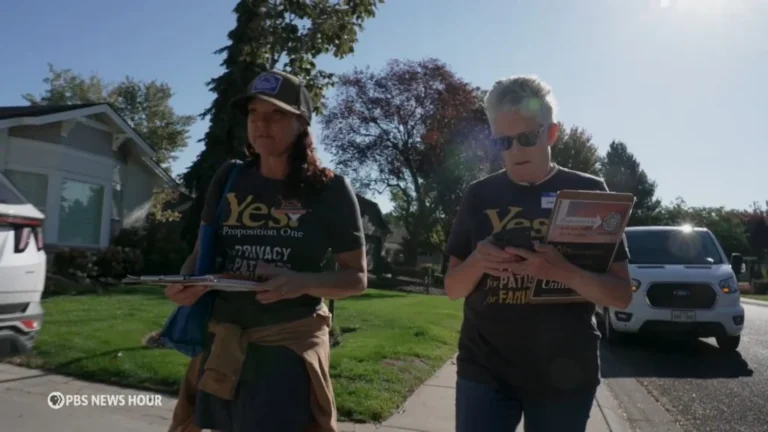
The response to the outbreak has been a complex exercise in balancing community outreach with stringent public health mandates. In the hardest-hit regions, health departments implemented strict exclusion policies, barring unvaccinated students from schools and requiring isolation for those infected.
However, the most successful aspect of the response was the pivot toward non-judgmental engagement. Recognizing that aggressive "policing" of vaccination status only deepened the divide between the public and health officials, staff shifted their strategy.
Cyndie Mattinson, an infectious disease specialist in the TriCounty area, highlighted a breakthrough interaction with a hesitant parent. The parent had been terrified that engaging with health officials would result in condemnation for her children’s unvaccinated status. By positioning health workers as resources rather than enforcers, the department was able to address misinformation directly. This human-centric approach helped to rebuild bridges, leading to a rise in voluntary vaccinations as neighbors began to view the health department as a partner in community safety rather than an antagonist.
The Looming Implications for National Status
The long-term implications of Utah’s year-long struggle extend far beyond the state’s borders. International public health bodies define "elimination" as the absence of continuous transmission within a country for at least one year. With the U.S. currently grappling with widespread, sustained outbreaks, the nation is at significant risk of losing its measles-free status.
In November, international experts are scheduled to convene to review the epidemiological data for the United States and Mexico. Canada has already lost its status, and should the U.S. follow suit, it would mark a devastating regression in the global effort to eradicate the disease.
For many in the medical community, the situation feels like a slow-moving catastrophe. Dr. Ellie Brownstein, a Salt Lake City pediatrician and president-elect of the state chapter of the American Academy of Pediatrics, has been at the forefront of the battle, lobbying against legislative attempts to loosen vaccine waiver requirements. While those legislative efforts were ultimately defeated, Dr. Brownstein remains skeptical about the path forward.
"I don’t know that we get it to end," she remarked. "I don’t know that we’re going to get this genie back in the box because there’s enough people out there to spread it."
Conclusion: A Lesson in Vigilance
Utah’s experience serves as a cautionary tale for the nation. It highlights how quickly the progress of the 20th century can be undone by the skepticism and complacency of the 21st. As the state moves into the autumn months, the focus remains on containment, education, and the hope that communities will recognize the value of collective immunity.
The battle against measles is, at its heart, a battle for the preservation of a social contract. Whether the U.S. can maintain its status as a country free from this ancient, preventable disease will depend on the ability of state and local leaders to bridge the divide, restore trust in science, and protect those who cannot protect themselves. For now, the "genie" remains out of the box, and the state of Utah, along with the rest of the nation, remains on high alert.