











Los Angeles, CA – For countless children grappling with spasticity, a debilitating neurological condition often associated with cerebral palsy, the dream of independent movement can seem distant. However, a highly specialized neurosurgical procedure known as Selective Dorsal Rhizotomy (SDR) holds the transformative potential to dramatically improve walking ability and preserve mobility for a lifetime. Despite its proven efficacy, a significant challenge persists: many eligible children are referred for evaluation too late, missing a crucial window of opportunity that could fundamentally alter their future.
Children’s Hospital Los Angeles (CHLA), a leading institution in pediatric care, is championing an urgent call for earlier evaluation. Its multidisciplinary team, encompassing experts in neurology, neurosurgery, orthopedics, and rehabilitation, emphasizes that early intervention through SDR, when carefully selected, can prevent a decline in walking ability that might otherwise become irreversible. The core message is clear: timing is paramount, and a comprehensive, collaborative approach is essential to identify and treat the right patients at the right moment.
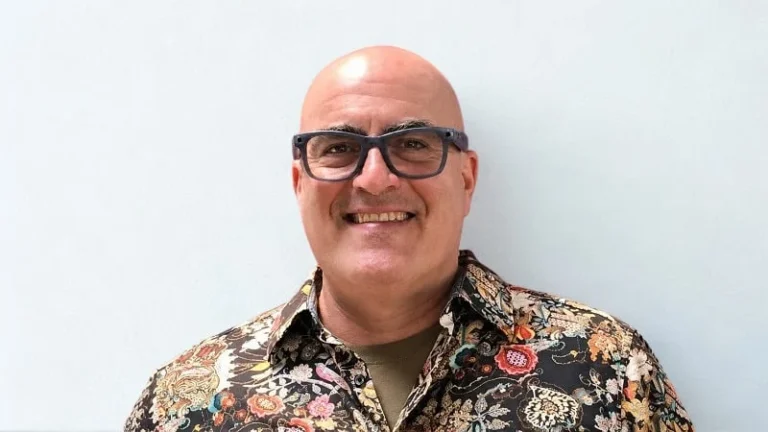
"Selective dorsal rhizotomy is most effective when a child is still able to walk," explains Dr. Virendra R. Desai, a pediatric neurosurgeon and Surgical Director of the Comprehensive Epilepsy Center at CHLA. "Unfortunately, surgery often isn’t considered until that ability has clearly declined. By then, the window of opportunity may have closed, and the potential to preserve their mobility into adulthood is significantly diminished." This stark reality underscores a critical gap in current referral patterns, highlighting the need for increased awareness among parents, primary care physicians, and even other specialists.
The Nuances of Spasticity and the Promise of SDR
Spasticity is a form of increased muscle tone characterized by velocity-dependent resistance to passive stretch. It arises from damage to the central nervous system, disrupting the normal communication between the brain and muscles. This disruption leads to an imbalance of signals, causing muscles to become stiff, tight, and resistant to movement. While commonly associated with cerebral palsy, spasticity can also result from brain injury, spinal cord injury, or other neurological conditions. Its impact extends beyond mere physical limitation, often leading to pain, contractures, deformities, and significant challenges with daily activities, ultimately affecting a child’s independence and quality of life.
Selective Dorsal Rhizotomy addresses spasticity by selectively interrupting abnormal sensory nerve signals that contribute to excessive muscle tone. The procedure involves identifying and carefully cutting specific nerve rootlets in the spinal cord that are transmitting these aberrant signals. By reducing the overactivity of these sensory pathways, SDR diminishes the excitatory input to the motor neurons, thereby decreasing spasticity and allowing for more controlled and fluid movement. This precise surgical intervention aims to rebalance the nervous system’s control over muscle activity, paving the way for improved motor function.
The benefits of SDR extend far beyond a temporary improvement. For children who meet the stringent selection criteria, the procedure can lead to lasting reductions in spasticity, improved range of motion, enhanced balance, and significantly increased walking ability. This improvement in mobility is not merely about taking more steps; it’s about gaining greater independence, participating more fully in life, and fostering a sense of autonomy that can last well into adulthood.
A Multidisciplinary Symphony of Care
At CHLA, the journey for a child with spasticity begins with a meticulously coordinated, multidisciplinary evaluation. This collaborative model is not just a convenience; it’s a fundamental pillar of successful management, bringing together diverse expertise to craft a truly individualized treatment plan.
- Neurologists like Dr. Quyen Luc, who leads CHLA’s Movement Disorders Clinic, play a pivotal role in accurately diagnosing the underlying condition and differentiating spasticity from other complex movement disorders such as dystonia. This distinction is critical, as SDR is highly effective for spasticity but can worsen dystonia.
- Neurosurgeons, exemplified by Dr. Desai, assess the surgical candidacy, discuss the procedure in detail, and perform the intricate surgery when indicated.
- Orthopedic surgeons, such as Dr. Robert M. Kay, Director of the Jackie and Gene Autry Orthopedic Center, evaluate musculoskeletal deformities, joint health, and the overall impact of spasticity on the skeletal system, contributing crucial insights into surgical planning and long-term orthopedic management.
- Rehabilitation specialists like Dr. Kevan Craig, Chief of Rehabilitation Medicine, are integral throughout the process, guiding pre-operative conditioning, designing intensive post-operative physical therapy programs, and overseeing ongoing medical management.
- Physical and occupational therapists provide the hands-on, intensive therapy crucial for optimizing functional outcomes, teaching new movement patterns, and maximizing strength and independence.
This integrated approach ensures that every facet of a child’s condition is thoroughly assessed, from neurological function and musculoskeletal alignment to functional capabilities and developmental goals. The collective wisdom of these specialists allows for a holistic understanding of the child’s needs, leading to the most appropriate and effective interventions, whether surgical or non-surgical.
The Unforgiving Clock: Why Timing is Everything
The effectiveness of SDR is profoundly linked to the timing of the intervention. While it can dramatically improve a child’s walking ability, its primary goal, as Dr. Desai underscores, is to preserve walking, not to restore it after it has been significantly lost. This distinction is crucial.
The ideal candidates for SDR are typically younger, ambulatory children who primarily have spasticity affecting their lower extremities. These children, often appearing to be "doing well" in their early years, might still exhibit inefficient gait patterns that become increasingly difficult to sustain as they grow older and their bodies change. The persistent muscle tightness and abnormal movement patterns place undue stress on joints and muscles, leading to fatigue, pain, and, over time, the development of fixed contractures and orthopedic deformities. What might initially be a manageable stiffness can progress into a profound limitation, making independent walking increasingly challenging or even impossible.
"Before SDR, a child might be able to walk about 10 minutes before needing a break," Dr. Desai illustrates. "After SDR and therapy, that same child may be able to walk for hours before getting tired." This significant improvement in endurance and efficiency is what enables children to maintain their mobility well into adulthood, preventing the decline that often necessitates the use of wheelchairs or other assistive devices later in life. Intervening earlier means addressing the root cause of spasticity before it has caused irreversible damage or created deeply ingrained compensatory movement patterns that are harder to retrain.
Evidence-Based Excellence: The Foundation of SDR
The efficacy of Selective Dorsal Rhizotomy is not merely anecdotal; it is robustly supported by decades of rigorous research. Multiple randomized controlled clinical trials have consistently demonstrated that individuals undergoing SDR experience significantly improved walking abilities compared to those receiving conventional non-surgical management. These studies have meticulously documented gains in gross motor function, reduced energy expenditure during walking, and enhanced quality of life.
Furthermore, long-term studies have provided compelling evidence of SDR’s enduring benefits. Follow-up investigations extending 30 years post-procedure have revealed that patients maintain their functional gains, with many continuing to walk as if they had never experienced significant spasticity issues. This long-term stability is a testament to the fundamental and lasting neurological changes induced by the surgery, solidifying SDR’s place as a powerful, life-altering intervention.
Precision in Selection: Distinguishing Spasticity from Dystonia
Given the irreversible nature of SDR, accurate patient selection is paramount. A critical step in the evaluation process is to precisely distinguish spasticity from other movement disorders, particularly dystonia, which can present with similar symptoms of muscle tightness and abnormal postures. While both conditions cause involuntary muscle contractions, their underlying physiological mechanisms are distinct, and their responses to SDR are dramatically different.
"Both conditions cause muscle tightness, but the underlying physiology is different," Dr. Desai explains. "SDR can be very effective for spasticity, but it can worsen dystonia." Spasticity is characterized by increased muscle tone that is velocity-dependent, meaning the resistance to movement increases with the speed of the stretch. Dystonia, on the other hand, involves sustained or intermittent muscle contractions causing twisting and repetitive movements, or abnormal fixed postures. Applying SDR to a child with dystonia could potentially exacerbate their symptoms, leading to severe and lasting complications.
Therefore, the diagnostic process relies heavily on detailed clinical assessment rather than a single definitive test. "We don’t rely on a single test," Dr. Luc emphasizes. "We carefully examine how a child moves, how muscles respond to speed and position, and how those patterns change. It’s a comprehensive evaluation that considers the full spectrum of their motor function." This involves a thorough neurological examination, observation of gait and other movements, assessment of muscle tone and reflexes, and a detailed patient history.
The Unseen Story: The Power of Gait Analysis
Objective gait analysis plays an indispensable role in this comprehensive evaluation. CHLA’s John C. Wilson Jr. Motion and Sports Analysis Lab stands as a beacon of this specialized diagnostic capability. As one of only about two dozen fully accredited pediatric gait labs in the entire country, it offers an unparalleled level of detailed insight into a child’s movement patterns.
Within the lab, advanced motion capture technology, force plates embedded in the floor, and electromyography (EMG) sensors work in concert to create a precise, three-dimensional representation of a child’s walking. This sophisticated setup measures:
- Joint motion: The precise angles and movements of hips, knees, and ankles during each phase of walking.
- Forces across the joints: The impact and stress placed on different joints.
- Muscle activation patterns: Which muscles are firing, when, and with what intensity, revealing inefficient or compensatory strategies.
"The gait lab allows us to measure patterns we can’t see on a physical exam," says Dr. Kay. "That objective data helps us distinguish spasticity from other movement patterns, identify subtle inefficiencies, and assess whether a child is likely to benefit from SDR." This data is invaluable for confirming a diagnosis, refining patient selection, and predicting potential outcomes.
Beyond pre-operative assessment, gait analysis is also crucial for guiding long-term care. "Postoperative gait studies establish a new functional baseline," Dr. Kay notes, "allowing clinicians to track whether gains are maintained over time and to fine-tune ongoing rehabilitation strategies." It provides a quantifiable measure of progress and helps identify any new challenges that may arise, ensuring that interventions remain targeted and effective throughout the child’s development.
Beyond the Blade: The Importance of Medical Management and Rehabilitation
While SDR can be truly transformative, it is crucial to recognize that it is not indicated for every child with spasticity. For many, a comprehensive medical management plan, combined with intensive therapy, remains the most appropriate and effective course of action. CHLA’s full-spectrum approach ensures that children receive the precise care they need, regardless of whether surgery is part of their journey.
Medical management strategies include:
- Physical and Occupational Therapy: These therapies are foundational, focusing on stretching to maintain joint flexibility, strengthening weakened muscles, improving balance and coordination, and teaching functional skills. Early and consistent therapy is vital to prevent contractures and maximize motor development.
- Bracing and Orthotics: Custom-made braces (orthoses) can provide support, improve alignment, prevent deformities, and enhance walking efficiency.
- Oral Medications: Various medications, such as baclofen or tizanidine, can help reduce generalized spasticity by acting on the central nervous system. These are often used to manage symptoms but do not offer the targeted, permanent reduction in tone that SDR provides.
- Botulinum Toxin Injections: Botox injections can temporarily relax specific spastic muscles, offering relief for focal spasticity. While effective for localized issues, their effects are temporary, typically lasting a few months, and repeat injections are necessary.
"If spasticity isn’t treated appropriately, it can permanently affect muscles and joints," Dr. Craig warns. "Medical management, combined with physical therapy, is critical for reducing pain and supporting joint health and function, even if SDR isn’t pursued."
Furthermore, for children who do undergo SDR, the surgery is merely the first step. "Surgery sets the stage, but long-term gains in mobility depend on intensive rehabilitation," Dr. Desai emphasizes. Post-operative therapy is rigorous and essential, often involving daily sessions for several months. During this period, children learn to re-educate their muscles, develop new movement patterns free from the constraints of spasticity, and build strength and endurance. This dedicated rehabilitation ensures that the neurological changes achieved by SDR are translated into meaningful and lasting functional improvements.
Implications for the Future: A Call to Action
The overarching implication of CHLA’s expertise and advocacy is a clear call to action for the wider medical community and for families of children with spasticity. Early referral to a specialized, high-volume center offering a full spectrum of care is not just beneficial; it is critical for ensuring that children receive optimal treatment at the most impactful time.
For parents, this means being proactive in seeking comprehensive evaluations if their child exhibits signs of spasticity, even if those signs seem mild. For referring physicians, it means recognizing the critical importance of early consultation with pediatric movement disorder specialists and neurosurgeons who have expertise in SDR.
The stakes are high. Missing the window for SDR can mean the difference between a life of independent walking and a life significantly impacted by mobility challenges. By fostering greater awareness, improving referral pathways, and leveraging advanced diagnostic tools like gait analysis, healthcare professionals can empower more children with spasticity to unlock their full potential and embrace a future defined by greater mobility, independence, and an enhanced quality of life.
"We tailor treatment to what each child needs," Dr. Desai concludes, encapsulating CHLA’s patient-centric philosophy. "That includes recognizing who will benefit from surgery—and making sure that opportunity isn’t missed." The ongoing commitment to excellence at institutions like CHLA ensures that every child has the best possible chance to walk, play, and thrive throughout their lives.
To refer a patient to CHLA’s Spasticity team, please visit [CHLA Referral Link].