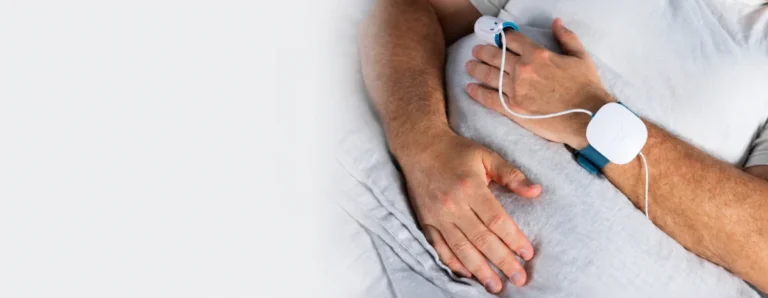
The landscape of sleep medicine is undergoing a profound transformation. For decades, the gold standard for diagnosing sleep-disordered breathing—the in-lab polysomnography (PSG)—has been hampered by its inherent limitations: high costs, long wait times, and the "first-night effect," where patients struggle to sleep naturally in an unfamiliar clinical environment. Today, that paradigm faces a significant disruption. Sunrise Group has officially announced that the US Food and Drug Administration (FDA) has cleared the "Sunrise Air," a next-generation home sleep test (HST) that promises to bridge the gap between convenient, at-home screening and the rigorous, multi-faceted data collection once reserved for hospital-grade equipment.
The Main Facts: What is Sunrise Air?
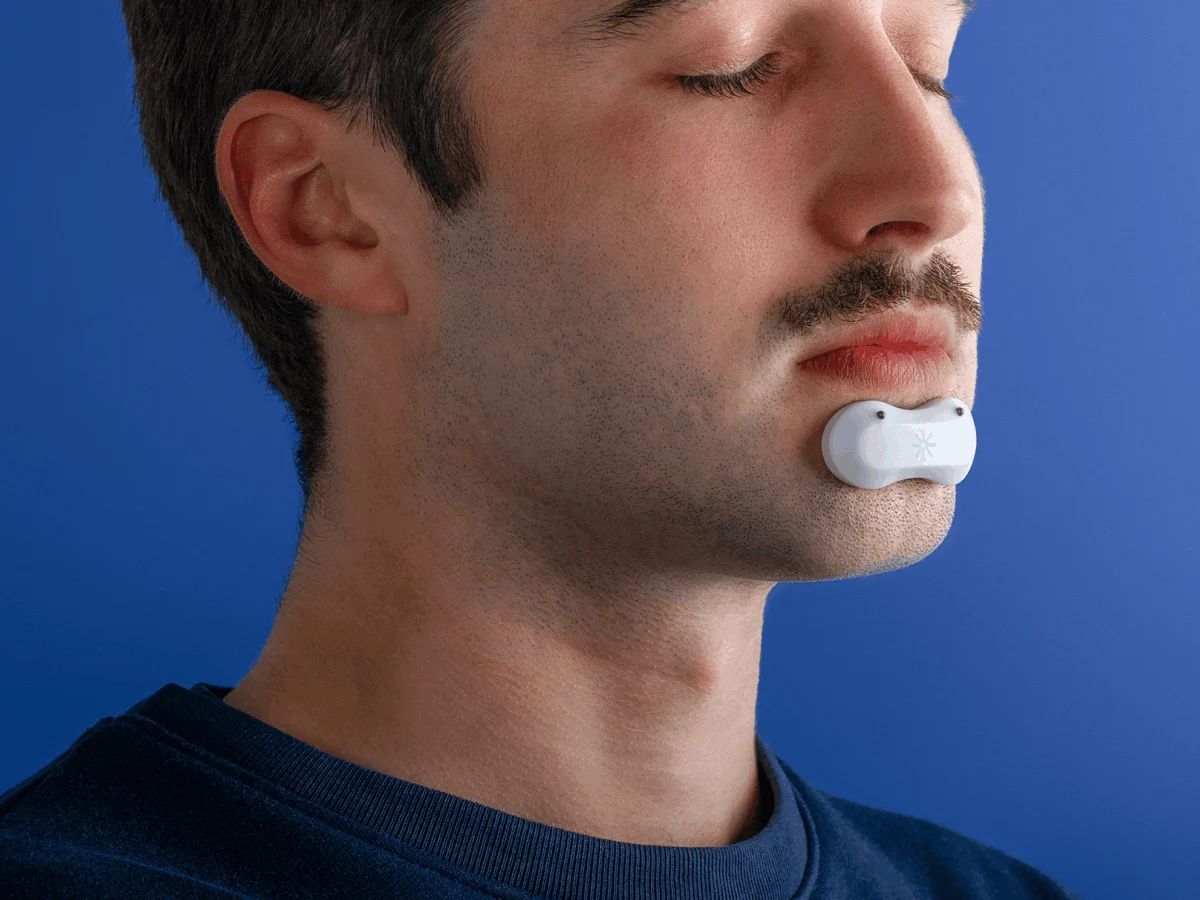
The Sunrise Air is an evolution of the company’s original, chin-worn sensor platform. At its core, the device remains an unobtrusive, lightweight tool designed to be worn comfortably by patients in their own beds. Unlike traditional bulky sleep kits that require complex wiring across the chest, abdomen, and scalp, the Sunrise Air maintains a simplified form factor that centers on mandibular jaw movement (MJM).
While the original device relied heavily on MJM to interpret sleep patterns, the new iteration significantly expands its diagnostic reach. The device integrates a suite of advanced sensors, including:
- Thermistors: Dedicated to measuring precise airflow.
- Optical Modules: Utilizing photoplethysmography to track oxygen saturation (SpO2) and pulse rate.
- Embedded Microphones: Designed specifically for high-fidelity snoring analysis.
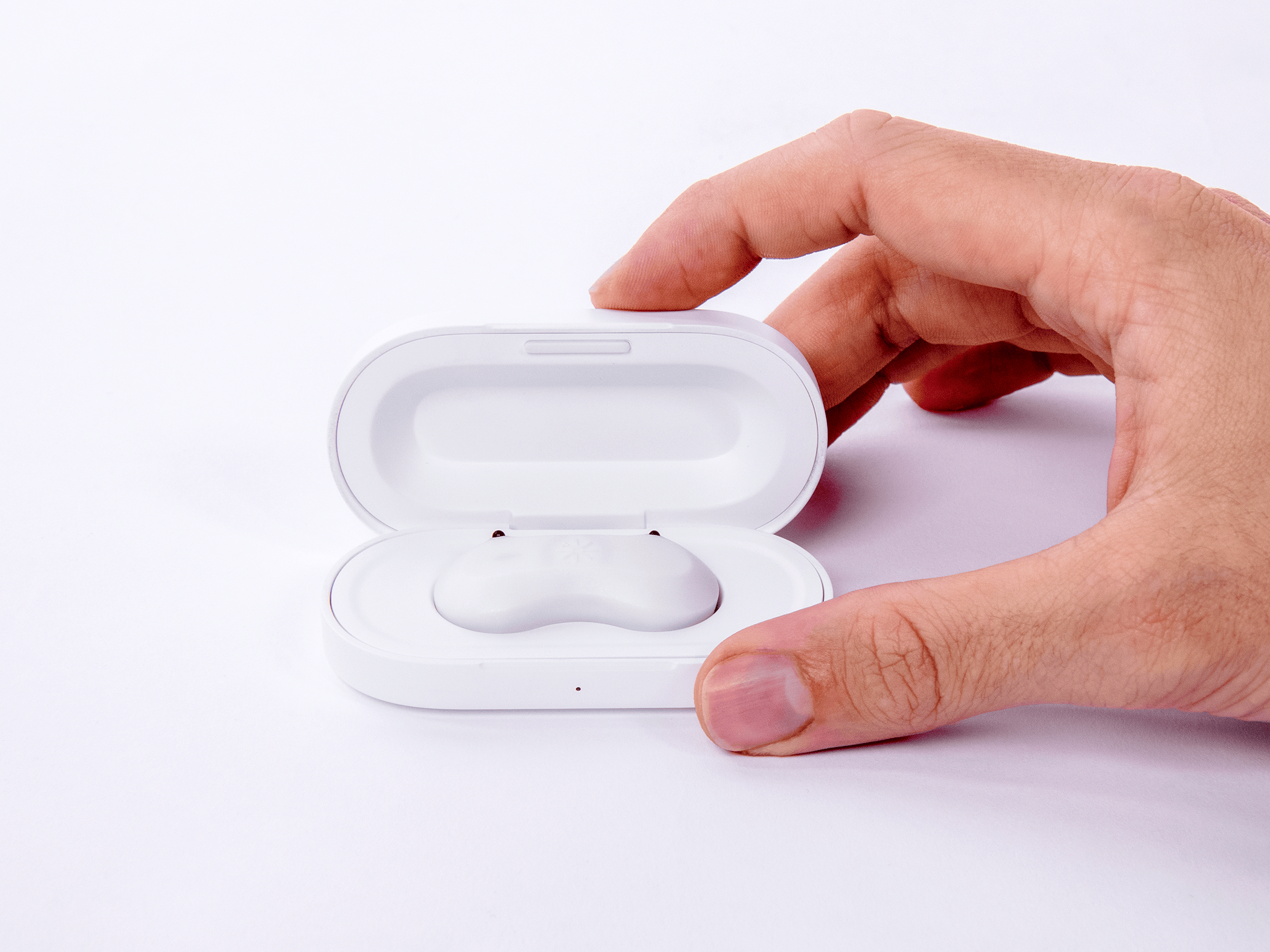
These additions allow the device to move beyond basic screening. By combining MJM with respiratory and acoustic data, the Sunrise Air provides a comprehensive view of a patient’s respiratory health, enabling clinicians to distinguish between obstructive sleep apnea (OSA) and central sleep apnea (CSA) with a level of precision previously difficult to achieve in a home setting. Furthermore, the device is fully rechargeable, eliminating the need for single-use, disposable components and making it an environmentally sustainable and cost-effective solution for long-term monitoring.
A Chronology of Innovation: From Concept to FDA Clearance
The path to the Sunrise Air represents years of iterative development in digital health. The original Sunrise device was a pioneer in using mandibular jaw motion as a proxy for sleep staging and respiratory effort. By capturing the subtle micro-movements of the jaw that occur during sleep, Sunrise proved that a chin-worn sensor could correlate strongly with traditional PSG metrics.
However, the medical community remained cautious about relying solely on one modality for complex cases. Recognizing this, Sunrise embarked on a multi-year R&D effort to integrate traditional clinical sensors—thermistry and pulse oximetry—without sacrificing the user-friendly design that made the original device successful.
The recent FDA clearance marks the culmination of this process. The regulatory journey involved rigorous validation studies comparing the Sunrise Air’s data acquisition against standard reference devices. The successful clearance not only validates the accuracy of the new sensors but also acknowledges the shift in how the company processes data. While the hardware for oxygen saturation remains similar to the previous generation, the transition to a cloud-based algorithm for data processing represents a significant leap in how AI-supported diagnostics are handled, allowing for faster, more sophisticated analysis of the captured sleep data.
Supporting Data: Clinical Validation and Accuracy
The clinical evidence provided during the FDA 510(k) clearance process underscores the reliability of the Sunrise Air. One of the primary hurdles for any new diagnostic device is ensuring that "at-home" hardware performs with the same consistency as "in-lab" gold standards.
According to the documentation submitted for clearance, the device’s newly integrated thermistor and microphone systems performed with equivalent accuracy to traditional reference devices when capturing breathing and snoring patterns. For practitioners, this is a critical detail; it ensures that the "noise" of the home environment does not interfere with the signal quality.
The optical module’s performance was equally scrutinized. Clinical validation showed a blood oxygen saturation (SpO2) accuracy of 1.91% within the critical 70% to 100% range. Given that many home oximeters struggle with motion artifacts or signal loss, a 1.91% margin of error is highly competitive. Furthermore, the pulse rate accuracy was validated at 2.73 beats per minute. These metrics ensure that the data clinicians receive—which is then run through the company’s proprietary AI-supported algorithms—is robust enough to inform clinical decisions, such as prescribing CPAP therapy or recommending surgical interventions.
Official Responses: The Vision for "Multi-Night" Sleep Medicine
The launch of the Sunrise Air is accompanied by a broader mission to change the diagnostic timeframe of sleep medicine. Laurent Martinot, CEO and co-founder of Sunrise, emphasized in a recent press release that the current "single-night" diagnostic model is fundamentally flawed.
"Nobody sleeps the same way twice, yet we’ve been diagnosing based on a single night," Martinot noted. "Sunrise has already set a new benchmark for home sleep testing through its high level of diagnostic accuracy even across complex sleep apnea phenotypes. With a fully rechargeable model, we’re unlocking what sleep medicine has always lacked: multi-night insight with clinical-grade accuracy, from the patient’s bedside."
This statement highlights a core frustration among sleep specialists: the "snapshot" problem. A patient may have a "good" night in the lab, masking the severity of their condition, or a "bad" night, leading to an over-diagnosis. By providing a device that can be used for multiple consecutive nights, Sunrise is pushing the industry toward a "longitudinal" approach to sleep health. This allows physicians to see trends over time—how alcohol, stress, or sleeping position affects a patient’s apnea-hypopnea index (AHI) across an entire week, rather than just one night.
Implications: The Future of Sleep Care
The introduction of the Sunrise Air has several major implications for the healthcare industry, patients, and the future of sleep diagnostics.
1. Accessibility and Patient Compliance
The most immediate benefit is to the patient. By removing the need for an overnight stay in a sleep lab—which is often an intimidating, costly, and uncomfortable experience—Sunrise Air significantly lowers the barrier to entry for diagnosis. Patients are far more likely to follow through with a sleep test if it can be done in their own bed. The rechargeable nature of the device also makes it more practical for primary care physicians to "prescribe" the test as part of a routine check-up, potentially identifying undiagnosed sleep apnea in millions of individuals who would otherwise never seek a specialist.
2. Differentiating Apnea Types
The ability to distinguish between obstructive and central sleep apnea at home is a game-changer. Central sleep apnea (CSA), which is caused by the brain failing to send the proper signals to the muscles that control breathing, requires a completely different treatment approach than obstructive sleep apnea (OSA). By measuring respiratory effort alongside airflow, the Sunrise Air provides the data necessary to make this distinction, potentially reducing the time between initial screening and the start of appropriate therapy.
3. AI and Cloud-Based Diagnostics
The move to cloud-based algorithms represents the broader trend of digital transformation in healthcare. By centralizing data analysis, Sunrise can continuously improve its algorithms based on a massive, anonymized dataset. As the software evolves, the diagnostic accuracy of the Sunrise Air could potentially improve even after the patient has received the device, a feature that is impossible with legacy analog hardware.
4. Economic Efficiency
For the healthcare system, the cost of an in-lab PSG is significantly higher than a home sleep test. By providing a durable, multi-use, and highly accurate device, Sunrise is positioning itself to help healthcare providers manage their resources more efficiently. Hospitals can focus their limited in-lab beds on the most complex, high-acuity cases, while the vast majority of suspected sleep apnea cases can be handled at the primary care level.
Conclusion
The clearance of the Sunrise Air marks a pivotal moment in the ongoing shift toward patient-centered, data-driven sleep medicine. By integrating high-fidelity sensors into a compact, rechargeable, and easy-to-use form factor, Sunrise is challenging the industry to stop settling for the limitations of single-night, in-lab diagnostics.
As the medical community continues to recognize the profound impact that sleep health has on overall systemic health—including cardiovascular disease, diabetes, and mental health—tools like the Sunrise Air will become indispensable. They offer not just a better diagnosis, but a path toward a more nuanced, longitudinal understanding of the human sleep cycle, ultimately paving the way for more personalized and effective treatments for millions of people worldwide. The era of the "sleep snapshot" is drawing to a close; the era of continuous, clinical-grade sleep insights from the comfort of the home has arrived.