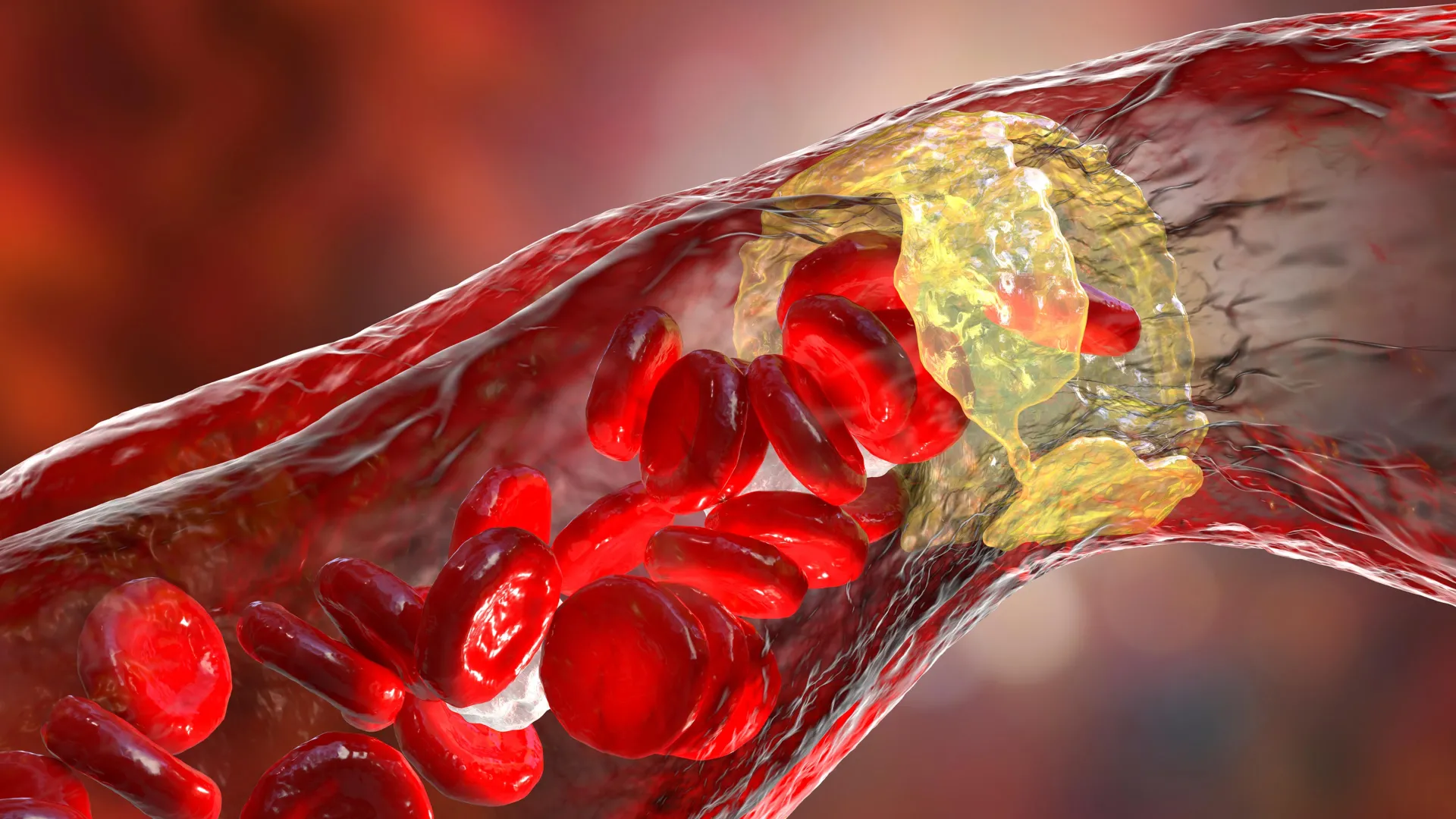
In a significant shift for clinical cardiology, researchers from Mass General Brigham have unveiled data suggesting that the aggressive management of "bad cholesterol" should begin long before patients show physical signs of plaque buildup. The findings, presented at the American College of Cardiology’s Annual Scientific Session & Expo and simultaneously published in JAMA, indicate that the drug evolocumab—a potent PCSK9 inhibitor—can significantly reduce the incidence of first-time heart attacks, strokes, and cardiovascular-related deaths in high-risk patients living with diabetes.
This development challenges the long-standing medical orthodoxy that intensive lipid-lowering therapies should be reserved primarily for individuals who have already suffered a cardiovascular event or have been diagnosed with advanced atherosclerosis. By intervening earlier in the disease trajectory of high-risk diabetic patients, clinicians may be able to fundamentally alter the prognosis for a population traditionally prone to silent, rapid cardiovascular deterioration.
The Evolution of Cardiovascular Prevention: A Chronological Overview
For more than a decade, the standard of care for patients with elevated cholesterol has been hierarchical: statins remain the first-line defense, with more intensive therapies typically introduced only after a "major adverse cardiovascular event" (MACE) has already occurred. This "reactive" approach has defined cardiology practice for years, primarily because clinical trials have historically focused on secondary prevention—treating those who are already sick.
However, the medical community has increasingly recognized that patients with diabetes—particularly those with long-standing disease or microvascular complications—exist in a state of chronic, elevated risk that often remains unaddressed until a catastrophic event occurs.
The path to these recent findings began with the broader VESALIUS-CV randomized trial, a multi-year effort designed to test the efficacy of evolocumab in a primary prevention setting. Recognizing that diabetic patients are disproportionately affected by cardiovascular disease, researchers isolated a specific subgroup of 3,655 participants who met the criteria for "high-risk diabetes" but lacked clinical evidence of established atherosclerosis.
Following the initial design phase, the trial enrolled patients across a global network of study sites. Participants were randomized to receive either bi-weekly injections of evolocumab or a placebo, all while maintaining their existing statin or ezetimibe regimens. Over the course of a five-year follow-up period, the research team monitored the emergence of major cardiovascular events, tracking the health outcomes of participants with meticulous detail to determine if the PCSK9 inhibitor could provide a protective buffer.
Supporting Data: Quantifying the Impact of PCSK9 Inhibition
The strength of the study lies in the dramatic divergence of outcomes between the treatment and control groups. The data provides a compelling argument for the biological potency of evolocumab in the primary prevention context.
The Cholesterol Gap
At the 48-week milestone, the discrepancy in LDL-C levels between the two groups was stark. Patients receiving the PCSK9 inhibitor saw their "bad" cholesterol levels plummet, with median levels dropping to approximately 52 mg/dL. In contrast, those in the placebo group—despite being on standard therapy—maintained median levels of 111 mg/dL. This represents a roughly 51% reduction in LDL-C directly attributable to the addition of the drug.
Clinical Outcomes
The primary endpoint—a composite of coronary heart disease death, heart attack, or ischemic stroke—occurred with significantly lower frequency in the evolocumab group. By the end of the five-year study, only 5% of those treated with the drug had experienced a major cardiovascular event, compared to 7.1% in the placebo group. This translates to a 31% relative risk reduction. These figures are particularly striking given that all participants were already receiving standard-of-care treatments, suggesting that the "residual risk" often left behind by statin therapy can be effectively managed with targeted PCSK9 inhibition.
Perspectives from the Clinical Frontlines
The lead authors of the study emphasize that these results are not merely statistical artifacts but a call to action for the medical community to rethink the "waiting game" of cardiovascular care.
"For over a decade, intensive cholesterol-lowering has been reserved for patients who already have cardiovascular disease," said Dr. Nicholas A. Marston, corresponding author and a cardiologist with the Mass General Brigham Heart and Vascular Institute. Dr. Marston, along with his colleagues, argues that the clinical evidence now supports a more proactive stance. "These results demonstrate the benefit of intensive cholesterol lowering earlier and should change how we think about the prevention of heart attacks, strokes, and heart disease in patients without known significant atherosclerosis."
The study also addressed safety concerns, which are paramount when introducing high-intensity therapies into a population that has not yet experienced a primary event. The research indicated that serious adverse events occurred at similar rates in both the treatment and placebo arms, suggesting that the therapy is not only effective but also well-tolerated by patients over a long-term duration.
The Broader Implications for Healthcare and Policy
The implications of these findings are far-reaching, touching on everything from clinical guidelines to the economics of preventative medicine.
Redefining High-Risk Populations
The study specifically targeted patients with high-risk diabetes, defined as those who had the condition for at least 10 years, those dependent on daily insulin, or those suffering from diabetes-related small blood vessel damage. This stratification is crucial; it helps clinicians identify which patients—despite appearing "asymptomatic" in terms of heart disease—are sitting on a ticking clock. If these criteria become standard for identifying candidates for PCSK9 inhibitors, it could prevent thousands of heart attacks and strokes annually.
The Future of Preventive Cardiology
While the results are promising, researchers are cautious about broad, immediate application. Dr. Marston and his team noted that further research is essential to determine if the benefits observed in high-risk diabetic patients can be generalized to other high-risk populations. For instance, individuals with chronic kidney disease or severe hypertension, who also face elevated cardiovascular risks, may be the next candidates for similar investigations.
Navigating Conflicts and Funding
As with any major clinical trial of this magnitude, transparency regarding funding and potential conflicts of interest is critical. The VESALIUS-CV trial was funded by Amgen Inc., the manufacturer of evolocumab. Many of the authors, including members of the prestigious TIMI Study Group, disclosed personal fees and research support from Amgen and other pharmaceutical entities. While such disclosures are standard in modern medical publishing, they underscore the necessity for independent peer review and the replication of these findings by external, non-industry-funded research groups to ensure the objectivity of the clinical recommendations.
A New Frontier in Preventive Medicine
The Mass General Brigham study provides a robust evidentiary foundation for a paradigm shift. For decades, the "prevention" of heart disease has often been a race against time—a reactive pursuit of damage control following the first signs of trouble. By identifying that high-risk diabetic patients can reap significant, long-term protective benefits from early PCSK9 inhibition, the medical community now has a new, evidence-based weapon to disrupt the progression of cardiovascular disease.
As the findings from the VESALIUS-CV subgroup analysis are integrated into clinical discussions, the focus will likely turn toward the cost-benefit ratios and the long-term sustainability of such treatments. However, the core message remains clear: when it comes to the heart health of those with diabetes, the best way to treat a major cardiovascular event is to prevent it from ever happening in the first place. Through earlier intervention and a more nuanced understanding of patient risk, cardiologists may be on the cusp of a new era where heart attacks and strokes are no longer an inevitability for millions of patients, but rather a preventable outcome.