Introduction: The Imperative of Lifestyle in a Pandemic Era
As the global community continues to navigate the multifaceted challenges of the post-2020 landscape, the intersection of public health crises and individual lifestyle choices has never been more relevant. The COVID-19 pandemic did more than disrupt global logistics; it fundamentally altered the fabric of daily life, introducing widespread economic instability, food insecurity, and a surge in emotional distress.
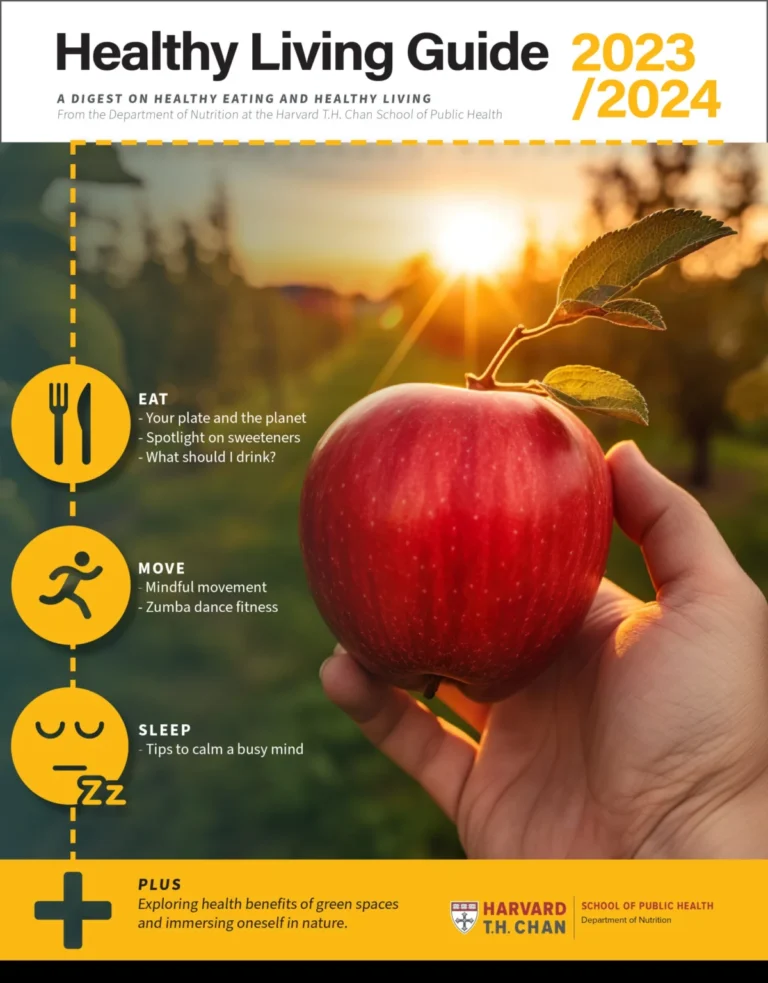
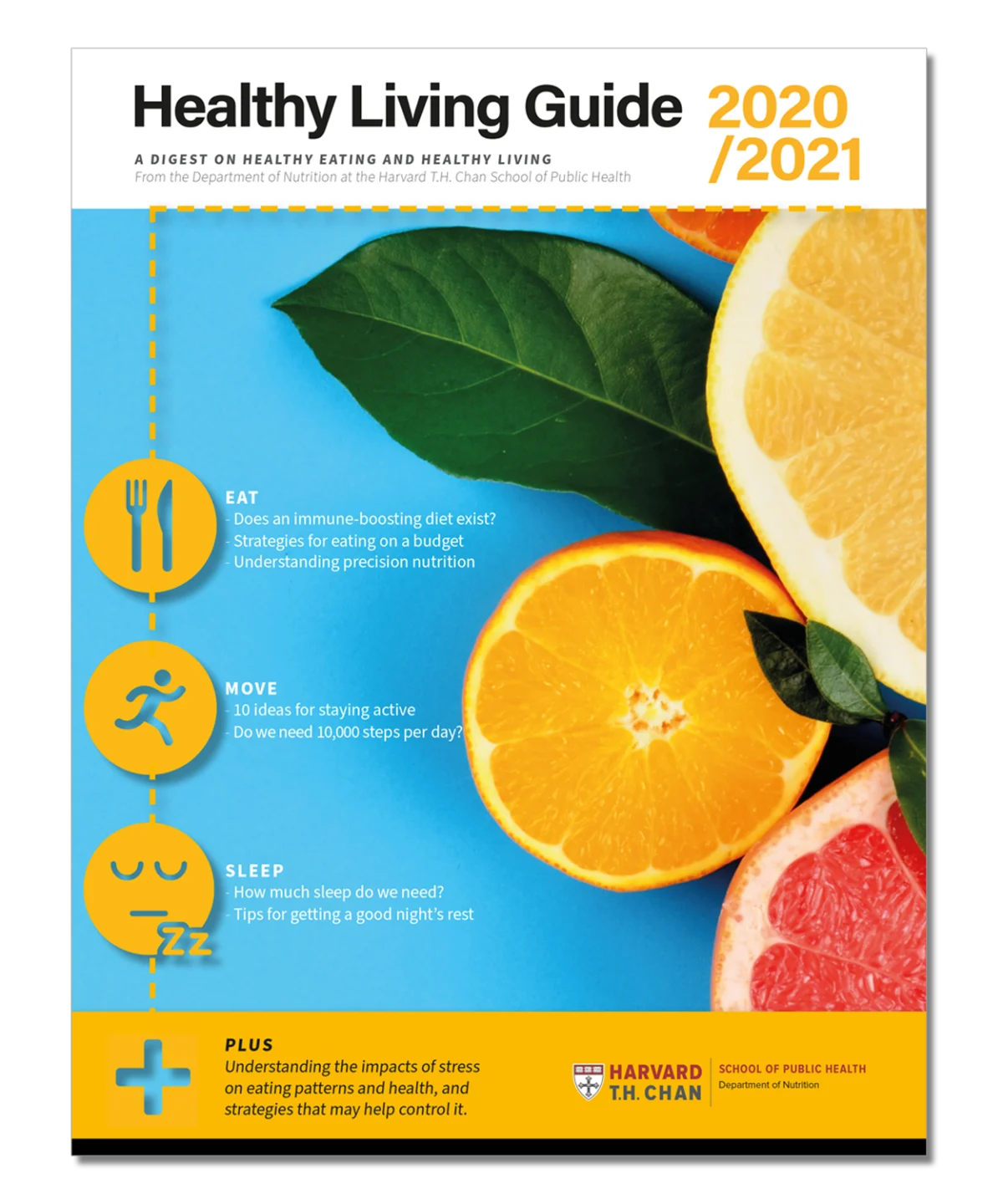
In response to these unprecedented stressors, the Harvard T.H. Chan School of Public Health has released its latest Healthy Living Guide. This resource serves as both a practical manual and a scientific manifesto, emphasizing that while external circumstances remain volatile, the internal framework of our health remains, to a significant extent, within our control. By focusing on evidence-based habits, individuals can bolster their resilience against the uncertainties of the modern world.
The Pillars of Longevity: Main Facts and Scientific Consensus
The core philosophy of the guide rests upon the "Five Key Habits" that have been rigorously studied by researchers over several decades. These habits are not merely suggestions for weight management; they are foundational pillars for extending both lifespan and "healthspan"—the number of years lived in good health, free from chronic disease.
The Five Key Habits:
- Nutrient-Dense Dietary Patterns: Moving beyond fad diets toward sustainable, plant-forward eating that prioritizes whole grains, healthy fats, and lean proteins.
- Regular Physical Activity: Engaging in consistent movement that maintains cardiovascular health and metabolic function.
- Weight Management: Maintaining a body mass index (BMI) within a healthy range to mitigate systemic inflammation.
- Moderation in Alcohol Consumption: Limiting intake to prevent long-term organ damage and metabolic disruption.
- Tobacco Cessation: Eliminating smoking entirely to protect respiratory and vascular integrity.
The scientific literature supporting these habits is robust. Studies indicate that individuals who adhere to all five of these lifestyle factors can expect to live more than a decade longer than those who do not. Furthermore, the implications extend beyond mere survival; middle-aged adults who adopt these practices significantly delay or avoid the onset of devastating chronic conditions, including type 2 diabetes, cardiovascular disease, and various forms of cancer.
Chronology of the Health Shift
The journey toward a holistic understanding of health has evolved significantly over the last two decades.
- Early 2000s: Epidemiological studies begin to identify the distinct links between lifestyle choices and the prevalence of non-communicable diseases.
- 2010–2019: Large-scale longitudinal studies conducted by institutions like Harvard confirm that lifestyle modifications are more effective than pharmaceutical interventions in preventing the majority of chronic metabolic diseases.
- 2020: The COVID-19 pandemic highlights the vulnerability of populations with underlying metabolic conditions, creating a renewed public urgency for immune-supportive lifestyles.
- 2021 and Beyond: The publication of the Healthy Living Guide marks a transition toward a "digestible" format, aimed at providing the public with actionable, printable, and digital tools to combat the "sedentary drift" caused by pandemic-related lockdowns.
Supporting Data: Why Lifestyle Trumps Quick Fixes
The primary challenge in modern healthcare is the allure of the "quick fix"—supplements, detoxes, or restrictive diets that promise rapid results but fail to deliver long-term systemic improvement. The data presented by the Harvard experts suggests that the "slow and steady" approach yields the highest dividends.
The Impact of Chronic Disease Prevention
Chronic diseases remain the leading cause of death and disability globally. Research has shown that the vast majority of type 2 diabetes cases and a significant portion of heart disease cases are preventable. When an individual adopts the Five Key Habits, the biological "age" of their internal systems remains lower than their chronological age. This is attributed to reduced markers of systemic inflammation, improved insulin sensitivity, and better regulation of the autonomic nervous system.
Immunity and Nutrition
While there is no "superfood" or specific supplement that guarantees immunity against COVID-19 or any other viral pathogen, the nutritional status of an individual is a primary determinant of immune response. A diet rich in vitamins, minerals, and antioxidants—sourced from whole fruits, vegetables, and legumes—ensures that the immune system has the raw materials necessary to identify and neutralize threats efficiently.
Official Perspectives and Expert Guidance
Health experts at the Harvard T.H. Chan School of Public Health emphasize that the current guide was developed specifically for the "uncertain times" of the 2020-2021 period. Recognizing that stress-eating, isolation, and economic strain were at an all-time high, the creators of the guide moved away from prescriptive, judgmental language toward a more compassionate, strategy-based approach.
"We recognize that sticking to healthy habits is often easier said than done," the guide notes. The official stance is that small, incremental changes are more sustainable than radical lifestyle overhauls. By providing resources such as the "Healthy Living Bingo Challenge," the authors hope to gamify wellness, making the adoption of healthy habits a source of enjoyment rather than a chore.
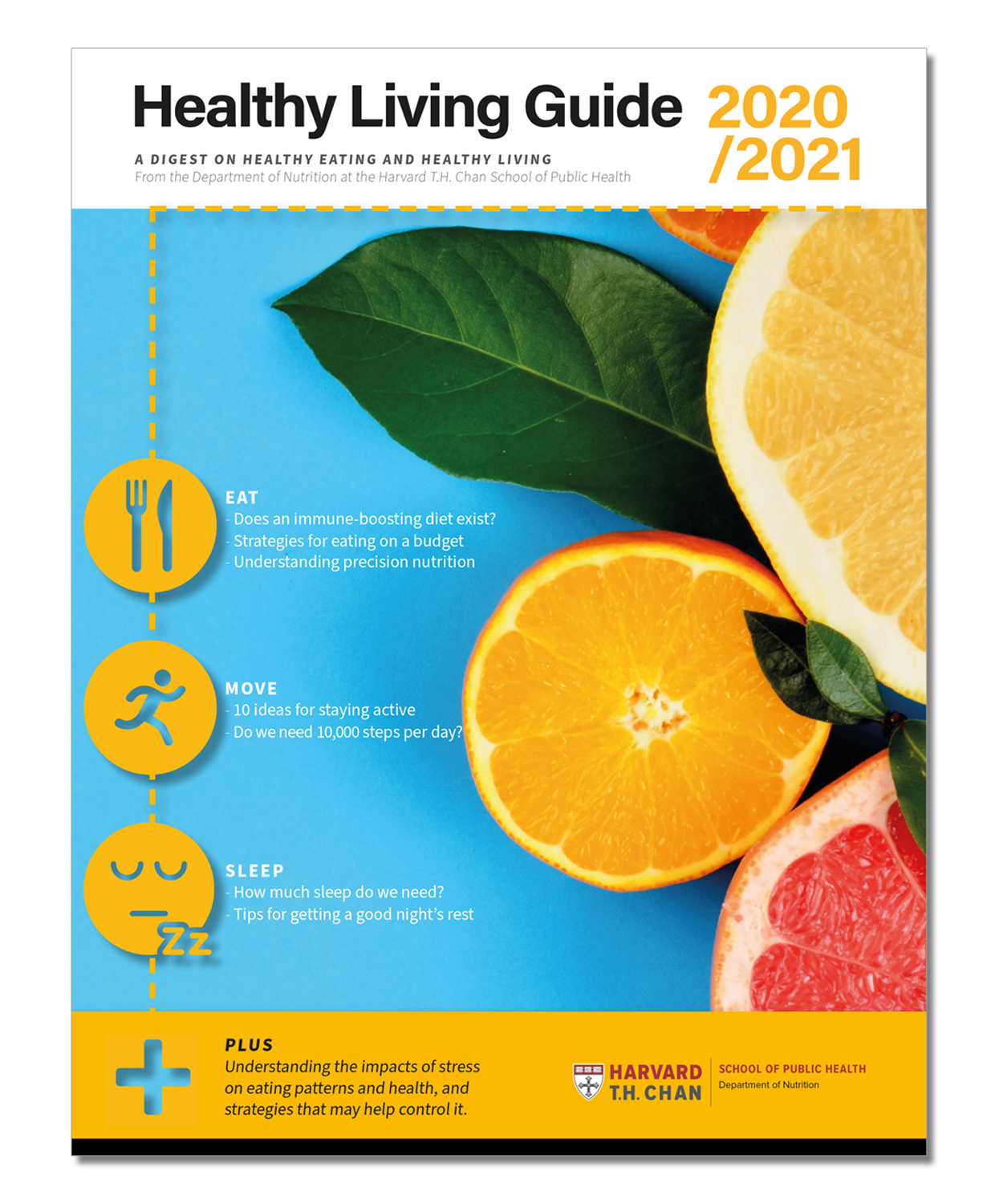
The guide explicitly addresses the emotional component of physical health. By encouraging readers to pick up new hobbies, experiment with healthy recipes, and integrate exercise into their daily routine, the guide promotes a holistic view where mental and physical health are inextricably linked.
Implications for Public Health and Individual Action
The implications of this research are profound for both the individual and the broader healthcare system.
For the Individual
The primary takeaway is the concept of agency. In a world where many stressors are outside of one’s control, the "Five Key Habits" provide a framework for self-efficacy. This is particularly important for mental health; studies have shown that individuals who feel they have control over their physical wellbeing report lower levels of anxiety and depression.
For the Healthcare System
The shift toward preventative lifestyle medicine is essential for the sustainability of public health infrastructure. As the global population ages, the financial and logistical burden of managing chronic disease threatens to overwhelm healthcare providers. By empowering the public with the tools to manage their own health, society can potentially reduce the frequency of hospitalizations and the reliance on long-term medical interventions.
Strategies for Implementation
To make these habits stick, the Healthy Living Guide suggests the following strategies:
- Preparation: Use the provided printable tip sheets to plan meals and exercise schedules for the week.
- Tracking: Utilize the Bingo Challenge or other tracking methods to maintain accountability without the pressure of perfection.
- Community: Engaging with family or friends in these habits creates a support system, which is crucial for long-term adherence.
- Adaptation: During periods of high stress, adjust expectations. A 15-minute walk is significantly better than no movement at all.
Conclusion: A Living Commitment
The Healthy Living Guide is more than a document; it is a call to action for a proactive approach to existence. As we move further into the decade, the lessons learned from the pandemic regarding the fragility of health must be transformed into a permanent commitment to longevity.
By integrating the core habits of healthy eating, regular activity, weight management, and avoiding harmful substances, individuals are not just adding years to their lives—they are adding life to their years. Whether through downloading the printable tip sheets, attempting a new recipe, or simply making a conscious choice to prioritize rest and movement, every small action contributes to a larger, healthier future.
For those looking to begin or refine their journey, the resources provided in the Healthy Living Guide serve as a comprehensive roadmap, ensuring that regardless of the external environment, one’s internal foundation remains strong, resilient, and capable of enduring the challenges to come.
For further reading and to access the printable resources mentioned, please visit the official Harvard T.H. Chan School of Public Health website.