BRUSSELS – As the integration of Artificial Intelligence (AI) into clinical oncology transitions from a theoretical ambition to a practical reality, the OPTIMA (Optimal Treatment for Patients with Solid Tumours in Europe) consortium gathered in Brussels on May 19–20, 2026. The Annual General Meeting served as a critical nexus for researchers, clinicians, and—most pivotally—patient advocates to define the ethical and functional framework for the next generation of AI-driven cancer care.
At the heart of the proceedings was the Public/Patient Advisory Board (PPAB), an entity whose influence has become the bedrock of the OPTIMA project’s development strategy. By placing the lived experience of patients at the forefront of technological innovation, the consortium is attempting to solve one of the most pressing challenges in modern medicine: how to leverage machine learning without losing the human touch.
Main Facts: The OPTIMA Mission in the Age of AI
The OPTIMA project, an ambitious EU-funded initiative, is dedicated to revolutionizing the treatment landscape for three of the most prevalent cancers: lung, breast, and prostate. The project’s core objective is to harness the power of AI to provide clinicians with real-time, data-driven insights that facilitate highly personalized treatment pathways.
However, the 2026 meeting underscored a fundamental shift in the project’s trajectory: the realization that technological capability alone is insufficient. For AI to be successful in a clinical setting, it must gain the trust of the very people it is designed to treat. The PPAB’s involvement at the Brussels summit was not merely consultative; it was structural. From the development of communication tools to the ethical oversight of data-driven decision-making, patient advocates are now co-designers of the OPTIMA platform.
Chronology: A Roadmap to Patient-Centric Innovation
The OPTIMA Annual Meeting was structured to move beyond technical updates, focusing instead on the integration of digital tools into the physician-patient relationship.
Day 1: The Foundation of Trust
The opening sessions focused on the progress of the OPTIMA consortium’s data-sharing infrastructure. Partners from across Europe presented advancements in harmonizing clinical data for breast, lung, and prostate cancers. The tone was set early: technical precision, while vital, must be tempered by regulatory compliance and, more importantly, patient-informed transparency.
Day 2: The PPAB Session – "From Data to Decisions"
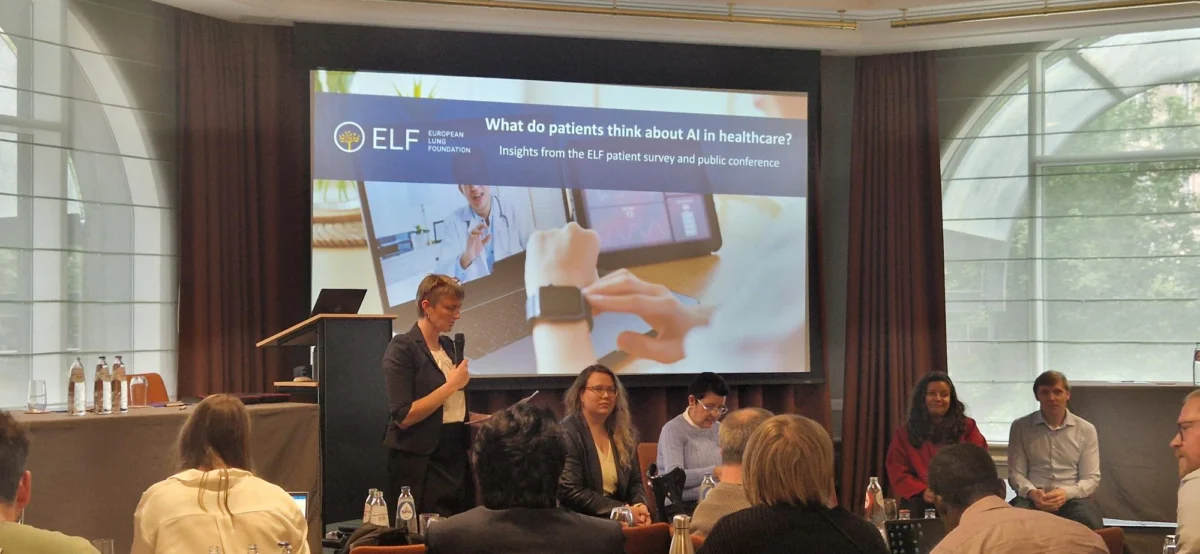
The highlight of the summit was the dedicated session, "From Data to Decisions: Patient Perspectives on AI in Cancer Care." This session moved the discourse from the laboratory to the bedside. Presenters shared results from the European Lung Foundation (ELF) patient survey, which interrogated public sentiment toward AI in healthcare.
The findings were clear: while there is palpable excitement regarding the potential for faster, more accurate diagnoses, there is also a profound anxiety regarding the "black box" nature of AI. The session synthesized insights from several high-level workshops, including a public conference on human-centric digital solutions, concluding that trust is the currency of digital healthcare.
Supporting Data: Understanding the Patient Pulse
To inform the discussions, the consortium relied on a robust body of qualitative and quantitative research. Data presented during the meeting highlighted three pillars that patients deem non-negotiable for the adoption of AI:
- Transparency: Patients require clear, jargon-free explanations of how AI models reach their conclusions. They are less concerned with the underlying code and more concerned with the provenance of the data and the logic of the recommendations.
- Human Oversight: The data indicates that patients view AI as a "clinical co-pilot" rather than an autonomous decision-maker. The consensus among respondents is that AI should augment, not replace, the clinical judgment of an oncologist.
- Real-Time Accessibility: A major driver of patient enthusiasm is the potential for AI to bridge the information gap. Patients expressed a strong desire for AI tools to provide real-time access to information regarding clinical trial eligibility and the latest advancements in personalized, targeted therapies.
The ELF survey data specifically noted that when patients understand that AI can analyze vast datasets to identify rare sub-types of cancer—which a human might miss—their willingness to embrace the technology rises significantly.
Official Responses: The Human-Machine Partnership
A panel discussion featuring researchers and advocates provided a platform for Ximena Montano, a prominent member of the PPAB and a representative of Europa Donna. Her testimony encapsulated the delicate balance between innovation and ethics.
"It was clear that patients do favor the use of AI, but in conjunction with members of the medical profession," Montano stated during the panel. "It was deemed important that conversations regarding treatment options and decisions should be made with the participation of the specialized professional, such as an oncologist, and AI."
Montano’s perspective highlights a critical takeaway for the medical community: patients are not looking for a technology-only solution. They are looking for an empowered partnership. When asked about the future, Montano expressed optimism: "Patients are excited about the prospect of AI in cancer care as it will also provide information in real time, for example, of results from clinical studies and the introduction of novel and personalized therapies."
The consortium leadership acknowledged these sentiments, noting that the feedback provided by the PPAB is being directly integrated into the development cycle of the OPTIMA tools. The goal is to ensure that the user interface for clinicians includes patient-facing dashboards that make complex AI findings understandable for the patient.
Implications: The Future of Oncology
The implications of the 2026 OPTIMA Annual Meeting extend far beyond the consortium itself. As the project continues to develop its platform, it is setting a standard for how large-scale, EU-funded medical initiatives should engage with the public.
1. Re-defining the Clinical Workflow
The shift toward AI-supported care necessitates a redesign of the consultation room. Doctors will soon be expected to interpret AI-generated prognostic models while maintaining an empathetic dialogue with the patient. This requires new training protocols for oncologists, ensuring they can communicate AI findings with the necessary nuance.
2. The Ethics of Co-Creation
By involving the PPAB in the actual development of software tools, OPTIMA is proving that co-creation is the most effective way to mitigate ethical risks. By identifying potential biases or accessibility issues early in the design phase, the project is building a foundation of safety and inclusion that will be difficult for future initiatives to ignore.
3. A Model for Personalized Medicine
The OPTIMA project is effectively building a "living" repository of knowledge for lung, breast, and prostate cancer. The success of this model depends on the ability of the AI to scale. If, as Ximena Montano noted, the consortium can successfully create a platform that facilitates the participation of cancer patients, their clinical teams, and AI, it will likely serve as the blueprint for the next decade of cancer treatment across the European Union.
Conclusion: A New Era of Collaboration
As the Brussels summit concluded, the atmosphere was one of measured, collaborative ambition. The OPTIMA consortium has moved beyond the "what" and "how" of AI to focus on the "why."
The message from the PPAB is clear: AI is a powerful tool, but its true value lies in its ability to support, rather than supersede, the human connection in medicine. As AI tools become more sophisticated, the role of the patient advocate will only grow in importance, ensuring that as technology advances, it remains firmly tethered to the values of trust, transparency, and the pursuit of a better quality of life for all cancer patients.
For those looking to stay informed on this transformative journey, the OPTIMA project continues to provide regular updates and resources, serving as a beacon for what is possible when science listens to those it serves.