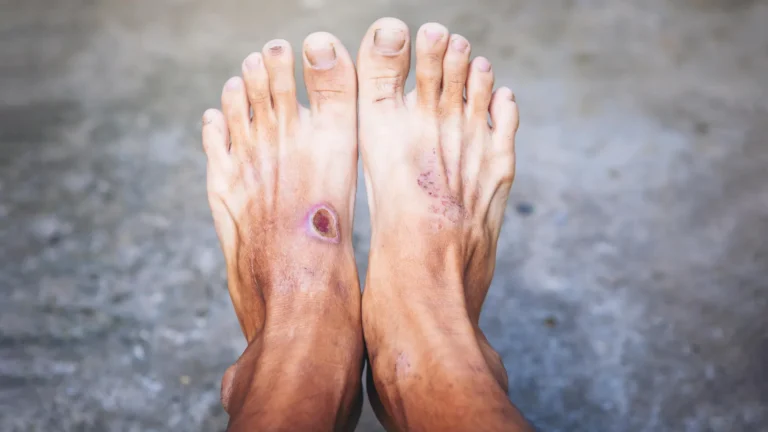










Chronic wounds represent a silent, global healthcare crisis. For millions of individuals—particularly those living with diabetes or advanced age—a minor skin abrasion can evolve into a debilitating, lifelong struggle. These non-healing wounds are not merely a clinical inconvenience; they are a gateway to systemic infection, recurring hospitalization, and, in severe cases, life-altering lower-limb amputations.
However, a groundbreaking study led by researchers at Nanyang Technological University, Singapore (NTU Singapore), in collaboration with the University of Geneva, has unveiled a sophisticated mechanism by which common bacteria sabotage human tissue repair. By shifting the focus from killing bacteria to neutralizing their metabolic "weapons," this international team has identified a potential therapeutic pathway that could bypass the looming threat of antibiotic resistance.
The Scale of the Crisis: Understanding Chronic Wounds
To appreciate the significance of this discovery, one must first understand the clinical reality of chronic wounds. Unlike acute wounds, which follow a predictable, timely healing process, chronic wounds remain trapped in an inflammatory state, unable to complete the regenerative cycle.
Global and Local Impact
The data is sobering. Approximately 18.6 million people worldwide suffer from diabetic foot ulcers (DFUs) annually. Clinical projections suggest that up to one in three individuals diagnosed with diabetes will experience at least one foot ulcer during their lifetime.
In Singapore, the burden is equally significant. More than 16,000 cases of chronic wounds—including pressure injuries, venous leg ulcers, and diabetic foot ulcers—are documented annually. As the population ages and the prevalence of metabolic syndrome rises, these figures are expected to climb, placing immense pressure on healthcare infrastructure and patient quality of life.
The Mechanism of Sabotage: How E. faecalis Hijacks Healing
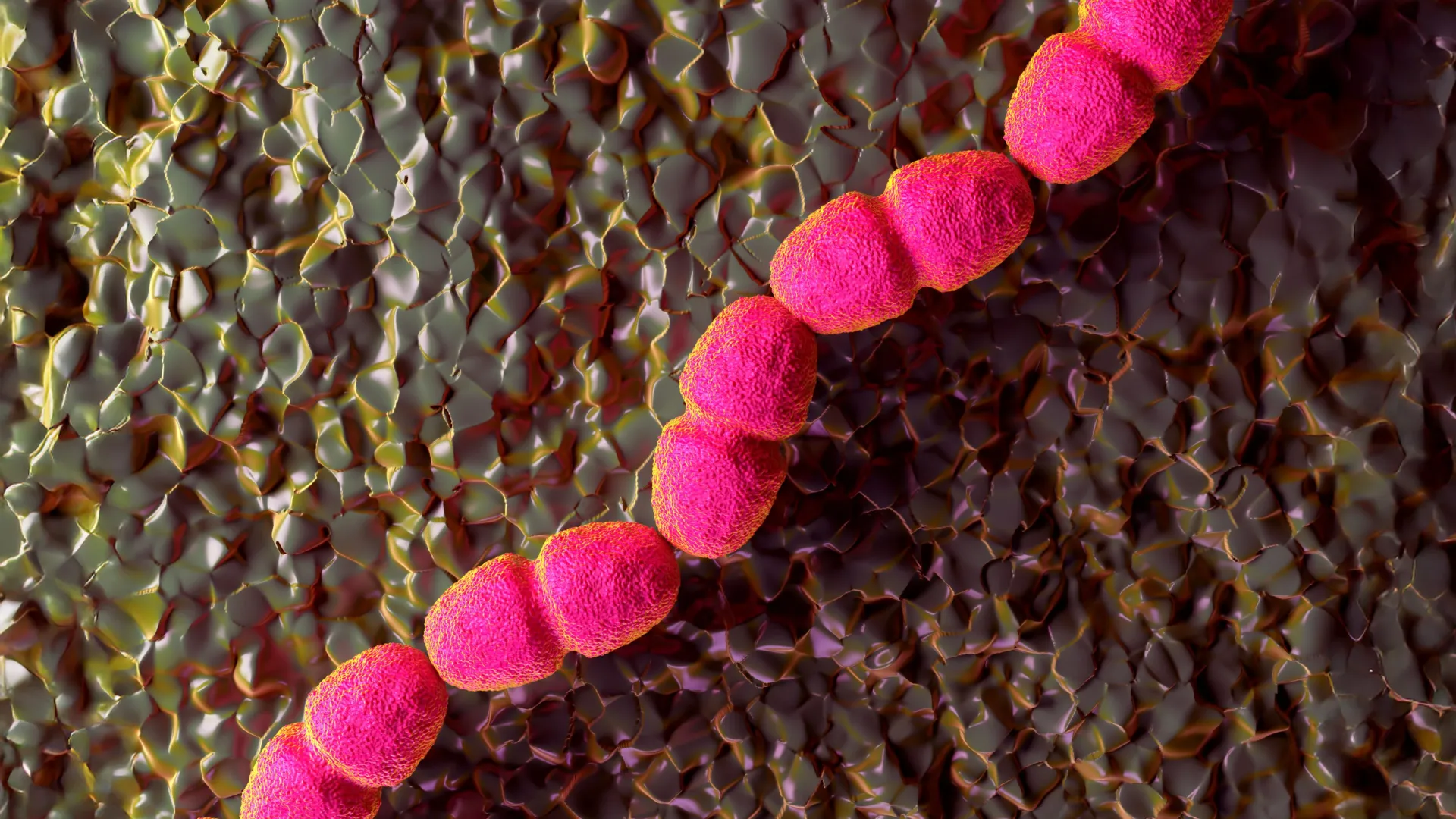
The core of the study, recently published in the prestigious journal Science Advances, focuses on the opportunistic pathogen Enterococcus faecalis (E. faecalis). While this bacterium is a normal inhabitant of the human gut, it often colonizes chronic wounds, where it acts as a formidable barrier to recovery.
The Shift from Toxins to Metabolism
For decades, the medical community assumed that bacteria primarily hampered healing by secreting toxins or triggering an overwhelming immune response. However, the NTU-led team, headed by Associate Professor Guillaume Thibault of NTU’s School of Biological Sciences and Professor Kimberly Kline of the University of Geneva, discovered that E. faecalis employs a far more subtle and dangerous strategy.
The research team identified that E. faecalis utilizes a metabolic process known as "extracellular electron transport" (EET). This process allows the bacteria to continuously generate hydrogen peroxide as a metabolic byproduct.
"Our findings show that the bacteria’s metabolism itself is the weapon, which was a surprise finding previously unknown to scientists," explained Associate Professor Thibault.
The "Unfolded Protein Response" Trap
When hydrogen peroxide is released into the wound environment, it induces significant oxidative stress in nearby keratinocytes—the primary cells responsible for skin repair. Under normal circumstances, these cells possess a safety mechanism called the "unfolded protein response" (UPR).
The UPR is designed to help cells survive damage by temporarily halting protein production and metabolic activity, allowing the cell time to repair itself. However, the constant, high-level presence of hydrogen peroxide from E. faecalis keeps the UPR in a state of chronic activation. This effectively paralyzes the keratinocytes. Unable to move or "migrate" toward the wound site to close the gap, the skin cells remain trapped in a state of stasis, preventing the wound from ever fully sealing.
Chronology of the Discovery
The path to these findings involved a rigorous, multi-year investigative process that combined microbiology, cellular biology, and bioengineering:
- Initial Observation: Researchers noted that wounds infected with E. faecalis consistently displayed impaired re-epithelialization, regardless of the bacterial load, suggesting a specific interference mechanism.
- The EET Connection: Through genomic and metabolic screening, Dr. Aaron Tan, the study’s first author and an NTU Research Fellow, identified the extracellular electron transport pathway as the culprit.
- Experimental Validation: The team utilized genetically modified strains of E. faecalis lacking the EET pathway. In laboratory tests, these altered bacteria failed to produce significant hydrogen peroxide and, consequently, failed to inhibit the migration of skin cells.
- Reversal Studies: The researchers introduced catalase—an enzyme that breaks down hydrogen peroxide—to the infected cell cultures. The results were immediate: oxidative stress levels plummeted, and the keratinocytes regained their migratory function, demonstrating that the inhibitory effect was reversible.
Supporting Data: Why This Matters for Antibiotic Resistance
The rise of multidrug-resistant organisms (MDROs) has rendered many standard antibiotic treatments ineffective. E. faecalis is notorious for its ability to evolve resistance to commonly prescribed antibiotics, leaving clinicians with limited options.
The beauty of the NTU team’s discovery lies in its departure from traditional bactericidal approaches. By targeting the byproduct of the bacteria rather than the bacteria itself, the researchers are developing a strategy that does not exert the same selective pressure that typically leads to antibiotic resistance.
Clinical Potential of Antioxidants
The study proposes that future clinical interventions could involve dressings infused with antioxidants like catalase. Because antioxidants are already well-understood and widely used in other medical contexts, the regulatory path to integrating them into wound care products may be significantly shorter than the decade-long process required to develop and test a new class of antibiotics.
Official Responses and Expert Perspective
The research has been lauded by the scientific community for its innovative "metabolic neutralization" approach.
"Instead of focusing on killing the bacteria with antibiotics, which is becoming increasingly difficult and leads to future antibiotic resistance, we can now neutralize it by blocking the harmful products it generates and restoring wound healing," said Assoc Prof Thibault. "We are effectively disarming the pathogen rather than trying to eradicate it, which is a paradigm shift in how we approach chronic infections."
Professor Kimberly Kline added that the collaboration between NTU and the University of Geneva was essential to connecting the metabolic behavior of the bacteria with the physiological response of the human skin cells. By leveraging the expertise of the Singapore Centre for Environmental Life Sciences and Engineering (SCELSE), the team was able to map out the bacterial behavior in complex, wound-like environments.
Implications for Future Medicine
The implications of this research extend far beyond the laboratory bench. As the team looks toward the next phase of development, the focus is shifting from cellular experiments to pre-clinical and, eventually, human clinical trials.
Towards Clinical Application
- Animal Model Testing: The team is currently refining the delivery systems for antioxidants. Finding the optimal way to ensure that enzymes like catalase remain active and stable within a wound dressing is the immediate priority.
- Clinical Trials: Once safety and efficacy are confirmed in animal models, the researchers intend to initiate human clinical trials. Given the high medical need, there is optimism that this could reach patients within a reasonable timeframe.
- Broadening the Scope: While the current study focused on E. faecalis, the researchers believe that other bacteria may utilize similar metabolic pathways to disrupt host healing. If this holds true, the strategy of "metabolic neutralization" could potentially be adapted to treat a wide array of chronic, non-healing wounds.
A New Era of Wound Care
The move toward "bio-functional" dressings represents the next generation of medical technology. Instead of passive bandages that simply cover a wound, future dressings may actively modulate the wound microenvironment, scavenging harmful ROS and empowering the body’s natural regenerative capabilities.
In conclusion, the work led by NTU Singapore marks a vital step forward in the fight against chronic wounds. By unveiling the specific biochemical sabotage employed by E. faecalis, the researchers have not only clarified a long-standing medical mystery but have also provided a concrete, actionable, and sustainable strategy to improve the lives of millions. As the world faces the escalating challenge of antibiotic resistance, this metabolic approach offers a beacon of hope—a way to heal the body not by waging war on the microbial world, but by neutralizing its most damaging influence.