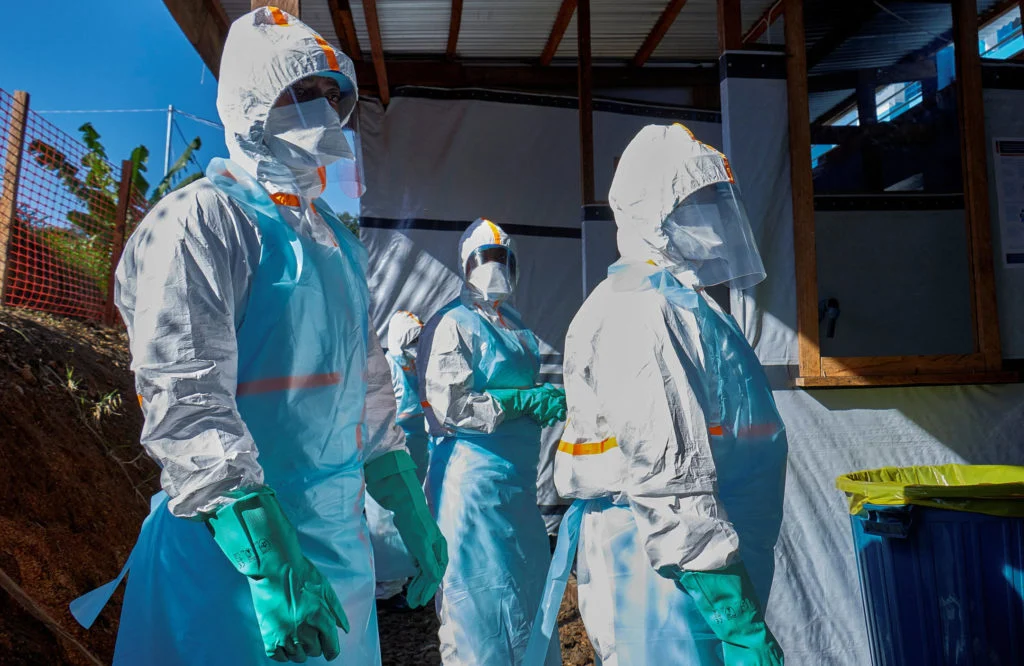
The Democratic Republic of the Congo (DRC) and Uganda are currently grappling with a rapidly intensifying Ebola outbreak that has ignited grave concerns among global health experts. With confirmed fatalities exceeding 120 and total case numbers surpassing 630, the virus is moving at a velocity that threatens to outpace current containment efforts. The situation, described by some observers as a potential repeat of the catastrophic 2014 West African epidemic, has prompted urgent calls for a more robust, internationally coordinated response.
The Gravity of the Current Situation: Key Facts
The current outbreak is not merely a localized health incident; it is a multifaceted crisis defined by high transmission rates and complex environmental obstacles. Unlike previous, more contained outbreaks, this iteration of the virus has penetrated major urban centers.
The epicenter, particularly in the Ituri province and surrounding regions of the DRC, has seen alarming spikes in daily infection rates. As of recent reports, officials are recording dozens of new cases within 24-hour windows. Experts warn that these figures are almost certainly undercounted, as the virus spreads through community networks that remain beyond the reach of current surveillance efforts. The psychological toll is compounded by the fact that health workers—the primary line of defense—are facing deep-seated suspicion, leading to instances of violence against medical facilities and staff.
A Chronology of Escalation
The trajectory of this outbreak has been marked by missed opportunities and the harsh reality of "late recognition."
- Initial Detection: Health authorities identified the emergence of the virus, but the lag between the initial transmission and the formal declaration of a global health emergency by the World Health Organization (WHO) allowed the pathogen to gain a dangerous foothold.
- The Urban Shift: The most significant turning point occurred when the virus moved from rural, isolated villages into high-density urban metropolitan areas like Bunia. This shift fundamentally changed the epidemiology of the outbreak, turning a manageable fire into a wildfire.
- The "Toolbox" Gap: A critical factor in the chronology of this crisis is the lack of medical countermeasures. Because the current strain—specifically the Bundibugyo species—lacks a widely available vaccine, frontline workers are fighting with the same limited medical toolkit that was available during the early days of the 2014 crisis.
- Current Status: As of this week, the crisis has entered a critical phase where the absence of a large-scale international "surge" response is beginning to show in the mortality data.
Supporting Data and Comparative Analysis
Jeremy Konyndyk, President of Refugees International and a former USAID official who oversaw the U.S. foreign disaster assistance response during the 2014 West Africa epidemic, draws chilling parallels between the current situation and the past.
In 2014, the outbreak spiraled out of control precisely because it entered urban corridors without sufficient intervention. Konyndyk notes that the current rate of new cases is mirroring the exponential growth seen just before the West African epidemic reached its peak.
Key Comparative Metrics:
- Geographic Density: 2014 saw the virus thrive in dense urban slums; today, the outbreak is replicating that pattern in the metropolitan zones of the DRC.
- Institutional Readiness: In 2014, the U.S. and international partners had long-standing, pre-established relationships with local NGOs and health ministries. Today, these institutional ties have been significantly weakened due to budget cuts and a shift in foreign policy priorities.
- Diplomatic Momentum: In September 2014, the Obama administration rallied the United Nations General Assembly to create a unified, global coalition. Observers note a stark absence of that same "diplomatic ambition" in the current administration’s approach.
Official Responses and the "Policy Vacuum"
The official response from Washington has become a point of intense friction. While current U.S. health leadership, including officials at the NIH and CDC, has characterized the American response as "scientifically justified" and "tailored to contain the outbreak," critics argue these descriptors are vague and lack substance.
The primary point of contention is the absence of a "whole-of-government" approach. In previous crises, agencies such as the Department of Defense (DOD), the CDC, and USAID worked in tandem to provide the logistical backbone for the WHO. Currently, that integration is largely absent.
Furthermore, the U.S. decision to propose an Ebola isolation unit in Kenya rather than utilizing high-capacity biocontainment facilities in the United States has caused diplomatic friction. Kenya, wary of the optics and the risk, has resisted the move. Konyndyk notes the irony: "We have invested millions in building top-tier biocontainment facilities in the U.S. precisely for pathogens like this, yet we are suggesting that a partner nation should host the risk instead."
Implications: The High Cost of Withdrawal
The broader implications of this outbreak extend far beyond the borders of the DRC and Uganda.
1. The Erosion of Trust
Containment of Ebola is predicated on community trust. Without the presence of trusted NGOs and established local partners, public health messages fall on deaf ears. When local populations view health workers as vectors of the disease rather than healers, the resulting suspicion leads to attacks on clinics, further accelerating the spread of the virus. The dismantling of local aid networks has left a vacuum that is now being filled by misinformation.
2. The Loss of U.S. Leadership
The U.S. role in global health security is being fundamentally reassessed. By withdrawing from key partnerships and scaling back the operational capacity of USAID, the U.S. has lost its ability to "surge" in a crisis. The lack of a robust, coordinated international response implies that the world is currently less prepared to handle a pandemic-level event than it was a decade ago.
3. The Path Forward
To prevent this outbreak from becoming the deadliest in history, Konyndyk and other public health experts advocate for a return to the fundamentals of crisis management:
- Immediate Resource Surging: Moving beyond rhetoric to provide tangible assets—protective equipment, mobile treatment units, and logistical support.
- Restoring Diplomatic Channels: Re-engaging with the WHO and regional health ministries as a primary partner, not an external observer.
- Community-Centered Response: Re-investing in local civil society and NGO partners who possess the cultural knowledge necessary to combat the fear and misinformation surrounding the virus.
Conclusion
The Ebola outbreak in the DRC and Uganda serves as a litmus test for the global health infrastructure. As the virus continues to move through vulnerable populations, the window for effective intervention is closing. Whether the international community can overcome political paralysis to provide the necessary support remains the defining question. If the current trend continues, the legacy of this outbreak may well be a cautionary tale about the cost of dismantling the very systems designed to protect the world from the next great contagion.