







In the world of fitness, few exercises command as much respect—or induce as much trembling—as the humble plank. It is a deceptively simple movement that requires no equipment, minimal space, and not a single repetition. Yet, for those over the age of 60, the plank represents far more than a simple ab workout; it is a critical diagnostic tool for assessing functional longevity, spinal health, and overall physical independence.
According to fitness experts, the ability to hold a proper plank is not just about aesthetics. It is a vital indicator of how well your body can manage the rigors of daily life as you age. Bruno Pontes, an ACSM and AFAA-certified personal trainer with the fitness app Muscle Booster, notes that for individuals in their golden years, the plank serves as a cornerstone of functional fitness. With eight years of experience guiding clients through their wellness journeys, Pontes suggests that if you can hold a plank for a specific duration after 60, your core strength is truly “top-tier.”
The Anatomy of Stability: Why the Plank Matters
While many associate core strength with the "six-pack" look, the reality of functional fitness is far more complex. The core is not just the abdominals; it is a sophisticated network of muscles that includes the lower back, glutes, hips, and deep stabilizers that protect the spine.
"The plank measures how well the core stabilizes the spine and maintains proper alignment," explains Pontes. "It requires multiple muscle groups to work in concert. When you are in a plank, your abdominals, glutes, shoulders, and hips are all firing to hold your body against the downward pull of gravity. This makes it an unparalleled indicator of your total-body stability."
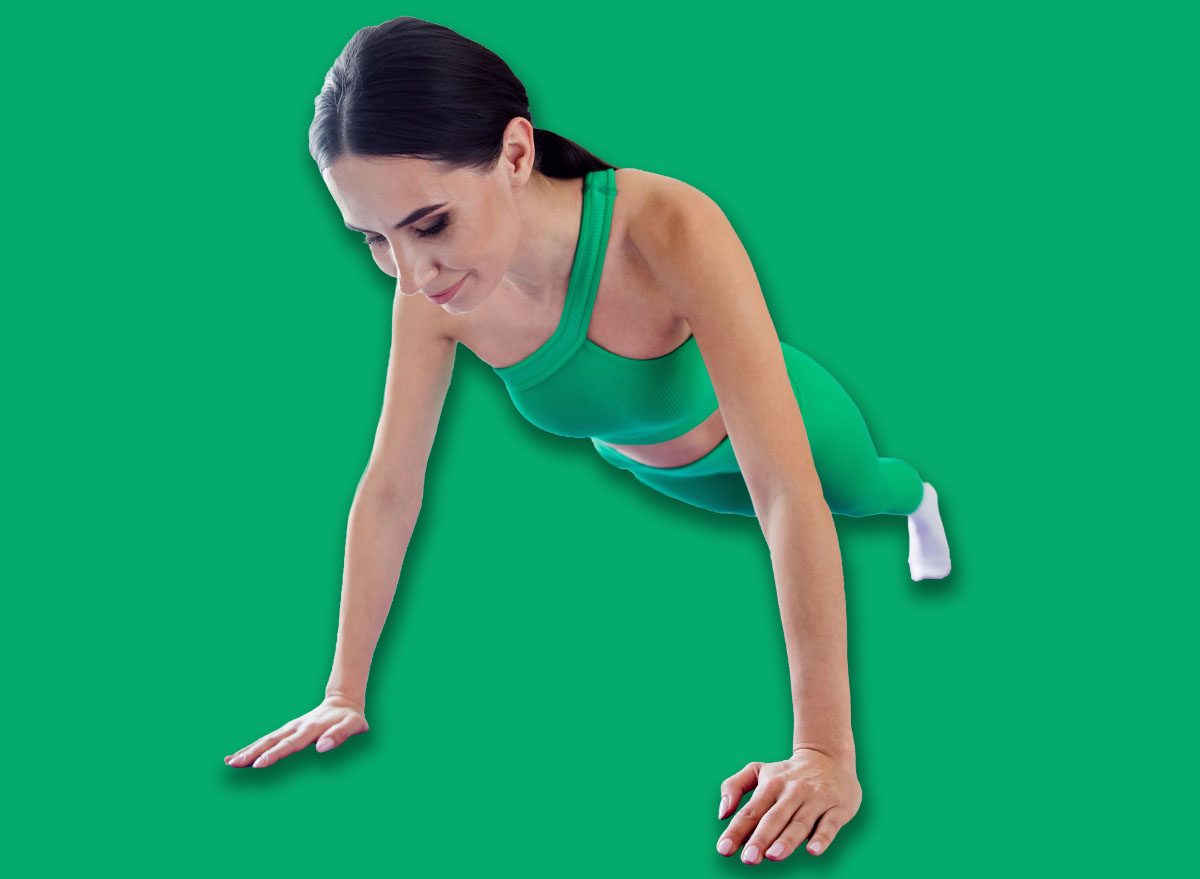
For the aging population, this stability is the difference between a minor stumble and a life-altering fall. A strong, stable core provides the foundation for every movement, from navigating a flight of stairs to reaching for items on a high shelf or maintaining balance while carrying heavy groceries.
The Chronology of Progress: From Beginner to Elite
For those just starting, the journey to a strong plank is not measured in minutes, but in seconds. Fitness professionals emphasize a structured approach to building endurance, ensuring that form is never sacrificed for time.
The Beginner Phase (15–20 Seconds)
If you are new to the exercise, the initial goal is not endurance, but engagement. Holding a plank for 15 to 20 seconds is an excellent starting point. At this stage, the focus should be on "finding the muscles"—learning how to tuck the pelvis, squeeze the glutes, and push the floor away with the shoulders.
The Intermediate Benchmark (30 Seconds)
For individuals over the age of 60, holding a clean, unwavering plank for 30 seconds is a stellar benchmark. This duration suggests that the individual has developed enough muscular endurance to support the spine during routine daily activities.
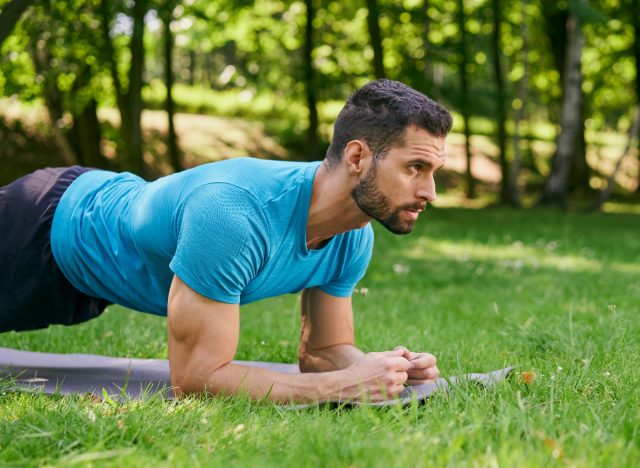
The "Top-Tier" Status (60–90 Seconds)
For those who have mastered the fundamentals and have continued to challenge themselves, holding a plank for 60 to 90 seconds represents exceptional physical conditioning. Pontes classifies this as "top-tier" strength. At this level, the individual demonstrates a high degree of core efficiency and spinal resilience that is rarely seen in the general population of this age group.
The Critical Importance of Form
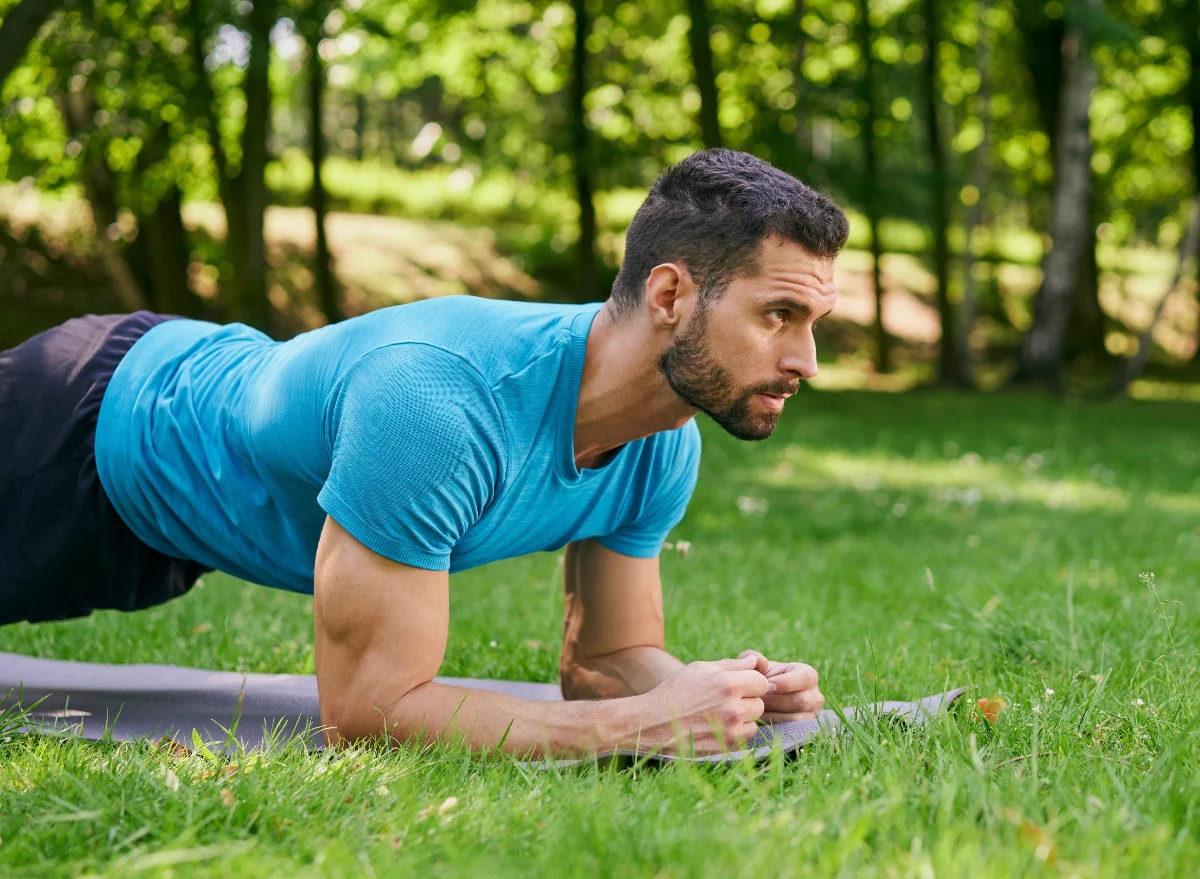
The most common mistake in planking—regardless of age—is the "sinking" phenomenon. As fatigue sets in, the hips tend to drop toward the floor or pike high into the air. Both positions signal a loss of core engagement and, more importantly, place significant, unnecessary stress on the lumbar spine.
"Aim to keep your body as still as possible," advises Pontes. "You want to strive for a perfectly straight line from your head to your heels. If you feel your hips sagging, it is time to stop the set. The moment your form breaks, the exercise ceases to be a benefit and starts to become a potential risk."
Key Form Tips for Success:
- The Glute Squeeze: Engaging your glutes is the secret to a stable plank. It locks the pelvis into place and relieves tension from the lower back.
- Shoulder Stability: Don’t just hang on your joints. Actively push your forearms or hands into the ground to create space between your shoulder blades.
- The Breathwork: A common error is holding one’s breath. This creates internal pressure and systemic tension. Instead, maintain a steady, rhythmic breathing pattern throughout the hold.
Selecting Your Variation: Forearm vs. High Plank
Choosing the right plank variation depends on your unique physical needs, particularly for those with age-related joint issues like arthritis.
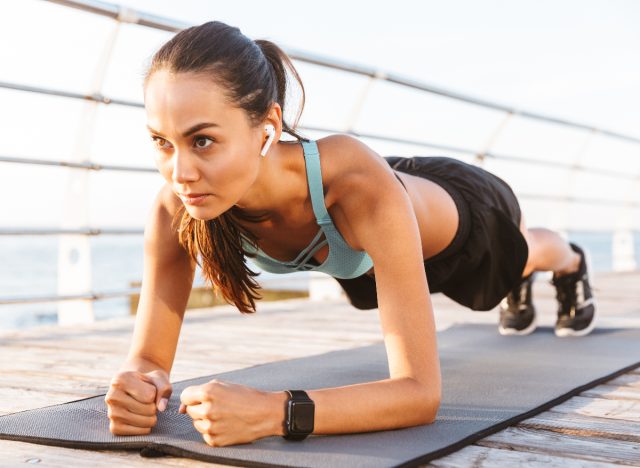
The Forearm Plank
This is widely considered the most accessible version for those over 60. By distributing weight across the forearms, it minimizes the torque on the wrists and shoulders. It is the preferred choice for those who may have limited mobility in their upper body joints.
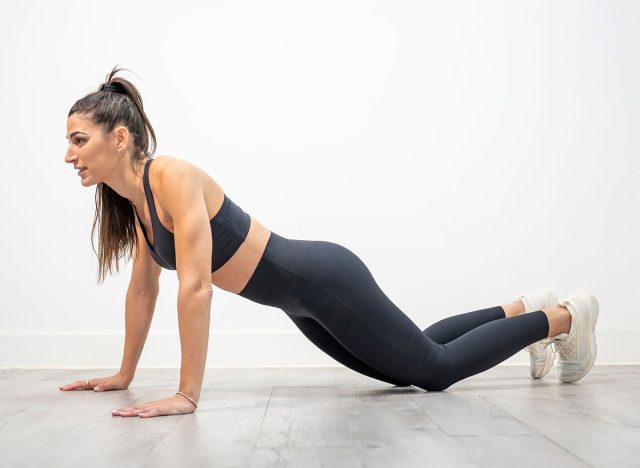
The High Plank (Straight-Arm)
The high plank is an excellent alternative for those who maintain good wrist mobility and shoulder strength. It transitions the effort slightly more toward the chest and shoulders, providing a different stimulus. However, it requires a higher degree of upper-body stability to perform correctly.
The Wall Plank: A Safe Modification
For those who find floor-based exercises daunting, the wall plank is a game-changer. By standing at an angle to a wall and placing your hands against it, you effectively remove much of the gravitational load while still requiring the core to stabilize the torso. "The further away from the wall you position your feet, the more challenging the plank becomes," notes Pontes.
Implications for Longevity and Independence
The implications of maintaining a strong core after 60 extend far beyond the gym. Medical and fitness research consistently shows that core strength is one of the strongest predictors of physical independence in late adulthood.
A weak core leads to a "hunching" posture, which shifts the center of gravity and increases the likelihood of falls. By contrast, a strong core keeps the spine erect and the body balanced. This translates directly into the ability to perform "activities of daily living" (ADLs)—getting up from a chair without assistance, carrying laundry, or simply standing for long periods without back pain.
Official Guidance and Safety Warnings
While the plank is a gold-standard exercise, it is not for everyone. Pontes is quick to issue a reminder: "If you encounter any sharp pain, discomfort, or dizziness while performing the exercise, stop immediately. It is always wise to consult with a medical professional or a qualified trainer before starting a new exercise regimen, especially if you have a history of spinal injuries, high blood pressure, or joint issues."
The goal of the plank is to build, not break. By approaching this exercise with patience, consistency, and a focus on perfect technique, you are investing in the most important asset you own: your ability to move through life with strength, confidence, and independence.
In conclusion, while hitting the 60-to-90-second mark is an impressive goal for those over 60, it should be treated as a target to work toward, not a requirement for health. The real victory lies in the daily commitment to stability, the attention to posture, and the dedication to maintaining a body that is capable of meeting the demands of life head-on. Whether you start with a 15-second wall plank or a 60-second forearm hold, the benefits of a stronger core are waiting to be realized.