By [Your Name/Journalistic Staff]
With expert contributions from Jana Wu, LCSW, LADC
In the landscape of modern wellness, few substances have sparked as much fervor and controversy as kratom (Mitragyna speciosa). Once a localized botanical remedy in Southeast Asia, kratom has transformed into a global, multi-billion-dollar industry. Today, it is readily available in gas stations, vape shops, and health food stores across the United States. However, its meteoric rise in popularity has outpaced scientific consensus and regulatory oversight, leaving millions of Americans to navigate a complex medical gray area.
As healthcare providers and policymakers scramble to understand the substance, a critical question remains: Is kratom a legitimate tool for holistic healing, or does it represent a burgeoning public health crisis hiding in plain sight?
The Anatomy of the Substance: Main Facts
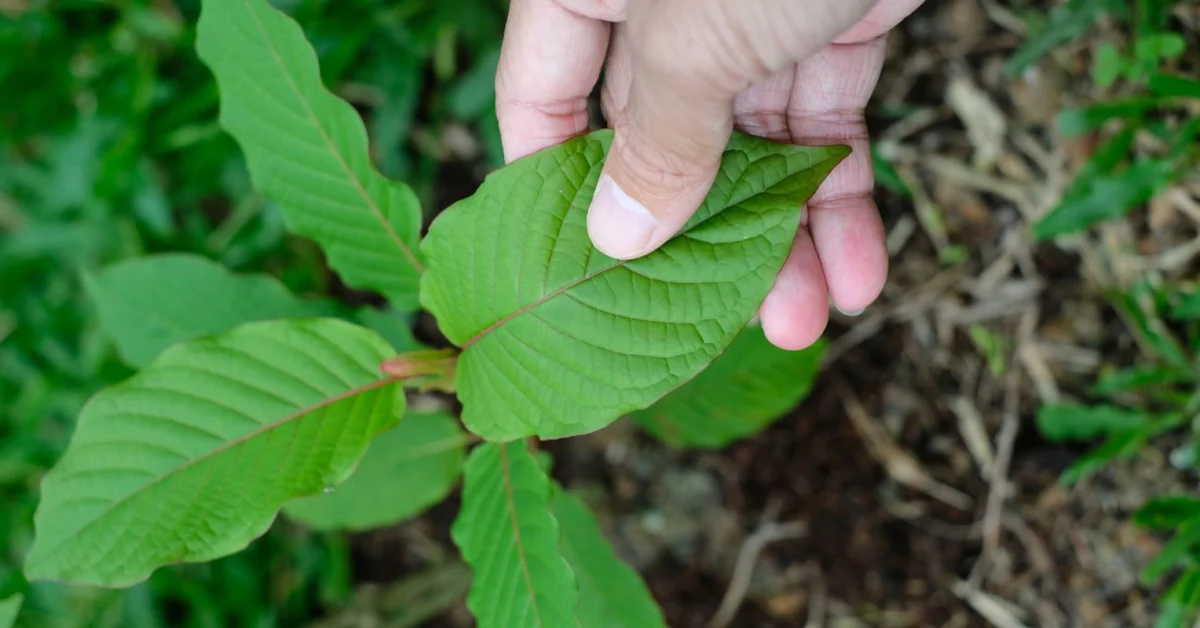
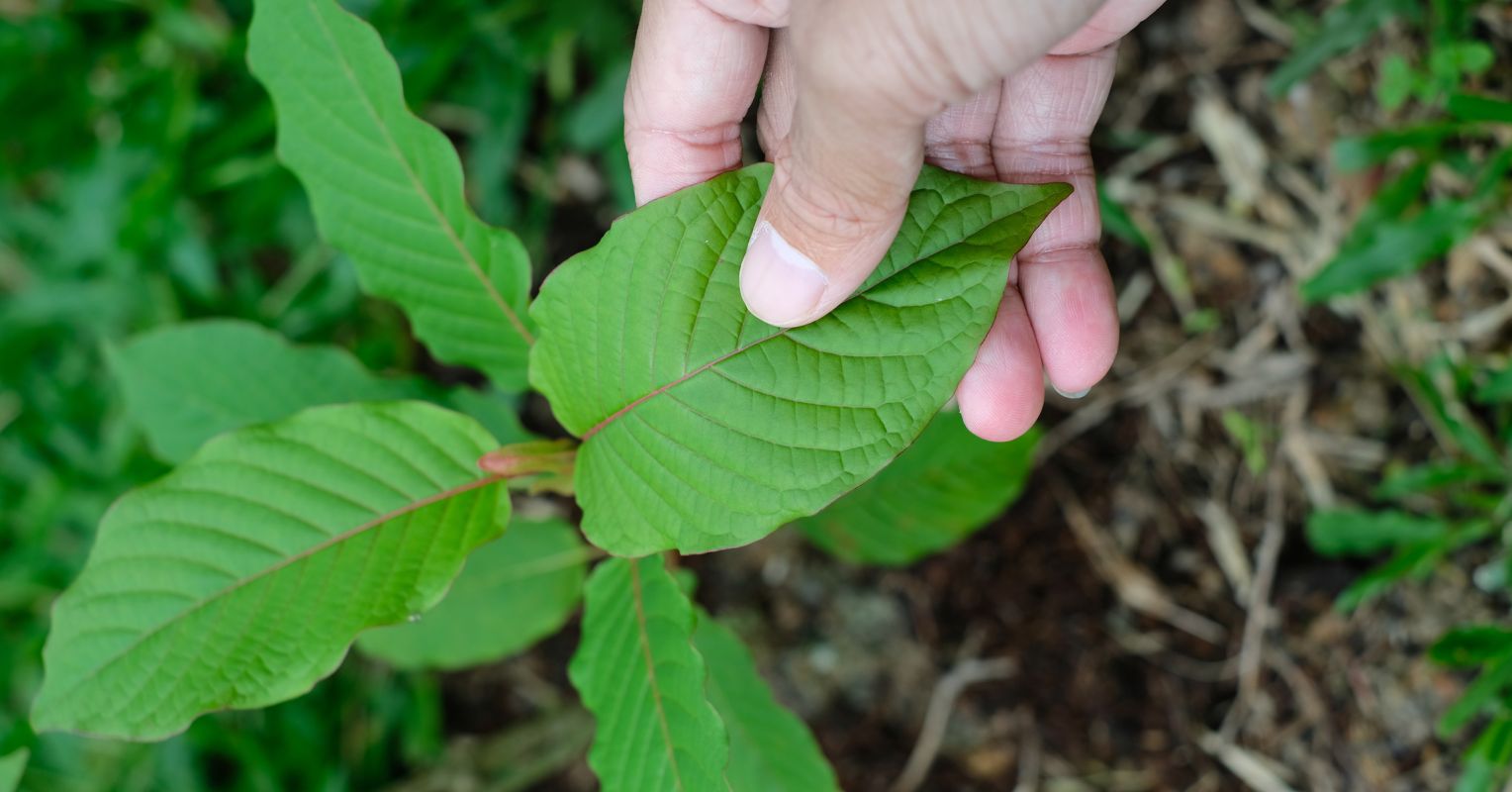
Kratom is a tropical evergreen tree native to Thailand, Indonesia, Malaysia, and Papua New Guinea. For centuries, laborers in these regions chewed the leaves to ward off fatigue and manage the physical aches associated with grueling manual labor. The leaves contain alkaloids—most notably mitragynine and 7-hydroxymitragynine—which interact with the body’s opioid receptors, producing both stimulant and sedative effects depending on the dosage.
In the Western context, the substance has been repackaged into pills, powders, and teas. Proponents champion its potential to treat a wide array of conditions, ranging from chronic pain and opioid withdrawal to anxiety, depression, and PTSD. However, the lack of standardization means that a consumer purchasing kratom in Florida may be getting a product with vastly different potency and purity than one purchased in New York. Because the U.S. Food and Drug Administration (FDA) does not regulate these products for safety or efficacy, the consumer is essentially acting as an unmonitored participant in a large-scale, unregulated clinical trial.
A Chronology of the Kratom Surge
The narrative of kratom in the U.S. has unfolded in three distinct phases over the last two decades:
- 2000s–2010s: The Underground Rise: Initially confined to niche herbal supplement circles, kratom began appearing in head shops. It was marketed as a "legal high" or a "natural alternative" to prescription painkillers.
- 2016: The Failed Ban: The U.S. Drug Enforcement Administration (DEA) announced its intent to list kratom as a Schedule I substance, grouping it with heroin and LSD. An unprecedented public outcry, fueled by grassroots advocacy, forced the DEA to withdraw its proposal, effectively keeping the market open.
- 2020–Present: The Regulatory Patchwork: Following the failed federal ban, individual states began taking matters into their own hands. In 2023, Florida signed the "Kratom Consumer Protection Act," establishing age restrictions and quality standards. This marks a shift from total prohibition to a model of state-level regulation.
Supporting Data: The Dual Reality
The perception of kratom is deeply polarized. On one hand, a survey published in Frontiers in Pharmacology indicated that over 90 percent of respondents found kratom "very effective" in treating their chronic pain or medical conditions. For those struggling with opioid use disorder (OUD), anecdotal reports suggest that kratom can mitigate withdrawal symptoms, providing a bridge for those who lack access to traditional, FDA-approved medication-assisted treatment (MAT).
However, the medical community urges caution. The clinical data supporting these benefits is largely observational and self-reported. In contrast, the medical literature highlighting the dangers is growing. According to the Mayo Clinic and various toxicological reports, kratom use is linked to:
- Cardiovascular strain: Including elevated heart rate, hypertension, and palpitations.
- Neurological impacts: Tremors, seizures, and in extreme cases, psychosis.
- Digestive and metabolic issues: Nausea, vomiting, and severe constipation.
Furthermore, the risk of dependency is significant. As users develop a tolerance, they must consume higher doses to achieve the same effect. This escalation often mirrors the trajectory of opioid addiction, leading to the same cycle of withdrawal, cravings, and, in severe cases, the neglect of personal and professional responsibilities.
Official Responses and Regulatory Challenges
The FDA has been clear in its stance: "There is no FDA-approved use for kratom, and the agency has received concerning reports about the safety of kratom." The FDA’s primary concern lies in the lack of consistency. Without federal oversight, products are frequently contaminated with heavy metals, salmonella, or even synthetic opioids, creating a "buyer beware" environment.
States are responding to this vacuum of federal authority. Legislatures are currently debating the merits of the Kratom Consumer Protection Act model, which seeks to standardize labeling and prohibit sales to minors. While these laws provide a framework for consumer safety, they do not resolve the fundamental debate regarding the substance’s pharmacological risks. Critics of these laws argue that by creating a legal framework, states are implicitly validating the safety of a substance that has not passed the rigors of FDA approval.
Clinical Implications: The Practitioner’s Perspective
Jana Wu, LCSW, LADC, a Director of Cultural Integration at the Mountainside treatment center, offers a sobering perspective from the front lines of addiction recovery. In her practice, she has treated numerous clients who turned to kratom as a "natural" solution for pain or trauma, only to find themselves trapped in a cycle of dependency.
"I have worked with clients who, in their effort to avoid the stigma of traditional opioid treatment, became severely dependent on kratom," says Wu. "They reported that while it initially helped, their tolerance increased to a point where it began to affect their finances, relationships, and daily functioning. I have seen clients who were stealing money or missing work—behaviors indistinguishable from those struggling with illicit substances."
The clinical implication is clear: The "natural" label is not a synonym for "harmless." Healthcare providers must approach the topic with intellectual curiosity but also with the vigilance required to identify substance use disorders. Treatment for kratom dependence requires a multi-faceted approach, starting with medically supervised detox to manage the acute withdrawal symptoms—which can mirror opioid withdrawal—followed by evidence-based psychotherapy.
Toward a Safer Future
If kratom is to remain part of the American wellness landscape, it must undergo the same rigorous scientific scrutiny as any other supplement or pharmaceutical. This includes:
- Standardized Research: Moving beyond anecdotal reports to double-blind, placebo-controlled clinical trials.
- Federal Oversight: Establishing manufacturing standards to ensure purity and potency.
- Informed Consent: Ensuring that consumers are fully aware of the potential for addiction and the risk of adverse drug interactions.
For those currently using kratom to manage opioid cravings, the medical consensus remains: speak with a healthcare provider about FDA-approved treatments such as buprenorphine. These treatments have been extensively researched and are proven to save lives, whereas kratom remains a volatile wildcard.
The path forward requires a shift away from the "miracle cure" versus "dangerous drug" dichotomy. We must treat kratom with the nuance it deserves—recognizing its potential for harm while acknowledging why so many are drawn to it in the first place. Until we have more data, the safest approach for the public is one of extreme caution and informed skepticism.
For those seeking help with substance misuse or looking to connect with therapeutic resources, the Psychology Today Therapy Directory offers a comprehensive database of qualified professionals. If you are struggling, please reach out to a licensed counselor or a medical professional to discuss your options.