The pharmaceutical industry is currently witnessing a historic shift. Following the meteoric rise of GLP-1 receptor agonists like Wegovy and Mounjaro—drugs that have reshaped the treatment landscape for obesity and diabetes—the industry titans behind these blockbusters are aggressively scouting for the "next big thing."
As clinical data matures and the potential for aesthetic and longevity-focused therapeutics becomes clearer, major players are moving beyond metabolic health. Recent developments suggest that the multibillion-dollar hair loss market, long dominated by topical solutions and surgical transplants, is becoming the primary target for the next generation of biotech innovation.
In a signal that this pivot is well underway, the generative AI drug discovery company Absci announced a $100 million funding round on Wednesday, anchored by a significant $40 million equity investment from Eli Lilly. This infusion of capital is earmarked for the development of novel therapeutics, including a promising candidate for hair regrowth and an investigative treatment for endometriosis.
The Strategic Pivot: Why Big Pharma is Looking at Hair Loss
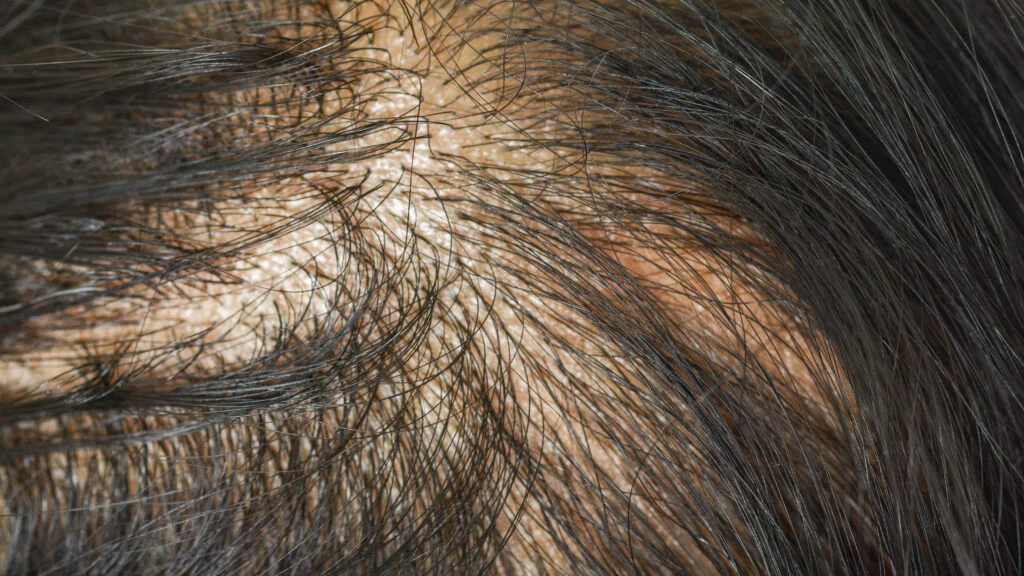
For decades, the hair loss market—often categorized under "lifestyle" or "aesthetic" medicine—was largely left to consumer goods companies and niche dermatological clinics. However, pharmaceutical giants are now viewing hair loss through the lens of chronic biological dysfunction.
By applying the same rigorous, mechanism-based research used to treat diabetes and cardiovascular disease to the study of follicle miniaturization and scalp health, companies like Eli Lilly and Novo Nordisk are attempting to bridge the gap between "beauty" and "medicine."
The Absci-Lilly Collaboration: A Case Study in AI-Driven Drug Discovery
The investment in Absci is not merely a financial transaction; it is a technological bet. Absci utilizes a proprietary platform that combines generative AI with high-throughput laboratory automation to "create" drugs from scratch.
By simulating protein interactions at a massive scale, Absci aims to identify novel therapeutic targets that traditional pharmaceutical screening methods might miss. The $40 million investment from Lilly underscores a growing trend: Big Pharma is increasingly relying on "tech-enabled" biotech startups to shorten the discovery-to-clinic timeline.

Chronology of a Shifting Landscape
- 2023–2024: The global success of GLP-1 drugs creates unprecedented cash flows for Novo Nordisk and Eli Lilly. Both companies signal to investors that they are exploring "adjacent" markets, specifically focusing on longevity and aesthetic medicine.
- Early 2025: Industry analysts begin reporting a surge in venture capital funding for biotech companies specializing in follicle regeneration, stem cell therapy, and targeted hormonal modulation for hair health.
- June 2026: Novo Nordisk’s leadership publicly acknowledges the company’s interest in expanding into dermatology and hair loss as part of a broader "longevity and aesthetics" strategy.
- Mid-June 2026: Absci, the Nasdaq-listed AI drug developer, announces a $100 million fundraising effort.
- June 17, 2026: Eli Lilly officially closes the $40 million equity investment into Absci, cementing the partnership and signaling a concrete move into hair regrowth research.
Supporting Data: The Magnitude of the Hair Loss Market
The global market for hair loss treatments is projected to reach unprecedented heights by 2030, fueled by an aging population and an increased emphasis on personal aesthetics. Current treatments, such as minoxidil (Rogaine) and finasteride (Propecia), carry significant limitations, ranging from modest efficacy to undesirable systemic side effects.
The Opportunity Gap
According to dermatological data, the "unmet need" in the hair loss sector is substantial:
- Patient Dissatisfaction: Over 60% of patients using existing non-surgical treatments report dissatisfaction with the results after 12 months.
- Market Size: The global hair loss treatment market is estimated to exceed $12 billion annually, yet it lacks a "gold standard" biological treatment capable of reversing follicular atrophy without systemic risks.
- The AI Advantage: AI-driven platforms like Absci’s can analyze millions of protein sequences to design antibodies that specifically target receptors involved in hair cycle regulation, potentially minimizing the off-target side effects that have plagued older oral medications.
Official Responses and Industry Sentiment
The move has sent ripples through the biotech investment community. While neither Eli Lilly nor Absci has provided a specific timeline for the human clinical trials of their hair regrowth candidate, industry observers view the partnership as a validation of the "platform company" model.
"Lilly is not in the business of small-scale aesthetic projects," noted one industry analyst. "Their interest in Absci suggests they have seen preliminary, high-conviction data that this approach could lead to a systemic, safe, and effective solution for hair loss. They are treating this with the same seriousness they treat their oncology or neurology pipelines."
Absci’s leadership has remained focused on the broader implications of their platform. "By merging generative AI with a ‘wet lab’ in the loop, we are moving past the era of trial-and-error chemistry," a company representative stated during the announcement. "We are designing therapeutics with the precision required for complex biological challenges like tissue regeneration and reproductive health."
Implications for Patients and the Future of Medicine
The entry of giants like Eli Lilly into the hair regrowth space could fundamentally change how patients access treatment.
1. From "Lifestyle" to "Medical"
Historically, hair loss has been marginalized by insurance providers as a cosmetic issue. However, if pharmaceutical companies can prove that their new therapies address the underlying biological mechanisms—such as inflammatory responses or hormonal imbalances—there is a potential for these treatments to be classified as legitimate medical interventions, which could eventually influence insurance coverage models.

2. The Multi-Target Approach
One of the most intriguing aspects of the Absci investment is the dual focus on hair regrowth and endometriosis. This suggests that the underlying science involves pathways that regulate tissue growth and inflammation, which are central to both conditions. This "multi-indication" approach is common in blockbuster drug development and could maximize the return on investment for the involved companies.
3. The Future of Aesthetics
We are entering a new era of "aesthetic medicine" where the barrier between restorative surgery and pharmaceutical intervention is blurring. If the industry can successfully develop a drug that stimulates natural hair follicle activity, it could render current, more invasive solutions obsolete.
4. Regulatory Hurdles
Despite the excitement, the road ahead remains complex. Regulatory bodies like the FDA maintain a high bar for safety, particularly for products intended for long-term use in generally healthy populations. Any new hair regrowth drug must pass rigorous safety trials to ensure it does not interfere with other hormonal or biological systems.
Conclusion: A New Era of Biological Engineering
The $40 million bet by Eli Lilly on Absci represents more than just a search for a new revenue stream; it is an admission that the future of medicine lies in the intersection of artificial intelligence and biological complexity.
As we look toward the remainder of the decade, the integration of generative AI into the drug discovery process will likely continue to accelerate. While the promise of a "cure" for hair loss is the headline-grabbing aspect of this news, the deeper significance lies in the evolving capability of human ingenuity to map, understand, and eventually manipulate the regenerative processes of the human body.
For now, the industry watches with bated breath. If this partnership succeeds, it will not only provide a life-changing solution for millions of patients but will also solidify the role of AI-native biotech firms as the primary architects of the next pharmaceutical revolution. As the weight-loss drug frenzy begins to stabilize, the focus on "quality of life" aesthetics is clearly the next great frontier for the life sciences sector.