








Published: June 24, 2026
In an era defined by the relentless pursuit of optimization—where the metrics of productivity, physical resilience, and emotional "strength" often dominate our daily lives—the wellness industry frequently mirrors this demand for constant self-betterment. Even within the sanctuary of yoga studios, practitioners are often subconsciously encouraged to view their bodies and minds as projects, treating healing as an achievement to be unlocked rather than a process to be inhabited.
However, a transformative shift is occurring in how we perceive the utility of movement. At the forefront of this movement is a philosophy that posits that true healing does not begin with the desire to "fix" ourselves, but rather with the radical choice to stop treating our existence as a problem to be solved.
The Genesis of a New Perspective: A Journey Through Limitation
The catalyst for this shift in perception often stems from profound life transitions. For many, the necessity of slowing down is not a lifestyle choice, but a requirement of circumstance.
The author’s journey toward this philosophy was born out of a life-altering event: becoming paralyzed from the chest down. In the immediate aftermath of such a trauma, the traditional Western approach to "recovering" often focuses on forcing the body to return to a previous state of function. For the author, however, that path was physically and psychologically impossible.
"I could no longer force my way through discomfort or disconnect from what I was feeling," the author reflects. "I had no choice but to slow down enough to listen."
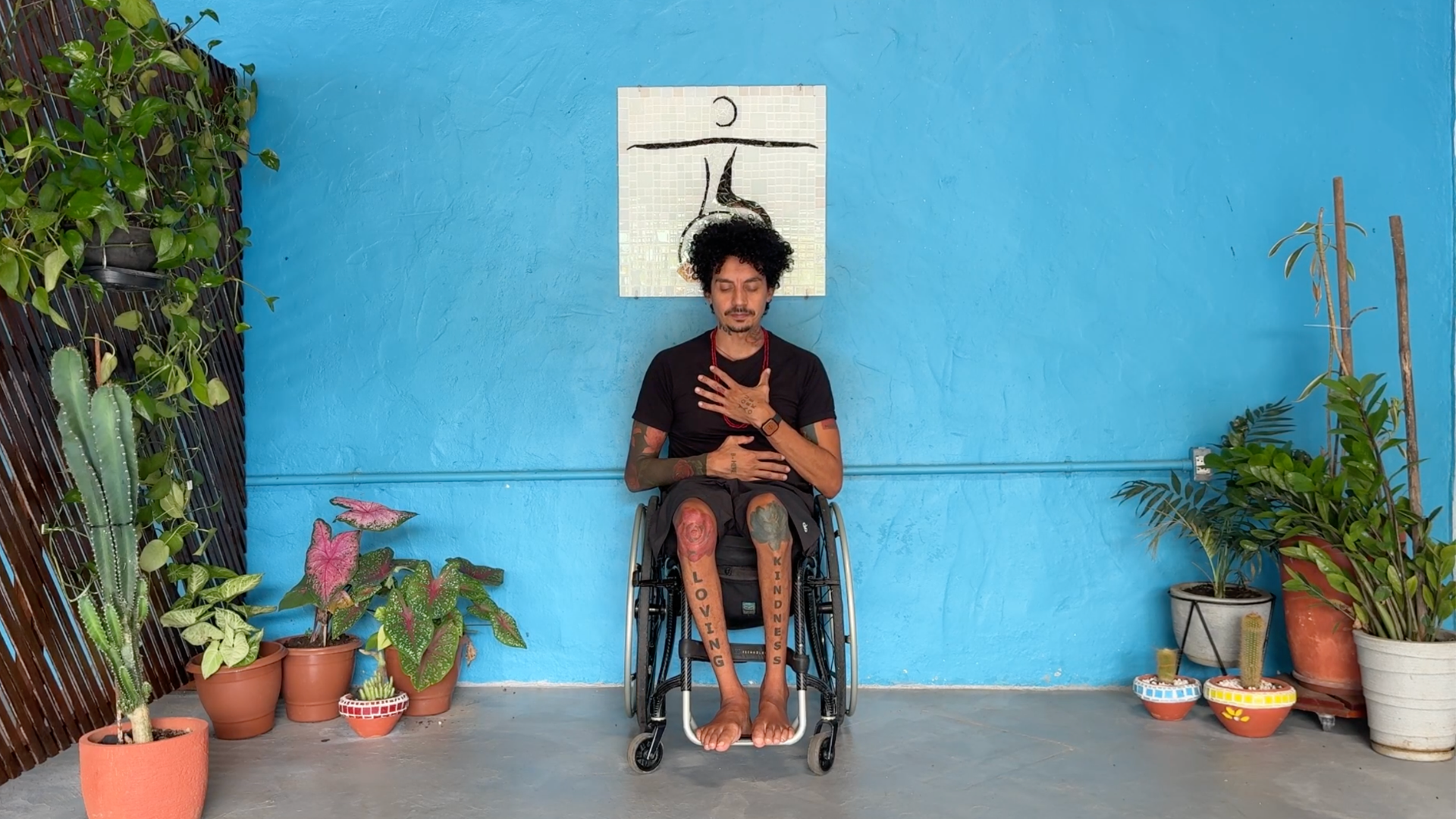
This period of forced stillness became the crucible for a new definition of yoga. By shedding the expectation of physical achievement, the author discovered that self-compassion was not a secondary goal or a conceptual ideal; it was an everyday, tangible practice. Through breath and intentional stillness, they learned that a "strong" practice—one characterized by dynamic movement—is not inherently superior to a "supported" practice—one characterized by rest and allowance. In the landscape of mindful healing, both approaches carry equal value.
The Architecture of Self-Compassion
Self-compassion, in this context, is defined as the courage to choose softness in a world that often demands rigidity. It is the ability to hold oneself with care through periods of transition, uncertainty, and physical limitation. This approach challenges the prevailing narrative of the wellness industry, which often equates "health" with a specific aesthetic or functional outcome.
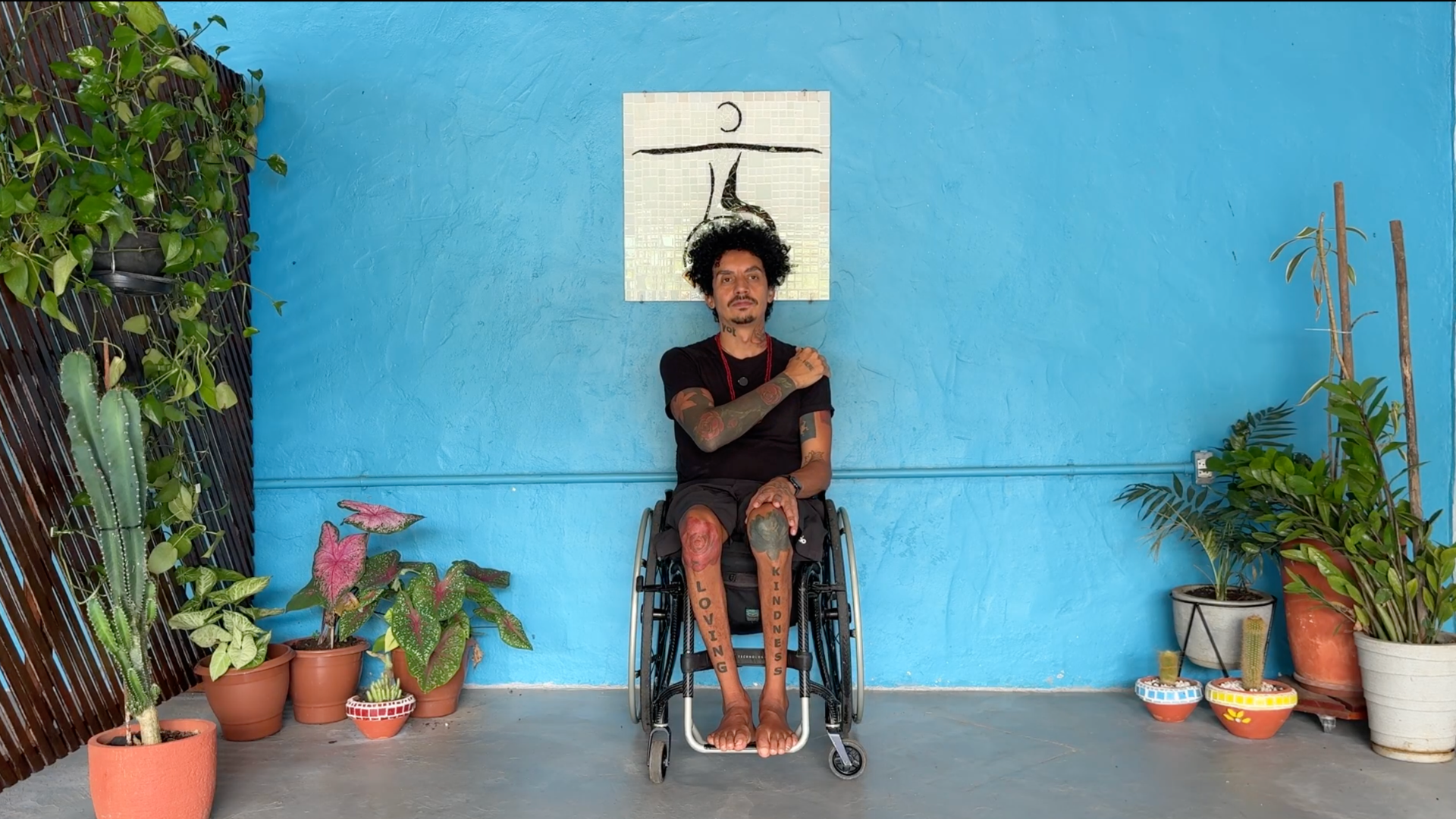
Instead, this perspective argues that yoga is a relational practice. It is not about the mechanics of a pose; it is about the quality of the relationship we cultivate with ourselves, our bodies, and the present moment. By creating a secure environment—both internally and externally—we can move from a state of performative fitness to one of integrated acceptance.
A 20-Minute Blueprint: Chair Yoga as an Act of Kindness
To bridge the gap between abstract philosophy and physical practice, the following 20-minute sequence is designed to prioritize sensory awareness over physical exertion. This routine serves as a practical application of self-compassion, adaptable for those who, like the author, navigate life from a seated position.
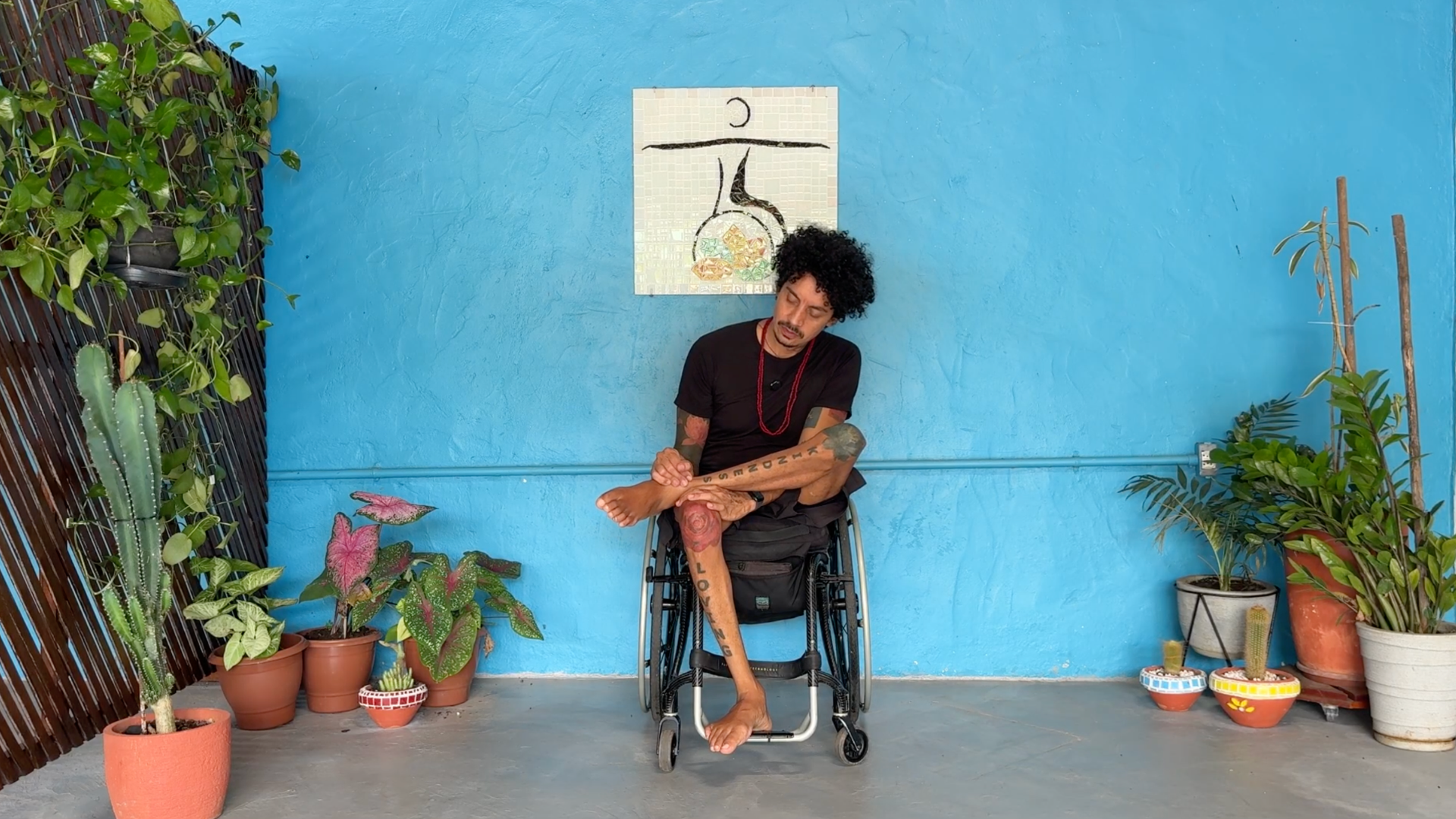
Phase 1: Centering and Conscious Awareness
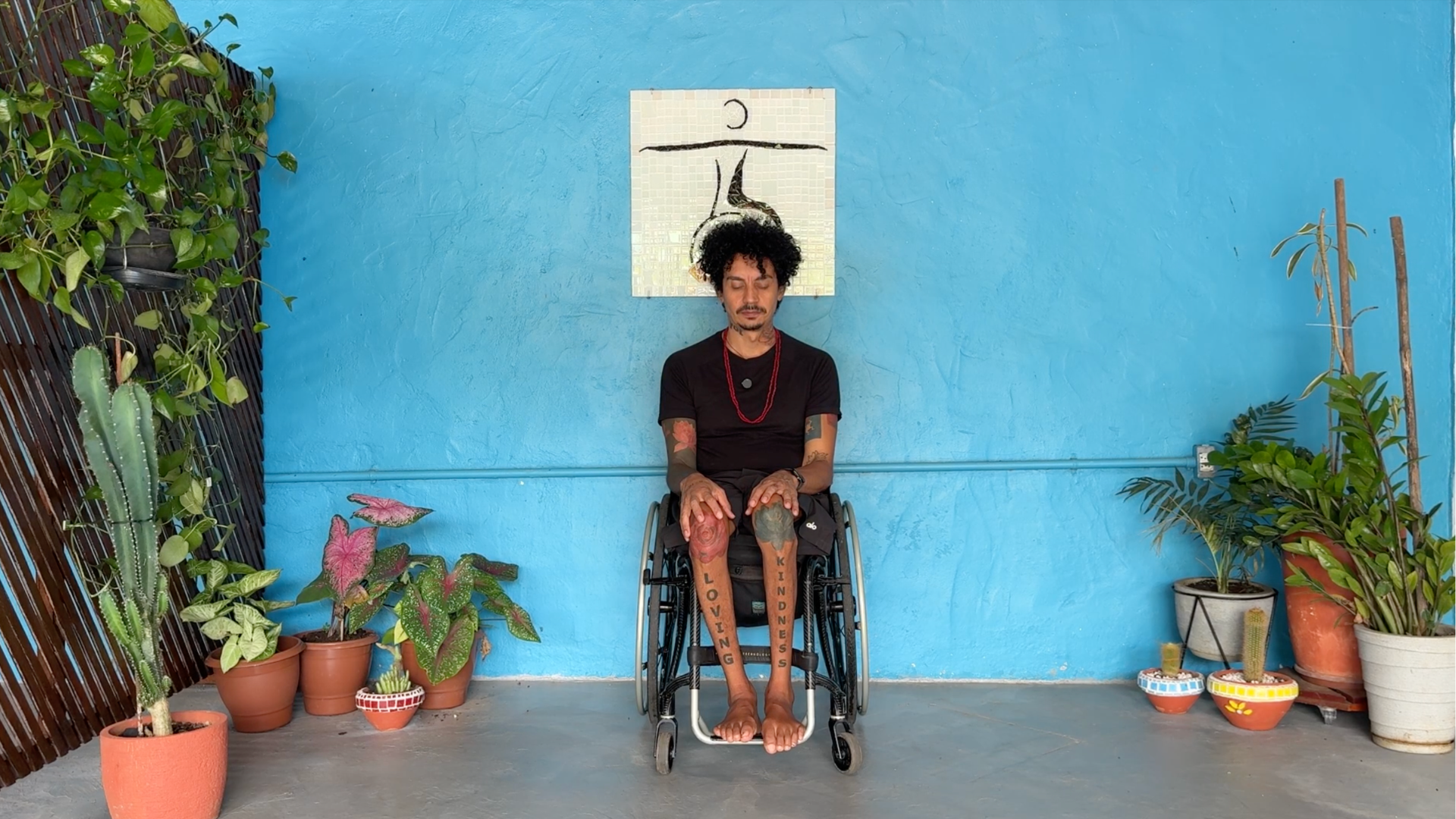
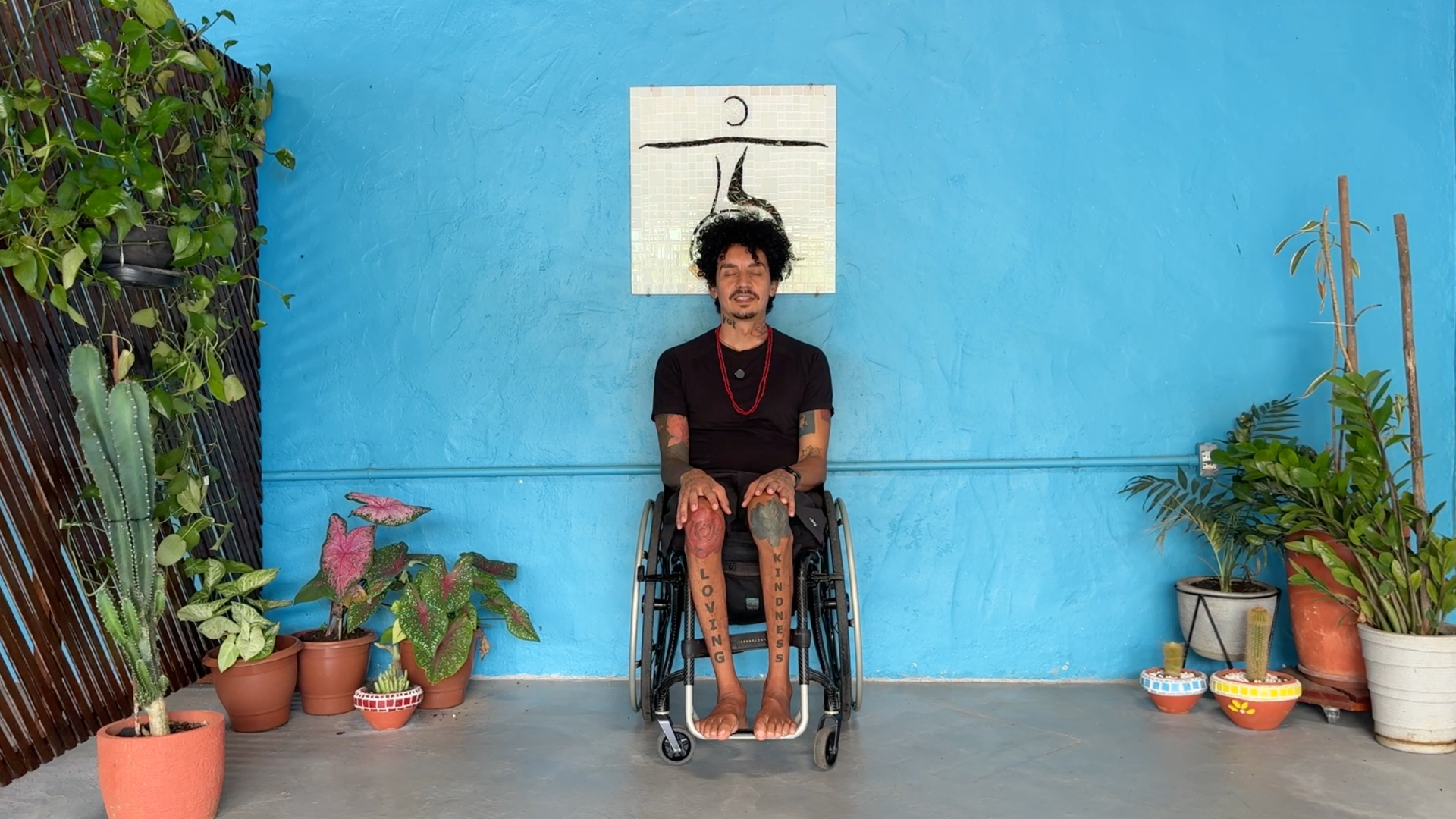
The practice begins with the establishment of a "safe harbor." Practitioners are invited to place their hands on their thighs, palms down, or in any position that feels grounding. The objective is to soften the shoulders and transition into a space of quiet observation.
By placing hands over the heart center, the practitioner is invited to ask a simple, yet rarely answered question: What do I need right now? The goal is not necessarily to provide a solution, but to practice the act of listening, allowing the body to exist exactly as it is without the interference of judgment.
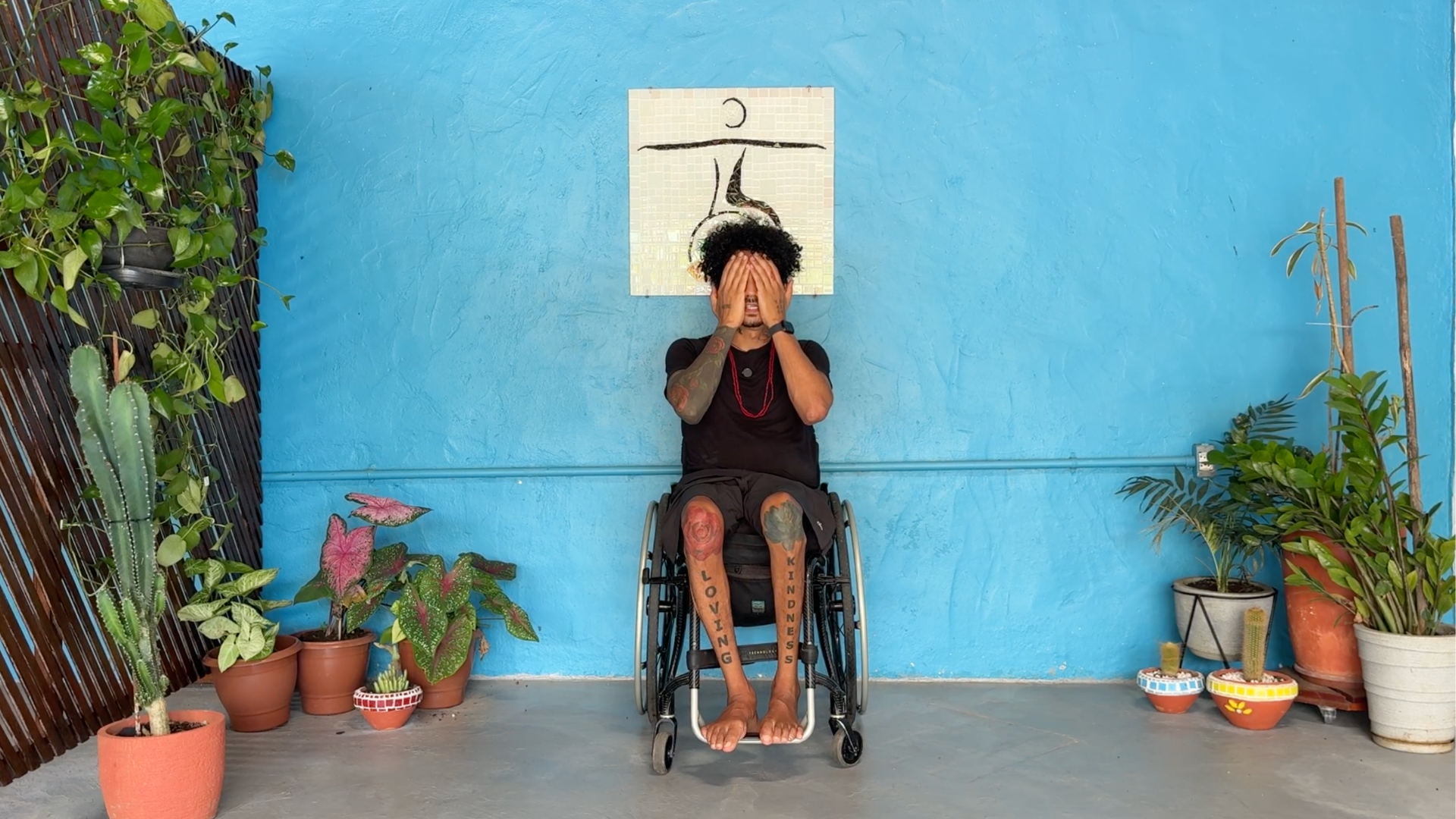
Phase 2: The Art of Mindful Touch (Self-Massage)
Moving beyond static poses, the sequence incorporates sensory stimulation through self-massage. Using the metaphor of "painting the body with a favorite color," the practitioner engages in intentional, conscious touch.
- Methodology: Starting with the hands, the practitioner works their way up the arms, to the shoulders, and the trapezius.
- Integration: If physical accessibility allows, the movement extends to the legs, ankles, and feet. Interlacing fingers between toes and massaging the soles of the feet serves to reconnect the brain with the periphery of the body.
- Completion: The massage concludes with warmth generated by rubbing the palms together and placing them gently over the face and neck, grounding the nervous system through thermal regulation.
Phase 3: Seated Cat-Cow and Spinal Mobility
The classic yoga sequence of Cat-Cow is adapted for the chair, focusing on the movement of the scapulae (shoulder blades).
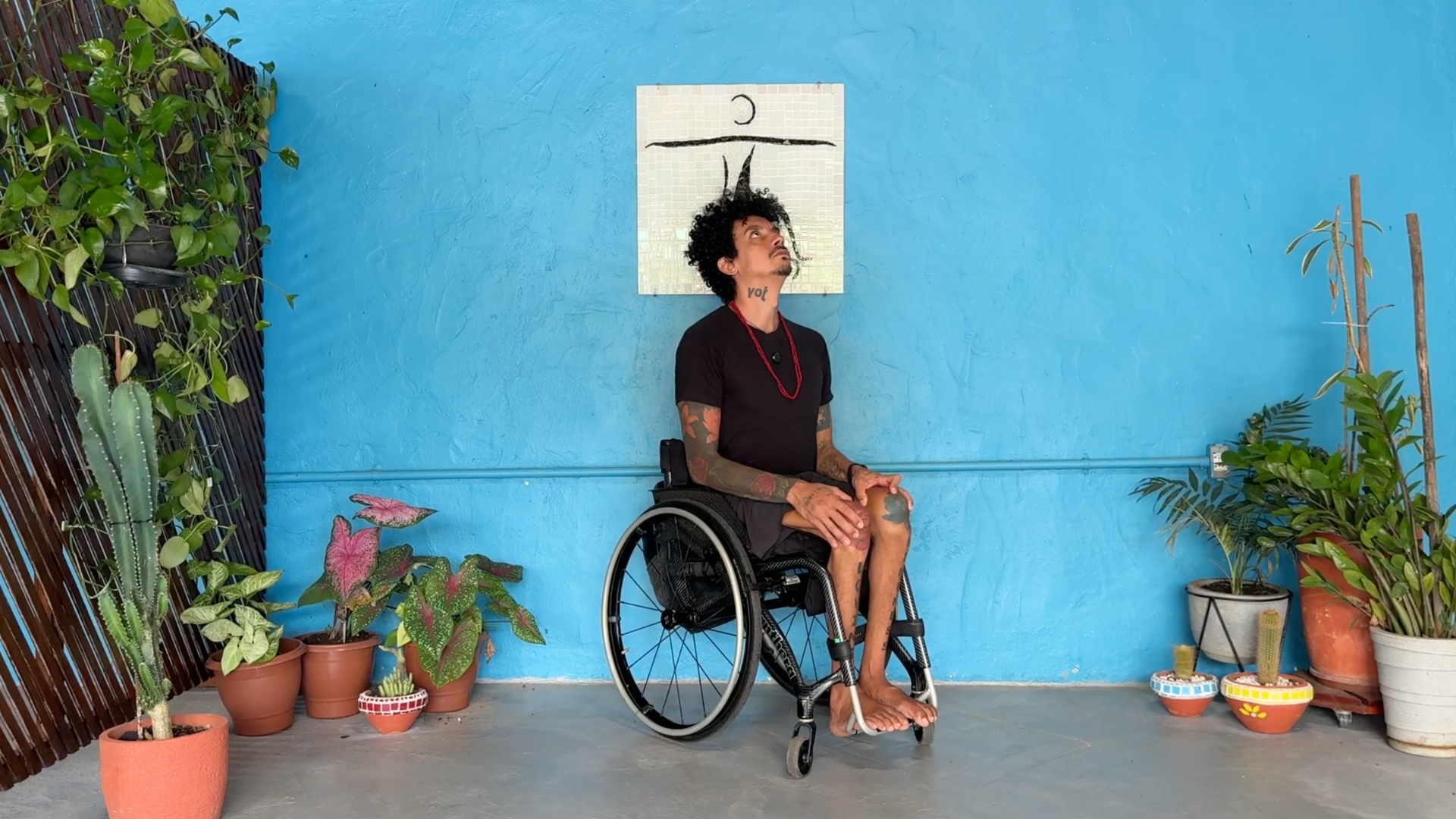
- Cow Pose: As the practitioner inhales, they focus on drawing the shoulder blades together and arching the back.
- Cat Pose: As the practitioner exhales, they round the back and move the shoulder blades apart, emphasizing a long, soft breath through the mouth.
This rhythmic alternation serves to lubricate the spine and release tension stored in the upper back, demonstrating that profound mobility work does not require standing or complex balance.
Phase 4: Mountain Pose and Shoulder Mechanics
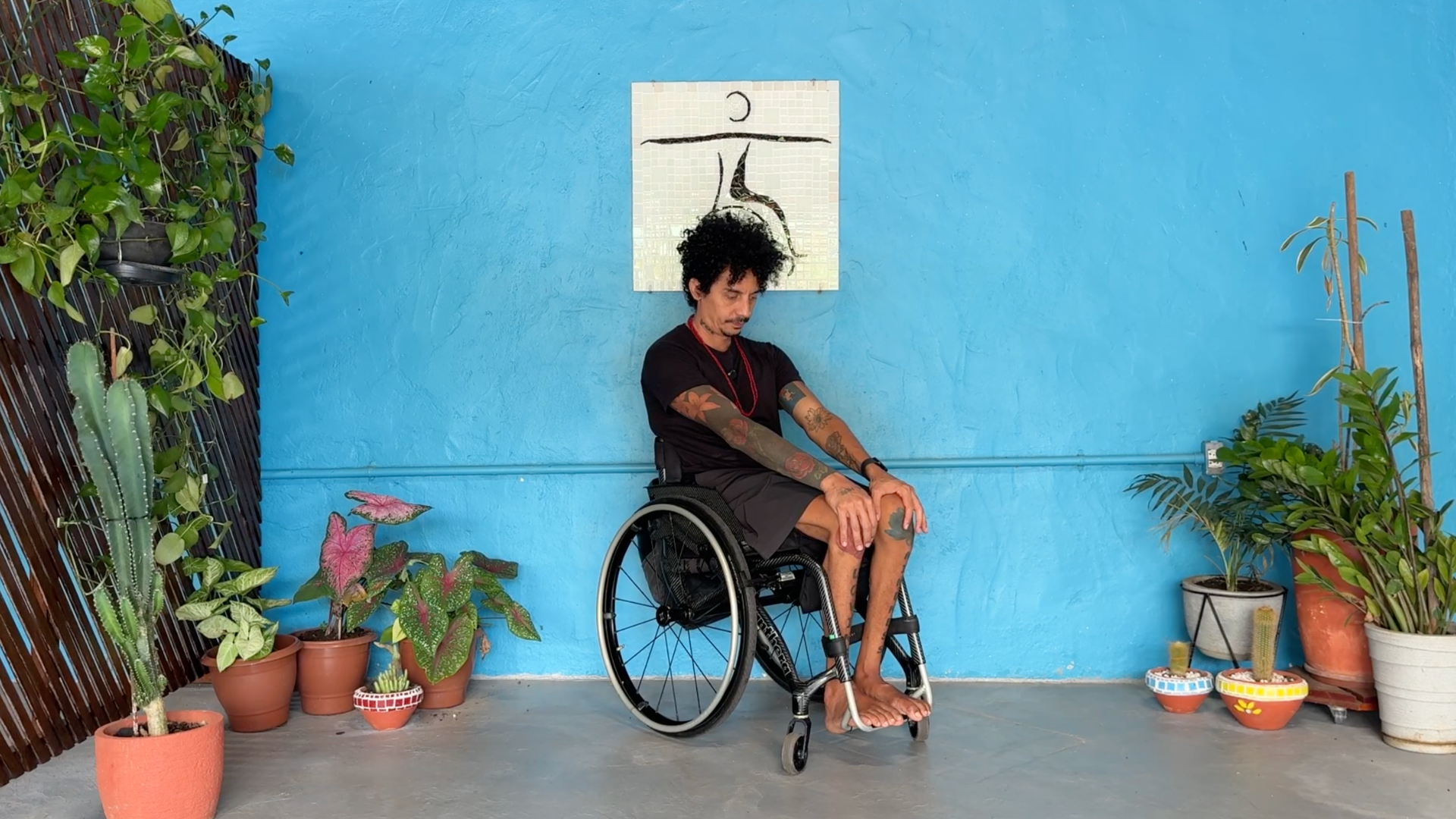
Returning to a neutral, upright position, the practice mimics Tadasana (Mountain Pose). This provides a moment of structural alignment. Following this, the practitioner engages in slow, circular movements of the shoulders, synchronizing the rotation with the breath. By rotating the shoulders forward and backward, the practitioner actively releases the "armor" often held in the chest and neck.
Phase 5: Arm Raises and Lateral Flexion
The sequence introduces arm raises combined with wrist circles. This is not about building muscle, but about fluid, mindful movement.
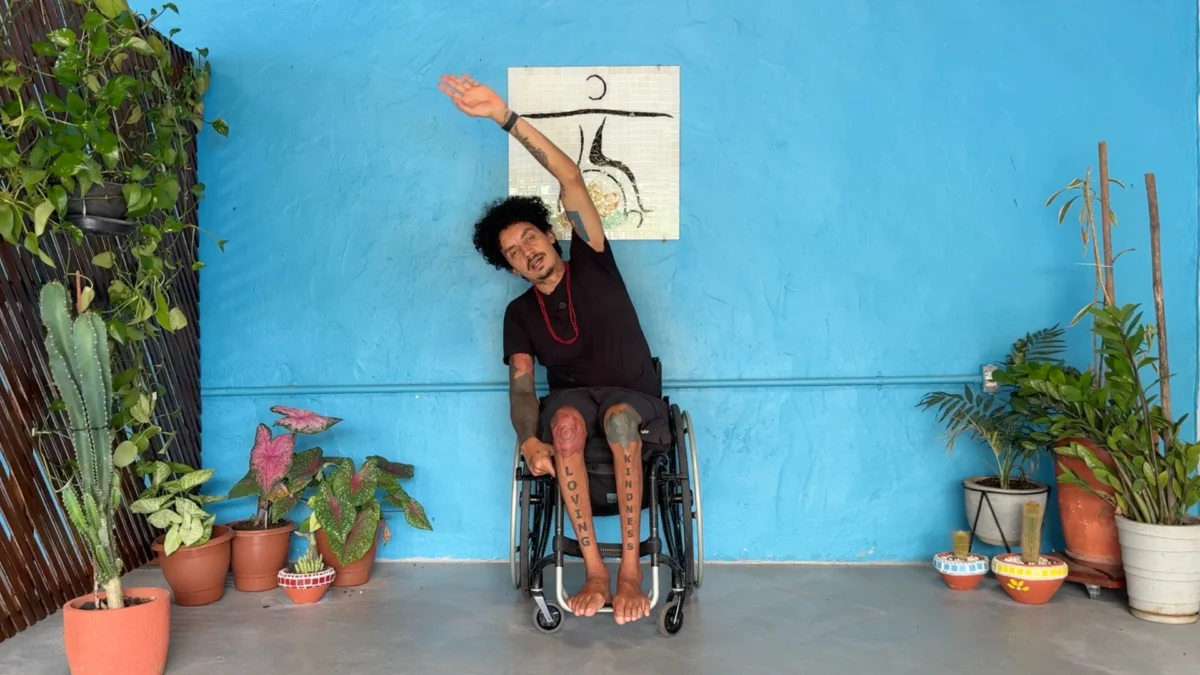
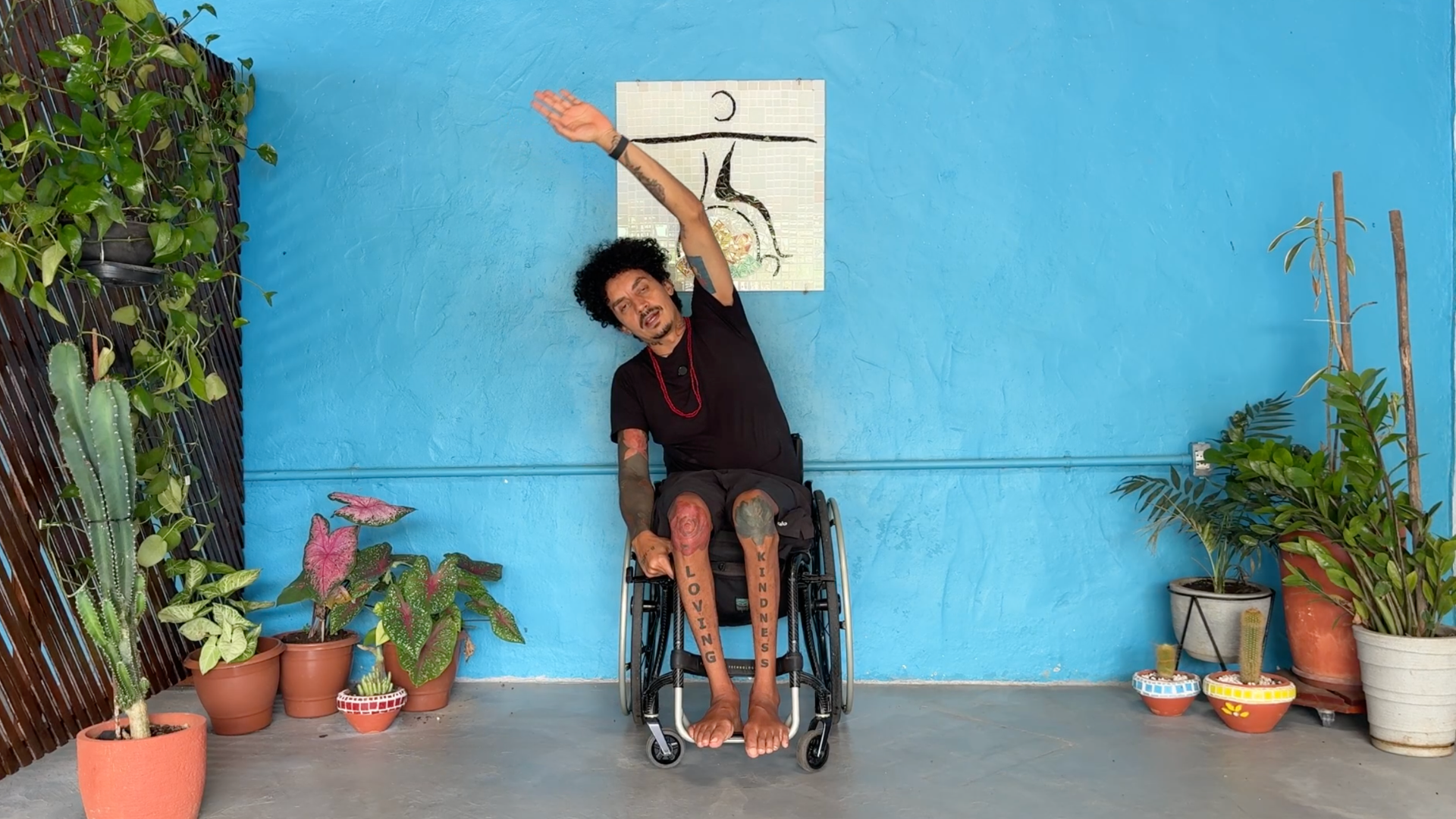
- Lateral Flexion: The "Side Bend Flow" is performed by anchoring one hand to the frame of the chair while the opposite arm reaches upward. If raising the arm is not accessible, practitioners are encouraged to visualize the movement or perform a modified reach, maintaining the integrity of the side stretch regardless of the range of motion.
Phase 6: Seated Triangle Pose (Trikonasana)
In this variation, the practitioner reaches one arm toward the feet while the other extends toward the ceiling. This creates a gentle, supportive twist that emphasizes space within the ribcage and thoracic spine. It is a posture of openness, encouraging the practitioner to gaze toward the raised hand, thereby lengthening the neck and expanding the perspective.
The Implications of Mindful Practice
The broader implications of this approach to yoga are significant. By shifting the focus from "fixing" the body to "supporting" the self, the practice becomes accessible to a broader demographic, including those living with chronic illness, disability, or high-stress environments.
The Science of "Softness"
Recent studies in neurobiology suggest that the "long, soft exhalation" technique—often practiced in restorative yoga—is a potent tool for activating the parasympathetic nervous system. When the body perceives safety, it downregulates the stress response (the sympathetic nervous system). The "soft" breathing taught in this routine serves as a physiological signal to the brain that the body is not under threat, thereby reducing cortisol levels and inflammation.
Psychological Resilience
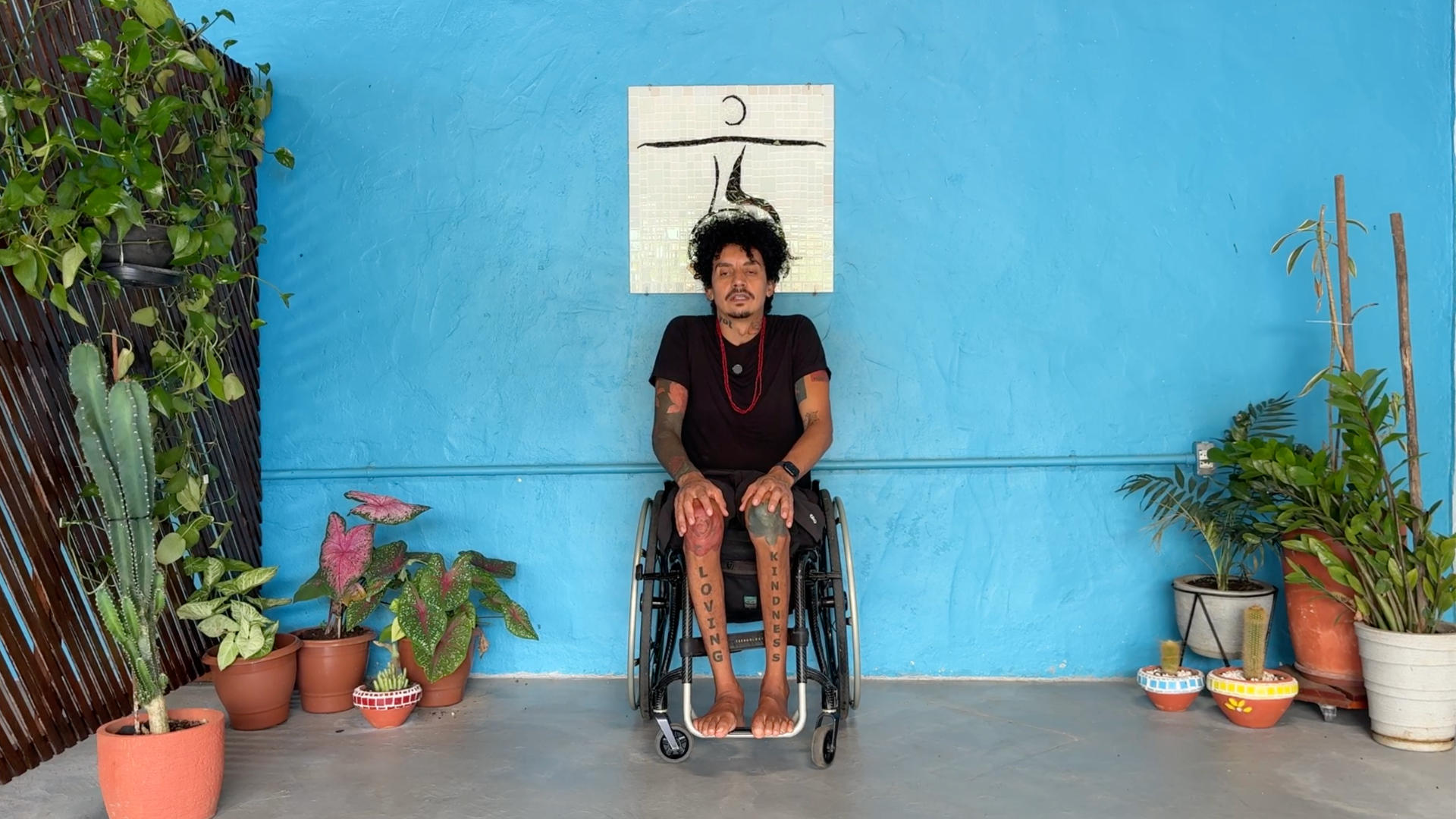
The integration of self-compassionate language—such as the mantras "May I accept myself just the way I am" and "I am worthy of love and care"—serves as a form of cognitive restructuring. By repeatedly affirming these truths during physical movement, the practitioner builds a mental pathway that can be accessed during moments of crisis outside the yoga space.
Conclusion: The Beginning of the Practice
The ultimate takeaway from this methodology is that yoga is not a destination. It is a return. When we finish a session by placing our hands on our hearts and bellies, we are not completing a workout; we are completing a reconnection.
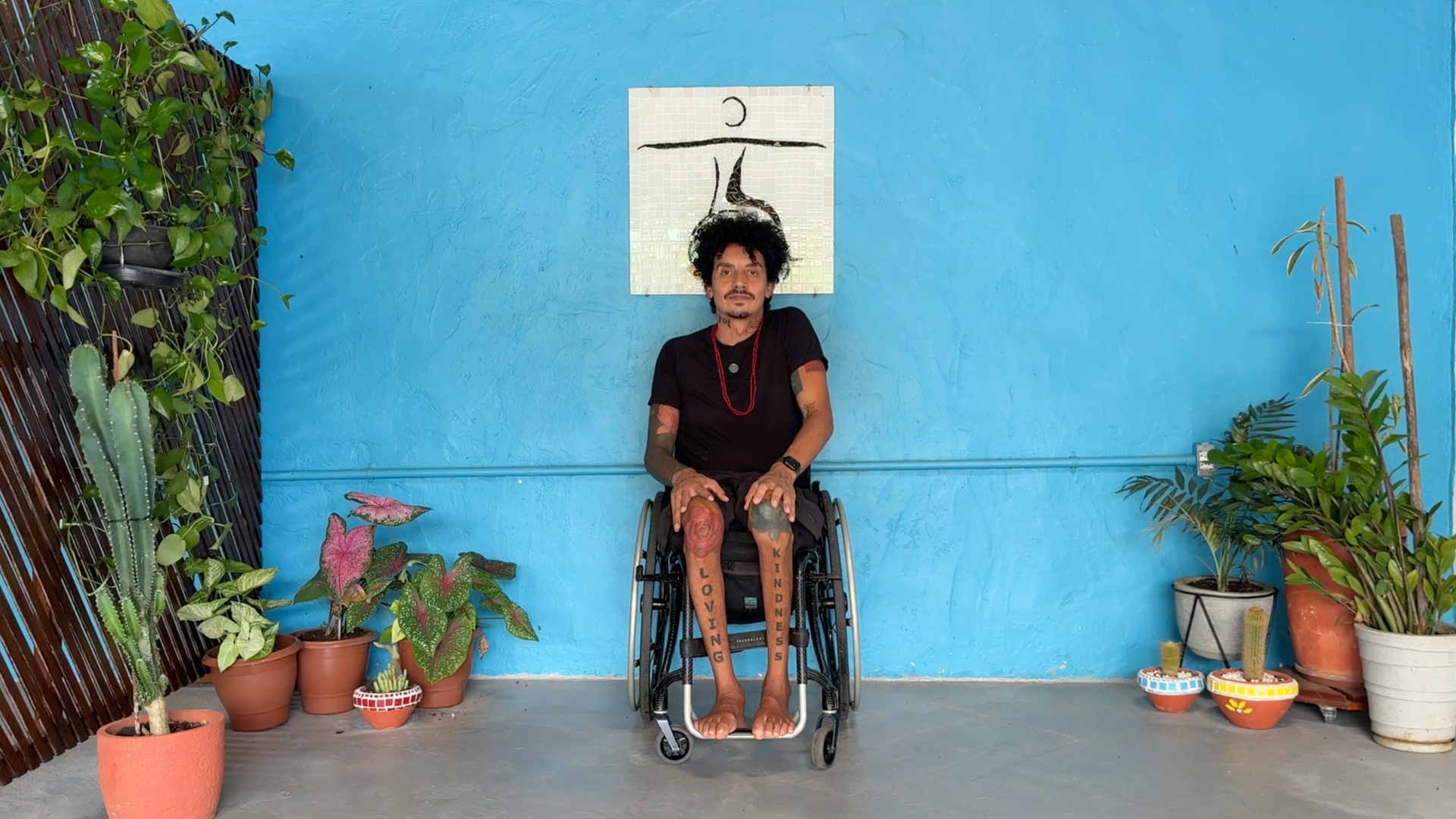
By embracing imperfections and choosing tenderness over the compulsion to improve, the practitioner finds a space where "nothing is missing." In this light, the practice of yoga becomes a profound act of defiance against a culture that profits from our perceived inadequacy. When we finally meet ourselves with gentleness, we discover that we have arrived exactly where we were meant to be all along.