







In the wake of the global effort to combat the COVID-19 pandemic, mRNA vaccines emerged as a triumph of modern biotechnology, saving millions of lives and preventing widespread severe illness. However, as with any medical intervention administered on a mass scale, researchers have worked tirelessly to understand rare adverse events. A new study from Stanford Medicine has now provided a definitive biological roadmap explaining why, in very rare instances, mRNA-based COVID-19 vaccines can trigger heart inflammation, or myocarditis, specifically in adolescent and young adult males.
The research, published in Science Translational Medicine, does more than just diagnose the problem; it identifies a potential therapeutic strategy to mitigate these risks, offering a path forward for safer vaccine development and targeted clinical intervention.
The Core Discovery: A Two-Stage Immune Cascade
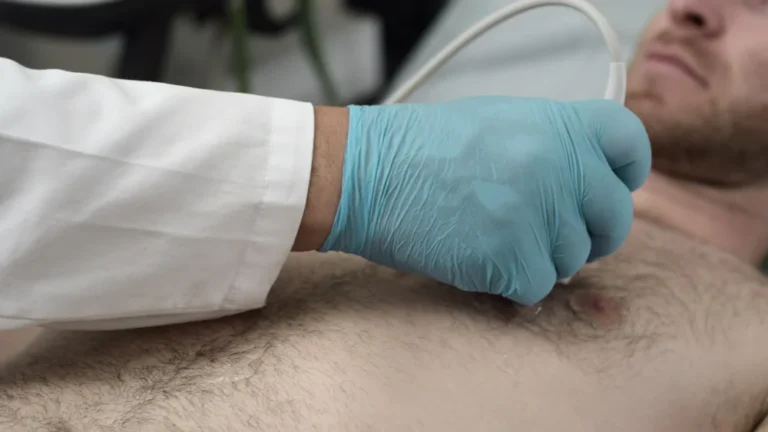
For years, the medical community has observed a rare phenomenon: a small subset of young males experiencing myocarditis—characterized by chest pain, shortness of breath, and palpitations—shortly after receiving their second dose of an mRNA vaccine. While these symptoms are typically transient and mild, the underlying cause remained elusive until now.
Led by Dr. Joseph Wu, director of the Stanford Cardiovascular Institute, and postdoctoral scholar Dr. Xu Cao, the research team utilized a combination of advanced laboratory techniques and clinical data to pinpoint the culprit. Their investigation revealed a "two-stage" immune response.
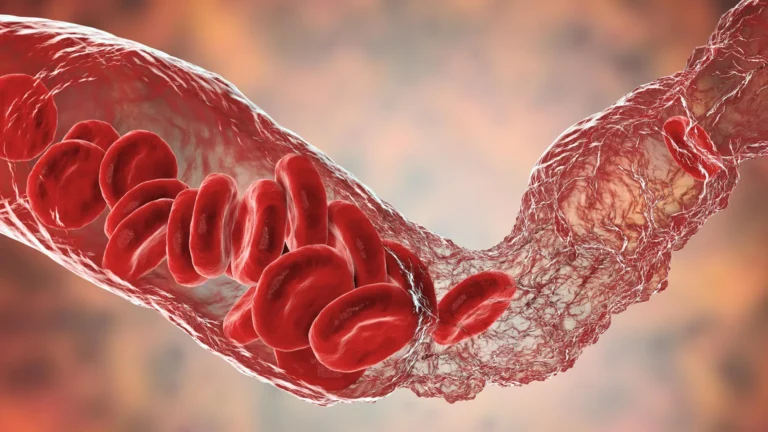
The process begins when the vaccine activates macrophages—the immune system’s first-line responders. These cells release a signaling protein called CXCL10. This release then acts as a call to arms for T cells, the adaptive immune system’s precision fighters. Once activated, these T cells produce a massive surge of IFN-gamma (interferon-gamma). Together, this "one-two punch" of CXCL10 and IFN-gamma creates a hyper-inflammatory environment that can damage heart muscle cells, leading to the leakage of cardiac troponin—a protein normally confined to the heart—into the bloodstream.
Chronology of the Research
The path to this discovery was iterative, moving from clinical observation to laboratory validation.
- Initial Observations: Scientists began by analyzing blood samples from vaccinated individuals. By comparing the serum of those who developed myocarditis against those who remained symptom-free, researchers identified the distinct elevation of CXCL10 and IFN-gamma in the former group.
- Laboratory Simulations: The team grew human immune cells in vitro. They observed that when macrophages were exposed to the vaccine, they immediately began secreting CXCL10. Crucially, when T cells were introduced to this environment, they responded with a significant spike in IFN-gamma, confirming the synergistic relationship between the two cell types.
- Animal Models and Tissue Engineering: To confirm the link between these cytokines and heart damage, the team tested the response in young male mice and engineered "cardiac spheroids." These miniature, beating clusters of human heart cells allowed the team to observe the structural impact of the immune proteins in real-time.
- The Genistein Intervention: Building on prior research into anti-inflammatory compounds, the team tested genistein, a naturally occurring compound found in soy. They hypothesized that its anti-inflammatory properties might dampen the cytokine storm without neutralizing the vaccine’s protective efficacy.
Supporting Data: Understanding the Scale
While the identification of a biological mechanism is a breakthrough, the researchers emphasize that the findings must be viewed through the lens of public health statistics.
- Incidence Rates: Myocarditis remains a rare side effect. Post-vaccination, it occurs in approximately one out of every 140,000 people after the first dose, and one in 32,000 after the second. The risk is highest among males aged 30 and younger, affecting roughly one in 16,750 recipients.
- Recovery Outcomes: Dr. Wu underscores that the majority of these cases resolve rapidly. Unlike traditional heart attacks, where blood vessels are blocked, vaccine-associated myocarditis often leaves the structural integrity of the heart intact. Patients are frequently observed until their cardiac troponin levels normalize and symptoms dissipate.
- The Risk-Benefit Paradox: Dr. Wu provided a critical point of context: a COVID-19 infection is roughly 10 times more likely to cause myocarditis than an mRNA vaccine. The systemic inflammation caused by the virus itself poses far greater risks to the heart, lungs, and liver than the localized response triggered by the vaccine.
Official Responses and Clinical Implications
The medical community has greeted the Stanford study as a significant step forward in personalized medicine and vaccine safety.
"The mRNA vaccines have done a tremendous job mitigating the COVID pandemic," Dr. Wu stated. "Without these vaccines, more people would have gotten sick, more people would have had severe effects, and more people would have died."
The research has immediate implications for future vaccine development. By identifying CXCL10 and IFN-gamma as the primary drivers of inflammation, pharmaceutical companies may be able to adjust vaccine formulations or delivery methods to minimize these specific immune pathways without sacrificing the vaccine’s ability to teach the body how to fight off viral threats.
Furthermore, the potential for genistein to serve as a protective agent is an area of active interest. While the researchers used a highly purified, concentrated form of the compound—far beyond what one might ingest via a standard diet—the finding opens the door to prophylactic treatments for individuals who may be at higher risk for inflammatory responses.
Implications for Future Medicine
The Stanford team’s findings suggest that the inflammatory reaction to mRNA vaccines may not be isolated to the heart. Evidence has emerged suggesting that similar mechanisms may be at play in other organs, such as the liver, lungs, and kidneys.
A Broader Scope
The study highlights a fundamental challenge in immunology: the "Goldilocks" effect. The body requires cytokines like IFN-gamma to defend against pathogens, but when the immune response is disproportionate to the threat, the very tools used for protection become toxic.
"Your body needs these cytokines to ward off viruses," Dr. Wu explained. "It’s essential to the immune response, but it can become toxic in large amounts."
Addressing Public Scrutiny
One of the most valuable aspects of this study is its ability to provide a scientific explanation for what has been a highly debated public health topic. By identifying the exact biological "suspects," the team provides transparency that can help address vaccine hesitancy. It allows doctors to distinguish between benign side effects and rare inflammatory responses, leading to better diagnostic accuracy in clinical settings.
Moving Forward
As mRNA technology expands beyond COVID-19 and into the realms of cancer treatment and influenza prevention, the lessons learned at Stanford will be vital. The ability to monitor cytokine signaling and potentially block harmful pathways could lead to a new generation of "smarter" vaccines that offer maximum protection with minimal collateral impact.
The research was supported by a robust framework of funding from the National Institutes of Health and the Gootter-Jensen Foundation, reflecting the high priority placed on understanding these rare cardiac events. As science continues to evolve, the focus remains clear: refine the technology, reduce the risks, and continue the mission of protecting global health through evidence-based, transparent medical research.