









For decades, the medical community has grappled with the elusive nature of fibrolamellar carcinoma (FLC), a rare and aggressive form of liver cancer that predominantly strikes children, adolescents, and young adults. Characterized by its resistance to conventional therapies and a notorious ability to evade the body’s natural defenses, FLC has remained a devastating diagnosis with few viable treatment pathways. However, a landmark study published in the journal Gastroenterology has unveiled a potential breakthrough: researchers have identified a mechanism by which these tumors "quarantine" the immune system, and more importantly, they have discovered that an existing, FDA-approved drug may be the key to unlocking an effective immune response.
Main Facts: The Challenge of Fibrolamellar Carcinoma
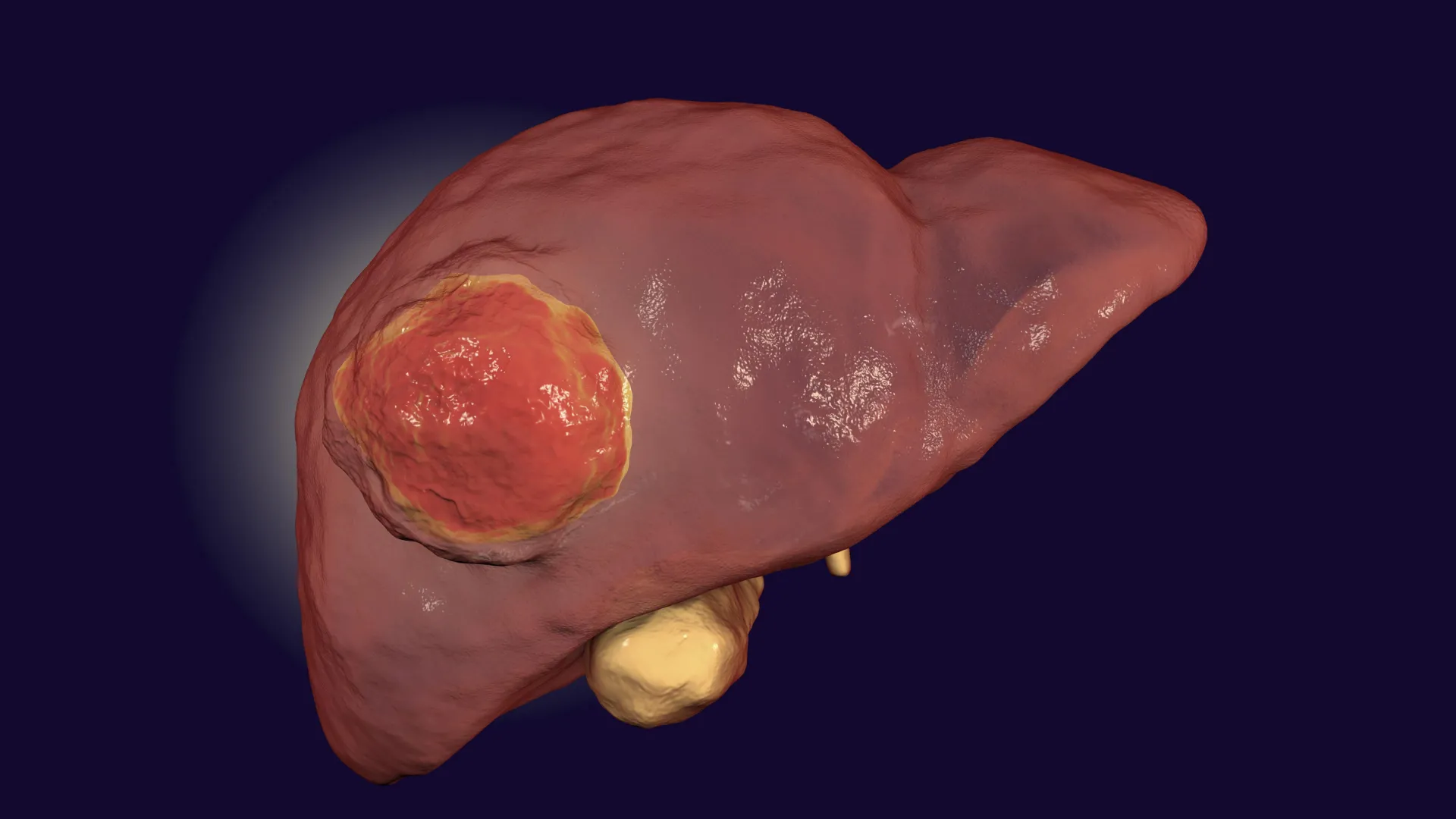
Fibrolamellar carcinoma is an outlier in the landscape of oncology. Accounting for approximately 2% of all liver cancer cases, its clinical profile is distinct from the more common hepatocellular carcinoma. It typically develops in patients without pre-existing liver disease or cirrhosis, making it particularly insidious as symptoms often remain absent until the cancer has metastasized to distant organs.
Currently, there is no standardized cure for FLC. Because the disease is frequently identified at an advanced stage, the prognosis for many patients remains poor. For years, clinicians have attempted to utilize immunotherapy—specifically immune checkpoint inhibitors—which have revolutionized the treatment of cancers such as melanoma, lung, and kidney cancer. These therapies function by "releasing the brakes" on the immune system, allowing T cells to identify and eradicate malignant cells. In the case of FLC, however, these inhibitors have consistently failed, leaving researchers to wonder why the immune system remains blind to the threat.
The recent study provides a definitive answer: T-cell exclusion. The researchers discovered that the tumor microenvironment in FLC is not merely a passive container for cancer cells; it is an active, defensive fortification that physically prevents T cells from infiltrating the tumor. By trapping immune cells in the periphery, the cancer effectively neutralizes the body’s primary defense mechanism.
Chronology of Discovery: From Observation to Intervention
The path to this discovery was paved by a collaborative effort between the College of Veterinary Medicine at Cornell University and the University of Washington. The investigation began with a fundamental question: Why does the tumor microenvironment in FLC appear so impenetrable?
The research timeline accelerated through the application of advanced genomic technologies. By utilizing single-nucleus transcriptomics—a sophisticated technique that allows scientists to isolate the nucleus of individual cells within tumor tissue—the team was able to create a high-resolution map of the tumor’s internal architecture. This revealed that the hallmark "fibrous bands" found in FLC—from which the cancer draws its name—are not inert structural components. Instead, they are the result of stellate cells (normal liver cells) being hijacked by the tumor to create a physical and chemical barrier.
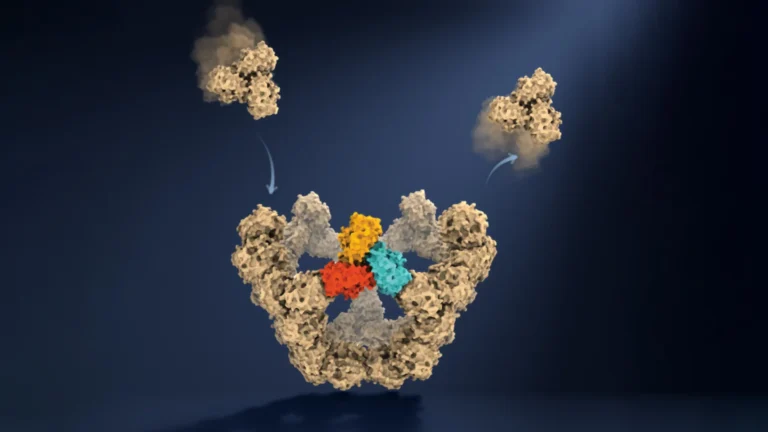
Once the team mapped this environment, they observed that these altered stellate cells were emitting specific signals that acted as a chemical lure, drawing T cells toward the fibrous bands and pinning them there. With the mechanism identified, the researchers pivoted to intervention. By testing the drug AMD3100—a compound already approved by the FDA for other medical uses—the team demonstrated in laboratory tumor slices that the signaling process could be blocked. When the "lure" was removed, T cells were successfully recruited into the heart of the tumor, and when combined with checkpoint inhibitors, the rate of tumor cell death increased significantly.
Supporting Data: The Power of Single-Nucleus Transcriptomics
The breakthrough was made possible by the unprecedented clarity provided by single-nucleus transcriptomics. Traditional genomic studies often provide an "averaged" view of a tumor, which can obscure the behavior of individual cell types. By looking at the nucleus of every cell in the tumor microenvironment, the researchers gained an "unprecedented view" of the dialogue between the cancer cells, the stellate cells, and the immune system.
The data revealed that the stellate cells were not just structural architects but were actively communicating with the T cells through a specific chemical pathway. This signaling directed the immune cells to migrate toward the fibrous bands rather than the cancer cells. By using AMD3100 to disrupt this signaling, the researchers observed a dramatic shift in T-cell distribution. This data serves as a critical proof-of-concept, suggesting that the resistance of FLC to immunotherapy is not an inherent flaw in the immune system, but a structural and signaling blockade that can be pharmacologically reversed.
Official Responses and Expert Perspectives
Praveen Sethupathy, professor of physiological genomics and chair of the Department of Biomedical Sciences at Cornell, and co-senior author of the study, emphasized the significance of the findings in the context of broader cancer research.
"Our results provide among the first indications of why a type of immunotherapy called immune checkpoint inhibition hasn’t worked well in these patients," said Sethupathy. "Even if this particular drug isn’t the end-all-be-all, it teaches us that this T-cell exclusion phenomenon is an important one to tackle in fibrolamellar carcinoma."
The research team, which includes Dr. Venu Pillarisetty, a surgical oncologist at the University of Washington, highlights the necessity of translating these findings into clinical practice as rapidly as possible. Andreas Stephanou, a co-first author and graduate student at Cornell, noted that the discovery marks a turning point in understanding the role of the tumor’s physical architecture. "It wasn’t until we were able to use this technology that the picture of the tumor microenvironment began to clear up for us," Stephanou stated.
The researchers have already begun the process of reaching out to liver cancer specialists across the country to discuss the launch of clinical trials. The fact that AMD3100 is already an FDA-approved drug is a substantial advantage, as the safety profile of the medication is already established, which may significantly shorten the time required for regulatory approval and testing in an oncology setting.
Implications: A New Era for Rare Cancer Research
The implications of this study extend far beyond the treatment of fibrolamellar carcinoma. The phenomenon of T-cell exclusion is observed in several other aggressive, treatment-resistant cancers, including pancreatic, prostate, and certain brain cancers. If the strategy of using AMD3100 to "unlock" the tumor environment proves successful in FLC, it could provide a blueprint for treating other cancers that have historically failed to respond to checkpoint inhibition.
Addressing the "Fibrous" Barrier
The role of fibrous bands in FLC has long been a subject of speculation. By pinpointing the stellate cells as the architects of these barriers, the study has provided a new therapeutic target. Future research may look at whether these cells can be targeted more directly to prevent the formation of the bands themselves, rather than just blocking the signaling they emit.
Expediting Clinical Translation
The reliance on existing FDA-approved drugs represents a growing trend in oncology known as "drug repurposing." By identifying new applications for established medicines, researchers can circumvent years of pre-clinical safety testing. For a patient population as small and underserved as those with FLC, this could mean the difference between waiting years for a new trial and receiving an accessible, potentially life-saving treatment in the near future.
The Path Forward
As the team looks toward the next phase of development, the collaboration between the Fibrolamellar Cancer Foundation—which provided the funding for this study—and academic institutions will be vital. The next steps will involve rigorous clinical testing to determine the appropriate dosage and combination strategies for AMD3100 and immune checkpoint inhibitors in human patients.
In conclusion, while the battle against fibrolamellar carcinoma remains difficult, the identification of T-cell exclusion as a manageable obstacle represents a profound leap forward. By moving from a state of total therapeutic resistance to a state of targeted intervention, researchers have opened a new door for those suffering from this rare and challenging disease. The combination of high-resolution genomics and the strategic repurposing of existing drugs offers a tangible pathway toward a future where FLC is no longer a terminal diagnosis, but a condition that can be managed and potentially defeated by the body’s own revitalized immune system.