










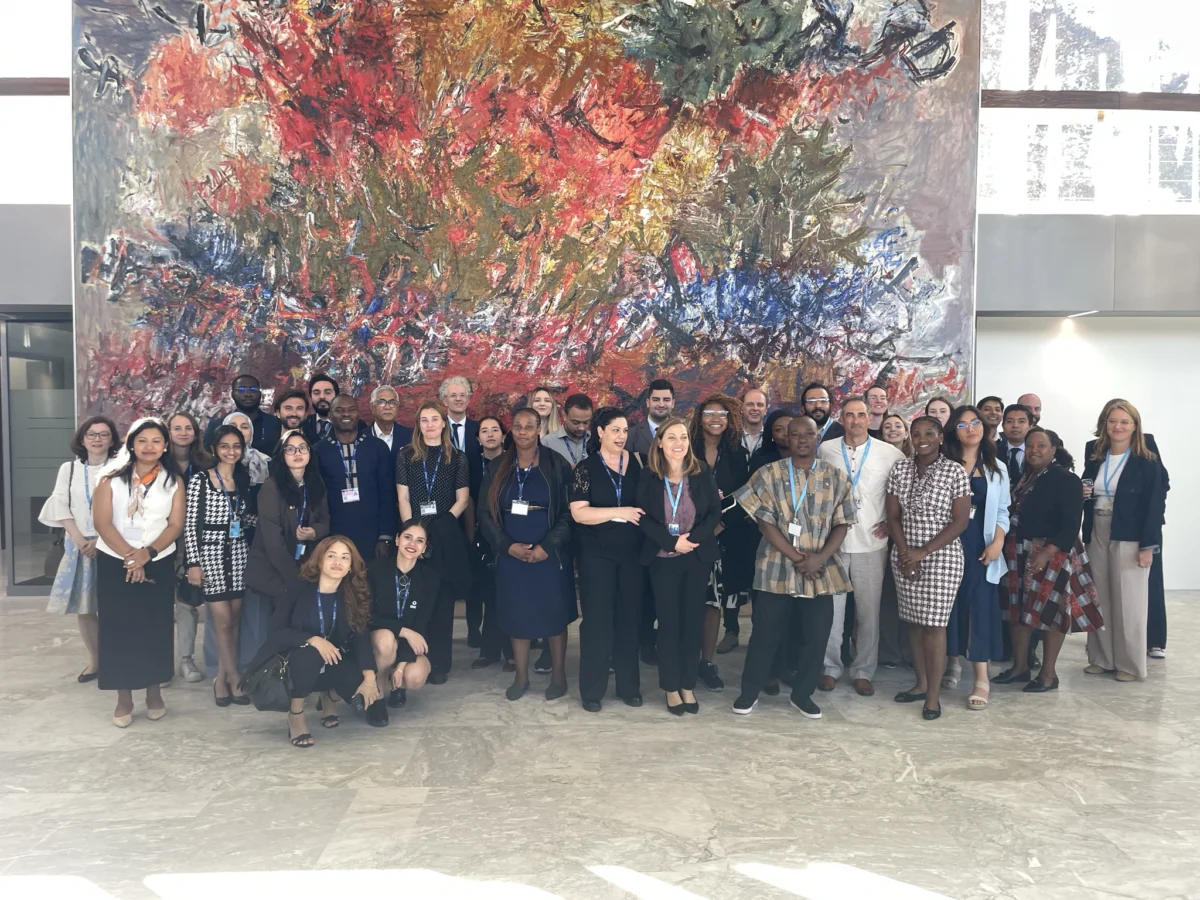
GENEVA, Switzerland – As the international community navigates an era of unprecedented health challenges, the 79th World Health Assembly (WHA79) concluded in Geneva last week with a renewed, urgent focus on respiratory health. Bringing together delegates from 194 member states, alongside global health advocates and civil society representatives, the assembly sought to solidify commitments to integrated care, equitable access to medicine, and the often-overlooked crisis of indoor air quality.
For the millions of individuals living with chronic respiratory conditions—including asthma, chronic obstructive pulmonary disease (COPD), and lung cancer—the outcomes of WHA79 are more than bureaucratic formalities. They represent the blueprint for future national policies that will dictate how, where, and when patients receive life-saving care.
Main Facts: The Core Pillars of WHA79
The assembly was characterized by a push to move beyond high-level rhetoric toward actionable, integrated health systems. The discussions regarding lung health were primarily categorized into three pillars:
- Integration of Respiratory Services: Moving away from siloed care to incorporate lung health into primary healthcare frameworks, ensuring that diagnosis and treatment occur at the community level rather than solely in tertiary hospitals.
- Universal Access to Essential Medicines: Addressing the persistent global disparities in the availability and affordability of inhalers, nebulizers, and diagnostic tools for COPD and asthma.
- The Nexus of Air Quality and Health: Recognizing that clean air is a non-negotiable determinant of health, with a specific focus on indoor air quality (IAQ) and its long-term impact on the respiratory system.
Chronology: A Week of Diplomacy and Advocacy
The week-long summit was a whirlwind of plenary sessions, technical briefings, and strategic side events.
Day 1-2: Setting the Tone
The Assembly opened with a focus on sustainable financing for global health. Representatives from civil society, including members of the European Lung Foundation (ELF), emphasized that economic constraints should not serve as an excuse to divest from chronic disease management.
Day 3: The Integrated Lung Health Forum
A pivotal side event, "From Global Commitments to Integrated Lung Health Action," took center stage. Hosted by Malaysia in partnership with the International Union Against Tuberculosis and Lung Disease, the Union for International Cancer Control, and the Forum of International Respiratory Societies, this event drew representatives from Kenya, the Philippines, and Brazil. The focus was on the practical mechanics of "integration"—specifically, how to equip primary care physicians to detect lung cancer earlier and manage COPD more effectively.
Day 4: Addressing the Invisible Threat
Discussions shifted toward environmental health. Experts presented data linking poor indoor air quality in schools and workplaces to the exacerbation of chronic lung conditions. The momentum grew for a formal WHO Resolution on Healthy Indoor Air, which would compel member states to set stricter standards for ventilation and filtration in public buildings.
Day 5: Civil Society and Governance
The final days saw intensive meetings between WHO leadership and the Civil Society Commission. Patient advocates, including Kjeld, a representative with lived experience, engaged in high-level dialogues to ensure that the "patient voice" was not lost in the discussions of funding and infrastructure.
Supporting Data: The Urgent Case for Action
The data presented at WHA79 paints a stark picture of the current state of global respiratory health.
- The Air Quality Crisis: Almost the entire global population (99%) breathes air that exceeds WHO air quality guidelines. This is not merely an ecological concern; it is a clinical one. Long-term exposure to particulate matter is a primary driver of non-communicable respiratory diseases, accounting for millions of premature deaths annually.
- The Diagnosis Gap: In many low- and middle-income countries, the diagnosis of COPD and asthma is often delayed until a patient reaches a crisis point, necessitating expensive emergency care. Early diagnosis via spirometry and screening remains vastly underserviced.
- Economic Impact: The cost of inaction is staggering. When respiratory conditions are not managed at the primary care level, the financial burden on the state—due to emergency hospital admissions and lost productivity—far exceeds the cost of preventative inhalers and routine check-ups.
Official Responses: Strengthening the Policy Framework
The WHO Lung Health Resolution remains the cornerstone of the assembly’s output. By committing member countries to "strengthen respiratory care services," the resolution serves as a mechanism for accountability.
Representatives from the host nations of the side events—notably Malaysia and Kenya—underscored that domestic policy must shift to prioritize "respiratory health as a fundamental right." The consensus among delegates was that the current model of reactive, hospital-based care is unsustainable. Instead, they proposed a transition toward a community-based model, where diagnostic tools are as common in health clinics as basic blood pressure monitors.
Furthermore, the civil society statement on sustainable healthcare funding, which the ELF joined, demanded that governments "protect the core." The statement argued that in times of economic volatility, essential medicines and respiratory care must be ring-fenced from budget cuts, citing that the social and economic cost of chronic disease mismanagement creates a cycle of poverty and poor health outcomes.
Implications: A New Era for Patients and Policy
The outcomes of WHA79 carry significant implications for the future of healthcare.
1. The Shift to Primary Care
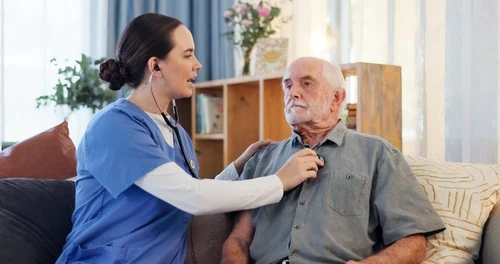
The most significant long-term implication is the push to move lung care out of specialized centers and into the community. For a patient, this means the possibility of being diagnosed by a local physician rather than waiting months for a referral to a distant city hospital. This integration is vital for the early detection of lung cancer, where the window for curative intervention is often slim.
2. The Rise of "Healthy Indoor Air"
The movement toward a WHO Resolution on Healthy Indoor Air marks a paradigm shift. We have long recognized outdoor air pollution as a threat, but the assembly’s focus on the "indoor environment" acknowledges that most of our lives are spent within walls. Building codes, workplace safety standards, and school ventilation policies may soon be influenced by these health-centric guidelines, potentially leading to safer public infrastructure.
3. The Power of Lived Experience
Perhaps the most notable shift at WHA79 was the elevation of patient advocates. Through the WHO Civil Society Commission, individuals with chronic conditions were not merely observers; they were active contributors to the discourse. This ensures that policy is not created in a vacuum but is informed by the realities of those who struggle with access, affordability, and the daily burden of their symptoms.
Looking Ahead: The Path Forward
While the WHA79 has concluded, the work of the WHO, member states, and NGOs like the ELF is only beginning. The assembly provided the mandate, but the implementation will occur in national parliaments and local clinics over the coming years.
The next steps involve:
- Monitoring Implementation: Ensuring that the "Lung Health Resolution" is not just signed, but translated into national budgets and clinical guidelines.
- Expanding Access: Bridging the gap in the global supply chain for essential respiratory medicines, ensuring that inhalers are available even in the most remote settings.
- Policy Advocacy: Continuing to push for the "Healthy Indoor Air" initiative, turning scientific data into tangible legislative change.
As the international health community looks toward the next assembly, the message from Geneva is clear: respiratory health is a global priority that can no longer be relegated to the sidelines. By integrating services, investing in cleaner air, and centering the experiences of patients, the world can begin to turn the tide against the rising burden of lung disease.
The commitment made at WHA79 represents a beacon of hope for millions. For the patient advocate, the policy analyst, and the medical professional alike, the focus remains fixed on a single, ambitious goal: a world where everyone, regardless of geography or economic status, can breathe easier.
For further information on the outcomes of the 79th World Health Assembly and to track the progress of these initiatives, please visit the official WHO WHA79 portal.