







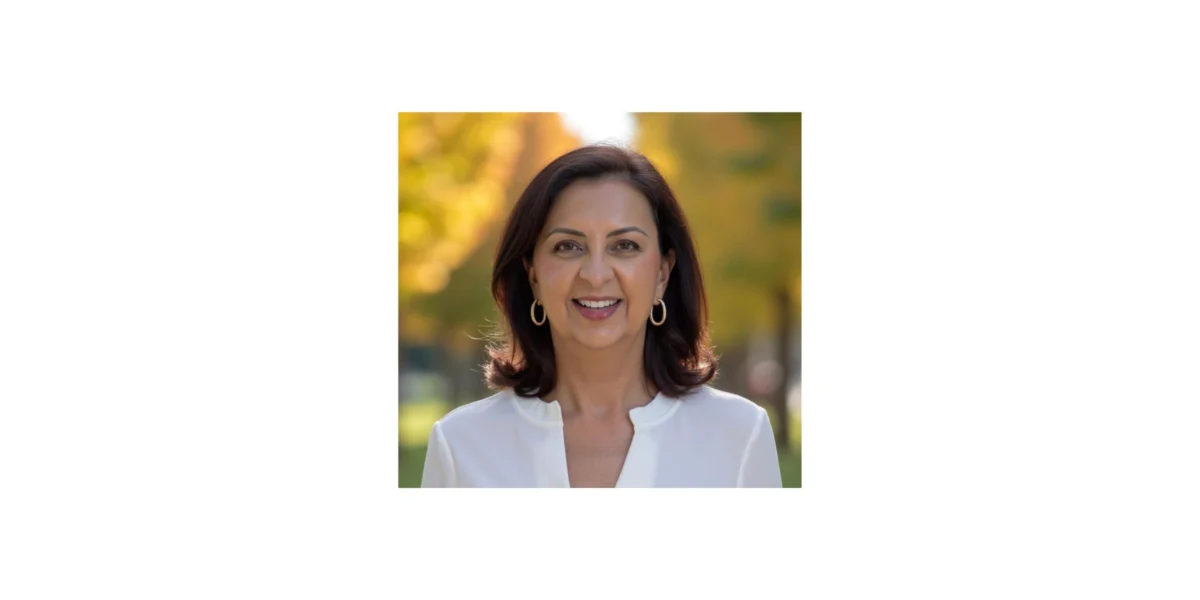
The American Academy of Sleep Medicine (AASM) has officially inaugurated a new chapter in its leadership. During the recent SLEEP 2026 conference held in Baltimore, Dr. Fariha Abbasi-Feinberg, MD, FAASM, FAAN, was installed as the president of the AASM board of directors. Representing a community of 9,500 physicians, scientists, and healthcare professionals, Dr. Abbasi-Feinberg’s appointment signals a strategic pivot toward practical, evidence-based innovation and a renewed focus on the clinical realities faced by sleep medicine practitioners across the United States.
The Mandate: Advancing Patient-Centered Initiatives
As she steps into this pivotal role, Dr. Abbasi-Feinberg is tasked with guiding the AASM through a period of rapid technological and regulatory evolution. Her leadership agenda is built upon the pillars of the organization’s strategic plan, which emphasizes adaptability, inclusivity, and the integration of evidence-based practices to improve patient outcomes.
The AASM, the preeminent authority on sleep health, serves a diverse membership. From academic researchers studying the molecular underpinnings of circadian rhythms to clinicians managing sleep apnea in community clinics, the organization’s reach is broad. Dr. Abbasi-Feinberg’s primary objective is to unify these disparate voices under a cohesive strategy that prioritizes high-quality, patient-centered care. Her vision is rooted in the belief that sleep health is not merely a subset of neurology or pulmonology, but a fundamental pillar of overall public health that requires distinct policy recognition.
Chronology of Leadership and Clinical Expertise
Dr. Abbasi-Feinberg’s ascent to the presidency is the result of years of dedicated service to the AASM and the broader medical community. Her path to the top reflects a deep understanding of both the administrative and clinical facets of the specialty.
- Medical Foundation: Dr. Abbasi-Feinberg earned her medical degree from the Drexel University College of Medicine in Philadelphia. She subsequently completed her neurology residency and a prestigious post-doctoral fellowship in EEG at the University of Maryland Medical System.
- Early Advocacy: Since 2019, she has served on the AASM board of directors, earning a reputation as a pragmatic leader who bridges the gap between complex billing regulations and patient care.
- Committee Leadership: Prior to her presidency, she held critical roles, including chair of the AASM Coding and Compliance Committee and chair of the Alternative Payment Models Task Force.
- National Influence: Perhaps most notably, she served as the AASM advisor to the American Medical Association’s (AMA) Relative Value Scale Update Committee (RUC). This role established her as a national authority on coding and reimbursement—a critical area of expertise for a profession often burdened by complex insurance and regulatory hurdles.
- Current Practice: Based in Fort Myers, Florida, she serves as the medical director of sleep medicine at the Millennium Physician Group, a role that keeps her grounded in the day-to-day realities of patient interaction.
Supporting Data: The Landscape of Modern Sleep Medicine
The field of sleep medicine is currently undergoing a paradigm shift. With an estimated 50 to 70 million Americans suffering from chronic sleep disorders, the demand for specialized care has never been higher. However, the infrastructure to support this demand faces significant challenges.
Data from the AASM suggests that the "sleep economy" is expanding, yet clinical access remains uneven. While home sleep apnea testing (HSAT) has revolutionized diagnosis, the management of long-term therapy—such as positive airway pressure (PAP) therapy—requires sustained physician oversight. Dr. Abbasi-Feinberg’s expertise in reimbursement models is timely; as healthcare systems transition from fee-for-service to value-based care, the AASM must ensure that sleep medicine is accurately valued for the cost-saving benefits it provides by preventing secondary health issues like hypertension, diabetes, and cardiovascular disease.
Furthermore, the integration of digital health and artificial intelligence (AI) into sleep diagnostics presents both an opportunity and a challenge. The AASM’s strategic plan under the new presidency aims to harness these technologies to enhance, rather than replace, the clinical judgment of sleep specialists.
Official Responses and Strategic Vision
In her inaugural address, Dr. Abbasi-Feinberg emphasized the necessity of empowering clinicians who work outside of traditional academic hospitals. "I have a strong interest in advocating for practical changes and advancements that will enable sleep clinicians in diverse settings to thrive and deliver high-quality care," she stated.
She addressed the systemic issues facing her colleagues directly: "Sleep and circadian care are fundamental to health care, so sleep clinicians have a vital role to play in our health care system. We need to ensure that health care policies and regulations value sleep care and empower sleep clinicians to excel in the diagnosis and treatment of sleep disorders."
Her emphasis on the "non-academic" practitioner is a defining characteristic of her tenure. By focusing on the real-world obstacles—such as reimbursement delays, administrative burnout, and patient access barriers—she aims to make the AASM a more responsive and effective advocate for its members.
Implications: The Future of the Specialty
The implications of Dr. Abbasi-Feinberg’s leadership are significant for the future of sleep medicine. By positioning herself as a champion for both the patient and the provider, she is setting the stage for several key initiatives:
1. Regulatory Advocacy
With her deep background in the AMA’s RUC, Dr. Abbasi-Feinberg is uniquely positioned to lead lobbying efforts that ensure fair reimbursement for sleep medicine services. As federal and private payers update their criteria, the AASM will likely take a more aggressive stance in defining the medical necessity of comprehensive sleep care.
2. Clinical Standardization
Expect the AASM to continue its push for standardized, evidence-based clinical guidelines. In an era of "wellness" gadgets and consumer-grade sleep trackers, the AASM’s role as a gatekeeper of clinical accuracy is paramount. Dr. Abbasi-Feinberg is expected to push for frameworks that integrate these new technologies into clinical practice without compromising patient safety or data integrity.
3. Workforce Development
The 9,500-member base of the AASM is diverse, and there is a recognized need to cultivate the next generation of sleep specialists. Her presidency is expected to focus on mentorship and the promotion of sleep medicine as a critical sub-specialty within primary care and neurology, ensuring a robust pipeline of talent.
4. Patient Access and Equity
A central theme of her strategy is addressing the "access gap." Many underserved communities lack specialized sleep centers. By advocating for flexible practice models and telehealth integration, Dr. Abbasi-Feinberg intends to broaden the reach of the AASM, ensuring that geographic location does not dictate the quality of sleep health care a patient receives.
Conclusion: A Pragmatic Path Forward
The election of Dr. Fariha Abbasi-Feinberg is a clear signal that the AASM is prioritizing practical results over theoretical discourse. By elevating a leader who understands the mechanics of coding, the frustrations of the daily clinical grind, and the complexities of healthcare policy, the academy is well-positioned to navigate the challenges of the late 2020s.
As the field of sleep medicine continues to grow in importance—fueled by an aging population and a better understanding of the link between sleep and systemic health—the AASM’s focus under Dr. Abbasi-Feinberg will likely be defined by a commitment to sustainability. Her leadership suggests that the future of the AASM will be characterized by a focus on "the business of medicine" as a tool to facilitate "the practice of medicine," ensuring that sleep clinicians can focus on what matters most: improving the health and well-being of their patients.
For the 9,500 members of the AASM, the message is clear: their voices are being represented by someone who has sat in their chair, faced their challenges, and possesses the strategic acumen to drive meaningful, systemic change. As the AASM moves forward, the combination of clinical expertise and administrative mastery offered by Dr. Abbasi-Feinberg may well be the catalyst for the next golden age of sleep medicine.