









In a potential paradigm shift for orthopedic medicine, researchers at Stanford Medicine have uncovered a promising new strategy to combat the global epidemic of osteoarthritis. A study led by the university, published in the prestigious journal Science, demonstrates that by inhibiting a specific protein associated with aging, scientists can restore lost knee cartilage in mice and stimulate the regeneration of functional tissue in human samples. This discovery offers a glimmer of hope for the millions of individuals currently facing the prospect of invasive joint replacement surgeries.
The Burden of Osteoarthritis: A Medical Status Quo
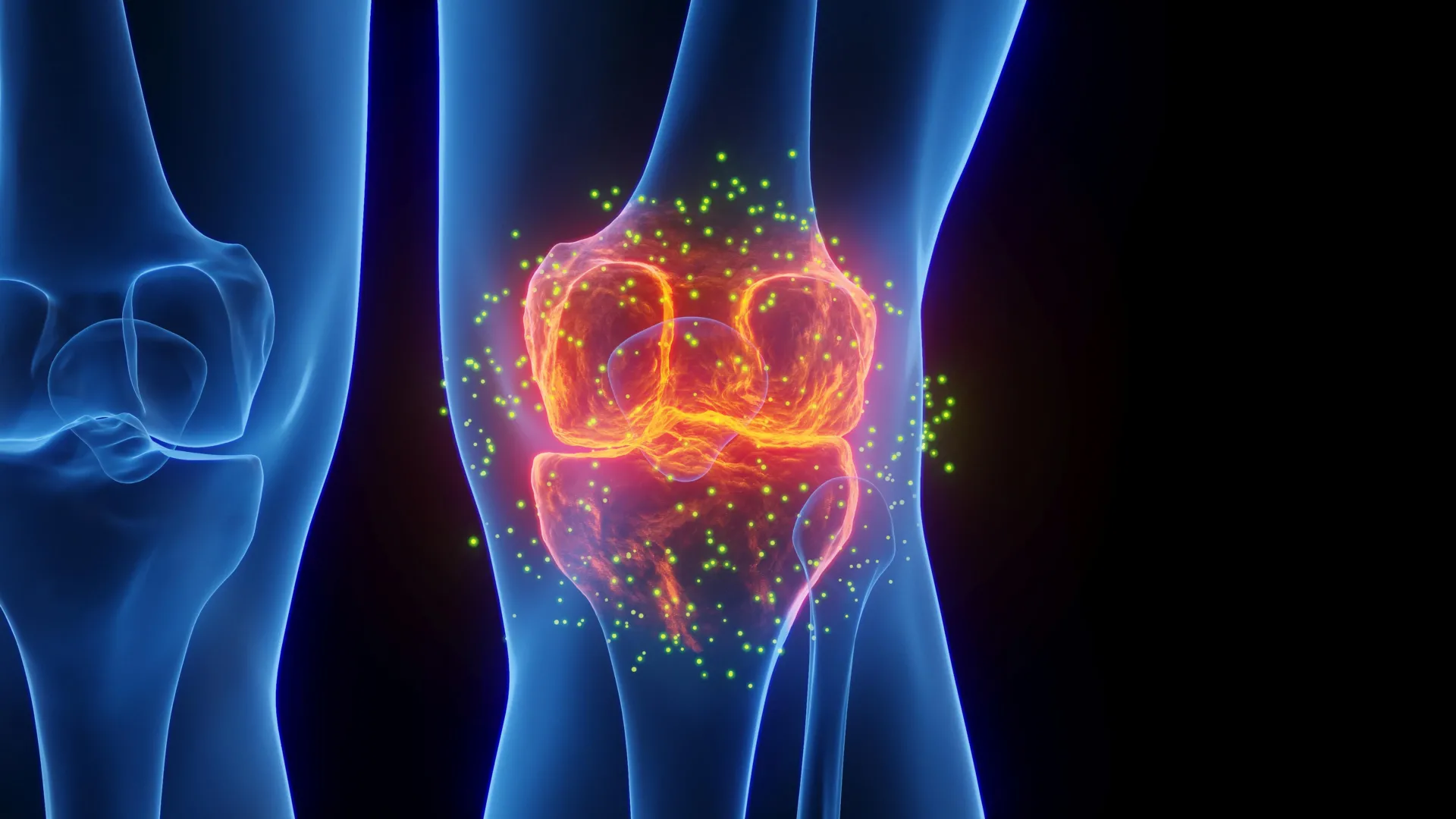
Osteoarthritis (OA) is the most prevalent form of arthritis, afflicting roughly one in five adults across the United States. Characterized by the gradual degradation of articular cartilage—the smooth, slippery tissue that allows joints like knees, hips, and shoulders to move without friction—the disease is a leading cause of chronic pain, stiffness, and diminished mobility.
Beyond the individual suffering, the economic toll is staggering. It is estimated that OA generates approximately $65 billion in direct healthcare costs annually in the U.S. alone. Currently, the medical toolkit for addressing OA is profoundly limited. Treatment protocols are largely reactive, focusing on temporary pain management through anti-inflammatories, physical therapy, or corticosteroid injections. In the most severe cases, when cartilage has worn away entirely, the only remaining option is total joint replacement surgery.
For decades, the medical community has sought a "disease-modifying" treatment—a drug capable of slowing, stopping, or reversing the breakdown of cartilage. Until now, such a breakthrough has remained elusive.
The Science of the ‘Gerozyme’
The Stanford study centers on a protein known as 15-PGDH. Researchers have classified this protein as a "gerozyme," a term used to describe a class of proteins that accumulate in the body as we age, contributing to the progressive decline of tissue function.
The research team, led by Helen Blau, PhD, and Nidhi Bhutani, PhD, first identified the significance of 15-PGDH in 2023. Previous investigations established that 15-PGDH acts as a "brake" on tissue health; when it is abundant, tissues like muscle and bone struggle to regenerate. Conversely, when the protein is inhibited or "blocked," the body’s natural repair mechanisms are unleashed.
In previous studies involving mice, the inhibition of 15-PGDH was shown to drastically increase muscle mass and endurance in older animals. This latest study hypothesized that the same mechanism might be the key to unlocking cartilage regeneration, a tissue type notoriously difficult to repair because it lacks the rich blood supply and stem cell populations found in other parts of the body.
Chronology of Discovery: From Muscle to Joint
The journey to this discovery was not linear; it was the result of building on foundational research regarding how the body maintains its structural integrity.
- Initial Findings (2023): Blau’s laboratory discovered that prostaglandin E2 (PGE2) is essential for muscle stem cell function. They identified that 15-PGDH acts as a metabolic enzyme that breaks down PGE2. By inhibiting the inhibitor (15-PGDH), they found they could boost PGE2 levels, leading to the regeneration of muscle, nerve, bone, and liver tissues.
- Targeting Cartilage: Recognizing that cartilage degradation is a hallmark of aging, the team compared the cartilage cells of young and old mice. They discovered that levels of 15-PGDH were approximately twice as high in older animals.
- The Intervention: Researchers treated older mice with a small-molecule drug designed to block 15-PGDH activity. They utilized two delivery methods: systemic injections (affecting the whole body) and localized injections directly into the knee joint.
- The Result: The results were unprecedented. In both scenarios, the mice exhibited significant regrowth of hyaline cartilage—the high-quality, shock-absorbing tissue required for healthy joint function.
Beyond Stem Cells: A New Mechanism of Regeneration
Perhaps the most surprising finding of the study was the cellular mechanism behind the regrowth. In many tissues, regeneration is fueled by stem cells that multiply and differentiate into new specialized cells. However, the researchers found that cartilage works differently.
"We were looking for stem cells, but they are clearly not involved," said Helen Blau, director of the Baxter Laboratory for Stem Cell Biology. "This is a new way of regenerating adult tissue."
Instead of relying on a reservoir of stem cells, the existing chondrocytes—the primary cells found in cartilage—undergo a form of genetic "reprogramming." When 15-PGDH is blocked, these cells shift their gene activity, effectively reverting to a more youthful state. This allows them to abandon the inflammatory, degradative pathways of aging and return to their primary task: producing and maintaining high-quality extracellular matrix.
Supporting Data: Reversing the Clock
The transformation of the cellular environment was confirmed through detailed genetic analysis. Before treatment, older chondrocytes were observed expressing high levels of genes linked to inflammation and the dangerous conversion of cartilage into bone. After the 15-PGDH inhibitor was introduced, the percentage of cells associated with cartilage breakdown dropped from 8% to 3%. Simultaneously, the population of cells actively engaged in building healthy hyaline cartilage nearly doubled, rising from 22% to 42%.
This cellular shift translated to physical results. In a model mimicking ACL tears—a common injury that often serves as a precursor to early-onset osteoarthritis—the treatment proved highly protective. Mice treated with the inhibitor for four weeks post-injury showed a significantly lower incidence of arthritis and displayed more natural gait patterns compared to the untreated control group.
Human Tissue: The Clinical Promise
While animal models are vital, the true test of any medical breakthrough is how it interacts with human biology. The Stanford team procured cartilage samples from patients undergoing total knee replacement surgeries.
When these "end-stage" diseased samples were exposed to the 15-PGDH inhibitor in a laboratory setting, the results were consistent with the mouse models. After just one week, the samples showed a decrease in cartilage-degrading markers and a distinct increase in the activity of genes involved in healthy cartilage formation.
"The mechanism is quite striking and really shifted our perspective about how tissue regeneration can occur," noted Nidhi Bhutani, associate professor of orthopedic surgery and co-senior author of the study. "It’s clear that a large pool of already existing cells in cartilage are changing their gene expression patterns."
Implications for Future Medicine
The implications of this research are profound. If the results can be replicated in human clinical trials, it would fundamentally change the treatment landscape for orthopedic conditions.
1. Moving Toward Non-Invasive Solutions
The ability to treat osteoarthritis with a local injection or an oral medication would represent a massive departure from the current surgical standard. By preserving the natural joint, patients could avoid the long recovery periods and potential complications associated with total knee or hip replacements.
2. A Proven Safety Profile
One of the most encouraging aspects of the study is that an oral version of the 15-PGDH inhibitor is already undergoing Phase 1 clinical trials for age-related muscle weakness. Early data suggests the drug is safe and biologically active in humans, which could significantly expedite the timeline for testing its efficacy in joint regeneration.
3. Addressing the Root Cause
Unlike painkillers or anti-inflammatories, which mask symptoms while the disease continues to progress, this treatment targets the underlying biological process of cellular aging. By resetting the "gene clock" of the chondrocytes, researchers are aiming to restore the tissue’s innate ability to repair itself.
The Road Ahead
While the scientific community is optimistic, the researchers urge caution. Clinical trials are the next necessary hurdle to determine dosing, long-term safety, and the exact window of opportunity for intervention.
"Our hope is that a similar trial will be launched soon to test its effect in cartilage regeneration," said Dr. Blau. "We are very excited about this potential breakthrough. Imagine regrowing existing cartilage and avoiding joint replacement."
As the global population ages, the need for effective, regenerative therapies has never been more urgent. By identifying the "gerozyme" mechanism, the Stanford team has opened a new door in regenerative medicine—one that could eventually allow us to treat the infirmities of aging not by replacing what is worn out, but by helping the body restore its own youthful function.