









By Kari McBride
The milestones of motherhood are often marked by grand, cinematic gestures: the first cry, the first steps, the first day of school. For many, these memories are etched into the psyche as monumental triumphs. Yet, as the years transition from the chaos of early childhood to the complex navigation of the teenage years, the definition of a "moment" begins to shift. For those living within the demanding landscape of chronic pain, these moments are no longer just milestones; they are acts of resistance—small, fleeting instances of beauty that offer a reprieve from the relentless pressure of illness.
The Weight of a First Step: A Foundation of Resilience
I remember my daughter’s first steps with a clarity that defies the passage of time. They were not merely a developmental milestone; they were a hard-won victory. After eighteen months of navigating a labyrinthine healthcare system—marked by exhaustive specialist appointments, sterile hospital stays, and the repetitive, grueling rhythm of physical therapy—those little feet finally took off.
Watching her swagger and sway down the hallway was an experience of overwhelming, visceral joy. It was a moment of profound relief after a period of intense uncertainty. At the time, well-meaning friends and family often reminded me, "Savor this moment; it won’t happen again." Back then, I thought I understood the directive. I believed it was about capturing the fleeting nature of childhood. I did not realize then that the true lesson of savoring would only fully reveal itself much later, under vastly different circumstances.
Chronology: From Developmental Milestones to Daily Management
The transition from those early days of developmental discovery to the present has been marked by a shared journey through the complexities of chronic pain. My daughter is now a teenager, and our household, once defined by the urgency of infancy, is now defined by the persistent, quieter requirements of managing chronic conditions.
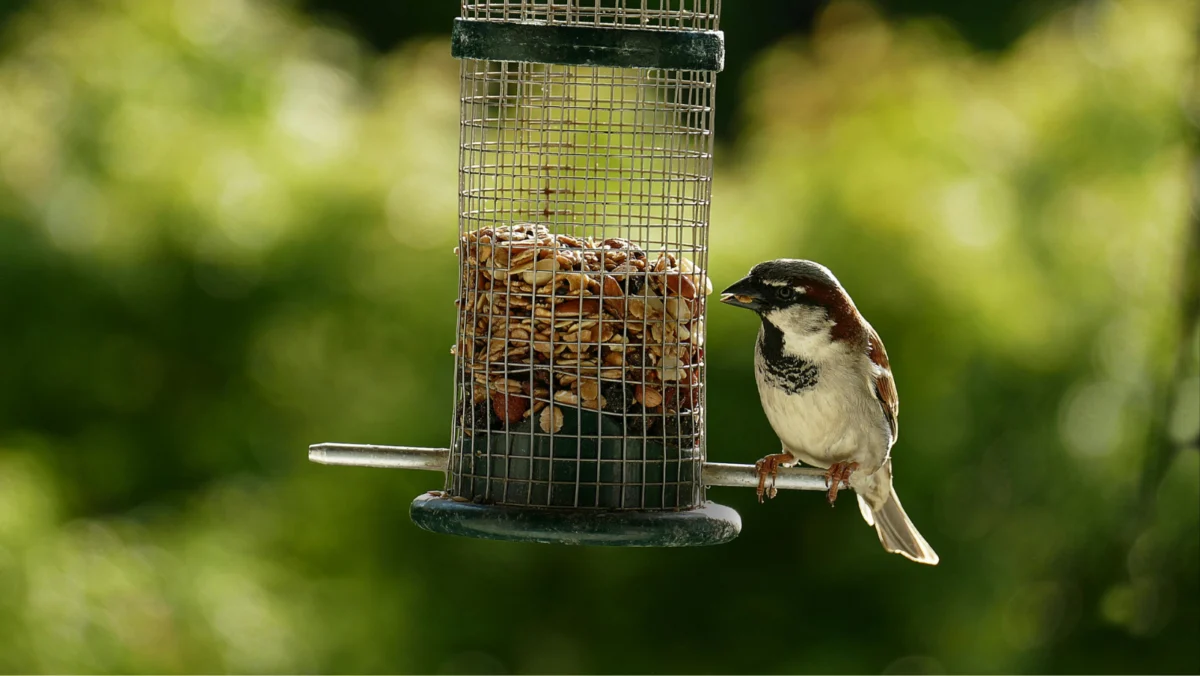
Recently, the shift in our dynamic manifested in an unexpected way: a request for bird feeders. It began with the standard teenage insistence—a desire to bring life and activity into our immediate environment. After a period of negotiation, I conceded. We installed bird feeders in both the front and back yards.
Initially, I viewed this addition with a pragmatic, perhaps even cynical, eye. I saw it as another line item on an already overburdened to-do list. In a life shaped by chronic pain, every task—no matter how small—requires a caloric and mental expenditure that must be carefully managed. Adding the responsibility of filling feeders and maintaining an environment for local wildlife felt like a chore. However, the reality of the experience defied my expectations.
Supporting Data: The Science of "Micro-Restorations"
While this personal reflection is rooted in individual experience, it mirrors a growing body of research in behavioral health regarding "micro-restorations." For individuals navigating chronic illness, the "Restoration Theory" suggests that brief, involuntary attention shifts—such as observing nature—can help replenish cognitive resources drained by the constant monitoring of pain.
According to the Journal of Environmental Psychology, brief exposures to natural stimuli, even from the vantage point of a window or a backyard, can lead to:
- A reduction in sympathetic nervous system arousal: The lowering of heart rate and cortisol levels.
- Cognitive load relief: A temporary cessation of the "pain-brain" loop, where the mind is constantly scanning for physical distress.
- Psychological grounding: The ability to anchor one’s awareness in the present, preventing the catastrophic thinking often associated with long-term prognosis.
When I stand by the window, watching a dove settle into the grass or a mockingbird hop along the fence line, I am participating in a practice that is functionally essential to my well-being. Each bird possesses a distinct personality, a detail that requires a level of focused observation that effectively pushes the sensation of pain into the background. For those few minutes, the internal monologue of "how much does it hurt?" is replaced by the external observation of "what is the bird doing?"
Official Perspectives on Chronic Pain Management
Medical professionals and chronic pain advocates increasingly emphasize that "savoring" is not merely a mindfulness trend, but a legitimate coping strategy. Dr. Aris Thorne, a specialist in pain management, notes: "The chronic pain patient often exists in a state of ‘future-tripping’—worrying about the next flare-up or the next appointment. The act of noticing, or ‘savoring’ small environmental shifts, creates a ‘psychological wedge’ that provides the nervous system with a necessary break."
This approach is increasingly being integrated into Pain Acceptance and Commitment Therapy (ACT). The goal is not necessarily to eliminate the pain—which is often biologically impossible—but to change the relationship the patient has with the pain. By intentionally choosing to focus on the arrival of a bird rather than the ache in a joint, the patient reclaims agency over their sensory experience.
Implications: The Choice to Stop and See
The implications of this shift are profound. If we define success only by the "big" moments—the first steps, the graduation, the recovery—we set ourselves up for a life of perpetual waiting. For those in chronic pain, the "big" moments are often interrupted by the logistics of illness.
Instead, we must recognize that the most significant moments are often the ones that pass most quickly:
- The intentional pause: It requires a conscious decision to stop the momentum of the day.
- The narrowing of focus: By directing attention to the mundane, we bypass the internal noise of distress.
- The realization of continuity: Observing nature reminds us that life continues despite our personal struggles, which can be both humbling and comforting.
These moments of reprieve do not "cure" the condition. The pain remains. When the birds fly away, the reality of the day inevitably pulls me back. However, the quality of the experience has changed. I have moved from being a passive recipient of pain to an active observer of my surroundings.
Conclusion: Redefining the "Savor"
Maybe this is the true definition of savoring. It isn’t about holding onto a moment so tightly that it stops time; it is about recognizing the ephemeral nature of all things—both the pain and the beauty—and choosing to give our attention to the latter.
My daughter’s first steps were a miracle of physical progress. The mockingbird on the fence is a miracle of quiet endurance. Both are equally worthy of my attention. By learning to notice the small, fleeting intervals of peace, I have found a way to navigate a life shaped by chronic pain. I am learning that while I cannot always control the physical sensations of my body, I can curate the landscape of my mind.
In the end, life is not just a collection of monumental milestones. It is a mosaic of small, often overlooked instances. By choosing to stop, to breathe, and to watch, I am not just surviving the challenges of chronic pain—I am actively participating in the quiet beauty of the world around me. And for now, that is enough.