








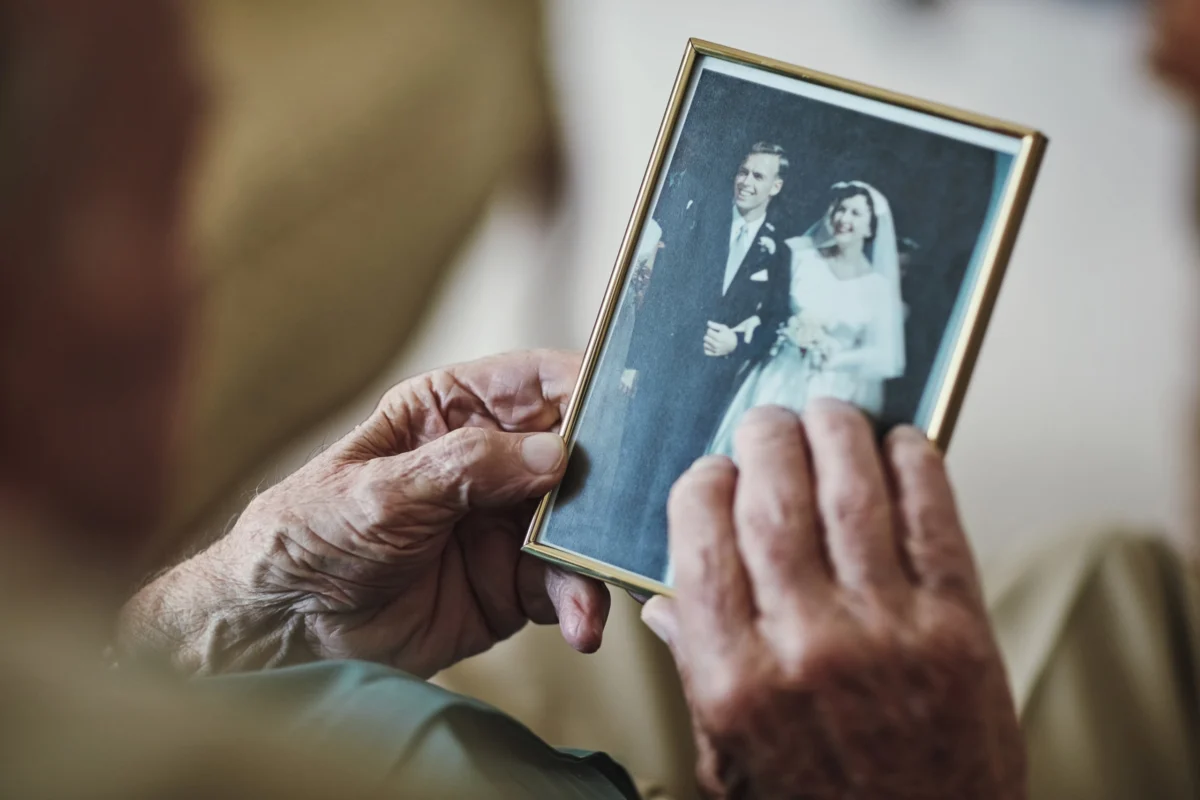
As the calendar turns to May, two significant observances align: Older Americans Month and Mental Health Awareness Month. While these occasions are typically celebrated through community events and wellness initiatives, they also provide a critical window to address a profound, often overlooked health crisis: the prevalence of loneliness and social isolation among our aging population.
While the experience of feeling alone is a universal human condition, for millions of seniors, it has evolved from a fleeting emotion into a chronic state of existence. As life transitions—such as retirement, the loss of a spouse, or the onset of physical limitations—begin to reshape the daily landscape, many older adults find themselves drifting toward the margins of society. The data is clear: loneliness is no longer just a social issue; it is a significant public health challenge with physiological consequences that can rival the impact of smoking or obesity.
The Core Reality: Defining the Scope of the Crisis
According to the National Institute on Aging (NIA), approximately one in four adults aged 65 and older are considered socially isolated. This is not merely a matter of living alone; it is a profound lack of meaningful social interaction, community engagement, and emotional support.
Loneliness is the subjective feeling of being alone, regardless of the amount of social contact, while social isolation is the objective state of having few social relationships or infrequent social contact with others. Both conditions frequently overlap, creating a feedback loop that is difficult to break without intervention. For many, the quiet of a living room is not a peaceful retirement; it is a stark reminder of a shrinking world.
A Chronology of Disconnection: How Isolation Takes Root
The path to chronic isolation is rarely sudden. It is often a cumulative process, marked by specific life stages and structural shifts in an individual’s capability.
The Initial Transition: Retirement and Loss
For many, the workplace provides a primary hub for social interaction. Upon retirement, that structure vanishes. This is often compounded by the "widowhood effect," where the loss of a long-term partner removes the most consistent source of companionship and social facilitation.
The Physical Barrier: Declining Mobility
As seniors age, the physical world begins to present new obstacles. The ability to drive, walk long distances, or navigate public transportation often diminishes. When a senior can no longer easily visit a community center, a place of worship, or the homes of friends, their social radius shrinks to the four walls of their residence.
The Technological Gap: Digital Exclusion
In an increasingly digitized society, the barrier to entry for social connection has shifted. While technology offers a bridge for many, for others, the lack of digital literacy or access to high-speed internet creates a modern form of segregation. The inability to participate in video calls or digital community forums can exacerbate feelings of being "left behind" by a rapidly moving world.
The Health Feedback Loop
The final stage of the chronology is the clinical manifestation. As isolation persists, the individual’s physical and mental health may decline, leading to further withdrawal. It becomes a self-perpetuating cycle: the senior stays home because they are tired or feel unwell, and they feel unwell and tired because they have stayed home too long.
Supporting Data: The Biological Price of Loneliness
The scientific community has spent the last decade quantifying the impact of loneliness on the human body. The findings are sobering. Loneliness is associated with a 29% increase in the risk of incident coronary heart disease and a 32% increase in the risk of stroke.
Furthermore, research indicates that socially isolated older adults have a 50% increased risk of developing dementia. The biological mechanism behind this is believed to be rooted in chronic stress. When a person feels consistently isolated, their body remains in a state of "fight or flight," elevating levels of cortisol and inflammatory markers. Over years, this chronic inflammation damages the cardiovascular system and impairs cognitive function.
Beyond physical health, the mental health implications are profound. Loneliness is a significant predictor of depression and anxiety in late life. It erodes the sense of purpose and self-worth that is essential for psychological well-being. When individuals feel they are no longer "seen" or "needed" by their community, the motivation to engage in self-care—such as eating healthy, exercising, or managing chronic conditions—tends to plummet.
Official Responses and Strategic Interventions
Governmental and non-profit organizations have begun to treat loneliness as a priority health metric. The NIA and the Administration for Community Living (ACL) have shifted their focus toward "social prescribing"—a model where healthcare providers can refer patients to community groups, volunteer programs, and social services just as they would prescribe medication.
The Toolkit for Connection
The NIA has developed comprehensive resources to help seniors stay connected. These include:
- Intergenerational Programs: Initiatives that pair seniors with youth for skill-sharing or mentorship, fostering a sense of purpose.
- Transportation Assistance: Programs that provide subsidized or volunteer-driven transport, ensuring that physical mobility limitations do not become barriers to social life.
- Digital Literacy Training: Providing seniors with the tools and training necessary to leverage technology for social connection rather than just passive consumption.
The Eldercare Locator
The Eldercare Locator, a public service of the U.S. Administration on Aging, serves as a crucial directory. It connects older adults and their families with local resources such as senior centers, meal programs, and home-care services. By centralizing this information, the initiative aims to bridge the gap between those who need support and the organizations equipped to provide it.
The Implications: Why Society Must Act
Addressing loneliness is not merely an act of charity; it is a structural necessity for a healthy society. As the demographic shift toward an older population continues, the cost of inaction will be felt in our healthcare systems, our social services, and our cultural fabric.
Economic Impact
The economic cost of loneliness is staggering. Research suggests that social isolation accounts for billions of dollars in additional annual Medicare spending. By investing in community-based social programs, we can reduce hospital readmission rates and delay the need for costly long-term care facilities.
The Value of Experience
Beyond the statistics, there is a moral imperative. Older adults are the keepers of our collective history and experience. A society that allows its elders to drift into isolation is a society that is effectively silencing its own wisdom. Ensuring that seniors remain connected is a way of honoring their contributions and ensuring that the intergenerational exchange of knowledge continues to flourish.
Moving Forward
As we observe Older Americans Month, the challenge is to move beyond mere awareness. We must foster environments that prioritize connection—not just as an "add-on" to life, but as a foundational element of health. This means designing age-friendly cities, supporting family caregivers, and encouraging neighborhood-level initiatives that check in on the most vulnerable.
Whether it is a simple phone call, a visit to a neighbor, or supporting local organizations that serve the elderly, the solution to the loneliness epidemic begins at the individual level. We must recognize that social health is health. By breaking the silence and reaching out, we can transform the experience of aging from one of isolation to one of meaningful, continued participation in the community.
Katie Riley, who serves as Vice President of Communications at the Alliance, emphasizes that the fight against loneliness is an ongoing commitment to the dignity and vitality of every older American. As we move through May and into the rest of the year, let us keep the conversation going, ensuring that no one is left to age in the shadows of silence.