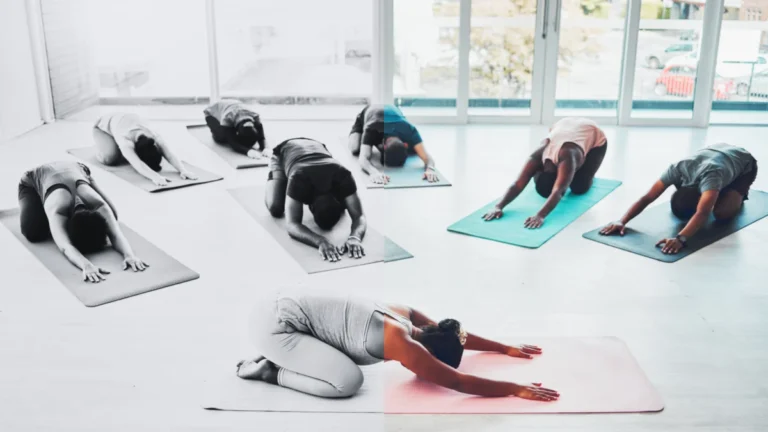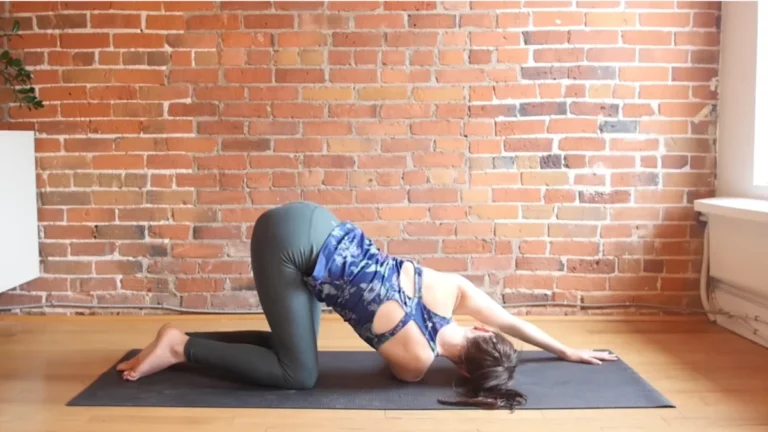
The lower back is, in many ways, the structural anchor of the human body. It bears the brunt of our daily movements, our sedentary habits, and the complex mechanical stressors of modern life. Yet, for millions of people worldwide, this vital region has become a source of chronic discomfort rather than a pillar of strength. According to the World Health Organization (WHO), nearly everyone will experience at least one episode of lower back pain in their lifetime. As of 2020, research published in The Lancet indicated that approximately 10 percent of the global population is actively grappling with this issue.
Addressing the root causes of back pain requires a paradigm shift: moving away from the search for a singular "fix-all" move and toward a holistic approach that treats the back as part of an interconnected kinetic chain. By strengthening the surrounding musculature—the glutes, hamstrings, hips, and core—we can alleviate the undue burden placed on the lumbar spine. Yoga, when practiced with mindfulness and anatomical precision, offers an evidence-based pathway toward long-term relief.
The Anatomy of Tension: Why the Lower Back Compensates
To understand lower back pain, one must first recognize its role as a compensatory hub. When the muscles that support the spine—such as the glutes, which provide pelvic stability, or the hip flexors, which regulate posture—are either chronically weak or pathologically tight, the lower back is forced to take on an increased load.
The Impact of Modern Lifestyle
The modern environment is often hostile to spinal health. Hours spent hunched over digital screens, suboptimal ergonomic setups, and repetitive lifting techniques without proper engagement of the core musculature create a "perfect storm" for lumbar strain. Furthermore, medical research has increasingly highlighted the link between chronic psychological stress and physical manifestations of pain, particularly in the lower back. Stress triggers the release of cortisol and adrenaline, which can lead to sustained muscle tension, particularly in the paraspinal muscles, further exacerbating localized pain.
Chronology of Care: A Strategic Approach to Recovery
Recovery from back pain is rarely linear. It requires a structured, patient, and progressive approach.
- The Assessment Phase (Days 1–3): If acute pain arises, the priority is stabilization. This involves identifying triggers—such as sitting for too long or heavy lifting—and implementing gentle, restorative movements rather than aggressive stretching.
- The Mobilization Phase (Days 4–14): Once acute inflammation subsides, focus shifts to "opening" the surrounding areas. This includes gently releasing the hamstrings and hip flexors to restore a natural range of motion.
- The Strengthening Phase (Weeks 3–6): As mobility improves, the focus must shift toward stabilizing the core and glutes. Without strengthening the support structure, the lower back will inevitably return to its compensatory state.
- The Maintenance Phase (Ongoing): Integrating specific, protective yoga poses into a daily routine serves as a preventative measure against recurrence.
Supporting Data: The Science of Movement
The efficacy of yoga for back pain is not merely anecdotal. A landmark study published in the Journal of Orthopaedic & Sports Physical Therapy highlighted that targeted yoga interventions significantly improved functional outcomes in patients with chronic low back pain. The mechanism is twofold:
- Mechanical Load Distribution: By stretching the hamstrings and opening the hips, the pelvic tilt is normalized, reducing the shearing force on the lumbar vertebrae.
- Neuroscience of Pain: Practicing yoga engages the parasympathetic nervous system, helping to down-regulate the "fight or flight" response, which, as noted, is intrinsically linked to muscle guarding and chronic pain.
5 Essential Yoga Poses for Lumbar Protection
Note: Individuals with herniated discs, fractures, or specific spinal pathologies must consult with a healthcare professional before beginning any exercise program. If pain intensifies, discontinue the practice immediately.
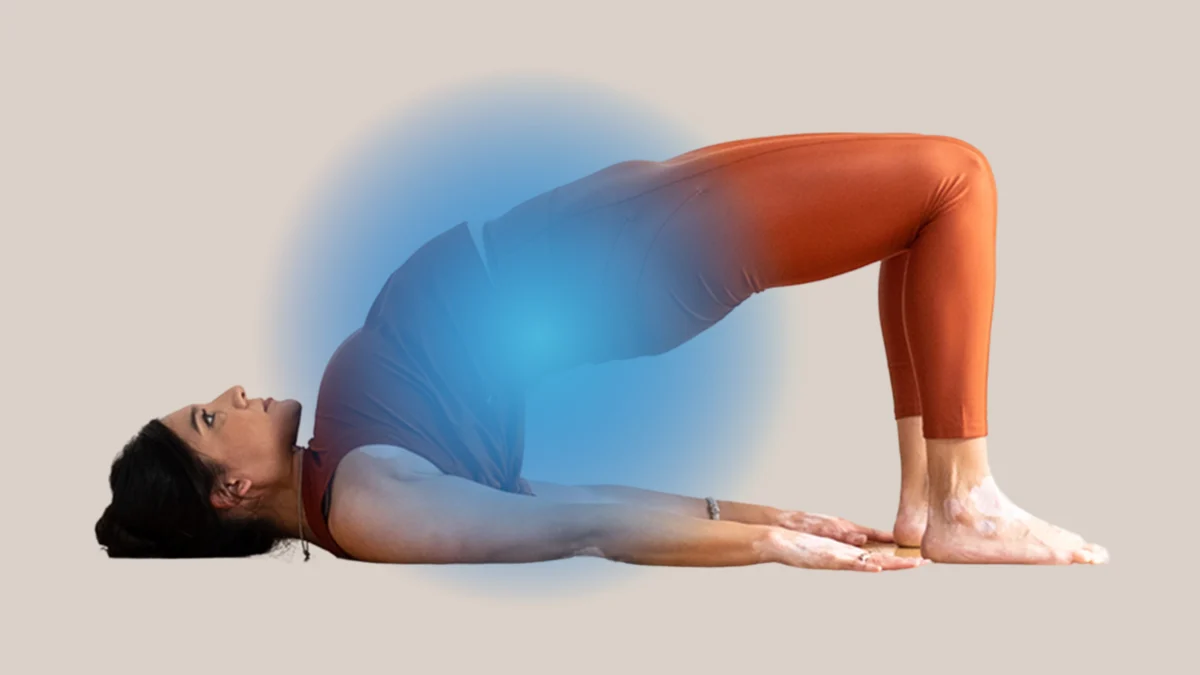
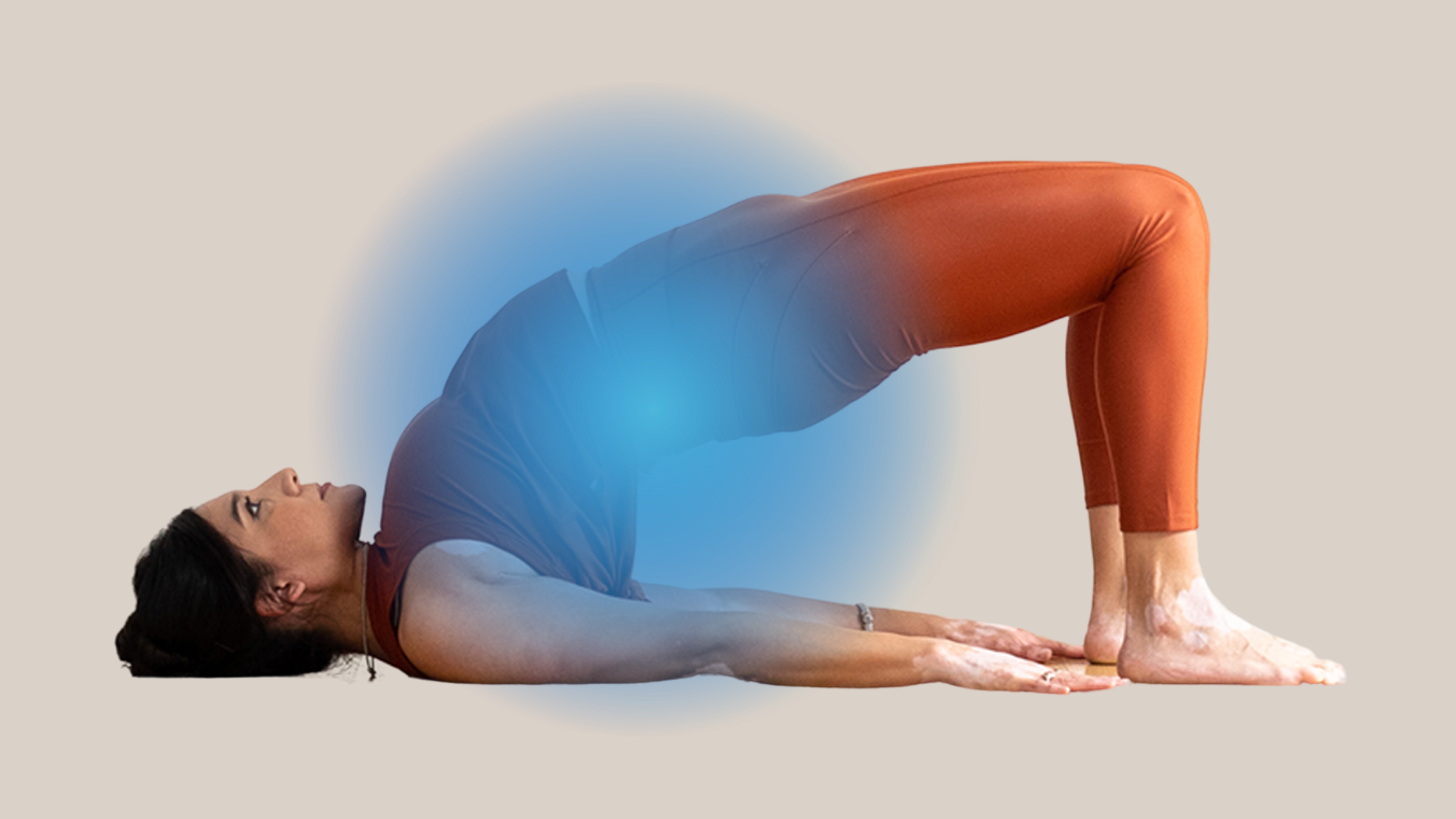
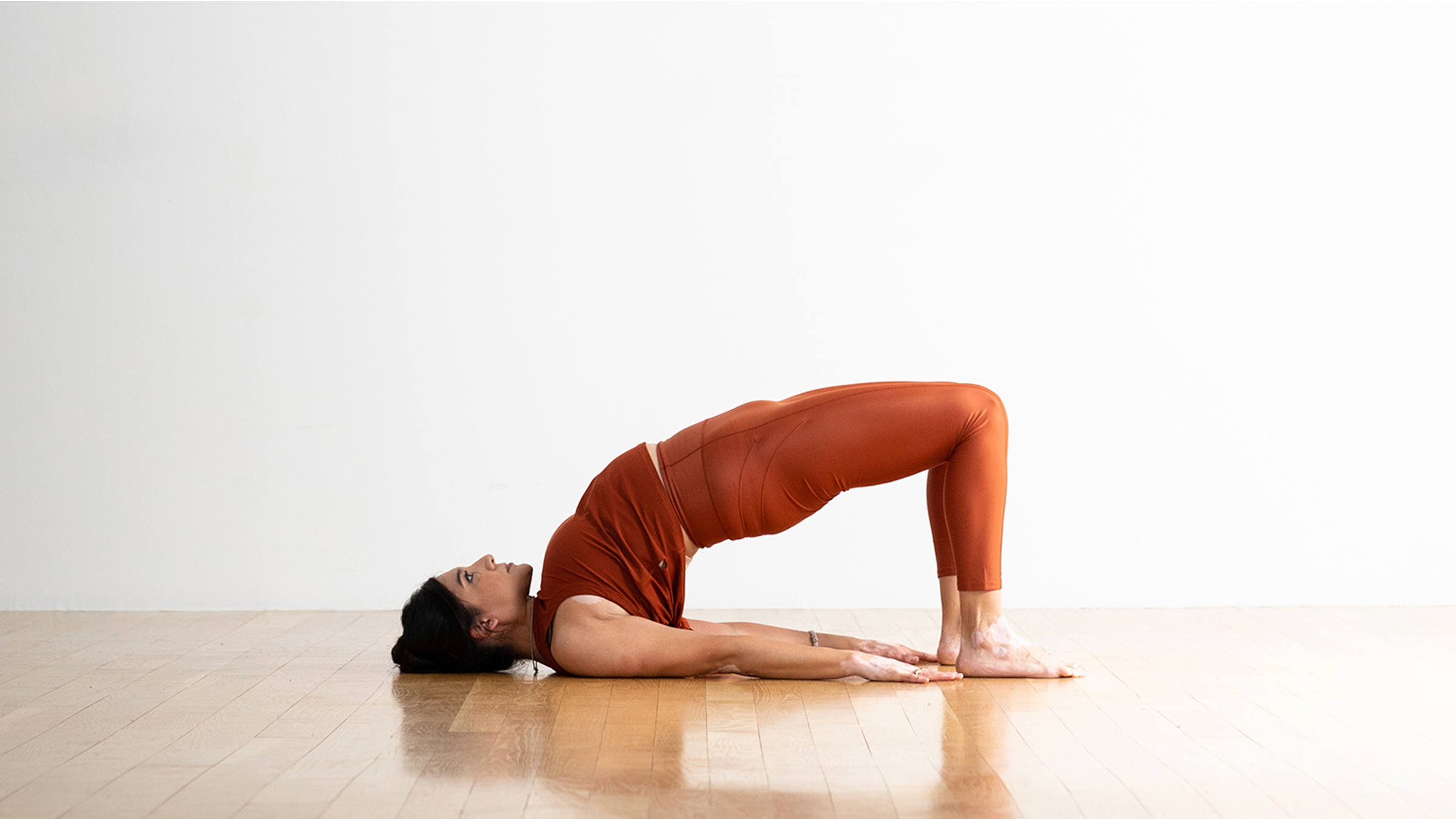
1. Bridge Pose (Setu Bandha Sarvangasana)
Bridge Pose is an elegant solution for those suffering from the effects of a sedentary lifestyle. By lifting the hips, the practitioner engages the gluteus maximus and the hamstrings—the primary powerhouses of the lower body. Strengthening these muscles allows them to take over the work that the lower back has been incorrectly performing. Furthermore, the mild inversion aspect of the pose helps to counteract "slouching," pulling the shoulders back and realigning the thoracic spine.
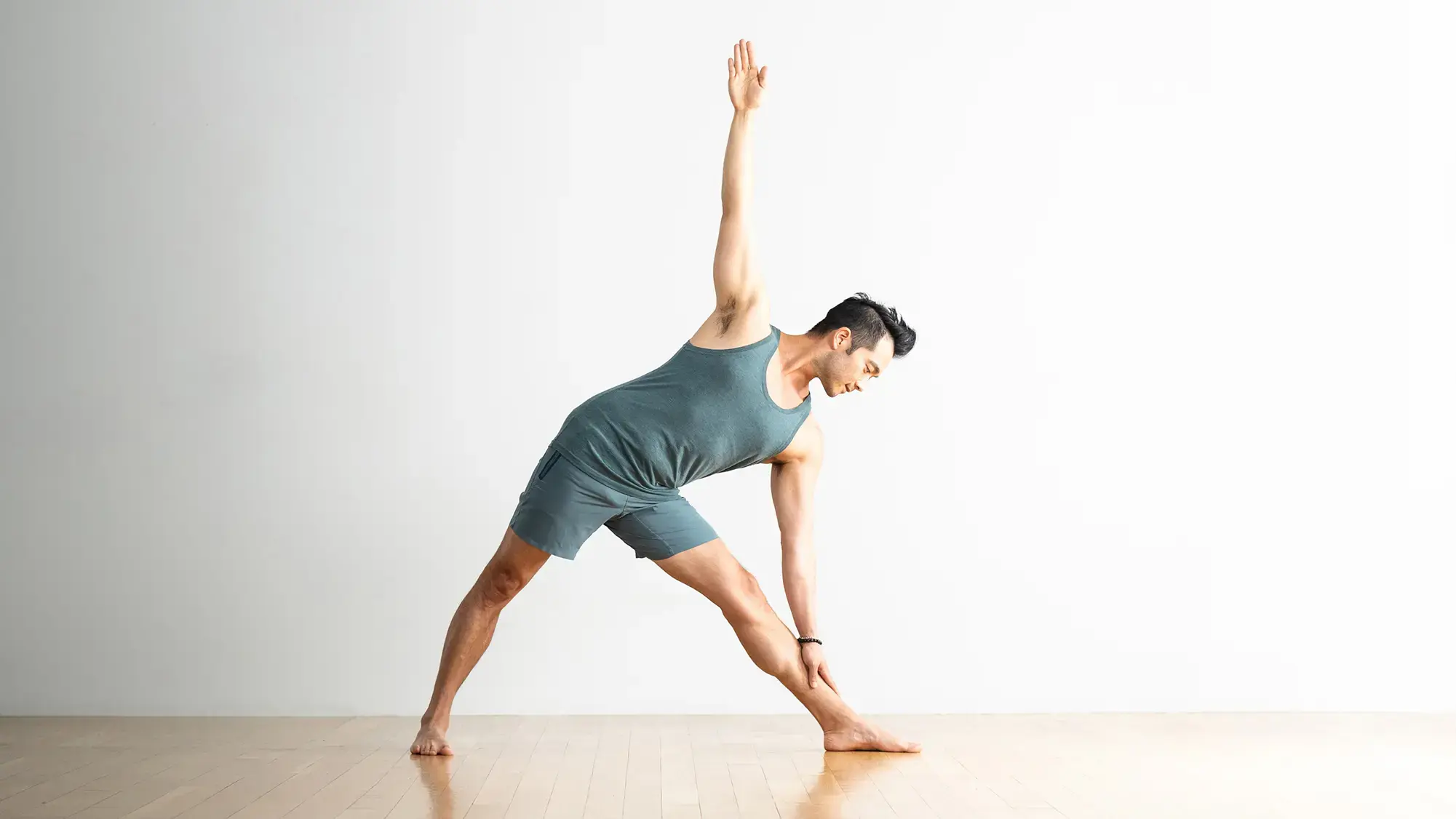
2. Triangle Pose (Trikonasana)
Triangle Pose is a masterclass in full-body integration. It demands active engagement of the core to stabilize the torso while simultaneously stretching the lateral body and the hamstrings. By opening the chest and shoulders, the practitioner relieves the tension that travels down the kinetic chain, ultimately allowing the lower back to remain in a neutral, supported position rather than being pulled out of alignment by tight thoracic or hip muscles.
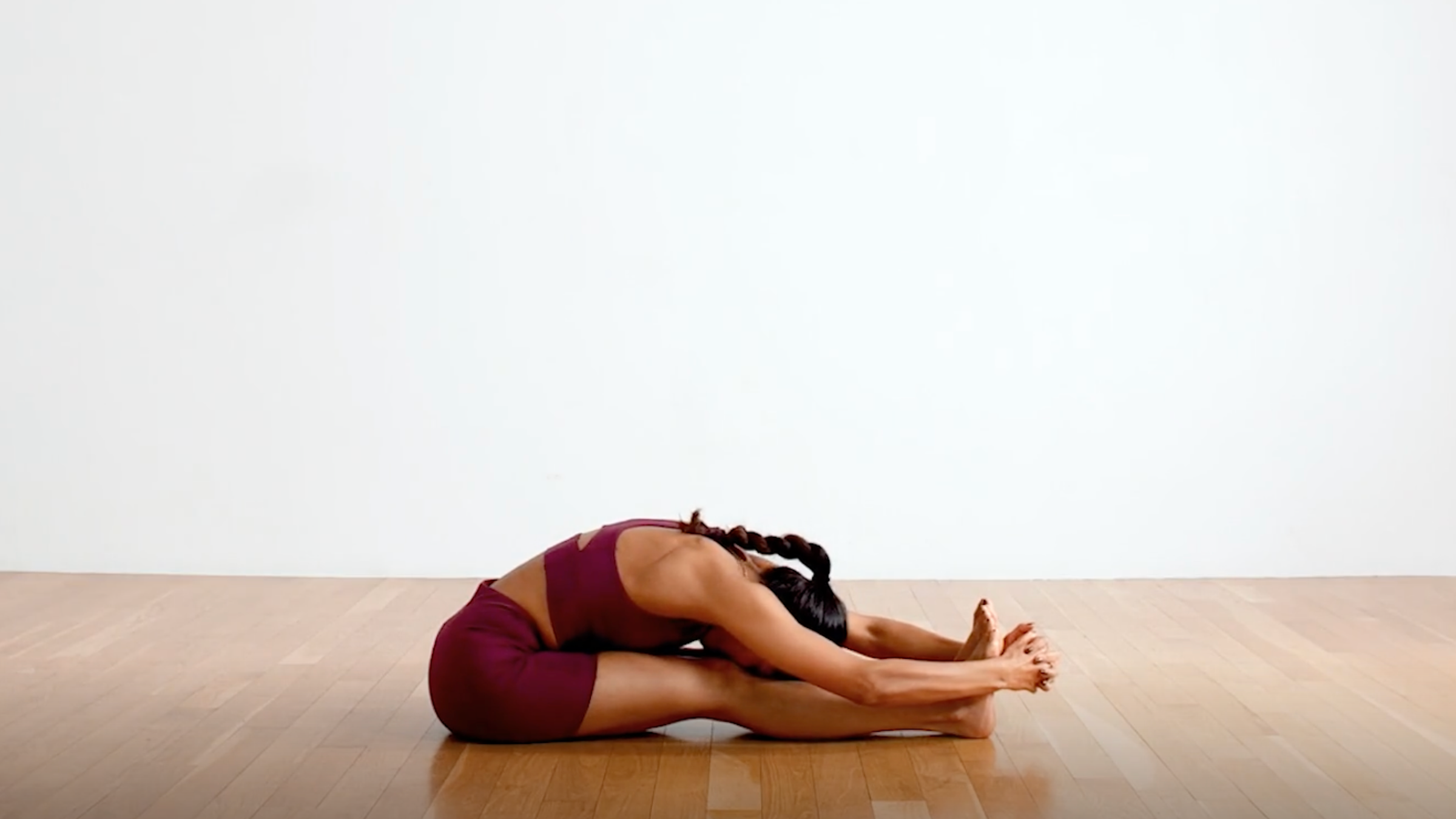
3. Seated Forward Bend (Paschimottanasana)
Tight hamstrings are the silent enemy of the lower back. When hamstrings are shortened, they pull the pelvis into a posterior tilt, effectively flattening the natural curve of the lower back. The Seated Forward Bend, even when performed with a gentle bend in the knees, lengthens the posterior chain. This release is crucial for restoring the natural mobility of the lumbar spine.
4. Pigeon Pose (Eka Pada Rajakapotasana)
The hips are the "emotional and physical landfill" of the body. Chronic sitting creates a shortening of the hip flexors and a tightening of the external rotators. When these muscles are immobile, the lower back acts as the body’s shock absorber. Pigeon Pose targets these deep hip tissues, allowing for an increase in mobility that directly correlates to a reduction in lumbar compensatory strain.
5. Cobra Pose (Bhujangasana)
We live our lives in a state of forward-fold. From driving to typing, the human body is constantly rounded. Cobra Pose provides the necessary counter-movement. By engaging the muscles of the back body to lift the chest, this pose strengthens the erector spinae—the muscles running along the spine—providing a "muscular corset" that supports the lumbar vertebrae.
Implications for Long-Term Spinal Health
The integration of these practices into a weekly routine has profound implications for health longevity. By moving from a reactive state—treating pain only when it becomes debilitating—to a proactive state, individuals can drastically reduce their risk of long-term disability.
The goal of this approach is not to achieve the most aesthetic version of a yoga pose, but to utilize these shapes as tools for anatomical correction. When we build strength where it is needed and create length where it is restricted, we are not just fixing a sore back; we are rebuilding the foundation of our physical independence.
Official Guidance and Professional Perspective
Medical professionals emphasize that consistency is the primary driver of success. Physical therapists and yoga therapists alike suggest that even ten minutes of focused, daily practice is superior to an hour of sporadic, high-intensity exercise.

As we look toward the future of physical wellness, the intersection of ancient movement practices and modern biomechanics continues to offer the most promising path forward. The back is not meant to be a static object that we carry through life; it is a dynamic, resilient structure designed for movement. By honoring the connectivity of the entire body, we provide our lower backs with the support, the space, and the strength they require to carry us through the decades to come.
Disclaimer: This article is for informational purposes only and does not constitute medical advice. Always consult with your primary care physician or a physical therapist before beginning a new exercise regimen, especially if you have a history of back injury.