










When the Human Genome Project reached its completion in 2003, it was hailed as the "Book of Life." Scientists and the public alike anticipated a golden age of medicine, believing that by sequencing the entire genetic code of a human being, we would finally hold the keys to curing every ailment from cancer to Alzheimer’s. Two decades later, the reality has proven far more nuanced: genetics explains only about 10% of our disease risk. The remaining 90% is dictated by our environment—and at the epicenter of that environmental influence lies our diet.
Despite decades of public health campaigns focused on restricting fat, salt, and sugar, obesity and diet-related chronic illnesses continue to rise globally. It is becoming increasingly clear that our current framework for understanding nutrition—a system that largely views food as simple fuel—is fundamentally incomplete.
The Missing Pieces: A Chronology of Nutrition Science
To understand why we are currently in a state of nutritional flux, we must look at how the science has evolved over the last century.
- Early 20th Century (The Era of Deficiency): Nutrition science was born out of a need to eliminate deficiency diseases like scurvy, rickets, and pellagra. This established the "fuel and building block" model: proteins, carbohydrates, fats, and essential vitamins.
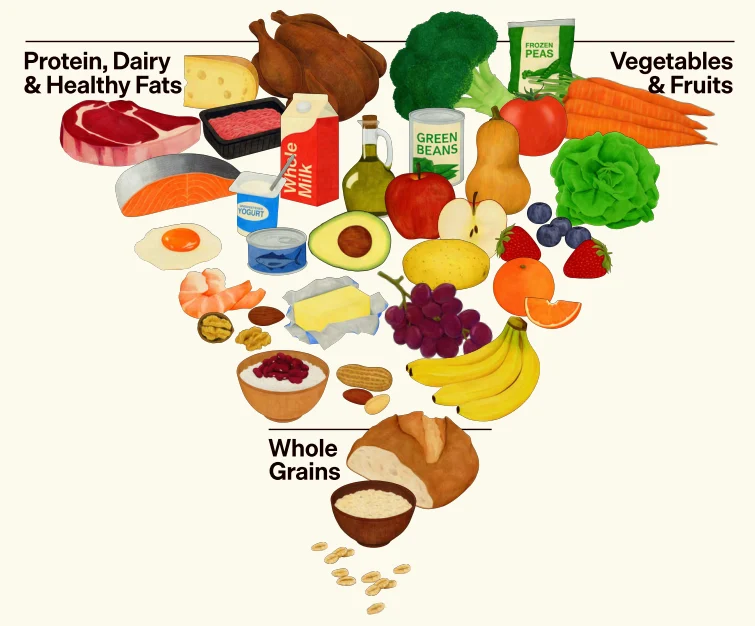
- Mid-to-Late 20th Century (The Quantitative Era): Science focused on the caloric content and macronutrient ratios. The food pyramid emerged, and "low-fat" became the medical mantra. While this helped standardize food labels, it failed to account for the qualitative complexity of food.
- 2003–2010 (The Genomic Awakening): The completion of the human genome shifted the focus to internal biology. However, as it became clear that genes are not destiny, researchers began looking at the "exposome"—the totality of environmental exposures, with diet being the most constant.
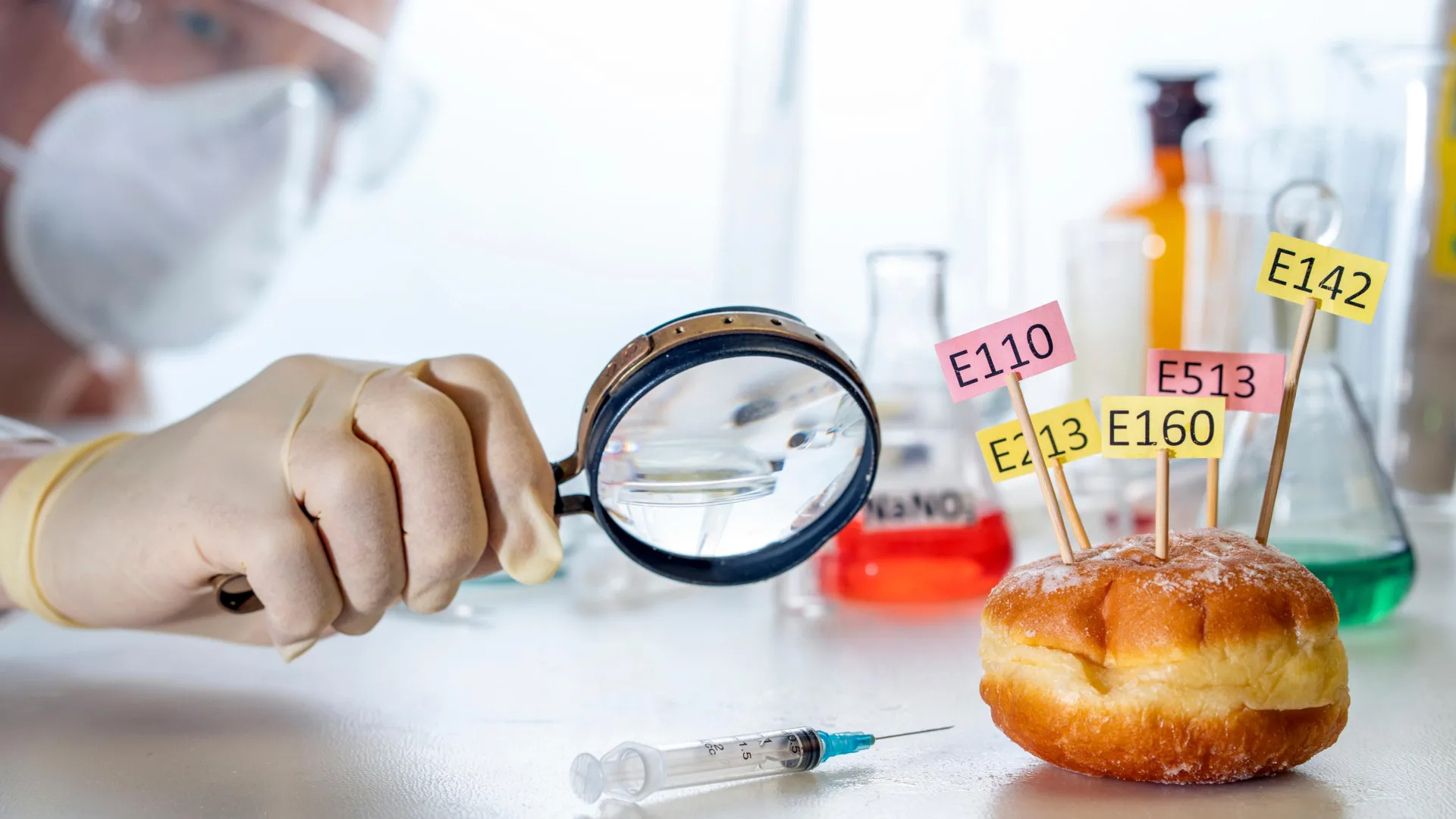
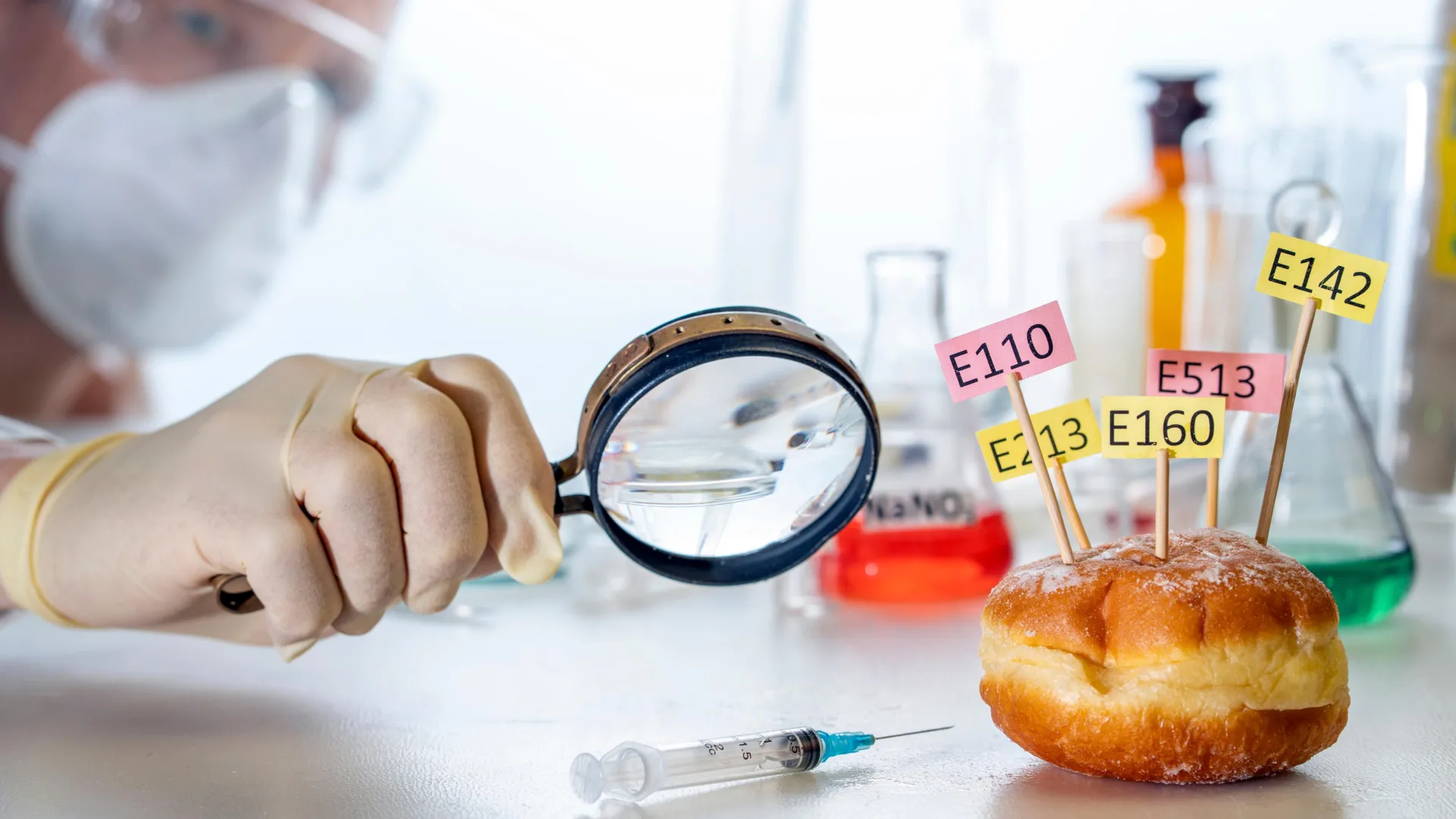
- 2020–Present (The Foodomics Revolution): We have entered the era of high-resolution molecular analysis. Scientists now recognize that the 150 chemicals traditionally studied in food are merely the tip of the iceberg. The true complexity involves tens of thousands of compounds that interact with our biology in ways we are only just beginning to decode.
Supporting Data: The Global Crisis of Diet
The statistics are sobering. Poor diet is now linked to approximately one in five deaths among adults aged 25 or older worldwide. In Europe, nutritional deficiencies and poor choices are implicated in nearly half of all cardiovascular deaths.
Yet, the traditional approach—counting calories and tracking a few dozen vitamins—has hit a ceiling. While we have mastered the macro-level understanding of food, we have been blind to the micro-level chemical symphony occurring in our digestive tracts. Scientists now estimate that a typical diet delivers more than 26,000 distinct compounds. Most of these remain "uncharted territory."
The "Nutritional Dark Matter" Hypothesis
In the field of astronomy, "dark matter" refers to the roughly 27% of the universe that cannot be seen directly. It does not emit or reflect light, yet we know it exists because of its gravitational pull on visible stars and galaxies.
Nutrition science is facing a near-identical conundrum. The vast majority of chemicals we ingest every day are "invisible" to current research protocols. We consume them, they circulate in our blood, and they interact with our cellular machinery, but we have little to no data on their specific functions. Some of these molecules may be potent drivers of health, while others could be silent contributors to systemic inflammation and chronic disease.
This is what researchers now call "nutritional dark matter." It is a paradigm shift that suggests that what we don’t know about food is significantly more influential than what we do know.
Implications: The Emergence of Foodomics
To bridge this knowledge gap, a new interdisciplinary field has emerged: Foodomics. This field synthesizes several high-tech domains to provide a holistic view of human biology:
- Genomics: How our DNA predisposes us to certain metabolic pathways.
- Proteomics: How dietary compounds interact with the proteins that execute cellular functions.
- Metabolomics: Analyzing the chemical fingerprints left behind by cellular processes.
- Nutrigenomics: The study of how specific dietary molecules "talk" to our genes.
The Role of Gut Microbiota
One of the most critical implications of foodomics is the realization that we do not digest food alone. The trillions of microbes in our gut act as a second metabolic organ.
A prime example is the molecule TMAO (trimethylamine N-oxide). Produced when gut bacteria metabolize certain compounds found in red meat and eggs, high levels of TMAO are strongly linked to increased heart disease risk. Conversely, substances found in garlic have been shown to block the production of TMAO. This suggests that health is not just about the food you eat, but the chemical dialogue between that food and your internal microbial community.
Furthermore, consider ellagic acid, found in berries and nuts. It is inert until it reaches the colon, where specific gut bacteria convert it into urolithins. These metabolites are now being studied for their ability to rejuvenate mitochondria—the "power plants" of our cells—potentially slowing the aging process at a cellular level.
Epigenetics: You Are What Your Ancestors Ate
Perhaps the most profound implication of this new science is epigenetics—the study of how environmental factors can switch genes on or off without altering the underlying DNA sequence.
History provides a grim, longitudinal study of this phenomenon: the Dutch Hunger Winter of 1944–1945. Children born to women who were pregnant during this famine were found to have higher rates of heart disease, type 2 diabetes, and schizophrenia decades later. Researchers discovered that the maternal nutritional environment had chemically "tagged" the fetal genes, altering their expression for the rest of the children’s lives. This proved that food is not just immediate fuel; it is a long-term signal that can shape health trajectories across generations.
Mapping the Food Universe: Official Research Initiatives
Recognizing the urgent need for a new atlas of nutrition, global research initiatives like the Foodome Project are working to catalogue this chemical landscape.
To date, over 130,000 molecules have been documented, with researchers actively mapping how these compounds connect to human proteins and gut microbes. The ultimate goal is to move away from generic "healthy eating" advice and toward precision nutrition.
"The goal," says a lead researcher involved in the mapping, "is to understand why a diet that acts as medicine for one individual might be ineffective for another. By mapping the dark matter of our food, we can finally stop guessing and start prescribing nutrition based on individual biochemical landscapes."
Looking Ahead: A New Horizon for Medicine
As we stand at the beginning of this revolution, the implications are vast:
- Drug Development: Many of the unknown compounds in plants could hold the key to developing new pharmaceuticals that are more effective and have fewer side effects than synthetic alternatives.
- Personalized Health: Understanding an individual’s unique microbial composition could allow doctors to provide dietary "prescriptions" tailored to how a specific patient metabolizes specific chemicals.
- Preventative Medicine: By identifying which "dark" compounds promote disease, we can refine our food supply chain to minimize harmful substances and emphasize those that trigger protective epigenetic changes.
The message for the future is clear: the food on our plates is a vast, complex, and largely unexplored chemical landscape. Just as the mapping of cosmic dark matter is currently transforming our understanding of the universe, uncovering the "nutritional dark matter" will undoubtedly transform our understanding of what it means to be healthy. We are moving beyond the era of the calorie and into an era of molecular intelligence, where the secret to longevity may lie not in what we restrict, but in how we harmonize our biology with the hidden chemistry of our food.