As the global population ages, the search for modifiable lifestyle factors to combat cognitive decline has become a cornerstone of modern medical research. While the link between cardiovascular health and brain function is well-established, the specific role of micronutrients in shaping the physical landscape of the aging brain has remained more elusive. A groundbreaking study published on June 10, 2026, in the open-access journal PLOS One offers a compelling new piece of the puzzle: a significant correlation between plasma vitamin C levels and the structural integrity of the brain in older adults.
Led by Haruka Nagaya of Hirosaki University in Japan, the study suggests that lower levels of vitamin C in the bloodstream are associated with reduced gray matter volume and diminished connectivity within the "default mode network" (DMN)—a crucial brain circuit responsible for memory, introspection, and attention. This study, which analyzed over 2,000 individuals, provides a sophisticated look at how the contents of our dinner plates may be silently sculpting the biological foundations of our cognitive health.
The Core Findings: A Blueprint of Brain Health
The research, conducted on a robust cohort of 2,044 Japanese adults over the age of 64, sought to move beyond self-reported dietary questionnaires, which are often prone to recall bias. Instead, the researchers utilized direct clinical measurements: magnetic resonance imaging (MRI) scans to map brain morphology and blood plasma samples to quantify precise vitamin C concentrations.
The results were striking. After adjusting for potential confounding variables—such as age, education levels, physical activity, and overall brain size—the researchers identified a consistent, inverse relationship between vitamin C levels and brain atrophy. Participants with lower plasma vitamin C concentrations consistently displayed smaller gray matter volumes in key regions of the brain. Perhaps more importantly, they exhibited weaker functional connectivity within the default mode network.
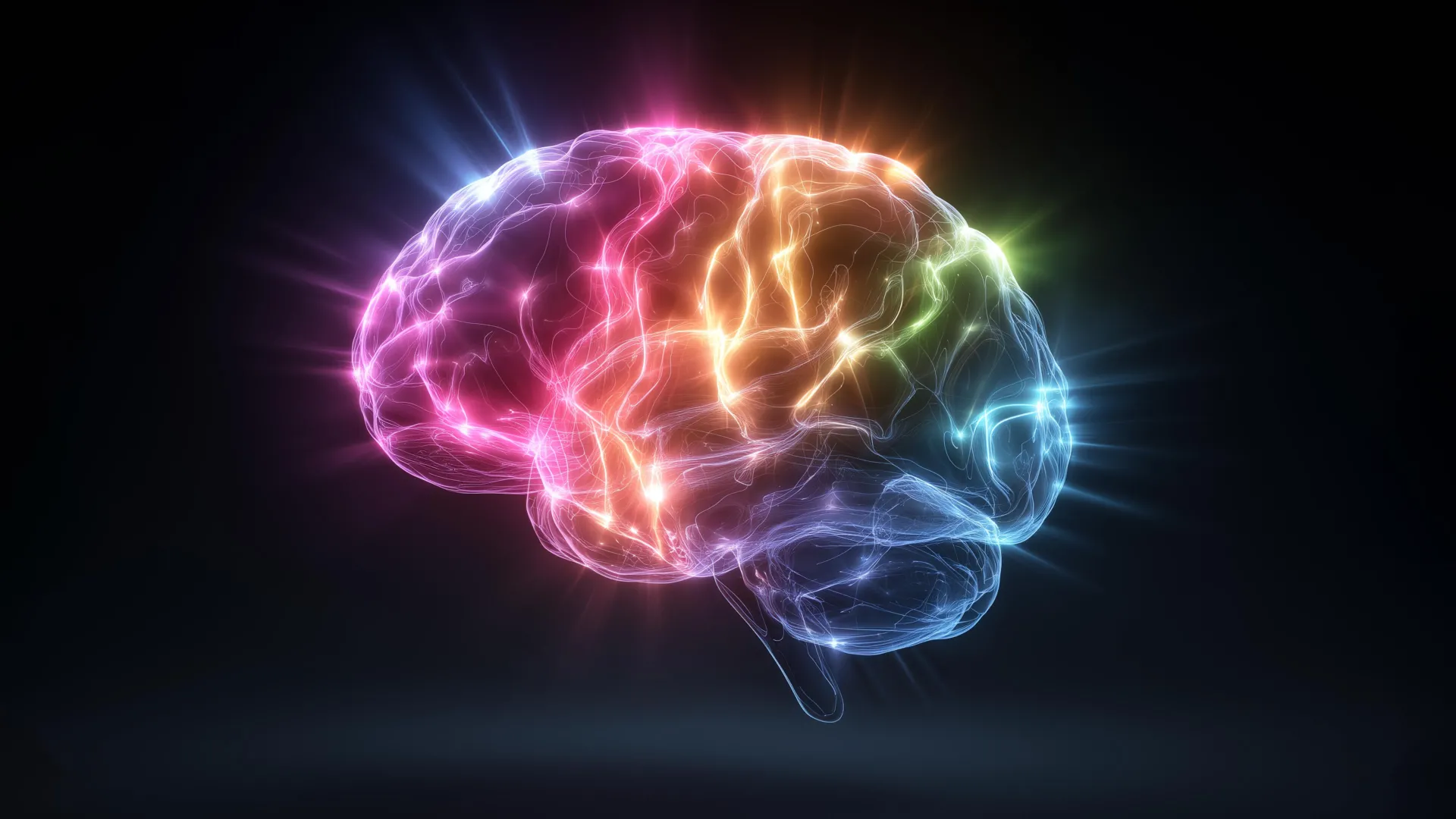
The DMN is a complex web of interconnected regions that activates when an individual is not focused on the outside world, such as during daydreaming, recalling past memories, or pondering the future. A breakdown in this network is often considered a hallmark of early cognitive impairment and neurodegenerative processes. The discovery that a simple micronutrient could be linked to the stability of this network opens a new frontier in nutritional neuroscience.
Chronology of the Investigation
The journey to these findings began with a growing body of longitudinal evidence suggesting that antioxidant-rich diets are associated with better cognitive outcomes in the elderly. However, the scientific community had lacked a bridge between "good diet" and "physical brain structure."
- Early Conceptualization: The research team at Hirosaki University aimed to quantify the impact of dietary markers on brain morphology. Recognizing that vitamin C (ascorbic acid) acts as a potent antioxidant capable of crossing the blood-brain barrier, the team hypothesized that it might protect neurons from oxidative stress—a known contributor to age-related brain shrinkage.
- Study Design and Execution: The team recruited a massive community-based cohort of over 2,000 older adults. Between 2024 and 2026, the researchers collected comprehensive data, including biological samples and high-resolution neuroimaging.
- Statistical Analysis: Throughout early 2026, the team processed the MRI data alongside plasma markers. They employed sophisticated statistical models to ensure that the observed associations were not merely byproducts of other lifestyle factors, such as socioeconomic status or general health.
- Publication: The final analysis was peer-reviewed and published in PLOS One on June 10, 2026, marking a significant milestone in the field of diet-related neuro-aging.
Supporting Data: Why Vitamin C Matters
Vitamin C is an essential nutrient that the human body cannot synthesize on its own; it must be obtained entirely through diet. Its role in the body is multifaceted, serving as a cofactor for numerous enzymes and acting as a primary antioxidant that scavenges free radicals—unstable molecules that damage cells and DNA.
In the context of the brain, oxidative stress is particularly damaging. The brain is highly metabolically active, consuming a significant portion of the body’s oxygen, which inevitably leads to the production of reactive oxygen species. Over decades, this cumulative oxidative damage contributes to the thinning of gray matter—the tissue containing the neuronal cell bodies—and the degradation of white matter, the "cabling" that connects different brain regions.
The data from the Hirosaki study supports the "Oxidative Stress Hypothesis." By maintaining higher circulating levels of vitamin C, the study suggests that older adults may be providing their brains with a consistent buffer against this environmental and biological wear and tear. While the study does not establish a direct cause-and-effect relationship, the statistical significance of the findings, even after controlling for education and activity, suggests that vitamin C levels are a reliable proxy for structural brain health.
Official Responses and Researcher Perspectives
The implications of the study have been met with cautious optimism by the research team and the broader scientific community. Tomohiro Shintaku, a key researcher on the project, expressed enthusiasm regarding the study’s capacity to detect subtle neurobiological patterns in a real-world, community-based population.
"Our study demonstrates that higher plasma vitamin C levels are associated with better-preserved structural connectivity of the default mode network," Shintaku noted. "This finding generates the exciting hypothesis that a diet rich in vitamin C might play a supportive role in maintaining brain health and mitigating age-related cognitive decline in older adults."
Shintaku highlighted the technical achievement of the study, noting that the ability to link a single nutritional factor to large-scale brain networks in a sample of over 2,000 people underscores the profound influence of everyday habits. "What I found most fascinating," he added, "is that we were able to detect these subtle but significant associations… it truly highlights the potential impact of our everyday dietary habits on our brain structures."
The study also included a transparency statement regarding funding. While KAGOME CO., LTD. provided support for the salaries of two researchers, the study was largely funded by the Japan Agency for Medical Research and Development (AMED). The authors maintained strict editorial independence, ensuring that the corporate funding had no influence on the data collection, analysis, or final publication of the findings.
Implications for Public Health and Future Research
The "Vitamin C-Brain" connection poses significant questions for public health policy. If the correlation holds true as a causal link, it could shift the focus of preventative gerontology toward targeted nutritional interventions.
The Path Forward
Despite the positive findings, the researchers remain measured in their conclusions. Because the study was observational, it cannot definitively state that taking vitamin C supplements will "grow" a brain or prevent dementia. It is possible, for instance, that people who are already healthier (and have better brain structure) naturally consume more fruits and vegetables.
To move from correlation to causation, the scientific community must now look toward the next generation of studies:
- Longitudinal Tracking: Future research needs to track participants over years, measuring their vitamin C levels at multiple intervals to see if changes in diet lead to measurable changes in brain structure.
- Biological Mechanisms: Scientists must uncover the precise pathways through which vitamin C protects neurons. Does it reduce neuroinflammation? Does it enhance neurotransmitter synthesis? Does it improve vascular health in the brain?
- Diversity in Cohorts: While the Hirosaki study is robust, it focused on a Japanese population. Expanding this research to include diverse ethnic and socioeconomic backgrounds will be vital to determine if these findings are universal across the human species.
A Holistic View of Aging
The research serves as a reminder that the aging brain is not an immutable organ destined for decay. Instead, it is a dynamic system sensitive to the "input" it receives over a lifetime. While genetics and environment play undeniable roles, the potential to slow the progression of cognitive decline through accessible, dietary adjustments is a powerful concept.
As we look toward a future where the average human lifespan continues to climb, the focus must remain on "healthspan"—the number of years spent in good health. The Hirosaki University study suggests that the secret to a sharp mind in our later years might not just be found in complex medical interventions, but in the humble, vitamin-rich foods we consume every day. Whether through increased intake of citrus, berries, peppers, or leafy greens, the path to brain health may be more accessible than previously imagined.
The study stands as a testament to the power of large-scale epidemiological research in uncovering the subtle threads that weave together nutrition and neurology. As more data emerges, the hope is that we can translate these findings into practical dietary guidelines that empower older adults to protect their most precious asset: the cognitive architecture of the mind.