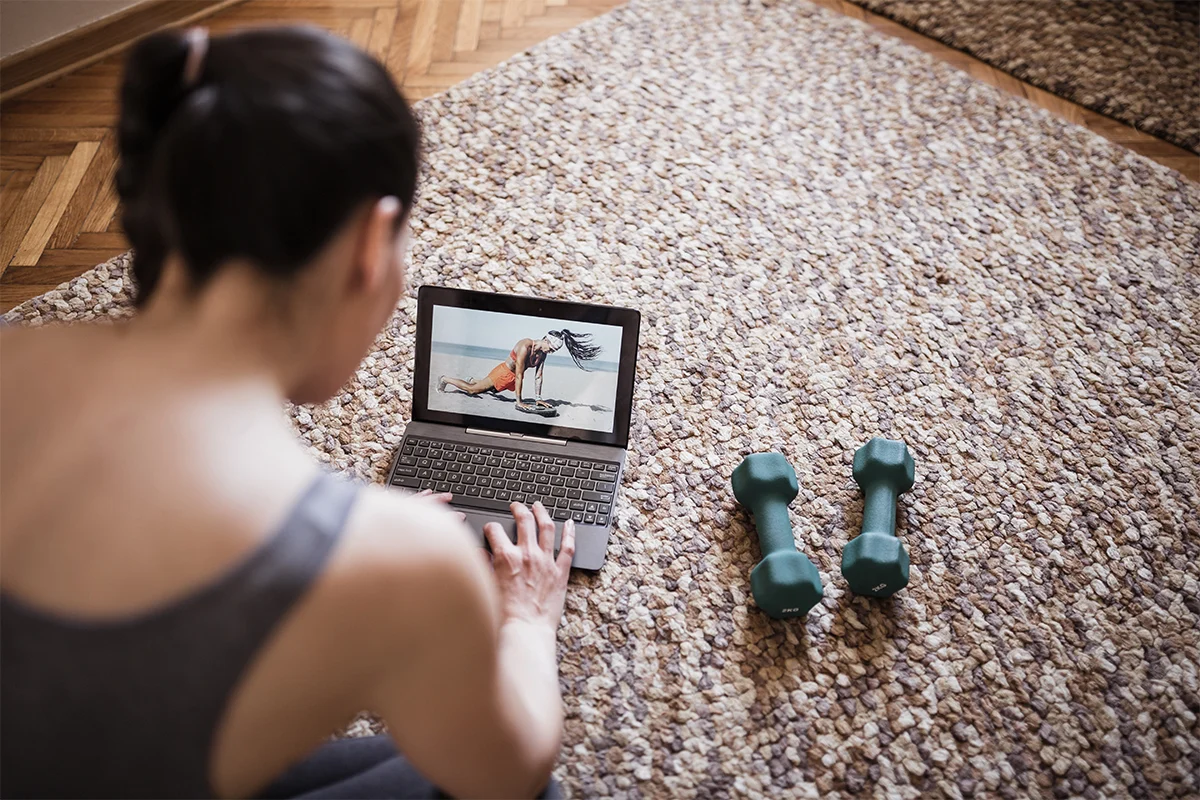
As the digital frontier expands, the fitness industry finds itself at a critical intersection. Artificial Intelligence (AI) and machine learning are no longer futuristic concepts relegated to research laboratories; they are becoming embedded in the everyday tools that define modern wellness. From wearable sensors that track physiological recovery to sophisticated algorithms that generate personalized exercise programming, the landscape of physical training is undergoing a significant, data-driven transformation.
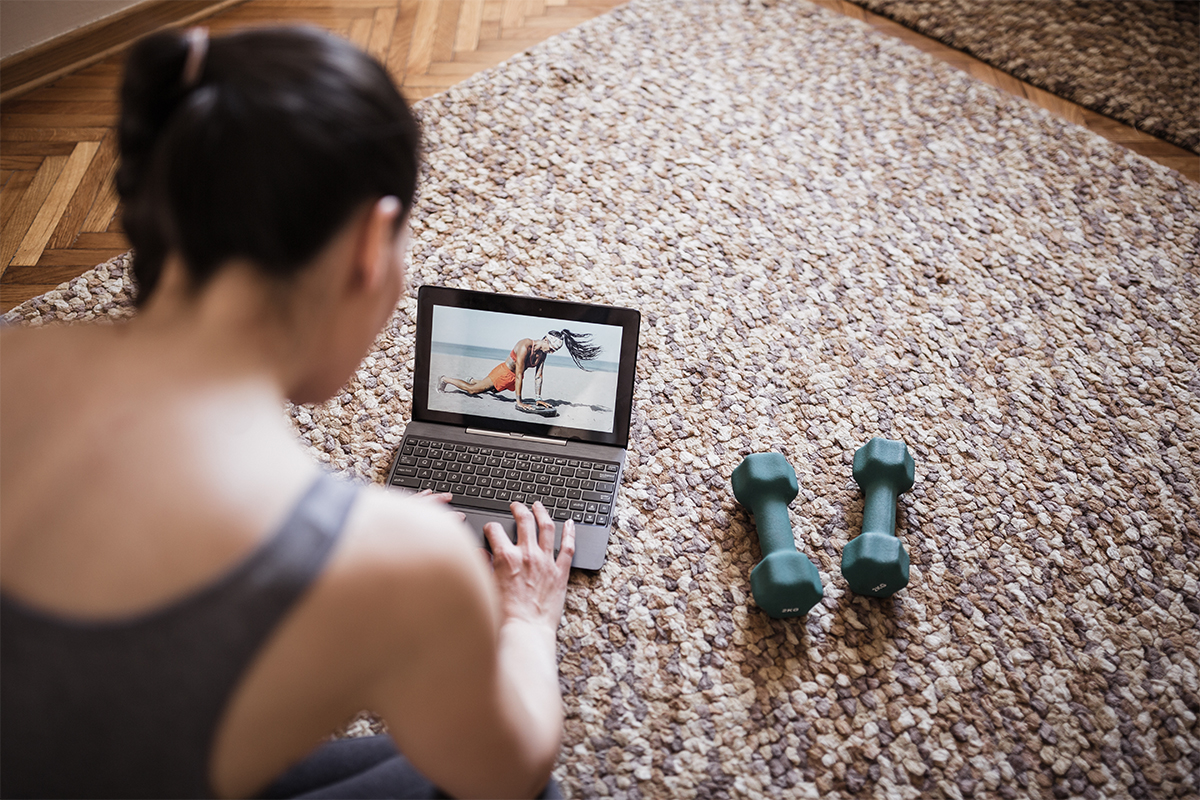
However, the rapid integration of these technologies brings a complex set of challenges. A comprehensive 2026 industry survey, conducted by researchers including Dr. Jan Schroeder, reveals a profession in flux: while fitness experts are increasingly comfortable with digital tools, there remains a palpable tension between the efficiency offered by AI and the irreplaceable value of human, in-person connection.

The State of Play: Main Facts and Current Integration
The contemporary fitness professional is arguably more "tech-literate" than at any point in history. The 2026 cross-sectional survey, which gathered insights from 74 highly experienced practitioners, indicates that most fitness experts are comfortable utilizing general digital technology, such as mobile applications and wearable devices.

However, the leap from "digital user" to "AI practitioner" is more significant. While wearable technology—devices that monitor heart rate, sleep quality, and physical activity—has seen widespread adoption, the use of AI specifically for advanced performance analysis or virtual reality coaching remains in its infancy. Most professionals reported that they use AI primarily as a time-saving assistant rather than a primary coaching engine. Tasks like drafting marketing content, scheduling, and basic exercise programming are currently the most common areas where AI sees consistent use.

A Chronology of Technological Adoption
To understand where the industry is heading, one must look at how it evolved. The journey began with the digitization of fitness—the move from paper charts to digital apps.

- Pre-2020: The industry relied on manual tracking and face-to-face instruction. Wearables existed but were largely novelty items.
- 2020–2023: The global shift toward remote work and virtual training forced a rapid acceleration in digital literacy. Remote coaching platforms became the primary lifeline for trainers.
- 2024–2025: The mainstreaming of Large Language Models (LLMs) and advanced machine learning allowed for the creation of automated "smart" coaching systems.
- January–February 2026: The current survey period. This snapshot highlights the industry’s attempt to reconcile these powerful new tools with established professional standards.
Supporting Data: Who is Leading the Charge?
The 2026 survey provides a detailed profile of the workforce currently navigating this transition. The respondent pool was notably experienced:

- Industry Tenure: More than two-thirds (66.2%) of participants reported having over 15 years of experience in the fitness field.
- Educational Background: This is a highly credentialed group, with over 75% holding at least a bachelor’s degree and more than one-third possessing graduate-level qualifications.
- Professional Status: 33.8% of the respondents work as independent contractors, reflecting the entrepreneurial spirit of the modern personal trainer.
These demographics suggest that the skepticism or hesitation regarding AI is not due to a lack of professional expertise or education. Rather, it stems from a mature understanding of what makes fitness coaching effective—a deep-rooted belief that human rapport, context, and motivation are the pillars of long-term client success.

The Ethical Dilemma: Transparency and Bias
As AI systems become more autonomous, the industry faces mounting ethical pressures. The literature surrounding digital health—including guidance from the World Health Organization—repeatedly highlights that AI is only as good as the data it is fed.

"The risk of algorithmic bias is a significant concern," note industry experts. If an AI is trained on datasets that do not represent the diversity of the general population, its recommendations for exercise intensity or recovery could be ineffective or, in extreme cases, unsafe for certain demographics. Furthermore, data privacy remains a "black box" issue. For fitness professionals, the responsibility for protecting sensitive client health data is paramount. The survey respondents echoed these concerns, ranking the reliability and transparency of AI-generated recommendations as a top-tier barrier to full-scale adoption.

Implications for the Future of the Profession
The most pressing question for the industry is: Will AI replace the personal trainer?

The consensus from the 2026 findings is a resounding "no." Instead, the data points toward an evolution of the professional role. The future of fitness appears to be a hybrid model where technology provides the data, but the human provides the "why."

1. From "Instructor" to "Interpreter"
As AI takes over the heavy lifting of data analysis—such as identifying patterns in a client’s heart rate variability or sleep quality—the professional’s role will shift. Trainers will spend less time calculating sets and reps and more time interpreting the "story" behind the data. The ability to contextualize a client’s performance based on their life stress, emotional state, and personal goals remains a uniquely human skill.

2. The Premium on Human Connection
Even as AI-driven apps become more sophisticated, the survey respondents emphasized that the value of human interaction is not diminishing; it is becoming more exclusive. As automated systems handle the "commoditized" aspects of fitness (like basic weight loss or general conditioning), human trainers will likely pivot toward high-touch, behavior-change-focused services.

3. The New Skill Set
The industry is entering an era where "tech-savviness" is no longer an optional skill. To remain competitive, trainers must learn how to integrate AI tools into their practice. This includes understanding how to:

- Prompt Engineering: Learning how to ask AI the right questions to generate high-quality, safe exercise programs.
- Data Literacy: Being able to explain the output of a wearable device to a client in a way that is actionable and encouraging.
- Ethical Gatekeeping: Acting as the final authority on AI suggestions, ensuring that all recommendations align with the client’s unique medical history and physical capacity.
Expert Perspective: The Role of the Professional
Dr. Jan Schroeder, in her capacity as a leading voice in the industry, emphasizes that AI is best positioned as a "decision-support system."

"AI is a powerful tool for efficiency," she notes. "But it lacks the empathy, the intuition, and the ability to read body language that a veteran trainer brings to the gym floor."

For those in the fitness industry, the path forward is one of cautious integration. The goal should not be to outsource the trainer’s brain to an algorithm, but to use the algorithm to free up the trainer’s time, allowing them to focus on the elements of coaching that truly drive change: motivation, accountability, and the deep, trust-based relationship between client and coach.

Conclusion: A Balanced Outlook
The integration of AI into the fitness industry is not a zero-sum game. It is not a battle of "Human vs. Machine," but rather an opportunity for "Human + Machine."

The 2026 data clearly shows that while the industry is still in the "learning phase," the appetite for growth is there. By addressing the barriers of privacy, ethical bias, and professional education, the fitness industry can harness the power of AI to create a more personalized, effective, and accessible health experience for everyone. The trainers who succeed in the coming decade will be those who embrace the digital assistant, while remaining firmly committed to the human element that has always been the heart of fitness.
Key Takeaways for Practitioners
- AI as an Assistant: Use AI for repetitive tasks—scheduling, email, and basic template creation—to reclaim time for direct client engagement.
- Human-Centricity: Remember that AI cannot replicate the emotional support or the "read-the-room" intuition required for group exercise or personal training.
- Continuous Education: The industry is moving fast. Invest time in understanding the basics of how your preferred digital tools handle data and privacy.
- Transparency: When using AI to help design a program, be transparent with your clients about the role technology plays in your process. Trust is built on communication, not just results.