








Why does the 6:00 a.m. rush at the gym remain a fixture of modern fitness culture? Walk into any major commercial fitness center at the crack of dawn, and you will see the same scene: rows of people sweating on treadmills and ellipticals, intentionally avoiding breakfast. The motivation is almost always the same—a widely held belief in the fitness community that training in a "fasted" state forces the body to tap into stubborn fat stores, thereby accelerating weight loss.
At face value, the logic seems bulletproof. After an eight-hour overnight fast, your body’s glycogen levels are depleted, and insulin levels are at a nadir. It follows, theoretically, that the body would have no choice but to oxidize stored adipose tissue to fuel your morning run. However, the gap between what happens during a workout and what happens to your body composition over time is where this popular strategy loses its footing.
Main Facts: The Physiology of Fuel
To understand why the "fasted cardio" debate persists, one must first distinguish between fat oxidation and fat loss.
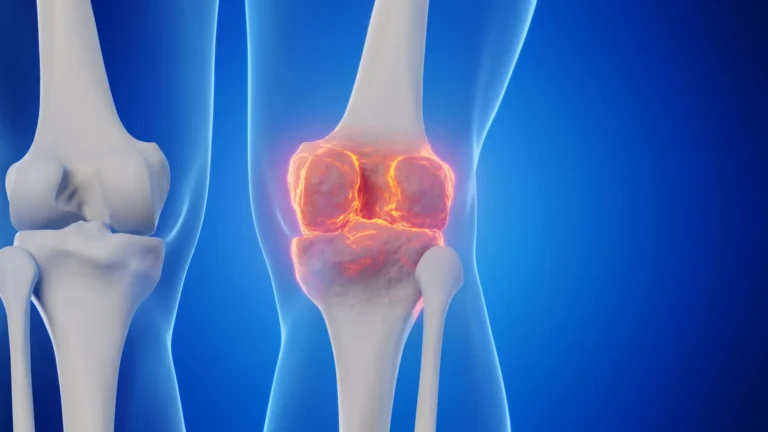
When you train in a fasted state, your body shifts its metabolic profile. Because glucose availability is lower, the body relies more heavily on fatty acids mobilized from adipose tissue and intramuscular triglycerides. This is the "grain of truth" that birthed the movement: yes, you are burning a higher percentage of fat while you are moving.
However, the human body is a master of compensation. Metabolism does not operate in isolated, hour-long windows. If your body burns more fat during a fasted morning run, it will often compensate by burning more carbohydrates later in the day. Conversely, if you eat a meal before your workout, your body will burn more of that dietary fuel during the session, saving your stored fat for later. The net energy balance—the total amount of calories consumed versus the total amount burned over 24 hours—remains the primary determinant of body composition, regardless of whether you ingested a protein shake before your workout.
A Chronology of a Fitness Myth
The obsession with fasted training did not emerge from a vacuum; it has its roots in the bodybuilding subculture of the early 2000s. In an effort to achieve the "ripped" look required for the IFBB stage, bodybuilders began performing low-intensity steady-state (LISS) cardio before breakfast.
"That’s like an early 2000s kind of mythology," explains Josh Hillis, B.S. in psychology and author of Lean and Strong. "There were a lot of assumptions made about fasted training and things like longevity and fat loss."
What began as a niche, extreme strategy for elite athletes—who were already operating at near-anorexic levels of body fat—slowly bled into the mainstream. Recreational gym-goers, seeing their favorite influencers swear by the "fasted burn," adopted the practice, hoping to shortcut their way to a leaner physique. As the internet matured, the myth gained traction through social media, where the "fasted cardio" hashtag became synonymous with discipline and elite-level fat loss, effectively cementing it as a staple of modern wellness culture.
Supporting Data: What the Research Says
Scientific literature has consistently pushed back against the idea that fasted cardio is a "magic pill" for fat loss. One of the most frequently cited studies, led by researcher Brad Schoenfeld, examined two groups of women performing identical aerobic exercise protocols while following a controlled diet. One group trained in a fasted state, while the other consumed a pre-workout meal.
After four weeks, the results were unequivocal: both groups lost nearly identical amounts of body weight and body fat. When calories and protein intake were matched, the timing of the meal became statistically irrelevant.
Further research confirms that while acute fat oxidation increases during fasted exercise, there is no significant difference in total fat loss over weeks or months. The "fat-burning zone" that many gym-goers obsess over is simply a physiological preference of the body for specific fuel sources at specific intensities, not an indicator of long-term body fat reduction.
Expert Perspectives: The Coaches Weigh In
Industry experts emphasize that the fixation on meal timing often distracts from the "big rocks" of fitness: total caloric intake, consistent resistance training, and protein sufficiency.
Jay Ashman of Ashman Strength and Nutrition notes that the confusion stems from a fundamental misunderstanding of energy balance. "Your body will rely on fat for energy, but that doesn’t equate to fat loss itself," Ashman says. "Lifters confuse the metabolic process of using fat for fuel with the actual removal of adipose tissue from the body."
Brad Dieter, CEO of FITTR Inc. and co-owner of MACROS Inc., echoes this sentiment, warning that the focus on fasted training often comes at the expense of performance. "Fasted training was born out of concepts related to how our metabolism works at a biochemical level," Dieter explains. "But when we zoom out to examine what happens over time, the picture changes. What really matters is the net energy balance and the resulting changes in body fat tissue over time."
When Fasted Cardio Is Actually Useful
While the "magic fat loss" claim has been debunked, that does not mean fasted training is inherently "bad." There are specific, valid reasons to train on an empty stomach:
- Low-Intensity Preference: For those who enjoy a casual, fasted morning walk or a Zone 2 cycle, the lack of food is unlikely to hinder performance. Since these activities rely on lower-intensity energy systems, the body is well-equipped to handle the load without a pre-workout meal.
- Scheduling Constraints: For many, the only time to train is at 5:00 a.m. before work. If eating a meal causes gastrointestinal distress, training fasted is objectively better than not training at all.
- Situational Readiness: Some athletes, particularly those in endurance sports, use fasted training to teach the body how to operate in a glycogen-depleted state, which can be useful for long-distance events where fueling mid-race may be difficult.
- Metabolic Flexibility: Periodic fasted training may help the body become more efficient at switching between fat and carbohydrate oxidation, though this is a nuance primarily beneficial to advanced endurance athletes.
The Implications: Where Fasted Training Backfires
While there are reasons to train fasted, there are significant risks to doing so if your goals involve muscle hypertrophy, strength, or high-intensity performance.
The Performance Penalty
High-intensity training—such as heavy weightlifting, sprinting, or CrossFit-style circuits—is fueled primarily by glycogen (stored carbohydrates). Attempting these sessions in a fasted state can lead to "hitting the wall" prematurely. If you lack the energy to push for that extra rep or maintain your intended speed, your training intensity drops. Because progressive overload is the primary driver of muscle growth and strength, cutting your workouts short or reducing your volume due to fatigue is counterproductive.
The "Snacking" Trap
One of the most ironic findings in the study of fasted cardio is the compensatory eating behavior. Many people who train fasted feel a sense of "permission" to eat more later in the day, or they find themselves prone to grazing during their feeding window. If your fasted morning session leaves you ravenous, you are significantly more likely to overeat throughout the rest of the day, effectively canceling out any hypothetical calorie deficit created by the morning workout.
Training Quality and Injury Risk
When you are under-fueled, your central nervous system may not be as sharp. This can lead to decreased coordination during complex movements like deadlifts or overhead squats, potentially increasing the risk of injury. Moreover, if you feel dizzy or nauseous, your ability to maintain proper form is compromised, leading to sub-optimal muscle stimulation.
The Verdict: Focus on the 99%
Ultimately, the debate over fasted versus fed training is a classic case of focusing on the "1%" while neglecting the "99%."
If you are a recreational lifter or a general fitness enthusiast, your results will be determined by the "big rocks":
- Total Calorie Intake: Are you in a slight deficit for fat loss or a slight surplus for muscle gain?
- Protein Consumption: Are you eating enough to support muscle repair?
- Consistency: Are you showing up to the gym at least 3–5 times a week?
- Sleep and Recovery: Are you allowing your body to repair itself between sessions?
If you spend your time debating whether a splash of cream in your coffee "breaks your fast" or whether a banana will ruin your "fat-burning window," you are missing the forest for the trees.
Conclusion
Fasted training is a tool, not a panacea. It is not a secret weapon that overrides the laws of thermodynamics. If you enjoy training in the morning and feel energized, continue doing so. If you find that eating a small, carbohydrate-rich meal before your workout allows you to lift heavier, run faster, and recover better, then embrace the breakfast.
In the landscape of 2026 fitness, the most successful approach remains the one you can stick to. Whether you are fasted or fed, the best workout is the one that allows you to train with the highest quality, the most intensity, and the greatest consistency over the long term. Stop worrying about the clock, and start focusing on the work.