









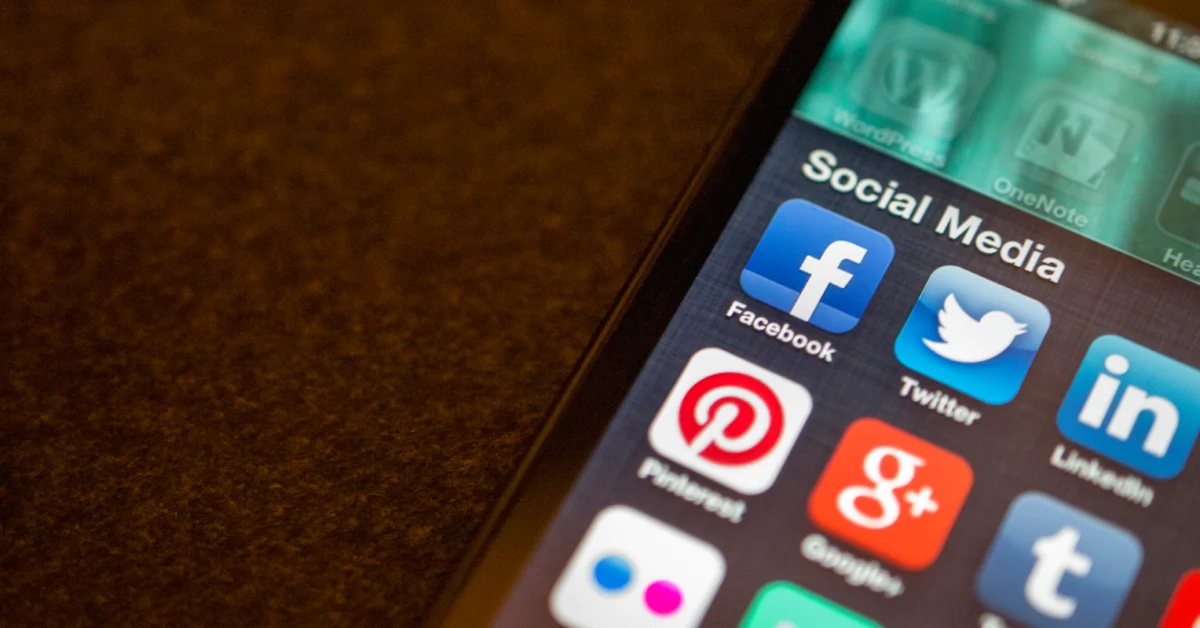
In the span of two decades, social media has evolved from a niche digital experiment into the central nervous system of modern society. It is the invisible tether that mediates our professional networking, personal relationships, and consumption of global events. While these platforms provide an unprecedented, addictive, and endless stream of information—from viral pop-culture snippets and political discourse to the mundane highlights of a stranger’s day—a growing body of clinical evidence suggests that this digital immersion comes at a significant psychological cost. As we grapple with the implications of an "always-on" culture, the question arises: Is social media a tool for human connection, or is it an existential threat to our mental equilibrium? The answer, as it turns out, is a complex, bifurcated reality.
The Evolution of Connectivity: A Chronology of Social Media
To understand our current predicament, one must look at the rapid trajectory of digital interaction.
- The Early 2000s (The Era of Discovery): Platforms like Friendster, MySpace, and the early iterations of Facebook promised a "global village." The primary value proposition was simple: the ability to find old friends and maintain long-distance connections.
- The 2010s (The Era of Curation): With the advent of Instagram and the rise of the "Influencer" economy, social media shifted from a communication tool to a performance stage. The pressure to present a polished, aspirational version of one’s life became the new social currency.
- The 2020s (The Era of Crisis and Polarization): The COVID-19 pandemic acted as an accelerant. As physical borders closed, digital ones expanded, cementing social media as a mandatory utility for survival. However, this period also highlighted the darker side of algorithmic radicalization and the erosion of nuanced public debate.
The Good: Building Tribes and Bridging Divides
Despite its reputation, social media is an engine for genuine human support. For millions, these platforms provide a "tribe" that may not exist in their immediate physical proximity.
Community and Solidarity
Social media enables users to transcend geographical barriers. Facebook Groups, Discord servers, and niche Reddit communities allow individuals to find peers who share specific hobbies, struggles, or identities. For marginalized groups—including those navigating their sexual orientation, rare medical conditions, or specific career hurdles—this sense of belonging is a lifeline.
The Pandemic Catalyst
During the height of the COVID-19 pandemic, social media functioned as the primary bridge for the isolated. A study by the Royal Society for Public Health (RSPH) found that nearly 70% of teenagers reported receiving vital emotional support from their peers via these platforms during lockdowns. When physical touch was forbidden, the "like," the comment, and the video call became the surrogates for human presence, staving off the acute loneliness that threatened the collective mental health of a quarantined world.
Destigmatization Efforts
Beyond individual support, social media has proven to be an effective vehicle for public health messaging. The National Academies of Sciences, Engineering, and Medicine highlighted the efficacy of Scotland’s "See Me" campaign. By leveraging social platforms to replace stereotypes with real stories, the campaign yielded an 11% reduction in the belief that the public needs "protection" from those with mental illness, and a 17% reduction in the perception that the mentally ill are inherently dangerous. This demonstrates that when directed with purpose, social media can be a formidable force for social justice.
The Bad: The Algorithmic Toll
However, the same architecture that promotes connection is also designed for hyper-engagement, often at the expense of user well-being.
The Comparison Trap
Theodore Roosevelt famously remarked that "comparison is the thief of joy." In the digital age, this observation is amplified a thousandfold. Users are constantly bombarded by the "highlight reels" of others. Whether it is a curated vacation, a professional milestone, or a physical transformation, the sheer volume of idealized content can trigger profound feelings of inadequacy. Internal research from Facebook, leaked in recent years, corroborated this, noting that 32% of teen girls felt that Instagram exacerbated their body image issues.
Algorithmic Echo Chambers and Radicalization
Social media algorithms are built to optimize for retention. By feeding users content that aligns with their existing biases, these platforms inadvertently create "echo chambers." This has had severe consequences for public discourse, with members of Congress and civil rights organizations frequently noting how these platforms exacerbate partisanship and ideological extremism. By failing to challenge the user’s worldview, the algorithm reinforces cognitive biases, making the world seem more polarized than it actually is.
Cyberbullying and the "Always-On" Anxiety
The digital landscape is not always a safe space. The same RSPH survey revealed that 70% of respondents had encountered cyberbullying. More alarmingly, 37% reported that the abuse was frequent and sustained. Unlike playground bullying, which ends when the school bell rings, cyberbullying follows the victim into their bedroom, onto their pillow, and into their dreams. The result is a documented spike in depression and, in severe cases, symptoms of post-traumatic stress disorder (PTSD) among adolescents.
Official Responses and Regulatory Implications
The tech industry is currently facing a reckoning. Legislative bodies, particularly in the United States and the European Union, are exploring ways to mandate transparency in how algorithms operate.
The focus has shifted from "if" social media is harmful to "how" to mitigate that harm. Official guidelines from mental health organizations now suggest that "digital hygiene" is as essential as physical hygiene. Policymakers are looking toward regulations that would require platforms to remove addictive "infinite scroll" features for minors and increase age-verification standards to prevent the exploitation of vulnerable younger demographics.
The Path Forward: Striking a Balance
Is it time to delete our accounts? Not necessarily. The paradox of social media is that it is both a potential poison and a potent medicine. The key lies in agency.
Strategies for Digital Wellness:
- Auditing the Feed: Users should periodically prune their feeds, unfollowing accounts that trigger anxiety or jealousy, and replacing them with accounts that provide inspiration or genuine connection.
- Time-Boxing: Setting firm boundaries around usage—such as no screens an hour before bed—can prevent the "doom-scrolling" loop that characterizes most negative social media experiences.
- Active vs. Passive Use: Research suggests that active engagement (messaging friends, joining groups, contributing to discussions) is significantly healthier than passive consumption (mindlessly scrolling through photos of strangers).
- The "Check-In" Method: If a platform consistently leaves a user feeling drained or inadequate, it is an objective sign that it is time to take an extended hiatus.
Conclusion: Reclaiming Control
Social media is a technology, not a destiny. While the industry is designed to keep us tethered, we retain the power to dictate the terms of our engagement. We must shift our perspective from being "users" at the mercy of an algorithm to being "architects" of our own digital experiences.
There are many variables affecting our mental health that remain outside our control—genetics, environment, and global crises. Our relationship with our devices, however, does not have to be one of them. By acknowledging the risks, leveraging the benefits, and enforcing strict personal boundaries, we can navigate the digital landscape without losing our peace of mind. In the end, the most important connection we have is not the one to the digital world, but the one to ourselves.